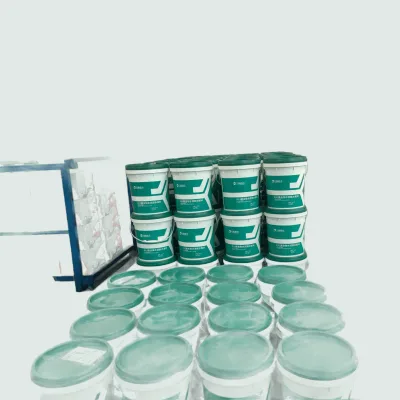
Waterproofing materials
Published · Updated
Waterproofing materials come as brushed coatings, primers, bitumen sheet membranes and damp-proof courses for walls. The JUYONS data sheet for K11 polymer cement coating gives about 1.5 kg/m² for each millimetre of film. Kitovu holds K11, a water-based bitumen primer and an APP membrane in Zanzibar.
In stock in Zanzibar
See all 11 products
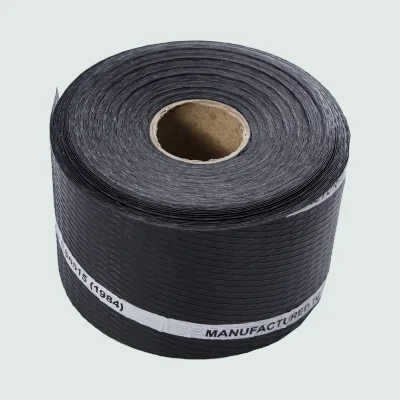
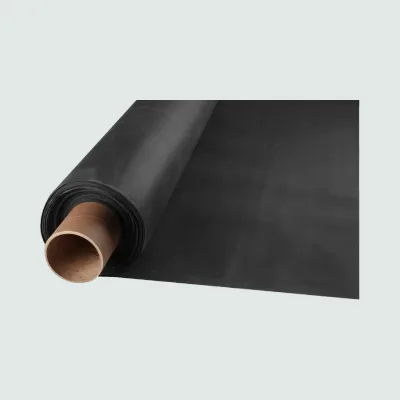
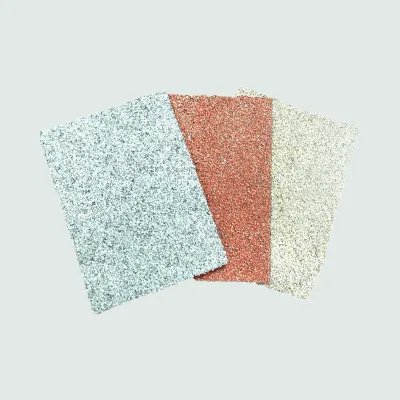
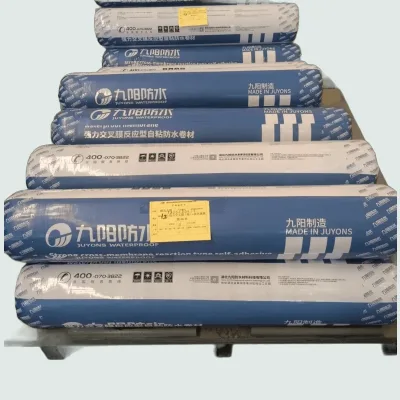
APP Torch-On Waterproofing Membrane, Mineral Finish
3 mm, 4 mmTorch-on APP roll with a mineral top for flat roofs, terraces and foundations.
Order on WhatsAppTZS 192,000perroll
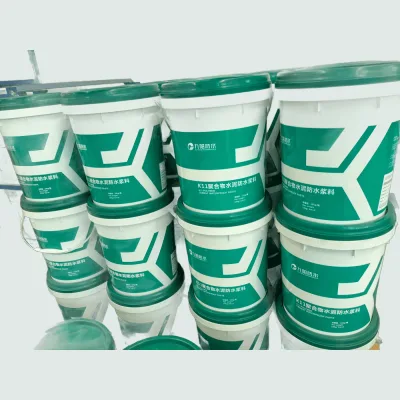
K11 Polymer Cement Waterproof Coating (Two-Component)
18 kg/barrelBrush-on cement coating for bathrooms, kitchens, balconies, basements and pools; tiles can go over it.
Order on WhatsAppTZS 155,000perbucket
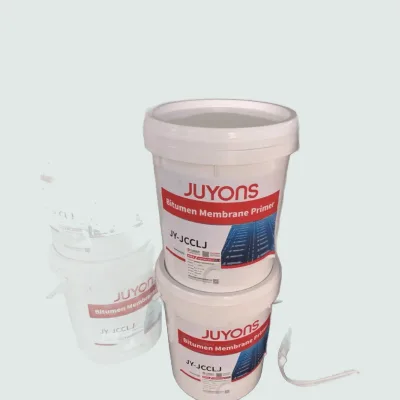
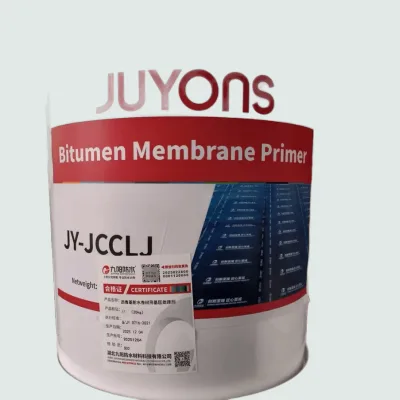
Water-Based Bitumen Primer for Waterproofing Membranes
20 kgWater-based primer brushed on the base before a bitumen membrane goes down.
Order on WhatsAppTZS 126,240perbucket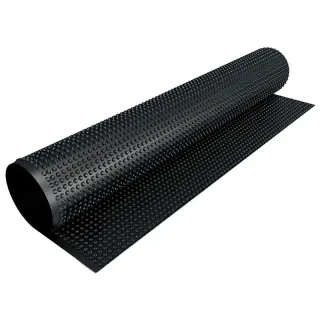
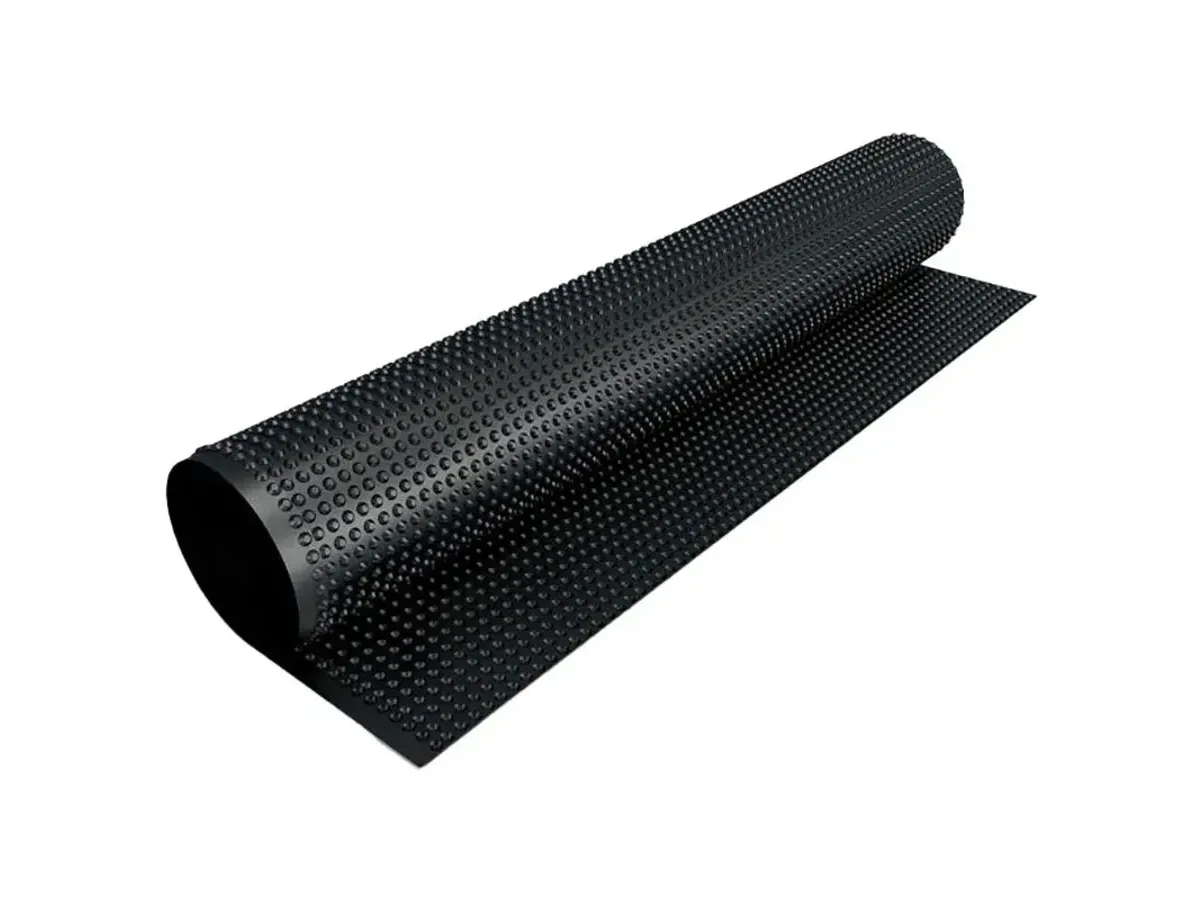
Dimple Drainage Membrane 8 mm with Geotextile (HDPE Drainage Board)
Studded drainage membrane that protects foundation walls below ground.
Order on WhatsAppTZS 328,000perroll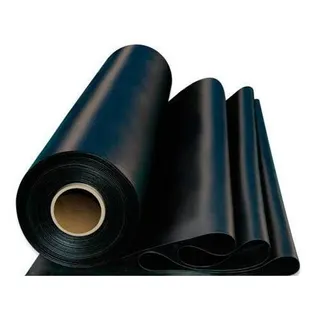
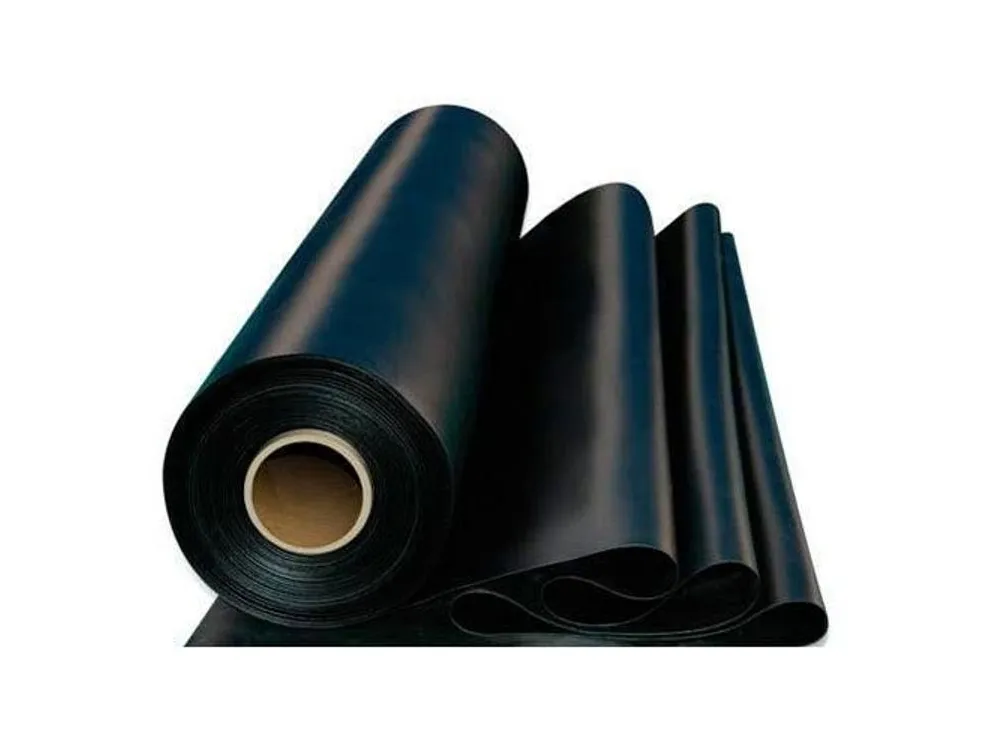
HDPE Geomembrane (Dam Liner), Smooth, 0.3 mm
Smooth0.3 mm0.3 mm HDPE sheet, ordered by Kitovu for damp proofing under floor slabs.
Order on WhatsAppTZS 1,052,000perroll



Waterproofing materials by type
Each page in this section deals with one material or one job. The right-hand column gives one figure from the data sheets that page relies on.
| Material | What the page answers | One figure from its sources |
|---|---|---|
| K11 waterproof coating | how a two-part polymer cement slurry is mixed, how much is needed per m², which surfaces it suits | JUYONS: about 1.5 kg/m² per mm of film, 2–3 coats |
| Waterproof cement | what is sold as waterproof cement and where it goes | Palace Intrapruf: 4.5 L of admixture per 150 L of gauging water |
| Bitumen paint | what bitumen paint is, its kinds and where it is applied | Barrettine: 4–6 m² per litre on concrete |
| Bitumen primer | why the base is primed before a bitumen membrane goes down | Sika: 0.25–0.40 L/m² per coat |
| APP bitumen membrane | APP modified bitumen sheets: thickness, roll size, surface finish | Grupo Puma: 1 m × 10 m roll at 4 kg/m² |
| Waterproofing membrane | the main sheet types compared | ClassicBond EPDM: sheets up to 15 m wide |
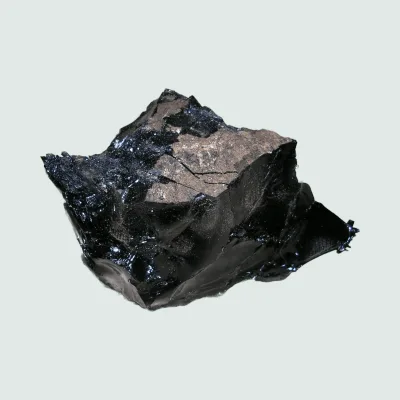
| Bitumen | bitumen grades and their uses | ORLEN 50/70: softening point 46–54°C |
| DPC damp-proof course | the layer built into a wall against rising damp | UK Approved Document C: 150 mm or more above ground |
Which waterproofing material for which job
There is no single best waterproofing material: each data sheet behind these pages names its own jobs, and the choice follows where the water comes from.
Wet rooms, balconies and pools take a brushed coating under the tiles. According to the JUYONS data sheet, K11 is meant for walls, kitchens, toilets and bathrooms, balconies, basements and swimming pools, and tiles can be laid on the cured layer. Kitovu sells that coating from stock in Zanzibar: K11 Polymer Cement Waterproof Coating (Two-Component). Two guides set out the order of work: bathroom waterproofing and pool and tank waterproofing.
Flat roofs and terraces take a sheet in rolls. Grupo Puma keeps its film-faced APP roll for layers under protection and its mineral-faced roll for the exposed top layer; the APP roll Kitovu holds in Zanzibar has a grey mineral top. Before any sheet goes down, the JUYONS membrane instructions call for primer at 0.3 kg/m², and the JUYONS water-based primer is also in Kitovu’s Zanzibar stock.
Walls at ground level need a damp-proof course in a mortar joint, which UK Approved Document C places 150 mm or more over the adjoining ground. A waterproof render is not a substitute: Palace recommends its render for re-plastering after an injected damp course has gone in, not in place of one.
Tanks you drink from are the strictest case. The Barrettine bitumen paint sheet excludes contact with potable water and the K11 sheet does not mention it, so such a tank needs a product whose own document approves that use.
The Sika waterproofing page covers a brand Kitovu does not stock.