













































































































Tile grout
Published · Updated
Grout is the paste that fills the joints between tiles once the adhesive has set. Most tile grout is cement-based; the better grades resist water and wear and are coded CG2WA. Sika's chart for its SikaCeram-650 grout gives about 0.35 kg per m² for 300 × 300 mm tiles with 3 mm joints.
In stock in Zanzibar
See all 11 products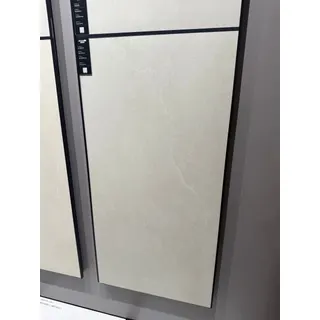
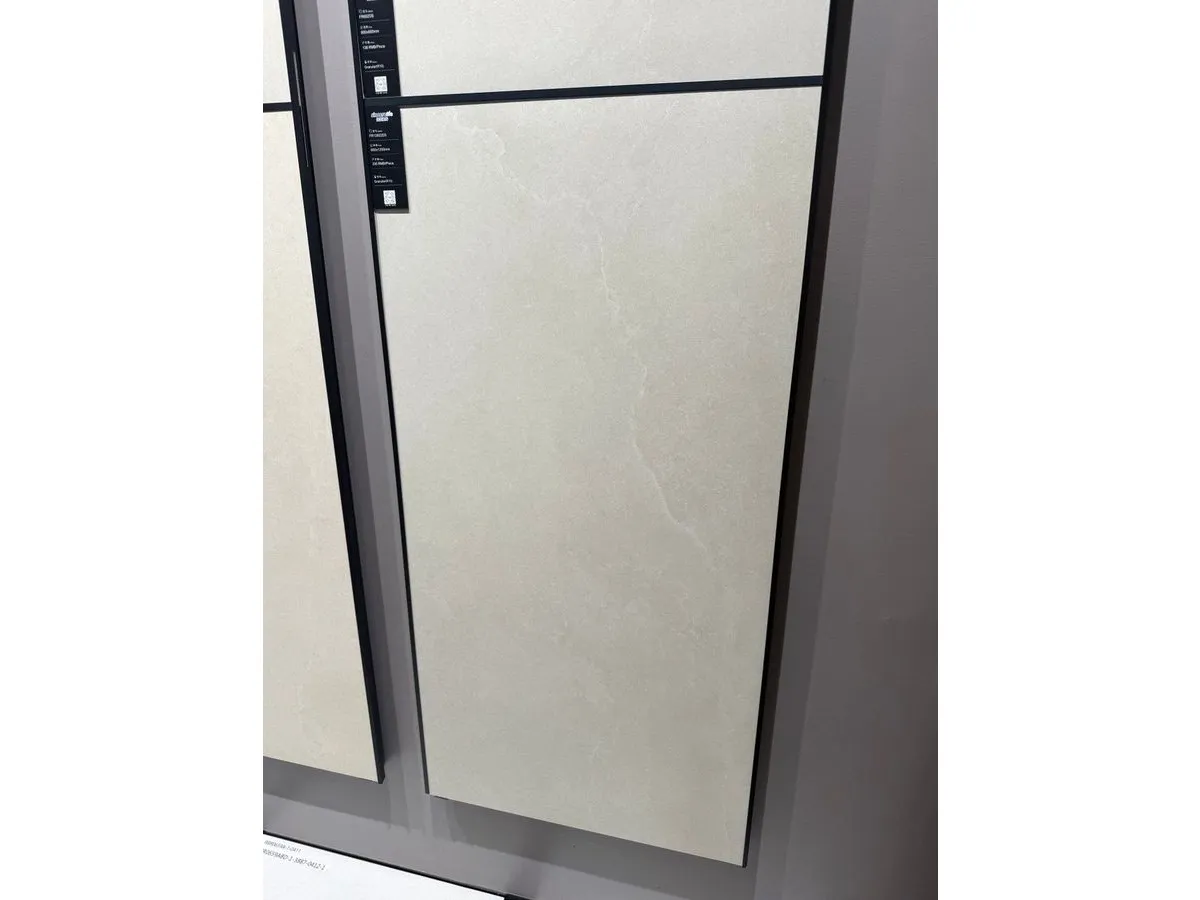
Beige Porcelain Tile 1200x600 mm, Matt Anti-Slip R10
1200 × 600 mmR10Beige 1200 × 600 mm porcelain, matt R10 anti-slip, for floors and walls, wet areas included.
Order on WhatsAppTZS 49,680pertile
K11 Polymer Cement Waterproof Coating (Two-Component)
18 kg/barrelWaterproof layer for bathroom and kitchen floors that tiles are laid over.
Order on WhatsAppTZS 155,000perbucket






What tile grout is
Tile and grout work as one surface: the tile carries the load and the look, the filler closes the joints so water, dirt and grit cannot get under the edges. It is mixed from a powder or two resin parts, pressed into the joints with a rubber float, and the excess wiped off the tile face. It is a different product from tile adhesive, which sits under the tile — see the tile adhesive page.
Joint width is set when the tiles are laid; rectified tiles, including some wood-look planks, allow tight joints because their edges are machined straight. Wider joints take more material and show its colour more strongly.
Grout classes: CG1, CG2, W, A and RG
Products sold in Europe and in many other markets are graded under EN 13888, or the matching ISO 13007-3. A Mapei article on tile grouts and their standards sets out the codes:
| Code | Meaning |
|---|---|
| CG | cementitious grout |
| CG1 | normal cementitious grout |
| CG2 | improved cementitious grout, which must also pass one or both extra tests below |
| W | reduced water absorption |
| A | high abrasion resistance |
| RG | reaction resin grout, such as epoxy |
A bag marked CG2WA therefore holds an improved cement product that both absorbs less water and wears less than a CG1. Sika lists its SikaCeram CleanGrout in South Africa as CG2WA to EN 13888, for example.
Cement grout or epoxy grout
- Cement grout (CG). A powder mixed with water, used on floors and walls. Sika lists its CG2WA product for wet and dry areas, kitchens and outdoor work.
- Epoxy grout (RG). A reaction resin grout: two parts are mixed just before use and harden by a chemical reaction rather than with water, which is why the standard gives it its own class. Working with epoxy follows the maker’s own mixing and cleaning instructions, which differ from those for the cement type, so ask for the data sheet before you start.
Tile grout sold in Tanzania
Sika Tanzania lists one product of this kind in its tile range, the SikaCeram-650 Tile Grout KE. Its page gives:
- cement-based, water-repellent and flexible, for tile and stone;
- declared CG2WA to AS ISO 13007.3;
- joints of 1 to 8 mm;
- wet and dry areas, kitchens, outdoor areas, and submerged use in pools and spas;
- porcelain, mosaics, marble, granite, limestone and other natural stone;
- 3 kg bags in grey, white, ivory, beige, brown, black and other colours.
Kamaka’s online shop in Dar es Salaam lists the same product in 3 kg bags of grey and of white. Prices of tiles themselves are on the floor tiles price page.
How much grout for tiles
Consumption depends on tile size, tile thickness and joint width. Sika’s chart for SikaCeram-650 gives these figures for a 300 × 300 × 8 mm tile:
| Joint width | Grout per m² |
|---|---|
| 1 mm | 0.11 kg |
| 3 mm | 0.35 kg |
| 5 mm | 0.59 kg |
| 8 mm | 0.95 kg |
A floor of 20 m² in 300 mm tiles with 3 mm joints needs about 7 kg, or three 3 kg bags (our calculation: 20 × 0.35 = 7). Larger tiles have fewer joints per m², so they take less at the same joint width; Sika calls its chart a guide only.
How to grout tiles
The steps follow the SikaCeram-650 product page:
- Let the tile adhesive set, then clear the joints of adhesive and dust.
- Mix each bag with 30–34% clean water by weight to a smooth paste; check the actual bag weight first.
- Work only when the base is between 5°C and 35°C. The mix stays usable for about 60 minutes at 22°C.
- Press the mix into the joints diagonally across the tiles with a rubber float, then wipe off the excess with a damp sponge.
- Polish off the remaining haze after 12–24 hours, and keep the area out of rain and traffic while it dries.
Sika gives these waiting times before use: dry areas 24 hours, wet areas 3 days, heavy foot traffic 3–4 days, and pools 21 days before filling.
Grout in wet rooms and pools
Grout alone does not make a shower or a pool watertight; the waterproof layer goes under the tiles. The JUYONS data sheet for the K11 Polymer Cement Waterproof Coating (Two-Component), stocked by Kitovu in Zanzibar, names bathrooms and swimming pools among its uses and allows tiling over the cured coating; its bucket price is on the waterproof cement price page. On top, use a grout whose maker lists wet areas or submerged use, such as a CG2WA or an epoxy grade.
Porcelain floors — for example Kitovu’s Beige Porcelain Tile 1200x600 mm, Matt Anti-Slip R10, held in Zanzibar — are grouted the same way; with a large tile there are fewer joints, so less filler per m².