









Bathtubs: types, materials and water use
Published · Updated
A bathtub is a fixed tub for bathing, made of acrylic, enamelled cast iron, ceramic or fibreglass-reinforced polyester. According to Dimensions.com, a standard tub holds about 302 litres and one bath uses 132–189 litres, so water supply and heating matter as much as the shape.
In stock in Zanzibar
See all 11 products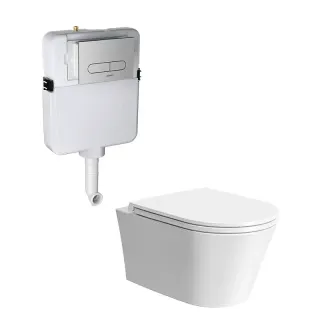
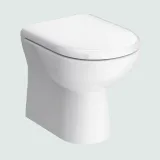
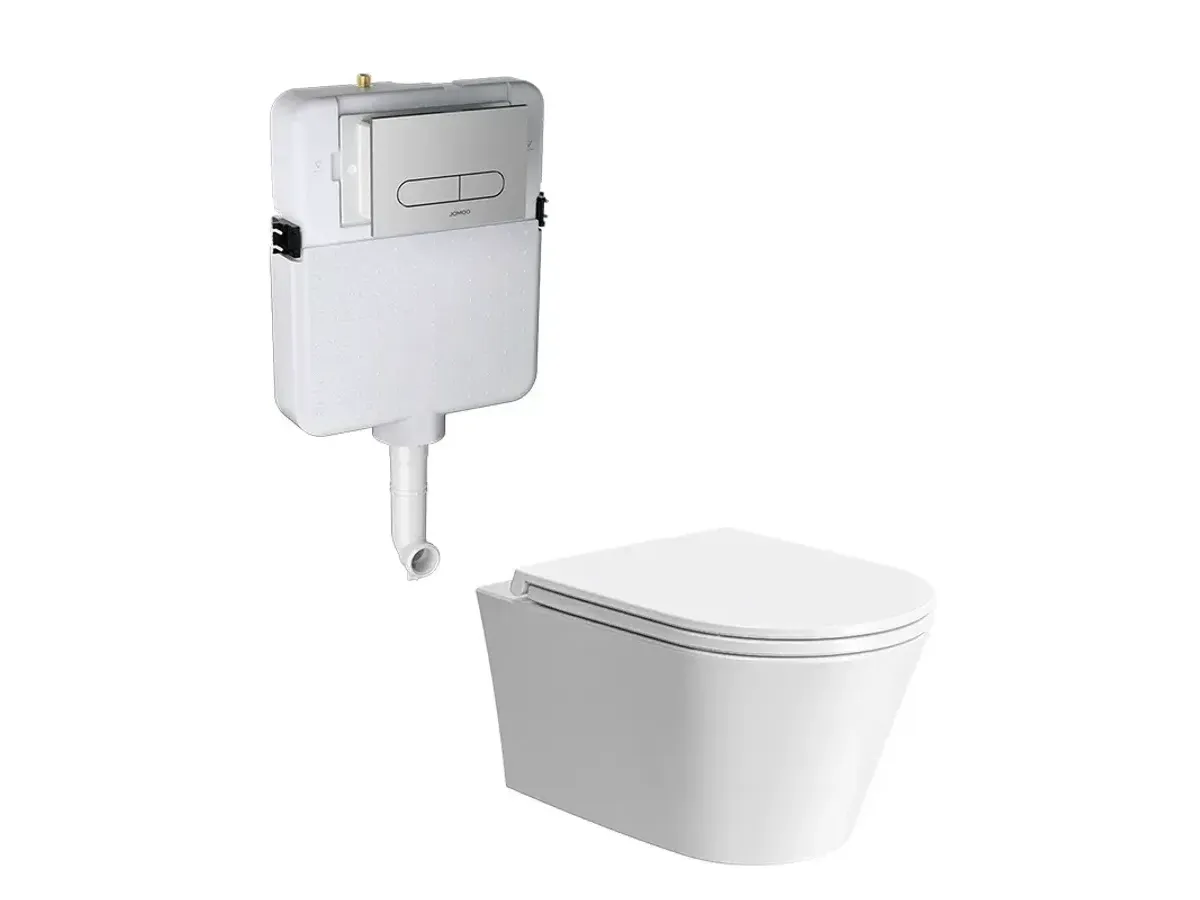
JOMOO Wall-Hung Toilet 02355-00-2, 565 x 375 x 350 mm
565 × 375 × 350 mmWhite JOMOO wall-hung toilet, 565 × 375 × 350 mm, fitted with a concealed cistern.
Order on WhatsAppTZS 2,210,000perset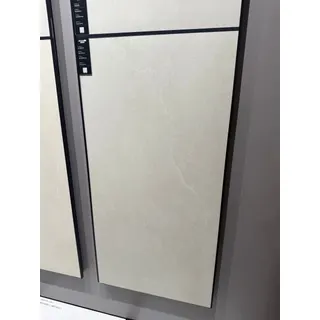
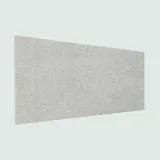
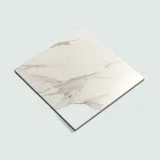
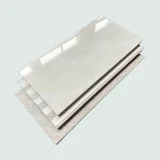
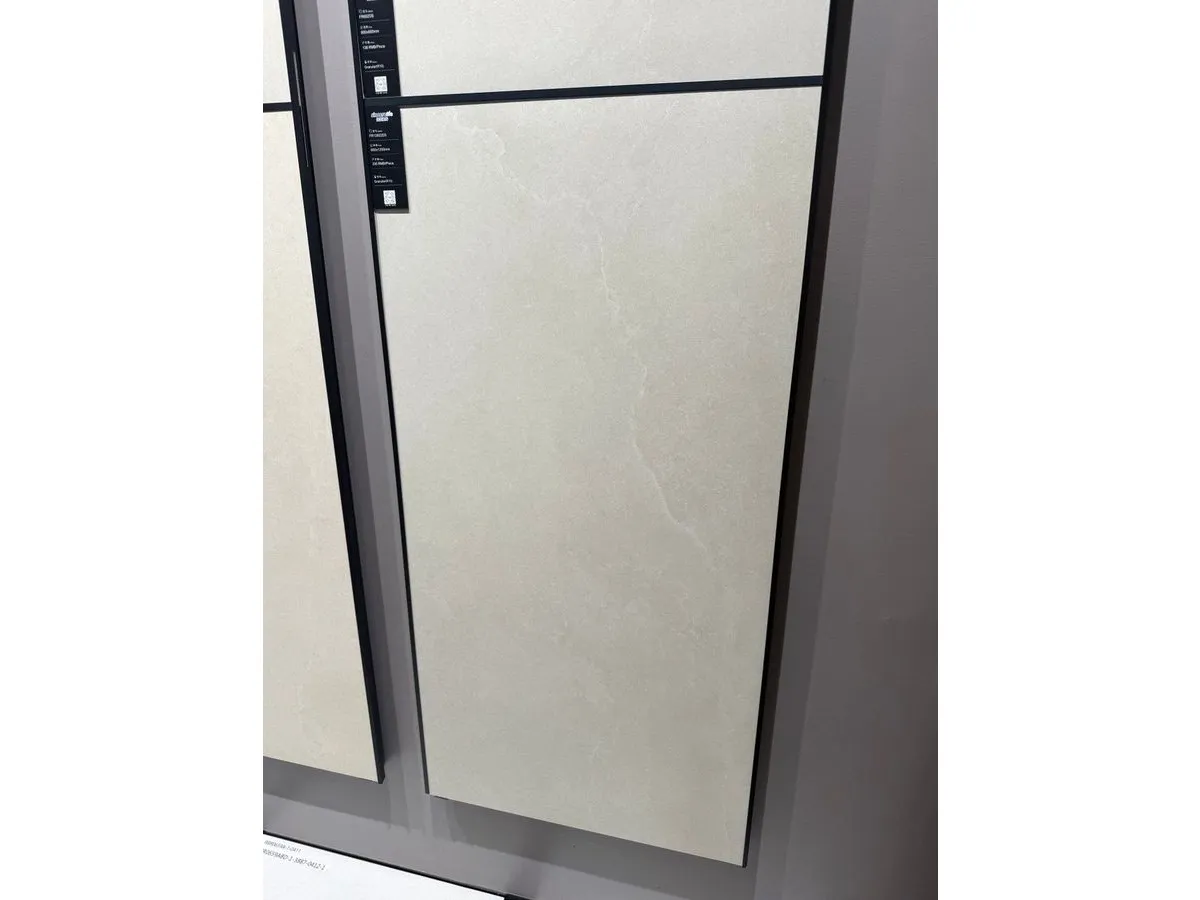
Beige Porcelain Tile 1200x600 mm, Matt Anti-Slip R10
1200 × 600 mmR10Matt R10 anti-slip porcelain for bathroom floors and walls.
Order on WhatsAppTZS 49,680pertile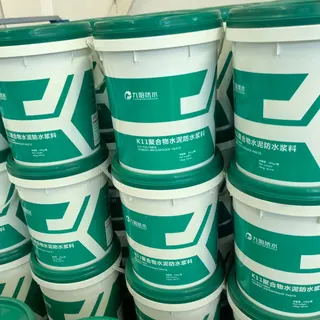
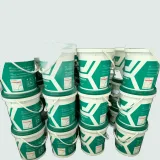
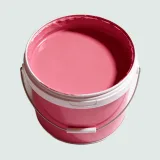
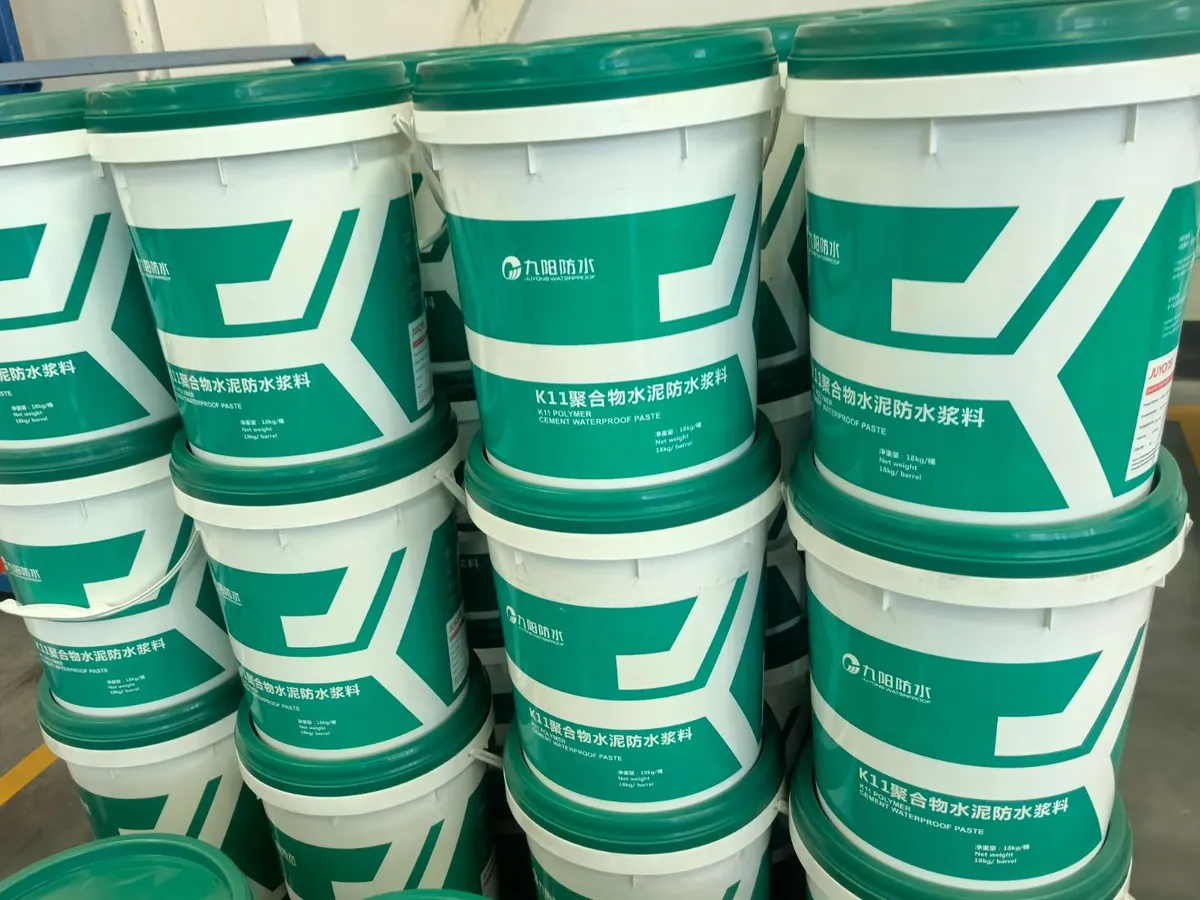
K11 Polymer Cement Waterproof Coating (Two-Component)
18 kg/barrelWaterproofs the bathroom floor and walls before tiling.
Order on WhatsAppTZS 155,000perbucket
What a bathtub is made of
A bathtub, or bath tub, holds water for washing the whole body. Dimensions.com lists the usual materials as ceramic, porcelain-enamelled cast iron, cast acrylic and fibreglass-reinforced polyester. Before placing a tub on an upper floor, ask for its empty weight and add the weight of the water it holds.
Types of bathtubs
The same source groups bath tubs by how they are installed:
| Type | How it is installed | Space it needs |
|---|---|---|
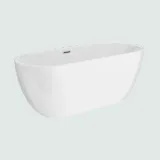
| Freestanding | stands alone on the floor or on feet, finished on all sides | room on every side for cleaning |
| Alcove (built-in) | fitted between three walls, one finished side | a recess the length of the tub |
| Drop-in | set into a built deck, rim on top | deck around the tub |
| Undermount | fixed under a deck or stone top | a cut and finished top |
| Corner | shaped to fit a corner | two walls at 90° |
| Whirlpool | any of the above with jets | power and a pump access panel |
| Walk-in | a door in the side for easy entry | a seat and a sealed door |
In a small room, a modern bathtub of the built-in or corner type uses the walls and leaves more floor free.
How much water a bath uses
Dimensions.com puts a standard bathtub’s capacity at about 302 litres and the water used for one bath at 132–189 litres. If a house draws on a roof tank, check that the tank and water heater can deliver that volume at once. A water heater sized for showers may not fill a bath with hot water.
Jacuzzi bath and whirlpool tubs
Jacuzzi is a brand name that has become the common word for a jetted bath. The Jacuzzi range uses jets placed along the body to move water while you sit in it; its ARGA model, for example, is listed at 175 × 85 cm. A jacuzzi bath needs an electrical supply for the pump, an access panel for servicing, and a drain that can empty the extra water.
Floor and walls around the bath
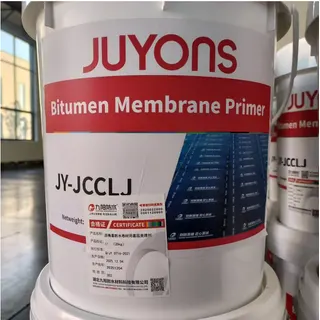
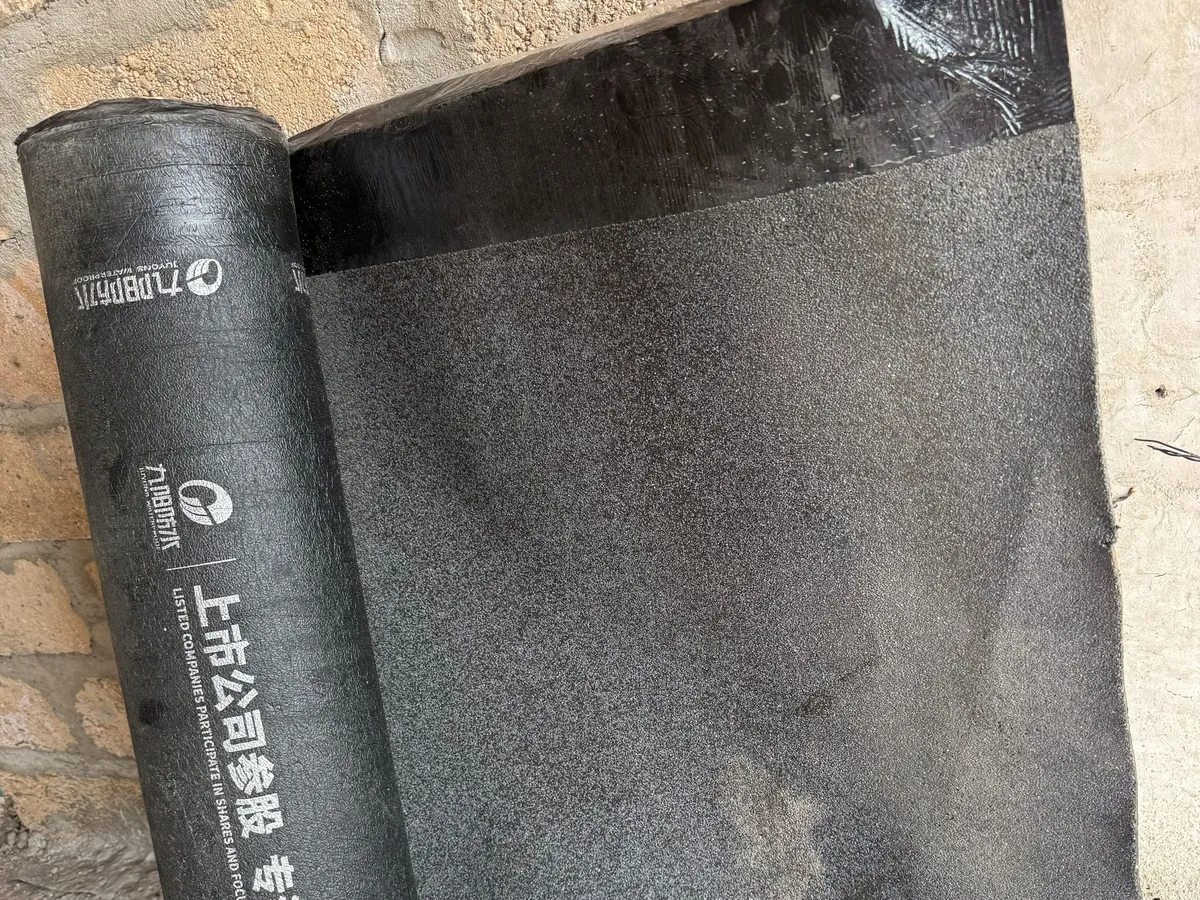
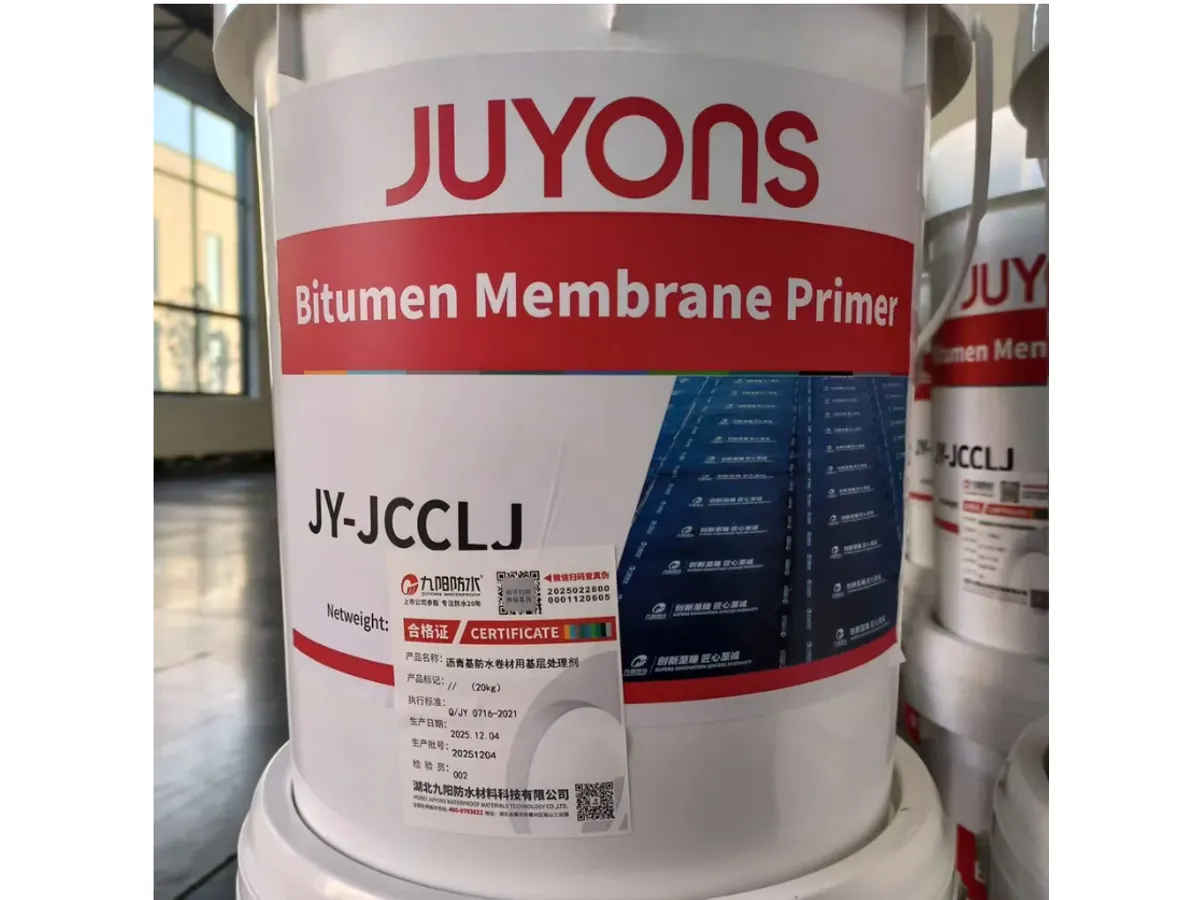
A bath is the wettest corner of a bathroom, so the floor and the walls next to it are sealed before tiles go on. JUYONS, the maker of K11 Polymer Cement Waterproof Coating, lists toilets and bathrooms among its uses and says tiles can be laid straight onto the cured coat. The matt R10 surface of our beige 1200 × 600 mm porcelain tile is graded for anti-slip, which matters on a floor that gets splashed. Kitovu keeps both in Zanzibar.
What to check and what changes the bathtub price
- Size: length, width and depth against the room and the door you carry it through.
- Material: acrylic, fibreglass, ceramic or cast iron.
- Installation type and which side is finished.
- Where the waste and overflow sit, compared with your drain.
- For jetted tubs, the pump, power supply and access panel.
Bathtub price in Tanzania depends on these same points: material, size, installation type and jets. This page has no price table yet. For other bathroom fixtures, see sanitary ware; for the soap dishes, towel rails and shelves around a bath, see bathroom accessories.
Questions
How much water does a bathtub hold?
Dimensions.com gives about 302 litres (80 US gallons) for a standard bathtub, and 132–189 litres for an ordinary bath, since a tub is not filled to the rim.