















Roofing felt: types, uses and how a roof is felted
Published · Updated
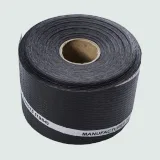
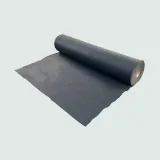
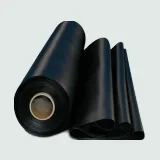
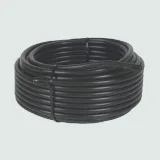
Roofing felt is a base of glass fibre, polyester or cellulose soaked or coated with bitumen and sold in rolls. It is used either as the top covering of light structures such as sheds or as an underlay beneath shingles. IKO's UK shed felt comes in 1 m wide rolls of 8 or 10 m.
In stock in Zanzibar
See all 11 products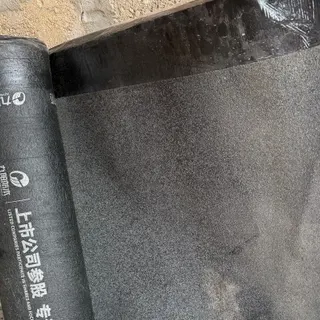
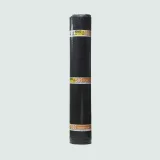
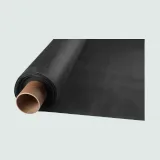
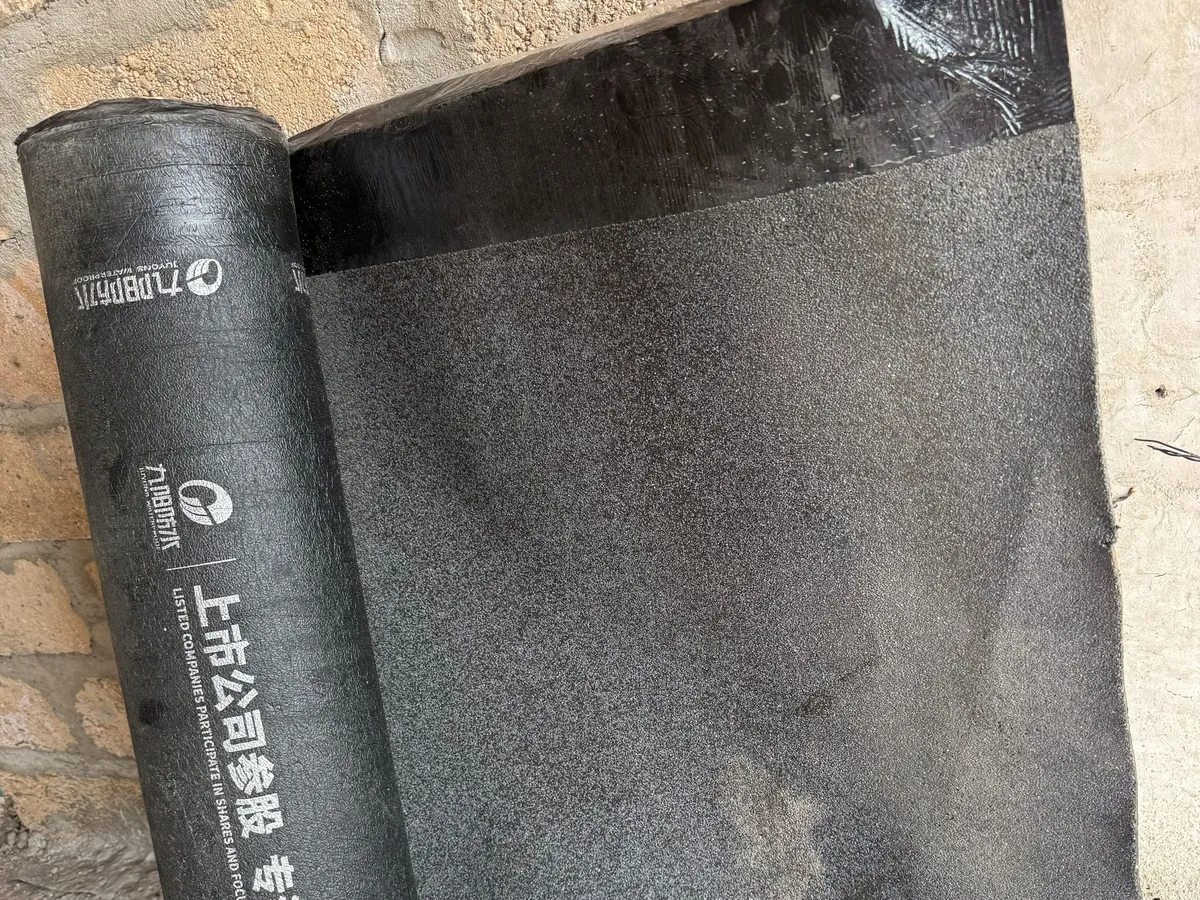
APP Torch-On Waterproofing Membrane, Mineral Finish
3 mm, 4 mmTorch-on APP roll with a mineral top for flat roofs and terraces.
Order on WhatsAppTZS 192,000perroll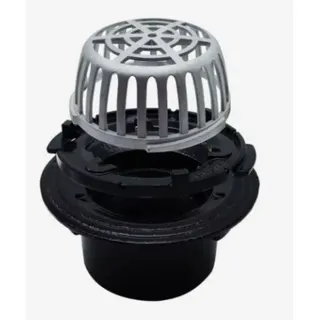
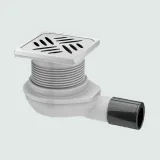
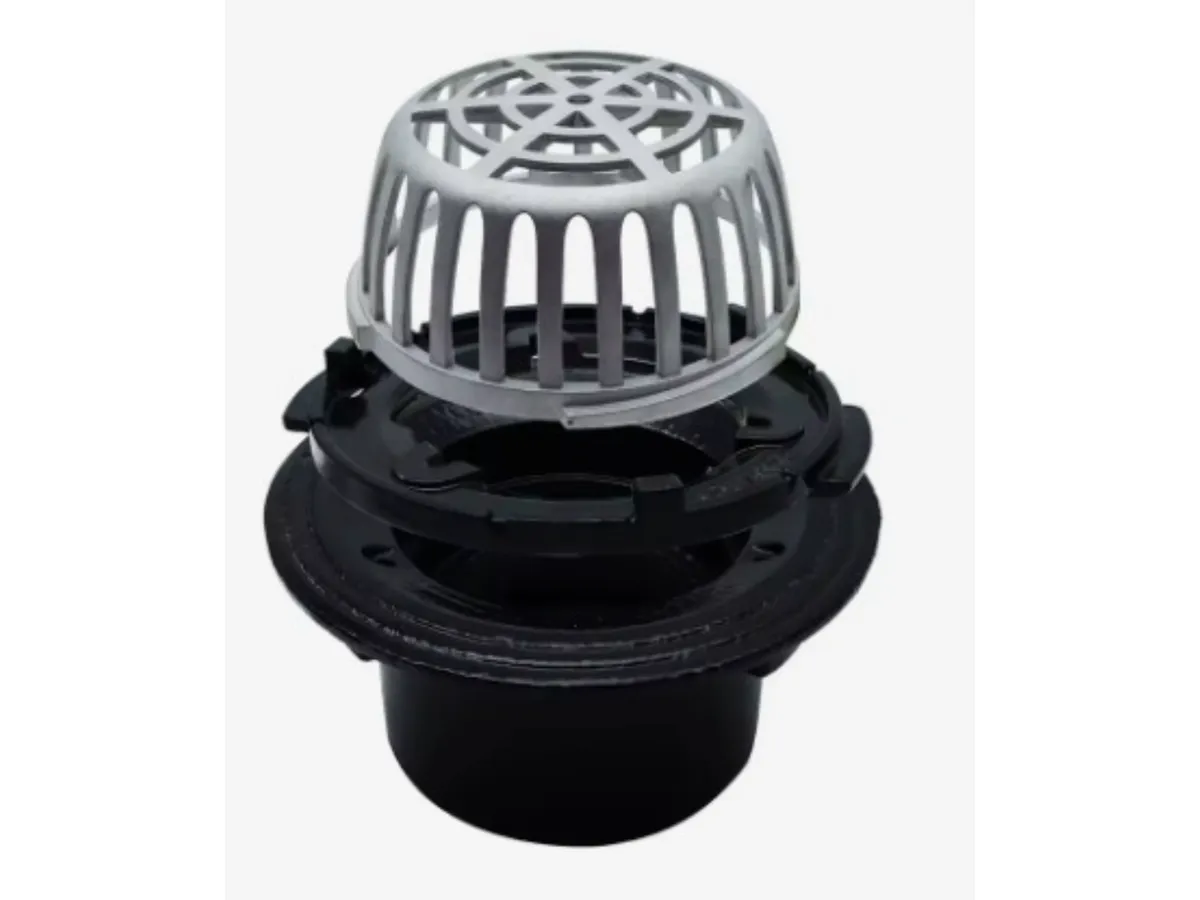
Flat Roof Drain with Dome Strainer for 110 mm Pipe
For 110 mm pipeOutlet for flat roofs and terraces, with a dome strainer, for 110 mm pipe.
Order on WhatsAppTZS 159,900perpiece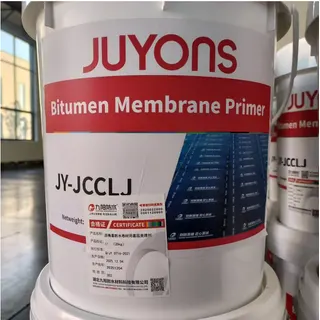
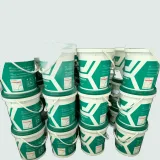
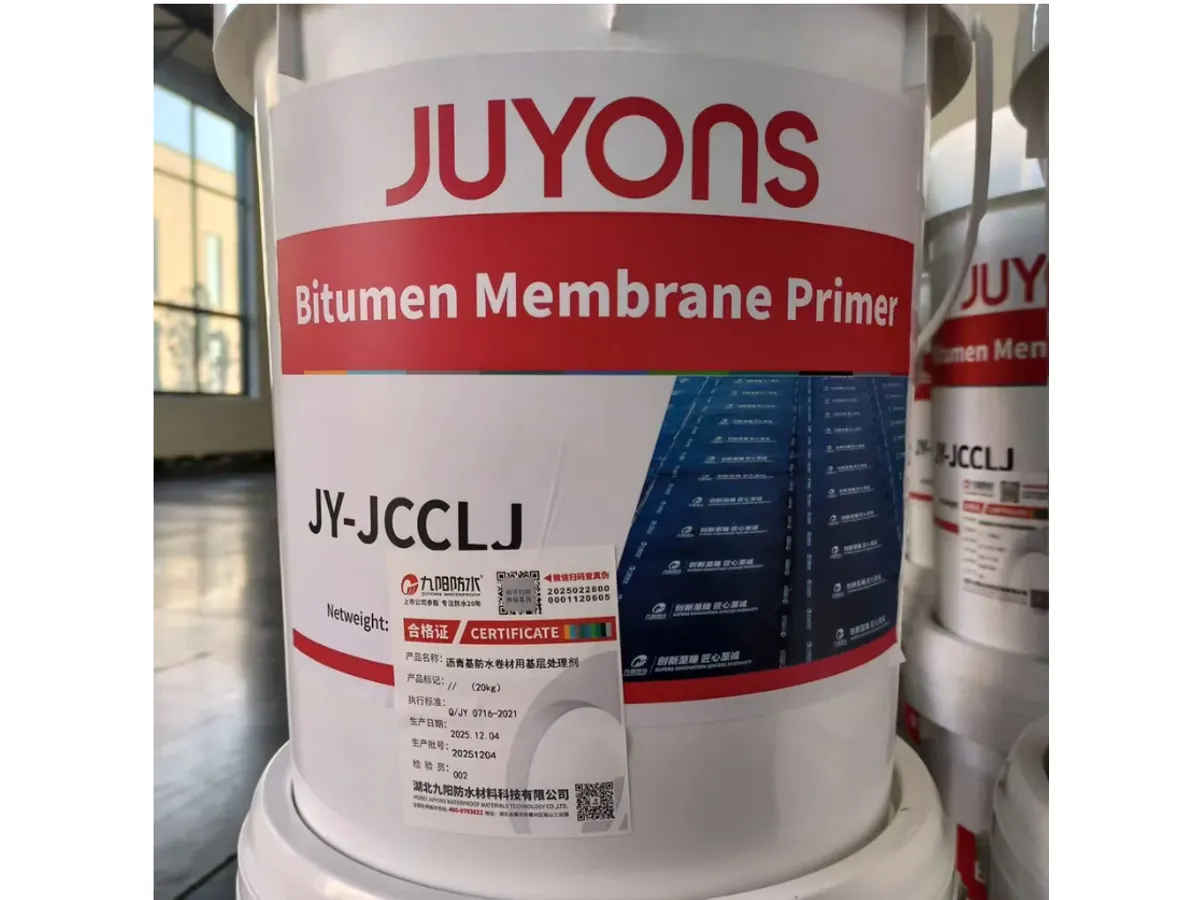
Water-Based Bitumen Primer for Waterproofing Membranes
20 kgBrushed on the roof deck before a bitumen membrane is laid.
Order on WhatsAppTZS 126,240perbucket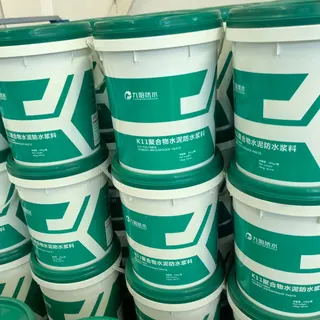
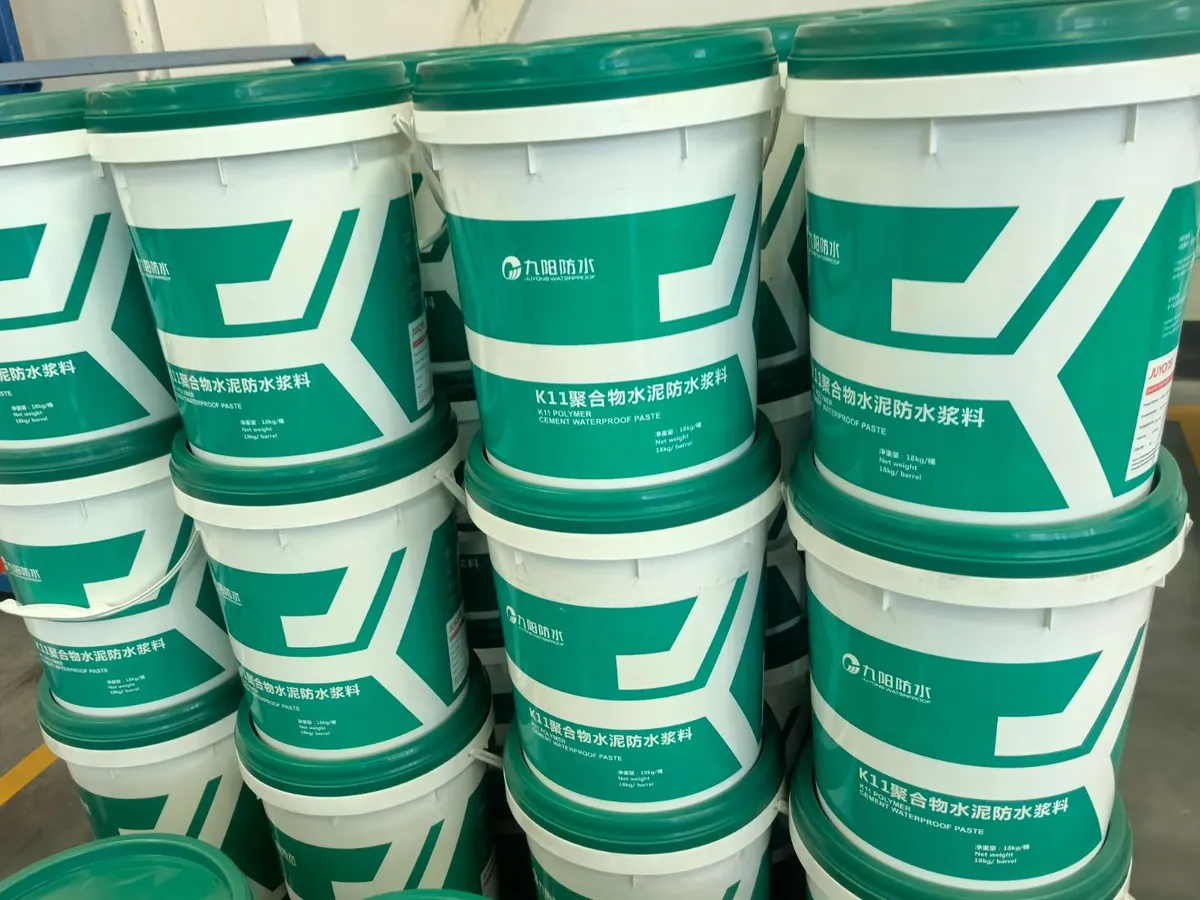
K11 Polymer Cement Waterproof Coating (Two-Component)
18 kg/barrelOrder on WhatsAppTZS 155,000perbucket
What roofing felt is
IKO’s North American guide describes roofing felt as a base — natural, such as wood cellulose, or synthetic, such as glass fibre or polyester — coated or saturated with bitumen. The IKO UK Shed Felt data sheet (December 2018) lists a glass-fibre carrier, bitumen and a fine mineral finish.
The same word covers two jobs. In the UK, “shed felt” is the top covering of a garden building, nailed in strips. In North America, IKO’s guide to roofing felt uses the word for the underlay laid on the roof deck beneath asphalt shingles. “Roof felting” is simply the act of laying either one.
Roofing felt types compared
| Type | Where it goes | Figures in the maker’s document |
|---|---|---|
| Shed felt | single top layer on non-habitable structures with a pitch of 20° or more | 1 m × 8 m or 10 m; roll weight 15 kg or 18.75 kg; glass-fibre carrier; life expectancy up to 5 years |
| No. 15 felt underlay | one layer under shingles on steeper roofs | named after its historic weight, 15 lb per 100 sq ft (about 0.73 kg/m², our calculation) |
| No. 30 felt underlay | one or two layers under shingles; considered for slopes of 2:12 to 4:12 | historic weight 30 lb per 100 sq ft (about 1.46 kg/m², our calculation) |
| Torch-on cap sheet | exposed top layer of a two-layer flat roof | 1 m × 10 m at 4 kg/m², mineral finish |
Our calculation from the IKO figures: a 10 m roll of shed felt weighing 18.75 kg carries about 1.9 kg per m² — under half the 4 kg/m² of the torch-on cap sheet in the last row. The two are also sold for different roofs: the shed felt for sheds pitched at 20° or more, the cap sheet as the top layer of a two-layer flat roof. Torch-on sheets are covered on the APP bitumen membrane page.
Felt as an underlay
Under shingles, felt is not the main barrier but the second line. IKO lists what it does: it lets wind-driven rain that gets under the shingles drain off, protects the deck while the roof is being built, evens out small irregularities in the boards, and stops resin from some timbers staining the shingles. IKO also notes that shingles are fire-rated on a test deck with felt underlay in place, so leaving it out may affect a Class A rating.
On water, IKO is direct: felt sheds water, but it does not have the low moisture permeability of synthetic underlays. On low slopes of 2:12 to 4:12 it may be bonded at laps with roofing felt adhesive; otherwise it is fixed with nails or staples, as the product instructions specify.
How a shed roof is felted
These are the steps in the IKO UK Shed Felt data sheet, quoted in order. The sheet asks for work in dry weather, ideally above 10°C, on a sound, clean, dry deck with old felt removed and protruding nails knocked in.
- Unroll the felt on a clean, flat surface at least 30 minutes before fitting.
- Lay the first strip along the lowest part of the roof, overhanging the eaves and the gable edges by 50 mm.
- Nail its top edge with galvanised clout nails at 500 mm centres.
- Fold the overhangs over the roof edges and nail them at 50 mm intervals.
- Lay each next strip with a 75 mm overlap on the one below and 50 mm overhang at the gables, fixed the same way.
- Spread roofing felt adhesive across each overlap, press the sheets together and nail the joint at 50 mm intervals.
- Cut a 300 mm wide capping strip for the ridge, bond it with adhesive, dress it down both slopes with 150 mm overlaps and nail its lower edges at 50 mm intervals.
- Finish with timber strips fixed along the gable ends.
Our calculation for an apex shed with two slopes of 2.4 m × 3 m: about 14.4 m² of roof, so two 10 m rolls once the 75 mm laps and the ridge strip are allowed for.
Shed felt is not a flat-roof system for a house
IKO limits its shed felt to non-habitable structures with a pitch of at least 20° — sheds, kennels and hutches — and gives a life expectancy of up to 5 years. A concrete flat roof over living space falls outside both limits. That roof needs a membrane system built for it, such as a two-layer torch-on build-up or a liquid membrane; the choices are laid out on the waterproofing membrane page. For such a roof Kitovu stocks the APP Torch-On Waterproofing Membrane, Mineral Finish in Zanzibar. Whatever the covering, the water it collects has to leave the roof, which is the job of the outlets described under roof drains.
What to check when you buy roofing felt
- The use printed on the label. Shed felt, underlay and torch-on cap sheet are different products; the IKO sheet states pitch and building type for its shed felt.
- Roll size and weight. Weight per roll divided by roll area gives the mass per m², the simplest way to compare two felts.
- Carrier. Glass fibre in IKO’s shed felt; polyester or cellulose in other felts. The label should say which.
- Finish. A mineral finish for an exposed top layer; plain felt underlay is meant to be covered.
- Storage. IKO asks for rolls to be stored on end, on a firm, level, clean base, out of direct sunlight.
Questions
Is roofing felt waterproof?
It sheds water. IKO notes that felt underlay helps water drain off the roof but does not have the low moisture permeability of synthetic underlays. As a top covering, IKO's shed felt is sold for non-habitable structures such as sheds, with a stated life expectancy of up to 5 years.
How much roofing felt do I need?
IKO's advice: divide the roof area by the area of one roll from the label and add about 10% for waste. By our calculation, a 1 m × 10 m roll laid with 75 mm laps covers about 9.25 m² of roof.