













































































































Screws and the screw driver that fits them: types and drives
Published · Updated
Choose the screw driver by the recess in the screw head. Stahlwille, a German tool maker, warns that Phillips (PH) and Pozidriv (PZ) tools are not compatible and that the wrong one damages the head; the common sizes run from PH0 to PH3 and from PZ0 to PZ4.
In stock in Zanzibar
See all 11 products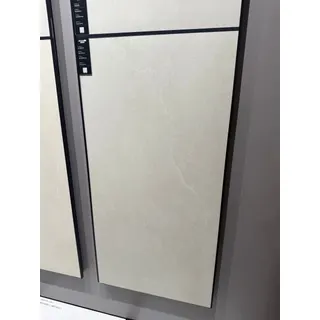
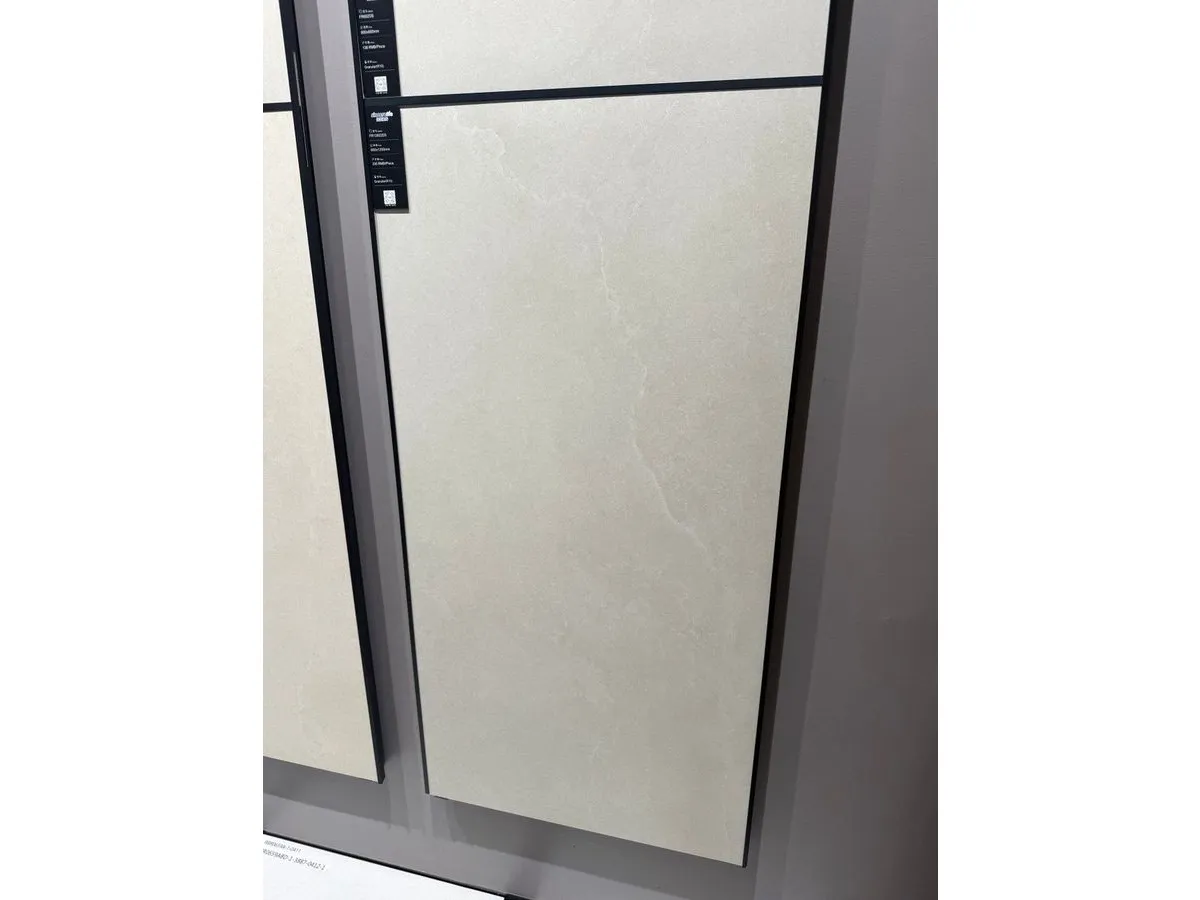
Beige Porcelain Tile 1200x600 mm, Matt Anti-Slip R10
1200 × 600 mmR10Order on WhatsAppTZS 49,680pertile
K11 Polymer Cement Waterproof Coating (Two-Component)
18 kg/barrelOrder on WhatsAppTZS 155,000perbucket






Match the screw driver to the drive
The recess or shape on top of the head is the drive, and it decides which screw driver or bit you need. Stahlwille’s guide to screw drives describes the main ones:
- Slotted. The traditional single slot. It is hard to centre the blade, and the tool slips out easily.
- Phillips (PH). A cross that centres the tip, but its tapered flanks push the tool out under torque, which is called cam-out. Common sizes are PH0 to PH3.
- Pozidriv (PZ). A cross with parallel flanks and small extra notches between the arms. Common sizes are PZ0 to PZ4.
- Torx (TX). A six-lobed star. Stahlwille notes there is no axial force and no cam-out.
- Hex socket and external hex. Sized across flats; external hex heads are turned with a spanner or socket.
A Phillips screw and a Pozidriv screw look alike, but Stahlwille is clear that the tools are not compatible and that using the wrong one damages the fastener head. Check the marking on the screw bits: PH and PZ bits of the same number are different tools.
Types of screws
The thread and point, not the head, decide what a screw can go into. Most types of screws fall into a few families:
| Type | What it is | Where it goes |
|---|---|---|
| Wood screws | sharp point and coarse thread; round or flat head for a flush finish | wood, also plastic |
| Coach screws (lag screws) | large wood screws with a sharp point, coarse thread and usually a hex head for more torque | beams, posts, outdoor fixings, a trellis on a brick wall |
| Self-tapping screws | cut their own thread in a pre-drilled hole | sheet metal, plastic, wood |
| Self-drilling screws (tek) | drill-shaped tip that makes the hole and then the thread | steel and aluminium sheet, metal to timber |
| Concrete screws | heat-treated carbon steel with a hardened tip that cuts its own thread | concrete, driven fully home for maximum load |
| Machine screws | small fasteners chosen by size, thread pitch and head | panels and components; brass, stainless or zinc-plated steel |
The descriptions come from Konnect Fastening Systems’ guide to screw types, Atlas Fasteners and JC Fasteners. A countersunk screw, in Wilson-Garner’s definition, has a head that sits level with the surface once driven; a pan or hex head stays proud. In joinery, screws often work together with PVA wood glue, which holds the joint once it has set.
Self-tapping or self-drilling screws
Self-tapping screws, or self tappers, form a thread but need a hole first. Self-drilling screws drill the hole as well: Atlas describes a tip shaped like a drill bit, so no pilot hole is needed, which suits metal-to-metal and metal-to-wood fixing.
JC Fasteners adds the points that decide whether a self-drilling screw will work:
- The length of the flute, the groove behind the tip, sets the thickness of metal the screw can drill.
- Screws made entirely of 304 or 316 stainless steel cannot be hardened, so they drill only softer metals such as aluminium; bi-metal screws with a carbon steel point drill steel.
- Hex flange heads under DIN 7504 K are used with an EPDM washer for a leak-proof fixing on roofing, for example roofing sheets on a steel frame.
- Winged screws are recommended when fixing wood thicker than 12 mm to metal.
- Drive them with a drill, not an impact driver or hammer drill, to spare the point.
Wall plugs: the Fischer screw fixing
A screw in brick or concrete needs a plug, and many people simply ask for a Fischer screw, after the German maker. Fischer’s SX Plus plug data shows how the parts are matched: the drill size is the plug size, and each plug takes a set range of screw diameters.
| Plug | Drill | Minimum hole depth | Screw diameter |
|---|---|---|---|
| SX Plus 5 × 25 | 5 mm | 35 mm | 3.0–4.0 mm |
| SX Plus 6 × 30 | 6 mm | 40 mm | 4.0–5.0 mm |
| SX Plus 8 × 40 | 8 mm | 50 mm | 5.0 mm (5.0 × 55 mm in the kit) |
Fischer gives the screw length as plug length plus the thickness of the part being fixed plus the screw diameter. A 6 × 30 plug holding an 18 mm board with a 4.5 mm screw therefore needs a screw of at least 52.5 mm (our calculation: 30 + 18 + 4.5). Fischer lists concrete, solid and perforated brick, aerated concrete, natural stone and solid gypsum board among the base materials; for hollow gypsum board partitions, check that the plug is rated for that base.
How screws are measured
Wilson-Garner, a US fastener maker, measures screw length from the flat of the head to the point, so a countersunk screw is measured over its whole length, while the major diameter runs from the crest of the thread on one side to the crest on the other. Screws are sold as diameter × length in millimetres, as in the 5.0 × 55 mm screw in the Fischer kit.
What to check when you buy
- Drive. PH, PZ or TX on the box, and a screw driver or bits to match.
- Thread and point. Wood thread, self-tapping, self-drilling or concrete thread for the material you are fixing into.
- Coating or steel. Zinc-plated carbon steel or stainless; for self-drilling into steel, a hardened or bi-metal point.
- Size. Diameter × length, with the length worked out for the plug and the part being fixed.
- Plugs. A plug sized to the drill and the screw range, rated for the wall you have.
- Nuts and bolts. Konnect stresses the right size and thread pitch for machine screws, so buy screws and nuts together.
Questions
Are tek screws the same as self-drilling screws?
Yes. Atlas Fasteners notes that tek is a brand-derived term used interchangeably with self-drilling screws: screws with a drill-shaped tip that make their own hole, so no pilot hole is needed.
What materials can self-drilling screws be used on?
Atlas Fasteners lists steel, aluminium, thin stainless steel and some composites. JC Fasteners adds that screws made entirely of 304 or 316 stainless steel cannot drill steel, only softer metals such as aluminium, unless they have a carbon steel drill point.