













































































































Earth rod: which type, size and clamp to use
Published · Updated
An earth rod is a metal rod driven into the ground so that fault current from an electrical installation has a path to earth. ABB's Furse catalogue lists copper-bonded steel rods with at least 250 microns of copper in lengths from 1.2 to 3 m, plus solid copper and stainless steel rods.
In stock in Zanzibar
See all 11 products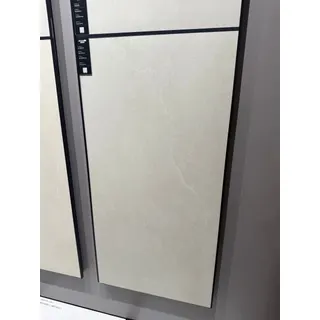
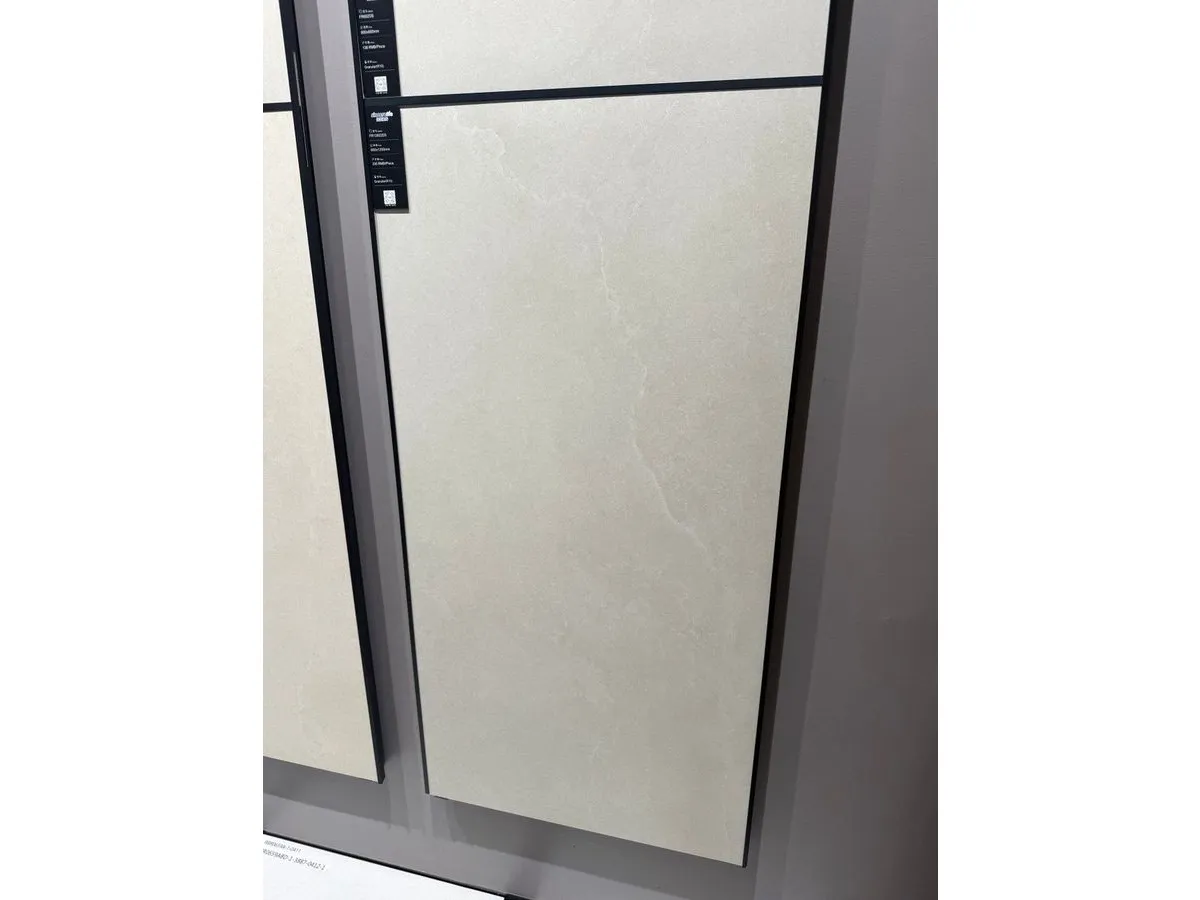
Beige Porcelain Tile 1200x600 mm, Matt Anti-Slip R10
1200 × 600 mmR10Order on WhatsAppTZS 49,680pertile
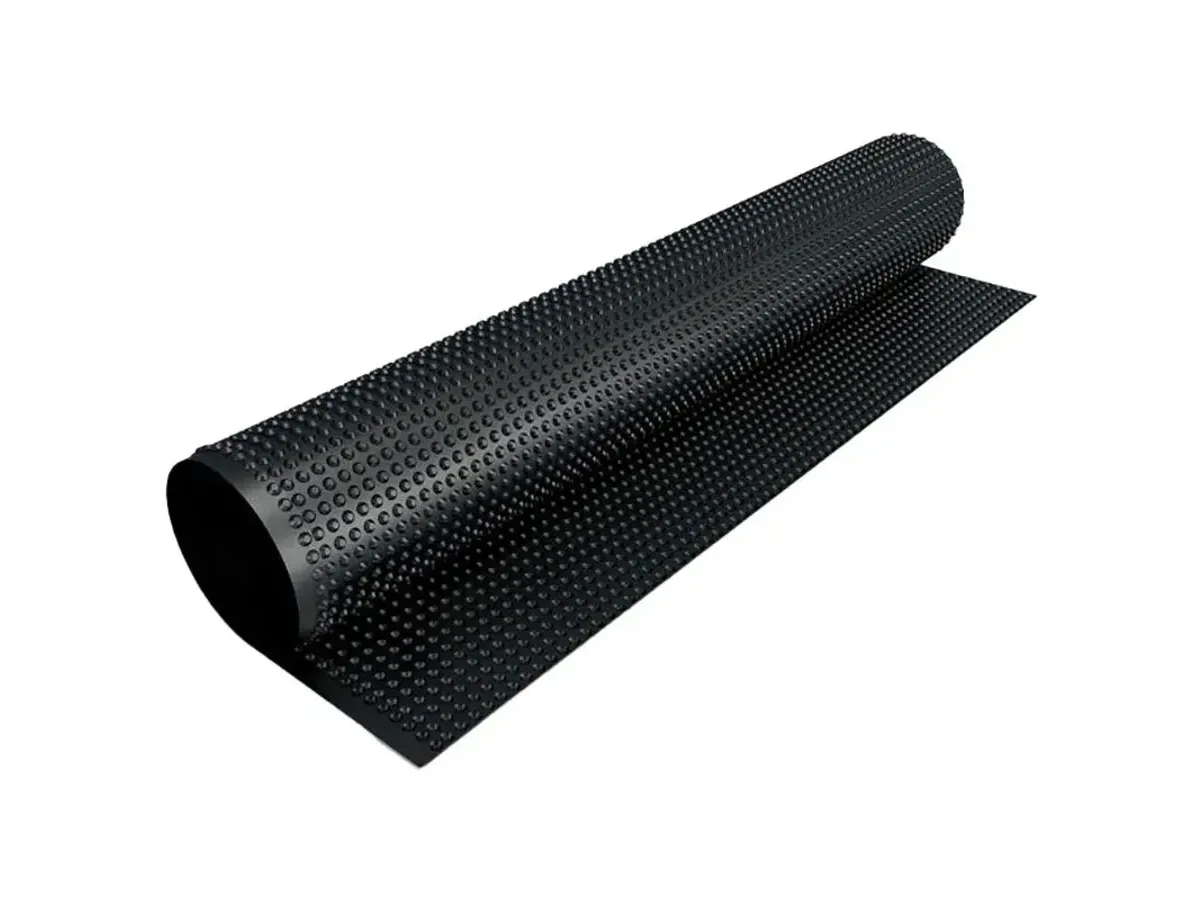
K11 Polymer Cement Waterproof Coating (Two-Component)
18 kg/barrelOrder on WhatsAppTZS 155,000perbucket




What an earth rod does
An earth rod is the most common form of earth electrode: the buried metal that connects the main earthing terminal of a building to the soil. The UK wiring regulations, BS 7671, also accept tapes, plates and the welded reinforcement of concrete — the steel rebar in a foundation — as electrodes, according to the IET’s guide to TT earthing.
For rod earthing, depth decides most of the result. The IET names installation depth as the main factor in a rod’s resistance to earth and advises driving it deep enough to reach the water table, so that it still works when the topsoil dries out.
Types and sizes of earth rod
ABB’s Furse earth electrode catalogue sells three kinds of earthing rod:
| Type | Build | Diameters | Lengths | Where the catalogue places it |
|---|---|---|---|---|
| Copper-bonded steel | high-tensile low-carbon steel core, 99.9% copper bonded on, at least 250 microns | 12.7, 14.2, 17.2 mm (1/2, 5/8, 3/4 inch nominal) | 1,200–3,000 mm | general earthing; can be driven deep with a power hammer |
| Solid copper | copper throughout | 15, 20, 25 mm | 1,200–3,000 mm | very aggressive soils, such as ground with a high salt content |
| Stainless steel | stainless throughout | 16, 20 mm | 1,200–3,000 mm | where other buried metals nearby would cause galvanic corrosion |
Weights give a sense of scale: a 14.2 mm copper-bonded rod 1,200 mm long weighs 1.53 kg, and a 17.2 mm rod 2,400 mm long weighs 4.35 kg, per the same catalogue.
Copper earth rod or 16 mm stainless
A copper earth rod in shop listings can mean either a copper-bonded steel rod or a solid copper one. Furse’s copper-bonded rods are not sheathed — the copper is bonded to the steel — and the high-tensile core is what lets them take power-hammer driving. The catalogue keeps solid copper for salty or chemically harsh ground.
A “16 mm earth rod” may be a true 16 mm rod or a 5/8 inch one, since 5/8 inch is 15.9 mm (our calculation: 0.625 × 25.4). Check the catalogue size before buying clamps: the Furse 5/8 inch copper-bonded rod measures 14.2 mm, while its stainless rod is a true 16 mm.
Couplings, driving heads and earth rod clamps
Rods are joined end to end to go deeper. Furse makes its couplings from a high-copper alloy rather than commercial brass, and its driving studs and spikes from hardened steel; two 1,200 mm rods with one coupling make an 8 ft (2,440 mm) electrode.
The cable from the building is fixed to the top of the rod by a mechanical earth rod clamp, a compression fitting or exothermic welding, the catalogue says. Buy the earth rod and clamp as a pair sized to the same diameter, and leave the joint reachable — Furse sells inspection pits for this, with lids rated 1,200 kg (concrete) and 5,000 kg (polymer). On a TT supply, the earthing system that earths the steel armour of an armoured cable through its gland ends at this rod.
Resistance: the 200 Ω mark
Note 2 to Table 41.5 of BS 7671, quoted by the IET, says that an electrode resistance above 200 ohms may not be stable. On a TT supply, where the rod is the installation’s only earth, the IET adds that an RCD must provide shock protection. These are UK figures, given as a reference point rather than as Tanzanian requirements.
Where the reading stays high, Furse offers bentonite backfill — a sodium-activated clay that swells when wet and holds moisture around the rod — and a conductive concrete mix that widens the electrode’s contact with the soil.
Questions
What is an earth electrode?
It is the part of an earthing system buried in the ground. Regulation 542.2.2 of BS 7671, as summarised by the IET, accepts rods or pipes, tapes or wires, plates and the welded reinforcement of concrete, among others.