



































Gutters
Published · Updated
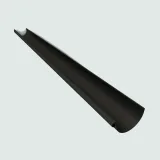
Gutters are channels along the eaves that collect rain from a pitched roof and lead it to downpipes. Wavin's Osma manual lists a 112 mm half-round PVC-U gutter with a 68 mm downpipe as its standard domestic system, and Marley's Alutec guide fixes brackets at 1 m centres to a fall of 1:600. Flat roofs drain through outlets instead.
In stock in Zanzibar
See all 11 products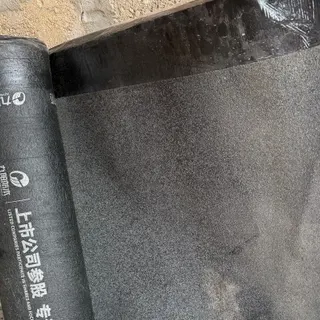
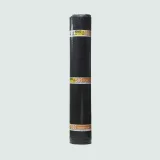
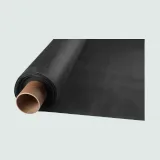
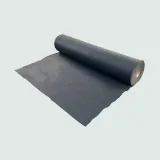
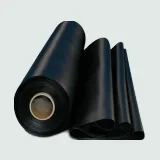
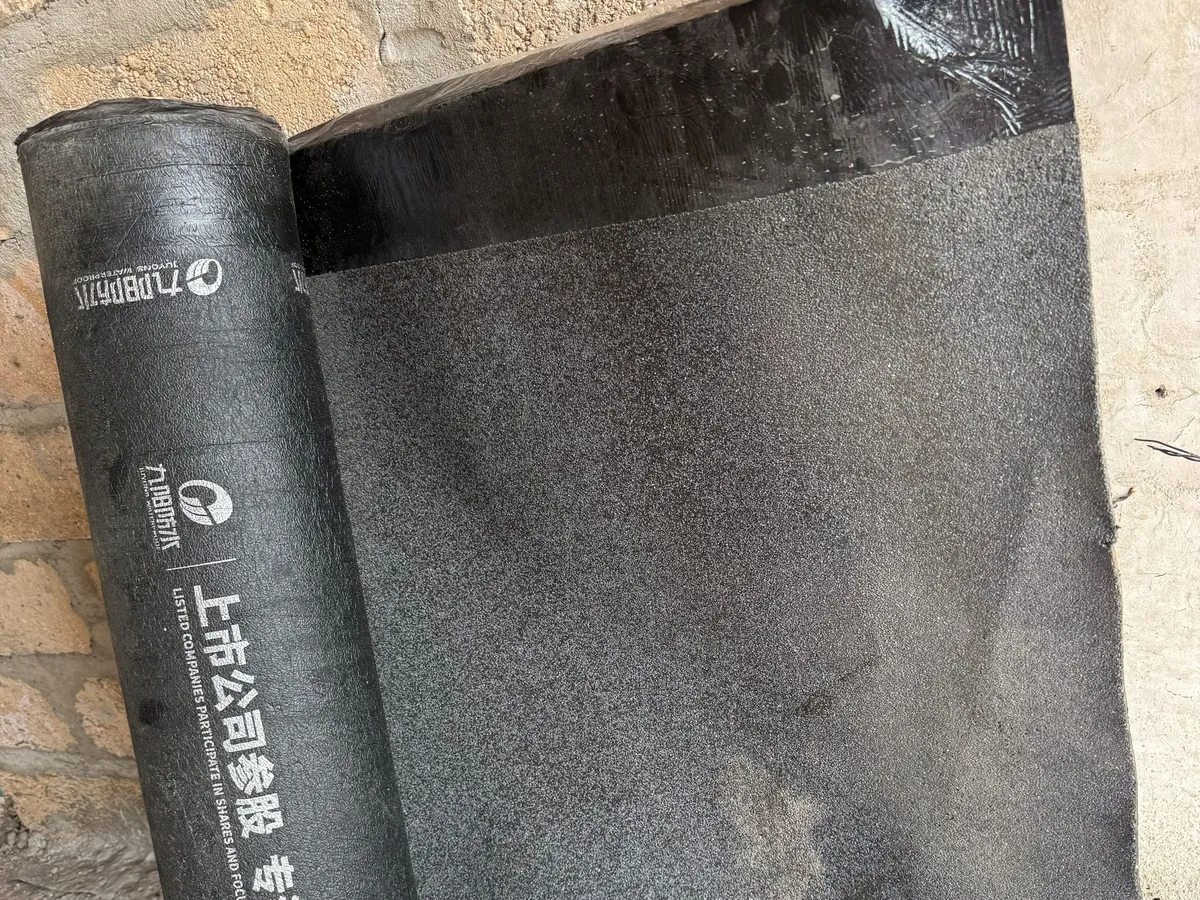
APP Torch-On Waterproofing Membrane, Mineral Finish
3 mm, 4 mmTorch-on APP roll with a mineral top for flat roofs and terraces.
Order on WhatsAppTZS 192,000perroll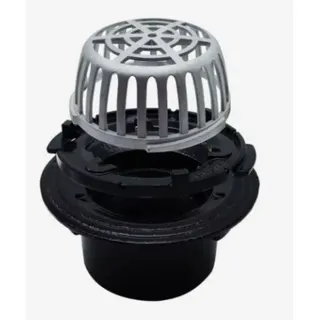
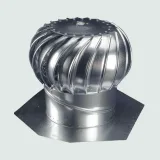
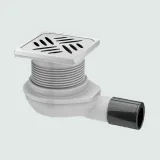
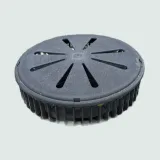
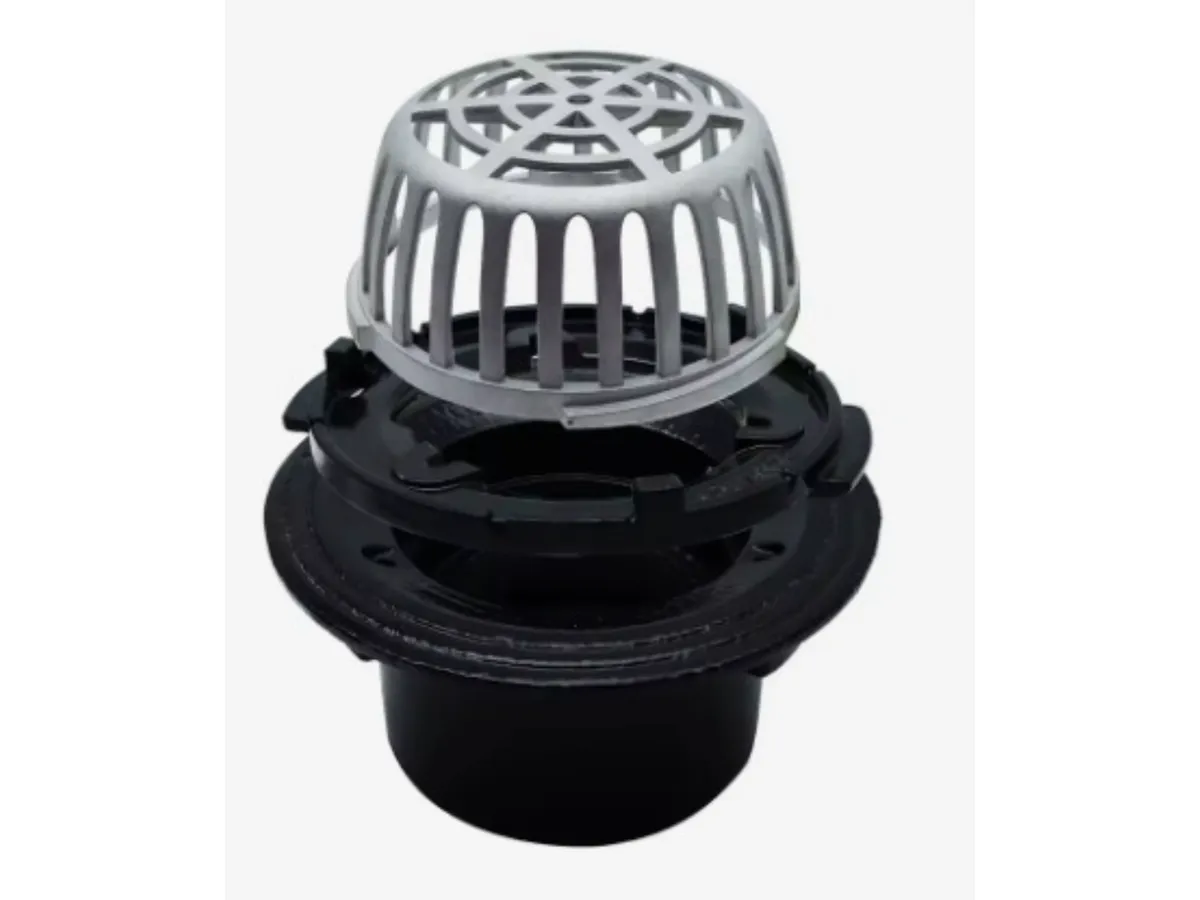
Flat Roof Drain with Dome Strainer for 110 mm Pipe
For 110 mm pipeOutlet for flat roofs and terraces, with a dome strainer, for 110 mm pipe.
Order on WhatsAppTZS 159,900perpiece
Water-Based Bitumen Primer for Waterproofing Membranes
20 kgBrushed on the roof deck before a bitumen membrane is laid.
Order on WhatsAppTZS 126,240perbucket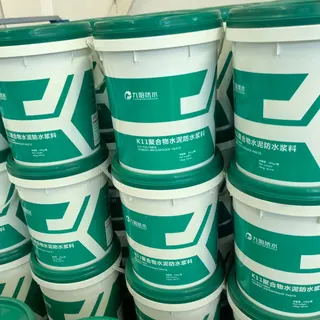
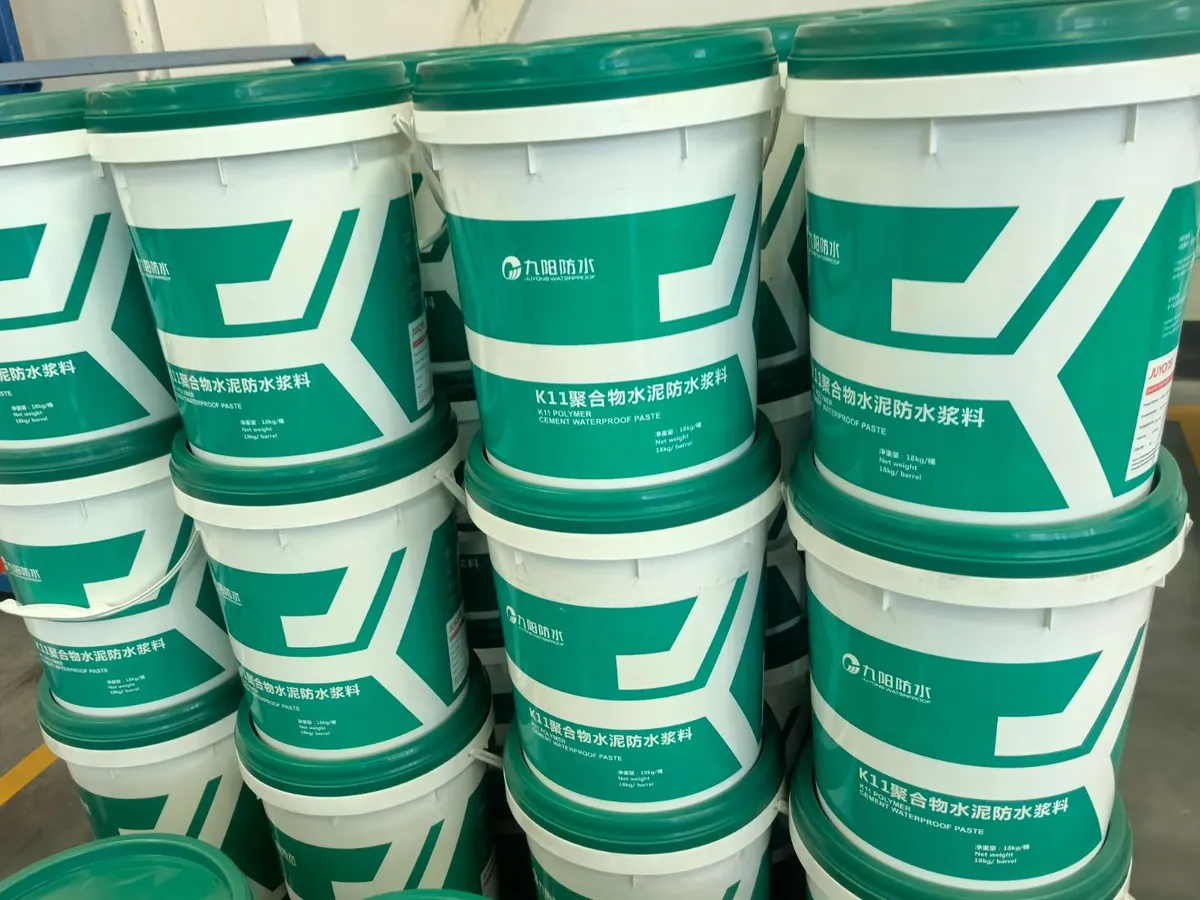
K11 Polymer Cement Waterproof Coating (Two-Component)
18 kg/barrelOrder on WhatsAppTZS 155,000perbucket

What gutters do
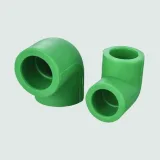
Rain gutters run along the lower edge of a sloping roof, catch the water before it pours off the eaves, and carry it to one or more downpipes. Without them, water falls straight down onto walls, footings and the ground beside the house. Gutters, downpipes and the fittings between them — corners, outlets, stop ends and pipe bends — are sold as one rainwater system by each maker.
Gutter profiles and materials
The Wavin Osma rainwater manual, for PVC-U systems made to BS EN 607, sets out six gutter profiles:
| Profile | Size | Use given by Wavin |
|---|---|---|
| Half-round (RoundLine) | 112 mm | domestic |
| Square section (SquareLine) | 100 mm | domestic |
| Ogee (StormLine) | 111 × 76 × 97 mm | domestic |
| Semi-elliptical (DeepLine) | 113 mm | domestic, high capacity |
| Half-round (SuperLine) | 125 mm | industrial and commercial |
| Half-round (RoofLine) | 150 mm | industrial and commercial |
Downpipes in the same range are 68 mm round, 61 mm square or 110 mm. Wavin lists four of its six PVC gutter profiles for houses; Marley’s Alutec range is aluminium, and its half-round installation guide asks for cut edges to be deburred and touched up with paint. Choose square guttering, half-round or ogee by the roof area each profile drains first, then by look.
Where two roof slopes meet in an inside corner, water runs down a valley. On sheet roofs that valley is lined with a folded metal valley piece; ALAF, the Tanzanian sheet maker, sells valleys to match its sheets — see roofing sheets.
Sizing gutters and downpipes to the roof
Roof gutters are sized to the area of roof they drain. Wavin’s simplified method:
- Measure the plan area of the roof slope that drains to the gutter (length × depth on plan).
- Multiply by a roof pitch factor: 1.29 for a shallow pitch of about 30°, 1.50 for about 45°, 1.87 for about 60°.
- Compare the result with the system’s maximum effective roof area.
Wavin’s own example: a slope 5 m by 12 m on plan is 60 m²; at 30° pitch the effective area is 60 × 1.29 = 77.4 m². The manual adds that a system drains less if the gutter is laid level instead of to a fall, if the run turns a corner, or if the outlet sits at the end of the run rather than in the middle.
Fixing gutters: fall, brackets, joints
The Marley Alutec guide gives these steps for a half-round gutter:
- Set the gutter height with a straight batten laid on the lowest edge of the roof, so that run-off falls into the gutter rather than over it.
- Fix fascia brackets at 1 metre centres, to a fall of 1:600 for best flow, or nominally level.
- At every gutter corner, fix brackets no more than 150 mm from each side of the angle.
- Seal the joints and leave a 3 mm expansion gap where the gutter ends meet inside a joint.
Wavin counts brackets per 4 m length of PVC gutter: three when the joints are made with jointing brackets, four when they are made with unions — more where loads are heavy. A fall of 1:600 means 1 cm drop for every 6 m of gutter (our calculation). In Tanzania, ALAF’s online shop lists separate top and bottom gutter brackets, 1.2 mm and 1.9 mm thick.
Downpipes and outlets
Each gutter run empties through an outlet into a downpipe. Wavin fixes one pipe bracket for every 2 m of downpipe and gives typical downpipe lengths of 5.5 m for a two-storey house and 2.75 m for a bungalow. Marley starts fitting the downpipe at the gutter outlet and works down, with a pipe clip beside every bend and branch. Where the water goes at the foot of the pipe — a drain, a soakaway or a tank — is covered on the drainage pipes page.
Flat roofs: outlets instead of gutters
A flat concrete roof or terrace has no eaves gutter. Water runs across the slab to a low point and leaves through a roof outlet set into the waterproofing. Wavin’s manual lists domed roof outlets for flat roofs in 82 mm and 110 mm sizes, rated for roof areas up to 143 m² and 209 m² respectively with one downpipe.
Kitovu keeps a Flat Roof Drain with Dome Strainer for 110 mm Pipe in stock in Zanzibar: a body with a round flange, a fixing ring, a dome strainer and a sealing gasket on the outlet. The flange is laid into the roof waterproofing and the ring clamps the membrane; the supplier data do not say which membranes it suits. For a torch-on roof, the APP Torch-On Waterproofing Membrane, Mineral Finish is also held in Zanzibar. How these outlets are chosen and fitted is set out on the roof drain page.
Gutters in Tanzania
The rainwater a gutter collects is often led to a tank; tank sizes are covered on the water tanks page. For gutters, downpipes and fittings, ask the supplier for the system’s maximum roof area and the bracket spacing in writing, as both differ between makers.