




Waterproofing membrane: sheet and liquid types compared
Published · Updated
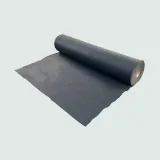
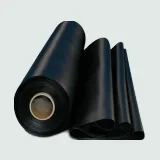
A waterproofing membrane is a continuous layer that water cannot cross, laid on a roof, deck, wet room or foundation. It comes either as sheets in rolls, joined by laps, or as a liquid that cures into a film. One torch-on bitumen roll from Grupo Puma measures 1 m × 10 m at 4 kg/m², per its data sheet.
In stock in Zanzibar
See all 11 products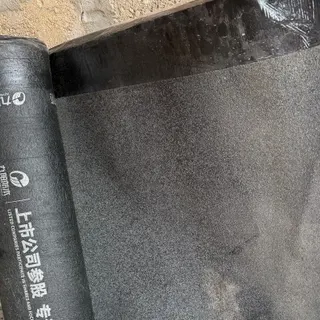
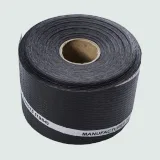
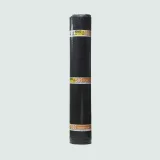
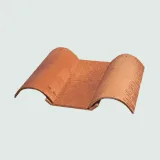
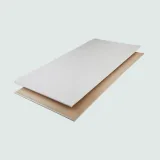
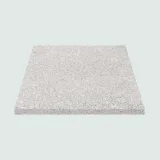
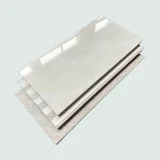
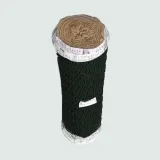
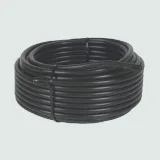
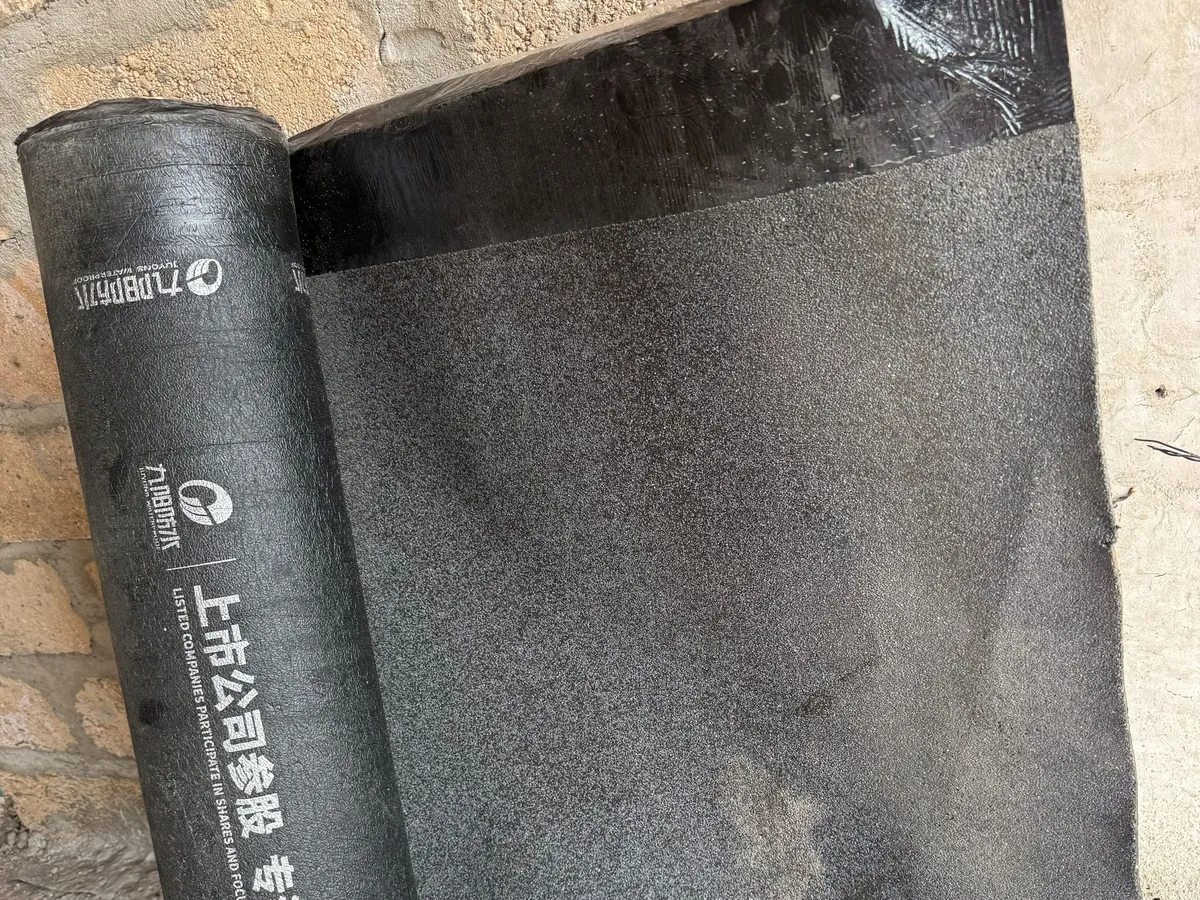
APP Torch-On Waterproofing Membrane, Mineral Finish
3 mm, 4 mmTorch-on APP roll with a mineral top for flat roofs, terraces and foundations.
Order on WhatsAppTZS 192,000perroll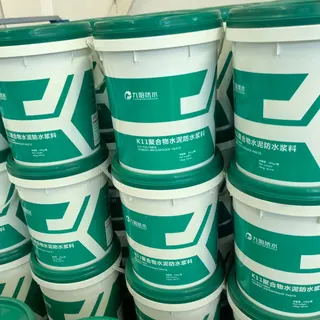
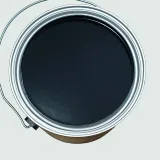
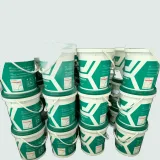
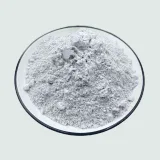
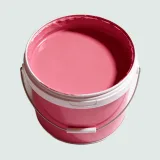
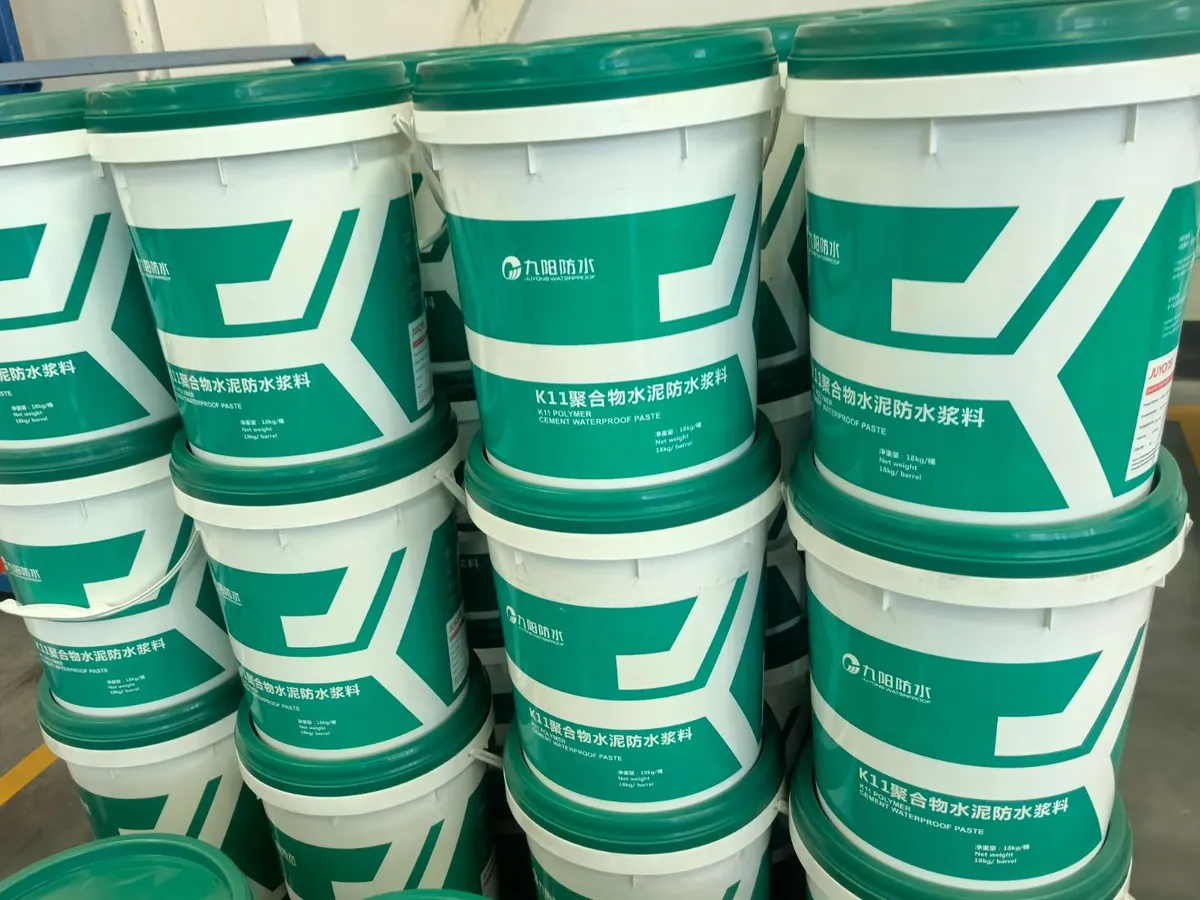
K11 Polymer Cement Waterproof Coating (Two-Component)
18 kg/barrelBrush-on cement coating for bathrooms, kitchens, balconies, basements and pools; tiles can go over it.
Order on WhatsAppTZS 155,000perbucket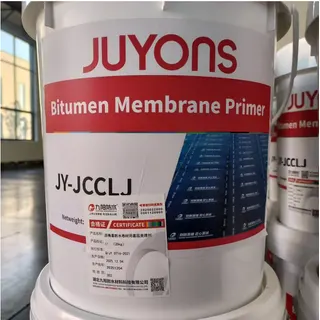
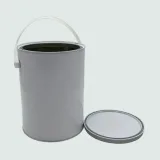
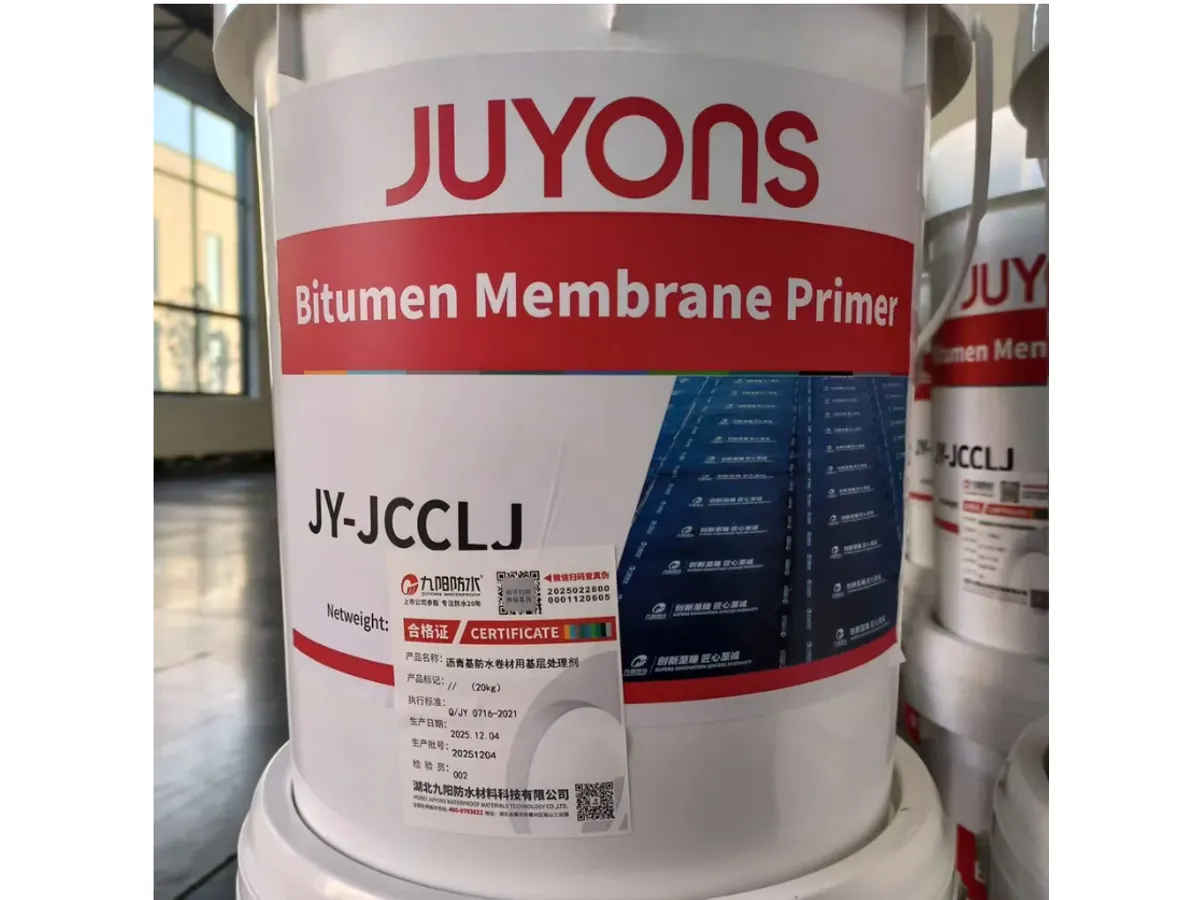
Water-Based Bitumen Primer for Waterproofing Membranes
20 kgWater-based primer brushed on the base before a bitumen membrane goes down.
Order on WhatsAppTZS 126,240perbucket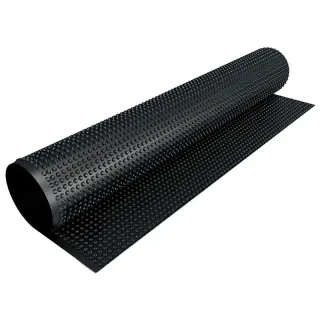
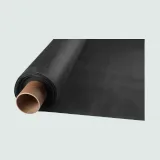
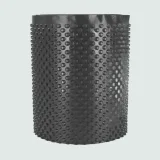
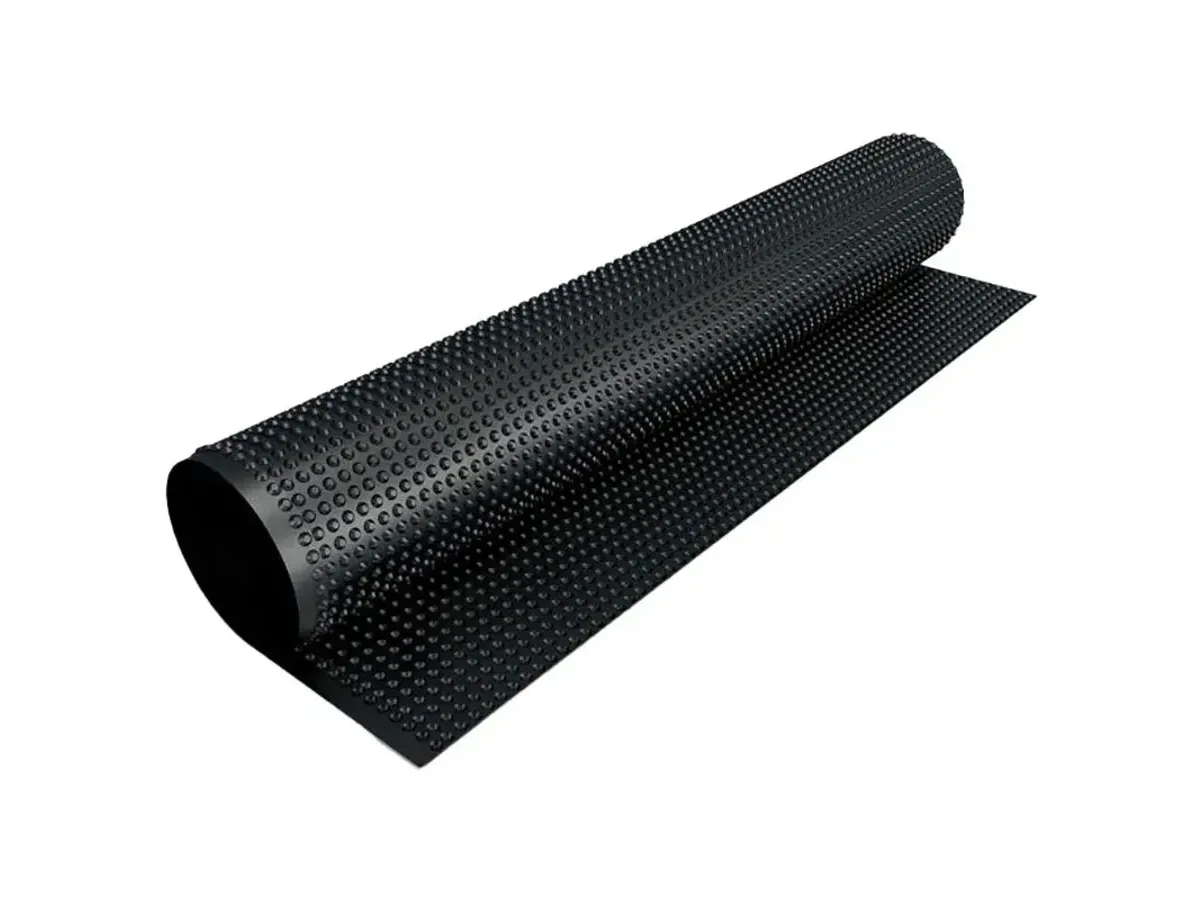
Dimple Drainage Membrane 8 mm with Geotextile (HDPE Drainage Board)
Studded drainage membrane that protects foundation walls below ground.
Order on WhatsAppTZS 328,000perroll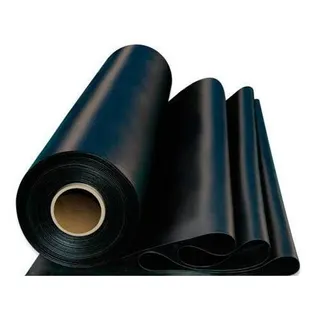
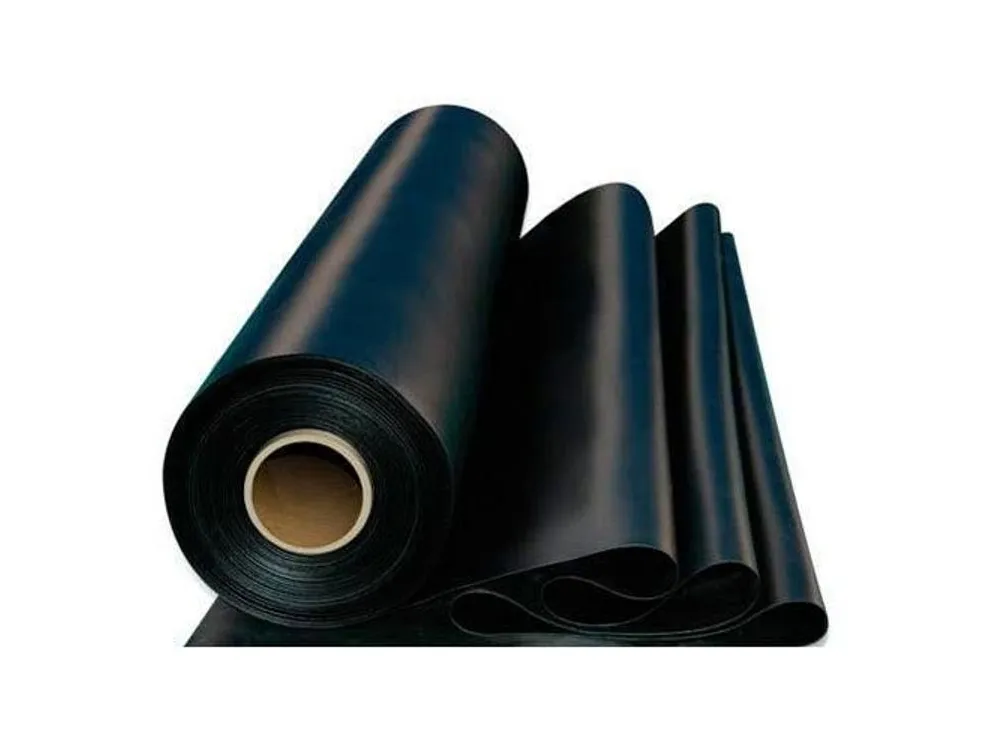
HDPE Geomembrane (Dam Liner), Smooth, 0.3 mm
Smooth0.3 mm0.3 mm HDPE sheet, ordered by Kitovu for damp proofing under floor slabs.
Order on WhatsAppTZS 1,052,000perroll
What a waterproofing membrane is
A membrane is the layer in a build-up whose only job is to stop water. Concrete, blockwork and screed all let some water through; the membrane sits on or behind them and closes that path. Searches also use “WP membrane” and “rainproof membrane” for the same layer. Whatever the label, the product belongs to one of two families.
Sheet membranes arrive in rolls made in a factory, so their thickness and strength are fixed before they reach site. The weak point is the joint: every roll edge has to be lapped and sealed.
Liquid membranes are brushed, rolled or sprayed on and cure into a film without seams. They follow pipes, corners and drains easily, but their thickness is only as good as the quantity applied per square metre.
Sheet and liquid membranes compared
Each row comes from one manufacturer’s data sheet; other brands publish different figures for the same type.
| Type | Form | Figures from the data sheet |
|---|---|---|
| APP bitumen, film finish | roll, torch-applied | 1 m × 10 m, 4 kg/m², flexible down to −15°C, creep resistance 120°C |
| APP bitumen, mineral finish | roll, torch-applied, slate granules on top | 1 m × 10 m, 4 kg/m², for the exposed top layer of a two-layer roof |
| EPDM rubber | large sheet, glued or ballasted | widths up to 15 m, lengths up to 30.5 m, elongation 350% |
| Polyethylene under a slab | sheet with sealed joints | at least 300 µm (1200 gauge) |
| Bitumen-latex emulsion | liquid, brushed | 0.8 L/m² per coat on floors, at least two coats, must be covered |
| Polymer cement coating | two-part liquid, brushed | about 1.5 kg/m² per mm of film, 2–3 coats |
The table shows the trade-off. Rolls give a known thickness per square metre; liquids give a film without joints but depend on the crew applying the full quantity. Our calculation for a 1 mm polymer cement film on 30 m²: about 45 kg of mixed material (30 × 1.5).
Bitumen sheets: film finish or mineral finish
The two Grupo Puma rolls in the table share the same core, APP-modified bitumen on a glass-fibre reinforcement at 4 kg/m², and differ only in the top face. The film-faced V4 is meant for single or double layers under heavy protection, for the lower layer of a two-layer roof, and for making underground structures watertight; the maker does not recommend it as a single layer exposed to the weather. The mineral-faced V4 G is the reverse: it is the top layer of a two-layer roof exposed to the weather, and not a lower layer. Kitovu’s Zanzibar stock holds a roll of the mineral-faced kind: the APP Torch-On Waterproofing Membrane, Mineral Finish.
Both are bonded with a blowtorch, stored upright and kept dry, with a shelf life of up to 12 months. More on this family is on the APP bitumen membrane page.
Rubber sheets: EPDM on flat roofs
EPDM is a synthetic rubber sold in very large sheets, so a small flat roof can often be covered without any seam at all. The ClassicBond data sheet lists two ways to lay its non-reinforced EPDM. In a fully adhered roof, adhesive chosen for the deck is spread, the sheet is rolled into it and the bond pressed home; the maker says this suits a flat roof of any slope. In a ballasted roof, the sheet is loose-laid over insulation and held down by at least 50 kg of ballast per m².
The same sheet records the properties declared under EN 13956:2012: tensile strength of 8 N/mm², elongation of 350%, and a pass in the UV exposure and ozone resistance checks. Unlike torch-on bitumen, EPDM needs no flame on the roof — seams are joined cold with primer and tape, with a hot-air gun only below 5°C.
Liquid membranes in wet rooms, balconies and tanks
Liquids suit areas full of corners and pipe penetrations. Bitumen emulsions can stay soft: Bostik’s sheet for Aquaprufe says the film remains slightly tacky and must be covered by a screed of at least 50 mm or by plaster. Polymer cement coatings set hard enough to tile on; the JUYONS K11 sheet lists walls, kitchens, toilets and bathrooms, balconies, basements and swimming pools among its uses and allows tiles directly on the cured layer. The cementitious waterproof coating page covers mixing and coverage in detail.
Foundation waterproofing membrane
Below ground, the membrane sits against wet soil and is out of reach once the trench is backfilled, so protection matters as much as the layer itself. The film-faced APP roll above is specified by its maker for underground structures under heavy protection. Bostik’s sheet asks for a liquid membrane on a wall below ground to be covered with fibreboard before the soil goes back. The JUYONS K11 coating lists basements among its uses.
Where the wall rises above ground, the membrane has to meet the damp proof course in the wall. UK Approved Document C (paragraph 5.5) asks for the wall course to be continuous with the floor membrane — the same logic applies wherever two waterproof layers meet.
Joints and laps
A sheet membrane is only as watertight as its seams. The data sheets above each set their own method:
- ClassicBond EPDM: seam area primed, then joined with 75 mm or 150 mm seam tape and rolled with a 50 mm steel roller;
- polymer DPC (Visqueen Zedex): laps of at least 100 mm, bonded with double-sided butyl tape;
- polyethylene under a slab (Approved Document C): joints sealed.
Liquid membranes have no seams, but they do have edges: where a coating stops at a door, drain or wall, the data sheet’s detail for that junction is what keeps water out.
What to check before you buy a membrane
- The standard on the label. Bitumen roof sheets in the table declare EN 13707; the EPDM sheet lists EN 13956:2012. A roll with no standard and no data sheet cannot be compared with anything.
- Mass or thickness. Bitumen rolls are sold by mass per m² — the Imperpuma V4 measures 3.80–4.40 kg/m² against a nominal 4. Liquids are sold by weight or volume, so work out the film thickness from the coverage figure.
- Finish against exposure. A film-faced roll left in the sun on a roof is used outside its stated purpose; a mineral finish is for the exposed layer.
- Installation tools. Torch-on rolls are bonded with a blowtorch; EPDM needs the system adhesive, primer and tape; liquids need a mixer and a way to check thickness.
- Primer. JUYONS describes its water-based primer as a substrate treatment before bitumen membranes that improves adhesion; see bitumen primer.
- Storage. Rolls upright, dry and within shelf life — 12 months for the Imperpuma rolls.
Questions
What are the types of waterproofing membranes?
Two families: sheet membranes in rolls (APP bitumen, EPDM rubber, polyethylene) and liquid membranes brushed or rolled on, such as bitumen emulsion and polymer cement coatings. Sheets have factory-made thickness; liquids depend on how much is applied per m².
What is a liquid membrane waterproofing?
A coating applied wet that cures into a continuous film with no seams. The JUYONS K11 polymer cement coating, for example, is applied in 2 to 3 thin coats at about 1.5 kg/m² for each millimetre of film, according to its data sheet.