













































































































Epoxy floor paint and resin floors for concrete
Published · Updated
Epoxy floor paint is a two-part resin, a base and a hardener, mixed just before use and rolled onto concrete. Alcolin sells its version as two 2.5 L packs that make 5 L, which it says covers about 30 m² per coat; it recommends two coats.
In stock in Zanzibar
See all 11 products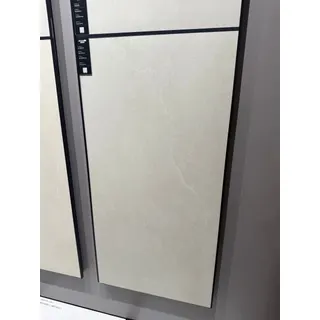
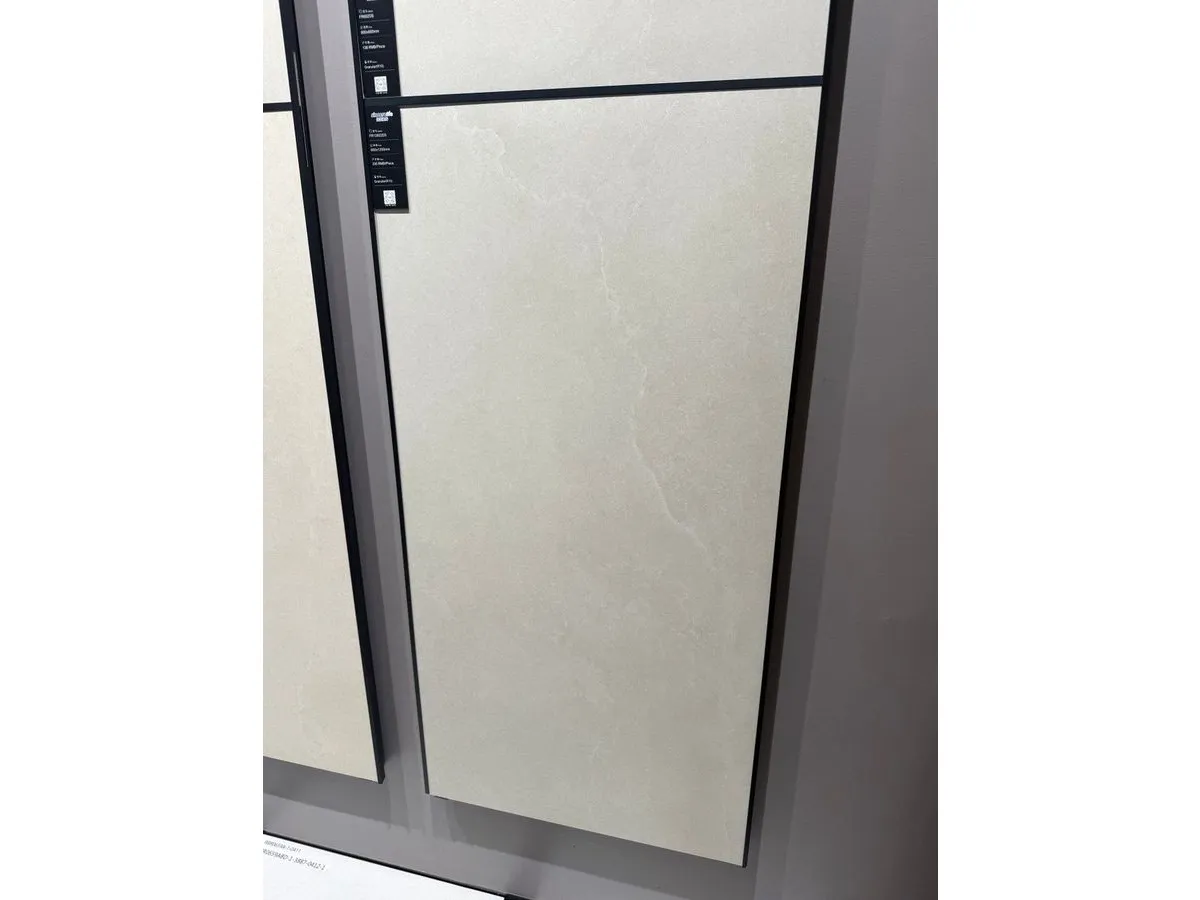
Beige Porcelain Tile 1200x600 mm, Matt Anti-Slip R10
1200 × 600 mmR10Large-format beige porcelain with a stone look for floors and walls.
Order on WhatsAppTZS 49,680pertile
K11 Polymer Cement Waterproof Coating (Two-Component)
18 kg/barrelOrder on WhatsAppTZS 155,000perbucket






What epoxy floor paint is
An epoxy floor is made from two liquids that cure into a hard plastic film once mixed. Sika’s Sikafloor-264 data sheet for Kenya describes its product as a two-part coloured epoxy resin, mixed at 79 parts base to 21 parts hardener by weight, and lists storage and assembly halls, workshops, garages and loading ramps among its uses. The do-it-yourself end of the market works the same way: the Alcolin Epoxy Floor Paint kit is a 2.5 L activator and a 2.5 L base, meant for interior concrete floors in garages, workshops, storerooms and warehouses.
Both are thin roller coats. Epoxy flooring also comes as thicker poured and trowelled systems, and in the classification below the heavier duties go with the thicker layers.
Types of epoxy flooring by thickness
In the UK, resin floors are grouped into eight types by FeRFA, the resin flooring trade association. Flooring maker Altro lists its own products against those types in its resin flooring guide, which gives a feel for the range:
| FeRFA type | Example product | Nominal thickness | Duty, as Altro gives it |
|---|---|---|---|
| 1 — floor seal | Altro Seal | 90–180 microns | light |
| 2 — floor coating | Altro Coat | 180 microns | light to medium |
| 3 — high-build coating | Altro Tect | 350–500 microns | medium |
| 5 — flow-applied | Altro Flow | 1–3 mm | medium |
| 6 — screed | Altro Screed | 3–6 mm | medium to heavy |
| 4, 5, 7, 8 | Altro Crete | 2–8 mm | medium to very heavy |
A paint kit from a hardware shop sits at the thin end of that table. Sika gives two consumption figures for Sikafloor-264 that show the jump: about 0.25–0.3 kg/m² as a roller coat, and about 0.9–1.2 kg/m² for each millimetre when it is laid as a self-smoothing wearing course.
How much epoxy floor paint you need
Alcolin publishes a simple formula: floor area in m² × number of coats ÷ 30 = number of 5 L units. For a 40 m² workshop with two coats, that comes to 40 × 2 ÷ 30 = 2.7, so three kits (our calculation). With an industrial roller coat such as Sikafloor-264, the same 40 m² takes about 10–12 kg per coat at the data sheet rate (our calculation: 40 × 0.25 to 40 × 0.3).
Sika calls its figures theoretical, with no allowance for porosity, surface profile, uneven levels or waste, and Alcolin ties the number of coats to the condition and porosity of the floor. Alcolin also advises buying units from one batch for a large floor, so that the colour matches across it.
What the concrete must pass first
Preparation decides whether an epoxy floor coating holds: Altro’s primer sheet calls it the most vital part of a resin floor and links poor preparation to loss of adhesion. The Sikafloor-264 sheet sets out the conditions for the concrete before any coat goes on:
- Strength. At least 25 N/mm² in compression and a pull-off strength of at least 1.5 N/mm².
- Dryness. Moisture below 4% by weight, and no rising moisture; the sheet names a polyethylene sheet test for checking it.
- Cleanliness. No dirt, oil, grease, old coatings or surface treatments. Alcolin goes further for its paint: an old coat of paint or epoxy has to be removed back to bare concrete, not painted over.
- Climate. Substrate between +10°C and +30°C and air humidity no higher than 80%, with an eye on condensation.
Where the moisture reading is too high, the same sheet points to a temporary moisture barrier system (Sikafloor EpoCem) under the epoxy rather than coating straight onto damp concrete.
Epoxy flooring on tiles
Epoxy can go over old ceramic tiles, but only with a primer made for glazed surfaces and real preparation. Altro’s data sheet for Altro Prime ceramic, a two-part epoxy primer, lists vitrified ceramic tiles, quarry tiles, polished marble and cementitious terrazzo as suitable bases and sets these steps:
- Degrease the floor, then grind or shot-blast it to break the glaze; water drops should wet the surface afterwards.
- Remove hollow or loose tiles and crumbling grout, and reinstate them.
- Grout joints should be sound, ideally epoxy grout, and filled level with extra primer so they do not show through.
- The floor must have a damp-proof membrane and no more than 5% moisture by weight.
The same sheet asks for a base of at least 26 N/mm² in compression and 1.5 N/mm² in pull-off, and gives 6 kg of primer for 18 m².
It also warns that thin coatings follow the texture beneath them, so one thin coat over tiles will show the joints.
Curing and use
Epoxy needs time before it takes traffic. At +30°C, the Sikafloor-264 sheet allows foot traffic after about 18 hours, light traffic after about 2 days and full cure after about 5 days, and asks for the fresh coat to be kept away from damp and water for at least 24 hours. Its permanent dry heat limit is +50°C.
Kitovu does not sell epoxy floor paint, and no price for epoxy flooring in Tanzania is listed here. For a floor finish laid instead of a coating, see floor tiles, SPC flooring and wooden flooring.