





Steel wire armoured cable: what SWA is and which size to use
Published · Updated
Steel wire armoured (SWA) cable is a low-voltage power cable with a layer of galvanised steel wires under its outer sheath, which shields the copper cores from crushing and digging. Prysmian's BS 5467 data sheet rates it at 600/1000 V and lists it for laying direct in the ground, in ducts or in concrete.
In stock in Zanzibar
See all 11 products
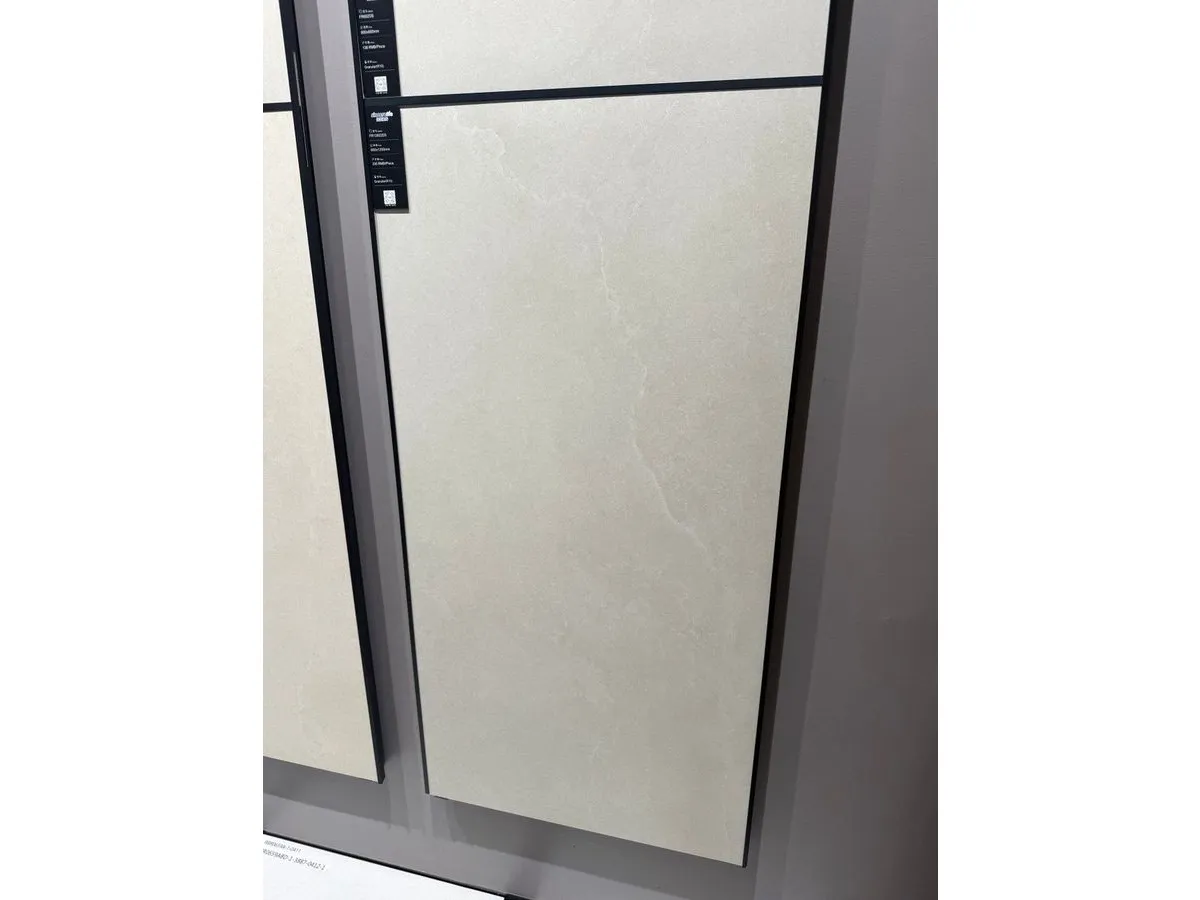
Beige Porcelain Tile 1200x600 mm, Matt Anti-Slip R10
1200 × 600 mmR10Order on WhatsAppTZS 49,680pertile
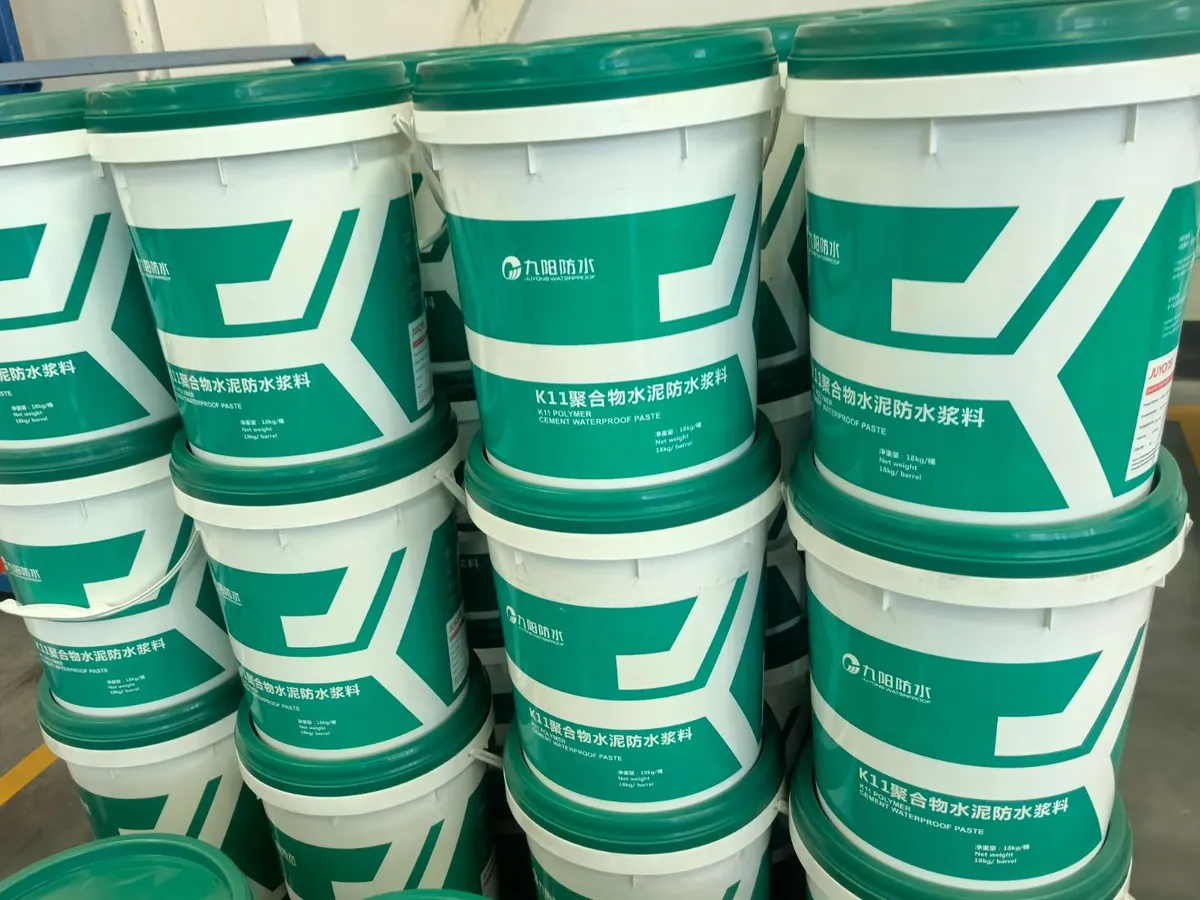
K11 Polymer Cement Waterproof Coating (Two-Component)
18 kg/barrelOrder on WhatsAppTZS 155,000perbucket
What steel wire armoured cable is
Steel wire armoured cable, shortened to SWA, is a power or control cable with a ring of steel wires wound over the cores. That metal layer takes the blows — a spade, a dropped tool, the load of backfilled soil — that would cut through a plain sheathed cable. Prysmian’s guide to armoured cable describes it as a low-voltage cable for mains supply at up to 600/1000 V.
From the centre outwards, the same guide names five layers:
- Conductors of stranded plain annealed copper, class 2 to BS EN 60228.
- Insulation of cross-linked polyethylene (XLPE) on each core.
- Bedding — an extruded layer over the cores after they are twisted together.
- Armour of galvanised steel wires.
- An outer sheath of PVC that keeps out sunlight and water.
That protection costs weight and stiffness. Prysmian notes that the cable is harder to handle and slower to terminate; the alternative, an unarmoured cable, then needs conduit or trunking wherever it is exposed.
Types of armoured electrical cable: SWA, AWA and LSOH
Not every armoured electrical cable has steel in it. Prysmian’s guide and product pages separate three common builds:
| Type | Armour | Used for |
|---|---|---|
| SWA to BS 5467 | galvanised steel wire | multi-core power and control cables, PVC sheath |
| AWA | aluminium wire | single-core AC power cables |
| BS 6724, LSOH | steel wire on multi-core, aluminium wire on single-core | buildings where smoke from a fire matters, such as shopping centres and airports |
Why aluminium on a single core: alternating current in one conductor sets up a magnetic field, and steel armour around it picks up induced current and overheats the cable. With two or more cores, the fields cancel out, so SWA armour stays cool. Prysmian points to regulation 521.5.2 of BS 7671 for the rule.
The LSOH version exists because PVC gives off dense black smoke, toxic fumes and acid gas when it burns, says Prysmian’s BS 6724 page. Low smoke zero halogen sheathing is chosen for indoor public areas — hospitals, shops, stations.
16 mm and 4 core armoured cable: sizes and weights
In a search such as “16mm armoured cable”, 16 mm means the cross-section of each copper core in mm², not the thickness of the cable. The Prysmian BS 5467 data sheet gives these values for 4 core armoured cable:
| Core size | Armour wire | Overall diameter | Weight | Conductor resistance at 20°C |
|---|---|---|---|---|
| 2.5 mm² | 0.9 mm | 13.9 mm | 405 kg/km | 7.41 Ω/km |
| 4 mm² | 0.9 mm | 15.4 mm | 510 kg/km | 4.61 Ω/km |
| 6 mm² | 1.25 mm | 17.5 mm | 730 kg/km | 3.08 Ω/km |
| 10 mm² | 1.25 mm | 19.5 mm | 960 kg/km | 1.83 Ω/km |
| 16 mm² | 1.25 mm | 23 mm | 1,300 kg/km | 1.15 Ω/km |
| 25 mm² | 1.6 mm | 28 mm | 2,100 kg/km | 0.727 Ω/km |
Two figures are worth working out before ordering (our calculation from the table). A 50 m length of 4-core 16 mm² weighs 65 kg (1,300 kg/km × 0.05 km). The data sheet’s bending rule of eight times the diameter gives a tightest bend of 184 mm for that cable (8 × 23 mm). The data sheet colours the four cores blue, brown, black and grey.
The data sheet does not print current ratings. It refers to tables 4E3 and 4E4 of BS 7671, the UK wiring regulations; sizing a cable for a load and a run length is a job for a qualified electrician.
What to check when you buy SWA cable
- Cores and size. The number of cores and the mm² of each should match the circuit your electrician has drawn up.
- Construction standard. BS 5467 for a PVC sheath, BS 6724 for LSOH. Ask for the data sheet of the actual drum and set it against the table above.
- Conductor resistance. Every data sheet states it per km at 20°C — 1.15 Ω/km for 16 mm² in Prysmian’s. It depends on how much copper the core holds, so a higher figure for the same size means less copper.
- Overall diameter. Glands are sized to the outside diameter of the cable, so take it from the data sheet before buying them.
- Temperature. Prysmian rates its BS 5467 conductor at 90°C and lists 0°C as the lowest installation temperature. Where a conductor runs hotter than 70°C, the data sheet warns, the equipment connected to it must suit that heat.
Where armoured cable is used
Prysmian’s data sheet names the installation methods for its armoured cable: clipped direct to a surface, on cable tray or basket, in free air, laid direct in the ground, in ducts in free-draining soil, or set in concrete. Its PVC sheath is listed as UV resistant for outdoor runs. The guide adds typical buildings — hospitals, offices, plant rooms and motor control centres.
Buried runs are where the armour earns its place. Regulation 522.8.10 of BS 7671 requires a cable buried in the ground to have an earthed armour, so that a spade or digger striking it later meets earthed metal before a live core. BS 7671 is a UK document; it is quoted here as a reference, not as a Tanzanian rule.
Terminating and earthing the armour
Ending an armoured cable takes more steps than a plain one. Prysmian’s guide sets out the order: remove the outer sheath, cut through each armour wire, trim the bedding without nicking the core insulation, then strip the cores. The end is sealed in a metal gland against dust, moisture and gas — type BW indoors, type CW outdoors — and the gland itself is earthed, which earths the armour through it.
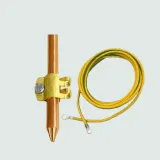
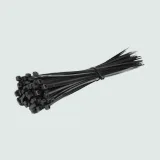
For the electrode end of an earthing system, see earth rods; for fixing cable runs on tray, see cable ties.
Questions
Can armoured cable be buried directly in the ground?
Yes. Prysmian's BS 5467 data sheet lists its SWA cable for laying direct in the ground, in ducts in free-draining soil or set in concrete. In the UK, regulation 522.8.10 of BS 7671 asks for any cable buried in the ground to carry an earthed armour.
What is the difference between SWA and AWA?
SWA has steel wire armour and goes on multi-core cables. AWA has aluminium wire armour and goes on single-core AC cables, because steel wrapped around one AC core heats up from magnetic losses, as Prysmian's guide explains.
What is the difference between armoured and unarmoured cable?
Armoured cable has a layer of steel or aluminium wires between the bedding and the outer sheath, so it can run in the ground or on a wall without extra protection. Unarmoured cable has no metal layer; Prysmian notes it needs conduit or trunking wherever it could be damaged.