













































































































Waterproof cement: three ways to make cement keep water out
Published · Updated
Waterproof cement is usually ordinary Portland cement with something added: a liquid waterproofer in the mixing water, or a polymer emulsion that turns it into a brushable coating. One render admixture's data sheet gives about 8 m² of 10 mm render from 500 ml of liquid in a 1:3 cement-sand mix.
In stock in Zanzibar
See all 11 products
K11 Polymer Cement Waterproof Coating (Two-Component)
18 kg/barrelBrush-on cement coating for bathrooms, kitchens, balconies, basements and pools; tiles can go over it.
Order on WhatsAppTZS 155,000perbucket
APP Torch-On Waterproofing Membrane, Mineral Finish
3 mm, 4 mmTorch-on APP roll with a mineral top for flat roofs, terraces and foundations.
Order on WhatsAppTZS 192,000perroll
Water-Based Bitumen Primer for Waterproofing Membranes
20 kgWater-based primer brushed on the base before a bitumen membrane goes down.
Order on WhatsAppTZS 126,240perbucket
Dimple Drainage Membrane 8 mm with Geotextile (HDPE Drainage Board)
Studded drainage membrane that protects foundation walls below ground.
Order on WhatsAppTZS 328,000perroll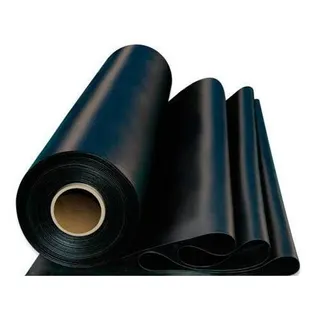
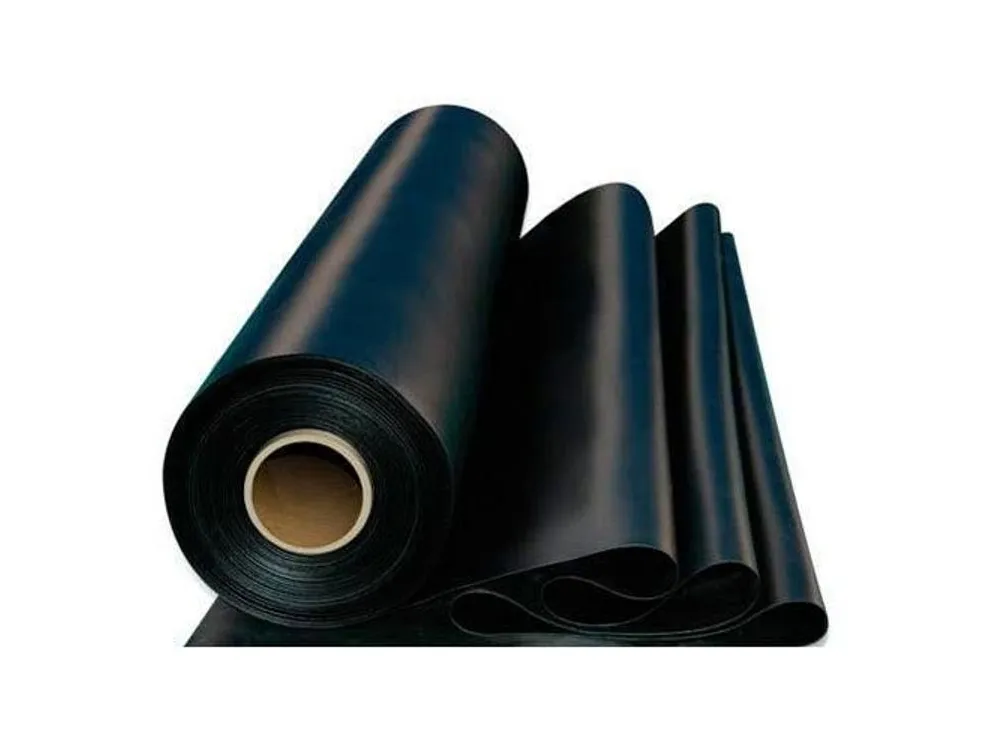
HDPE Geomembrane (Dam Liner), Smooth, 0.3 mm
Smooth0.3 mm0.3 mm HDPE sheet, ordered by Kitovu for damp proofing under floor slabs.
Order on WhatsAppTZS 1,052,000perroll




What people mean by waterproof cement
Plain cement mortar is porous: water drawn into it by capillary action can pass through a wall or a slab. Products sold to stop this fall into three groups, and they are used at different stages of the job.
| Type | What it is | Where it goes | Example source |
|---|---|---|---|
| Integral waterproofer | liquid admixture added to the mixing water of mortar, render, plaster or screed | through the whole thickness of the render or screed | Palace Intrapruf Waterproofer data sheet |
| Waterproof render or plaster | ordinary cement-sand render made with such an admixture | as a 10 mm coat on walls | same data sheet |
| Polymer cement coating | cement powder mixed with a polymer emulsion, brushed on in thin coats | as a thin membrane on walls, wet rooms, balconies, basements and pools, under tiles | JUYONS K11 data sheet |
The first two change the mortar itself. The third is a separate layer, closer to a paint in how it is applied, and has its own page on cementitious waterproof coating.
Integral waterproofer in render and plaster
Palace Chemicals describes its Intrapruf Waterproofer as a solution of fatty-acid water repellents and sodium silicates. Added to mortar, it protects internal walls from moisture moving up out of damp brickwork and limits rain penetrating external render. It also reduces the water needed for a workable mix, which the maker says lowers the risk of drying shrinkage and cracking.
The mix figures on the sheet:
- dosage: 4.5 litres per 150 litres of gauging water, roughly 320 ml per 25 kg of Portland cement;
- coverage: about 500 ml in a 1 part cement to 3 parts sand damp-proofing render covers about 8 m² at a depth of about 10 mm;
- order: the liquid goes into the mixer water first, then sand and cement — never straight onto dry cement or sand;
- sand: clean, washed and salt-free, with clean water, or the salt-inhibiting effect is lost.
Our calculation from those figures: a 40 m² room wall at 10 mm needs about 2.5 litres of the admixture (40 ÷ 8 × 0.5). The sheet also warns against mixing for too long, since extra air weakens the hardened mortar.
Waterproofing plaster is not a damp proof course
A waterproof render keeps water from coming through the face of a wall. It does not stop moisture climbing from the ground inside the masonry. Palace recommends its render for re-plastering internal walls after an injected damp course has been installed — the render works together with the course, not instead of it. For a new wall the barrier near its base is the DPC (damp proof course), laid in the mortar joint while the wall goes up.
Polymer cement coating: the brush-on form
This is the type sold as K11 or cementitious waterproofing slurry. Kitovu has one in stock in Zanzibar: the K11 Polymer Cement Waterproof Coating (Two-Component) by JUYONS, in an 18 kg bucket. The JUYONS sheet names wet rooms such as kitchens, toilets and bathrooms, plus walls, balconies, basements and swimming pools, as places to use it, and gives these figures:
- two components, a liquid emulsion and a powder, mixed with a mixer for 3 to 5 minutes;
- about 1.5 kg of mix per m² for every millimetre of film, which puts an 18 kg bucket at roughly 12 m² of 1 mm film (18 ÷ 1.5, our arithmetic);
- 2 to 3 thin coats, each laid crosswise to the one before, after the first is dry and no longer sticky;
- water impermeability of 0.5 MPa or more, and lateral deformation of 2.0 mm or more;
- tiling straight onto the cured coat is allowed.
The mix must be used within 30 minutes, and no water may be added once it is mixed — the opposite of an admixture, which goes into the water.
What to check when you buy waterproof cement
- Which of the three it is. An admixture is a liquid sold in litres; a coating is a powder with a liquid, sold by weight. The label should say which.
- Dosage per bag. For an admixture, the sheet gives millilitres per 25 kg or 50 kg of cement. Without that figure you cannot mix it right.
- Coverage and thickness. Render admixtures quote m² at a stated depth (8 m² at 10 mm above); coatings quote kg per m² per millimetre. Compare like with like.
- Both components present. A two-part coating with only the powder or only the liquid will not work.
- Finish on top. If tiles go on the waterproof layer, the data sheet should say they can. The JUYONS K11 sheet does.
- Drinking water. Use a product in a drinking-water tank only if its own document says it is approved for that.
For membranes, primers and coatings side by side, see the waterproofing materials overview.