













































































































Manhole covers and inspection chambers
Published · Updated
A manhole cover closes an access shaft into a drain or sewer. Under the European standard EN 124, covers are graded by test load in six classes, from A15 at 15 kN for areas only people walk on to F900 at 900 kN for airfield pavements, according to the drainage supplier JD Pipes.
In stock in Zanzibar
See all 11 products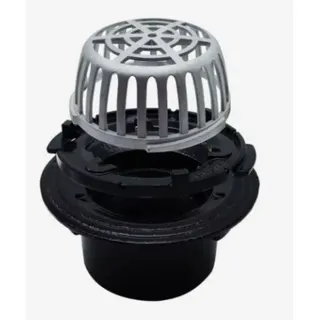
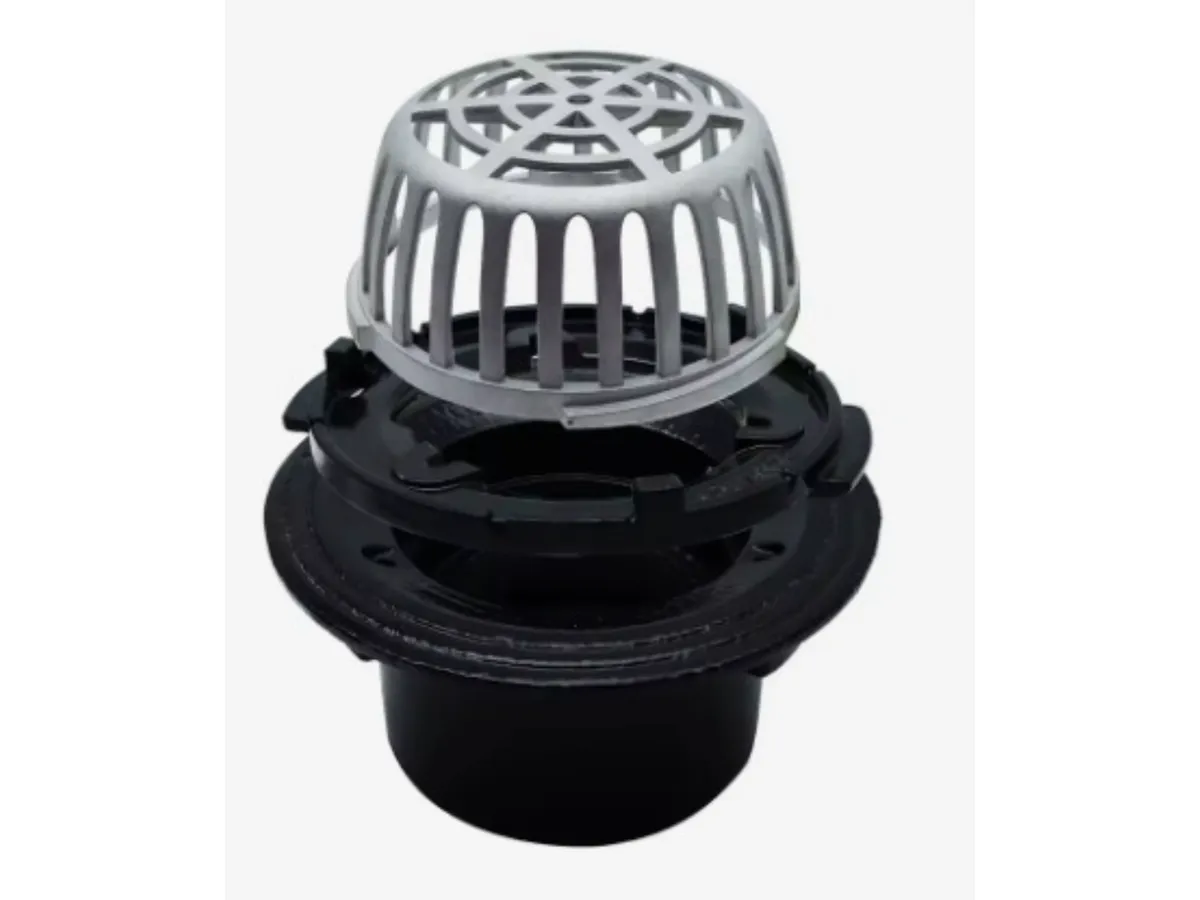
Flat Roof Drain with Dome Strainer for 110 mm Pipe
For 110 mm pipeOutlet for flat roofs and terraces, with a dome strainer, for 110 mm pipe.
Order on WhatsAppTZS 159,900perpiece
Dimple Drainage Membrane 8 mm with Geotextile (HDPE Drainage Board)
Studded membrane that leads water away from foundation walls.
Order on WhatsAppTZS 328,000perroll
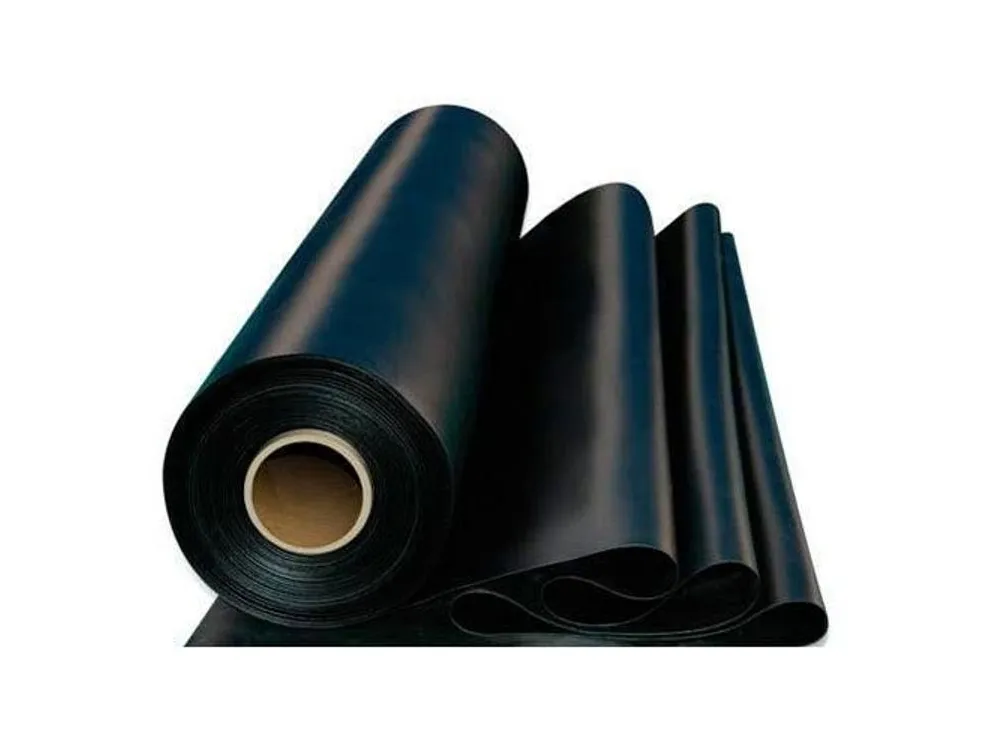
Non-Woven Needle-Punched Polypropylene Geotextile 200 g/m²
200 g/m²Wrap for drainage gravel: it lets water through and keeps soil out.
Order on WhatsAppTZS 526,000perroll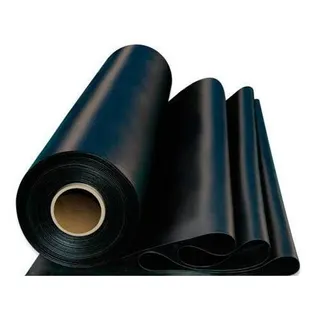




What a manhole is
A manhole is an access shaft from ground level down to a drain or sewer, closed at the top by a manhole cover set in a frame. The sewer inspection software company WinCan explains that manholes are built where a sewer line changes direction, slope, level or pipe size, and at junctions, so that people and equipment can reach the line to inspect, test and clean it.
On a house plot, the same job is done by smaller chambers on the drain between the building and the main drain or sewer.
Manhole or inspection chamber?
People use the two names for the same thing. The drain specialist Essex Blocked Drains draws the usual line: an inspection chamber (IC chamber) is a smaller or shallower access point, and modern house drains often use plastic ones; a manhole chamber is larger or deeper. Both are there for inspection, camera surveys, cleaning and clearing blockages.
A property can have several chambers in a row, from the house to the main drain. More access points make it easier to find and clear a blockage.
Parts of a manhole
WinCan names the parts of a sewer manhole from the bottom up:
- Channel — the open conduit in the base that carries the flow from inlet to outlet.
- Invert — the lowest point of the channel.
- Bench (benching) — concrete sloped from the walls down to the channel, which turns back-up flow into the channel and gives a place to stand.
- Steps — concrete or plastic steps in the wall, or a ladder.
- Barrel section — the main body of the shaft, its widest part.
- Cone — narrows the barrel to the chimney.
- Chimney — the neck up to the frame.
- Cover and ring (frame) — the manhole tops seen at ground level; the frame holds the lid flush with the surface.
Manhole cover load classes
The class marked on a manhole cover shows the test load it had to carry. Under EN 124 (BS EN 124 in the UK), there are six classes. The test loads are from JD Pipes; the places of use for A15 to E600 are from the German drainage maker Kessel.
| Class | Test load | Where it goes |
|---|---|---|
| A15 | 15 kN | areas used only by pedestrians and cyclists |
| B125 | 125 kN | footways, pedestrian areas, car parks for cars |
| C250 | 250 kN | kerbside strip, up to 0.5 m into the road and onto the footway |
| D400 | 400 kN | road carriageways, hard shoulders, parking for all road vehicles |
| E600 | 600 kN | areas with high wheel loads, such as docks |
| F900 | 900 kN | very high wheel loads, such as aircraft pavements (JD Pipes) |
A manhole cover in a driveway where a lorry or a full concrete mixer may reverse sits in different conditions from one in a garden path. Match the class to the heaviest vehicle that could cross it.
Materials of manhole lids
EN 124 has a separate part for each material of manhole lids and sewer lids (JD Pipes):
- Part 2 — cast iron, including the ductile iron covers that Drainagesuperstore lists among its cover types.
- Part 3 — steel or aluminium alloys.
- Part 4 — steel-reinforced concrete.
- Part 5 — composite materials.
- Part 6 — polypropylene, polyethylene or uPVC.
The class comes from the same load test whatever the material, so a composite lid marked D400 and a cast iron one marked D400 both had to carry the same 400 kN test load.
Solid, recessed and sealed covers
Beyond the load class, the top and the seal decide where a cover can go.
- Solid top — a plain, often anti-slip plate meant to be seen, for places where the cover should be easy to find (Drainagesuperstore).
- Recessed — a tray that is filled with paving blocks, tiles or screed so that the cover matches the floor or yard around it (Drainagesuperstore).
- Sealed or airtight inspection cover — a sewer lid cover with one or more seals between lid and frame. The UK supplier Start Safety says double seals keep drain smells under the cover and keep water and dirt out, and lists kitchens, offices and malls among the places they go.
For chamber covers inside a building, this is the type Start Safety points to.
Measuring for a replacement cover
To replace the cover of a manhole, measure the clear opening of the frame — the inside size of the hole — in millimetres, not the old lid. Drainagesuperstore gives the usual range as 300 × 300 mm to 1200 × 1200 mm for square and rectangular covers, with round covers of 450 mm and 600 mm. A cover that does not sit properly in its frame can fail under load whatever its class.
Safety around an open manhole
Essex Blocked Drains is blunt: never climb into a drainage manhole or inspection chamber. It can hold dangerous gases, low oxygen and sewage. Small domestic covers can be lifted with proper lifting keys, but covers are heavy and can be seized in their frames.
Manholes and chambers are part of the wider drain run: see drainage pipes for the pipes between them and grease traps for the chamber that keeps kitchen fat out of the line.
Questions
What is the difference between a manhole and an inspection chamber?
Both give access to an underground drain. The names are often swapped, but an inspection chamber usually means a smaller, shallower access point, often plastic, while a manhole is a larger or deeper structure.
How do you measure a manhole cover size?
Measure the inside of the opening, not the old lid, and do it in millimetres. Drainagesuperstore notes that millimetres are the unit cover makers work in.
Can I enter a manhole?
No. A drainage chamber can hold dangerous gases and too little oxygen. Entry needs training, equipment and a safe system of work, even if the cover lifts easily.