

























Drainage pipes: materials, sizes and falls
Published · Updated
Drainage pipes carry waste water and rainwater away from a building by gravity, so size and fall matter as much as material. England's Approved Document H asks for at least 100 mm bore on any drain serving a WC and lists uPVC, polypropylene, clay, concrete and iron as pipe materials.
In stock in Zanzibar
See all 11 products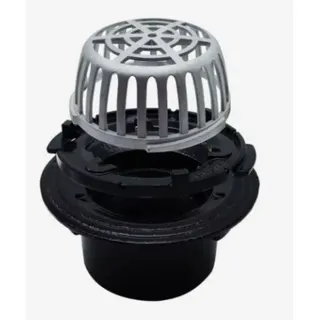
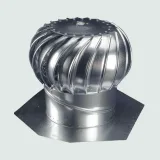
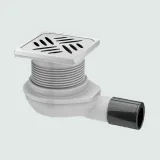
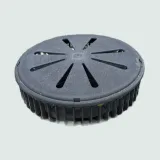
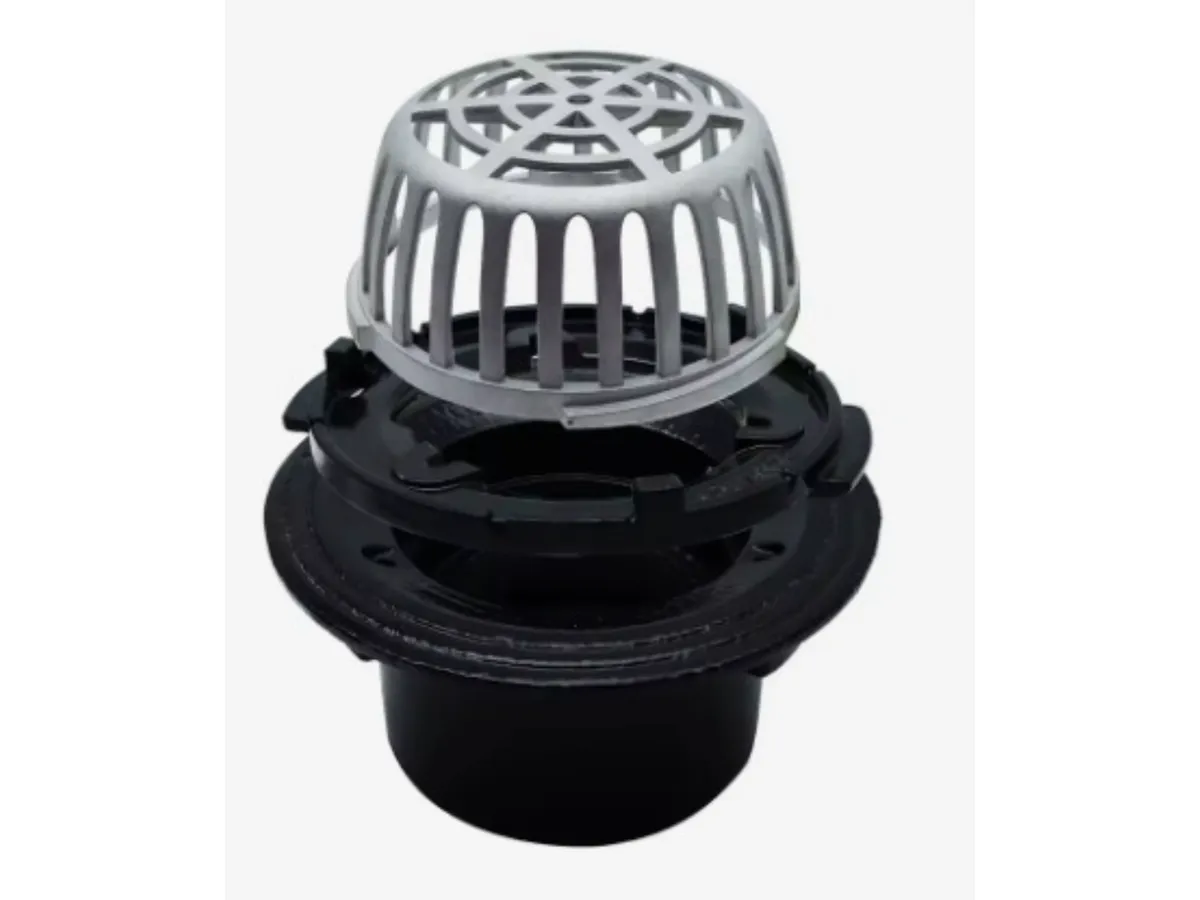
Flat Roof Drain with Dome Strainer for 110 mm Pipe
For 110 mm pipeOutlet for flat roofs and terraces, with a dome strainer, for 110 mm pipe.
Order on WhatsAppTZS 159,900perpiece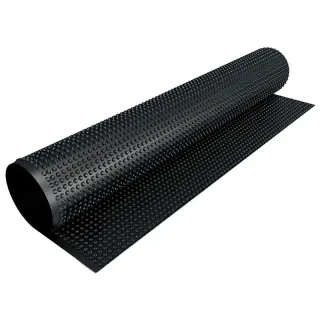
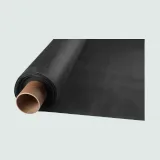
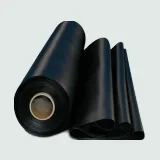
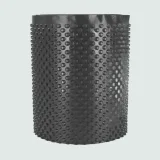
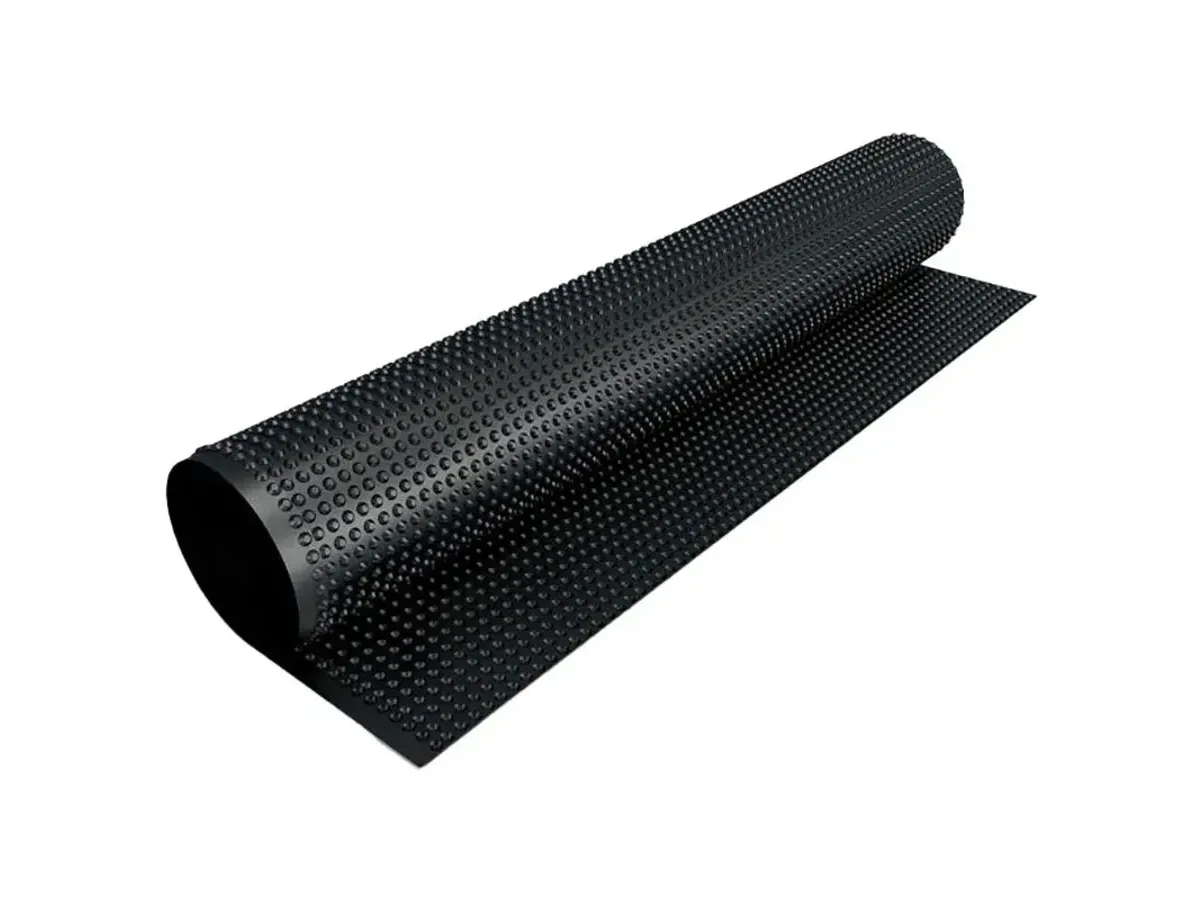
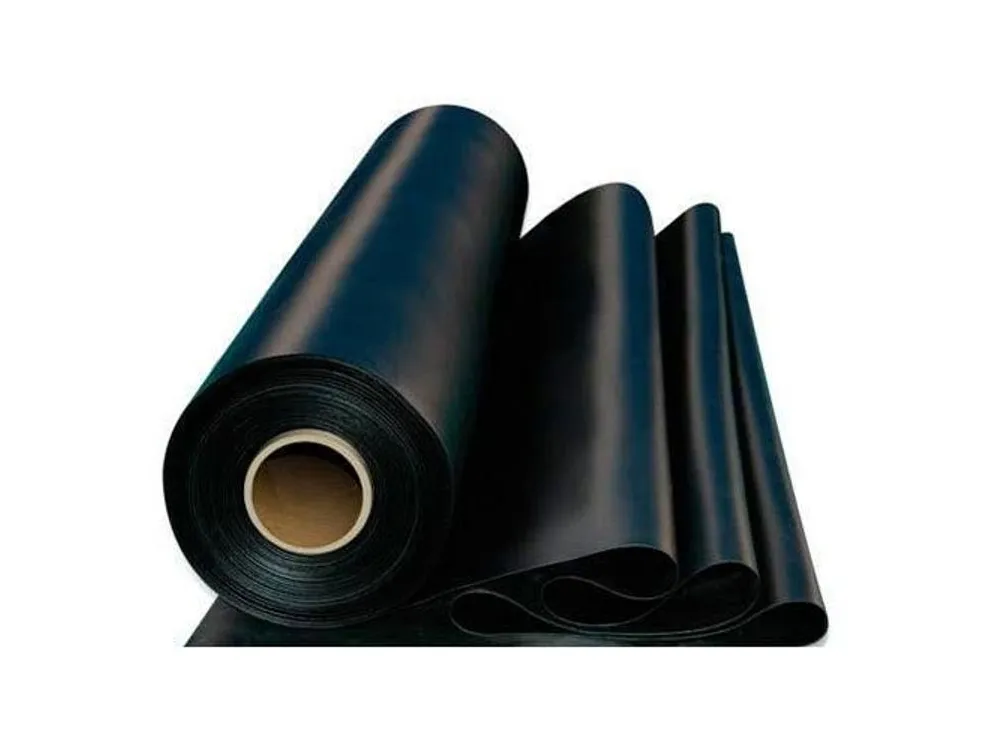
Dimple Drainage Membrane 8 mm with Geotextile (HDPE Drainage Board)
Studded membrane that leads water away from foundation walls.
Order on WhatsAppTZS 328,000perroll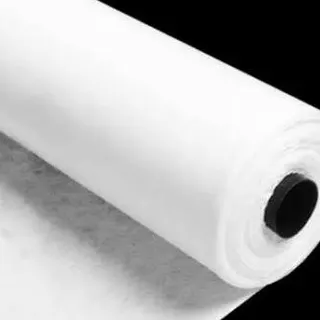
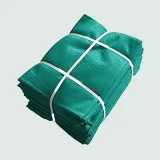
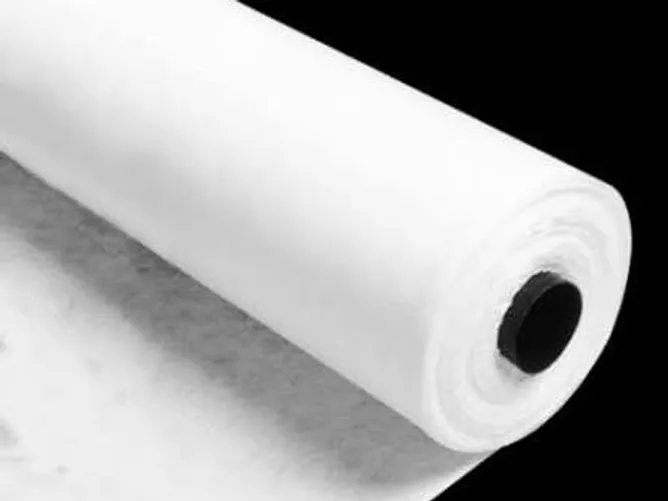
Non-Woven Needle-Punched Polypropylene Geotextile 200 g/m²
200 g/m²Wrap for drainage gravel: it lets water through and keeps soil out.
Order on WhatsAppTZS 526,000perroll
What drainage pipes do
Pipe and drain together form the run that takes used water from a building to a sewer, septic tank or soak pit, and rainwater to a soakaway or ditch. The UK drain company Dyno-Rod draws the line clearly: plumbing brings water in, drainage takes it out, using pipes angled downwards so that gravity does the work.
That is why drainage pipes are chosen differently from water supply pipes. They run part-full, without pressure, and their job depends on the bore and the fall, not on pressure rating.
The figures below come from England’s Approved Document H (2015 edition), the official guidance on drainage there. They are given as a reference for what a well-sized system looks like; they are not Tanzanian rules.
Pipe materials
Approved Document H, Table 7, lists the materials accepted for below-ground drainage pipework in two groups:
| Group | Materials | Standards named in Table 7 |
|---|---|---|
| Rigid pipes | vitrified clay, concrete, grey iron, ductile iron | BS 65 and BS EN 295, BS 5911, BS 437, BS EN 598 |
| Flexible pipes | uPVC, polypropylene (PP), structured-wall plastic (twin-wall) | BS EN 1401, BS EN 1852, BS EN 13476 |
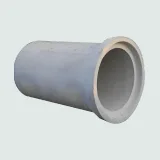
The Singapore pipe maker Vicplas notes that plastic drainage pipes do not corrode and need less upkeep than metal, and that concrete pipes leak more often than uPVC ones. CIRIA lists concrete and plastic pipe among the materials of pipe culverts under roads and tracks.
Sizes
Approved Document H sets minimum bores by what the drain carries (paragraphs 2.30 and 2.33):
- 75 mm — the smallest drain for foul water, for example from a basin or shower.
- 100 mm — the minimum for any drain carrying waste from a WC, and for a shared drain serving up to 10 houses.
- 150 mm — the minimum for a shared drain serving more than 10 houses.
The same document estimates the peak flow from one house with a WC, bath, basins, sink and washing machine at about 2.5 litres a second (Table 5). Because appliances are seldom used together, it says the minimum sizes carry the flow from quite large numbers of appliances.
Falls and capacity
Drainage pipes must fall steadily so that water carries solids with it. Approved Document H, Table 6, gives the flattest gradients and what each pipe then carries:
| Peak flow | Pipe size | Minimum fall | Capacity |
|---|---|---|---|
| under 1 l/s | 75 mm | 1 in 40 | 4.1 l/s |
| under 1 l/s | 100 mm | 1 in 40 | 9.2 l/s |
| over 1 l/s | 75 mm | 1 in 80 | 2.8 l/s |
| over 1 l/s | 100 mm | 1 in 80 (at least 1 WC connected) | 6.3 l/s |
| over 1 l/s | 150 mm | 1 in 150 (at least 5 WCs connected) | 15.0 l/s |
A fall of 1 in 40 means the pipe drops 25 mm for every metre of run — our calculation (1,000 mm ÷ 40). Over a 12 m run from house to tank, that is 300 mm of depth (12 × 25 mm).
Perforated pipe
A perforated pipe has rows of holes or slots so that water can get in or out along its whole length. It is used in two opposite ways:
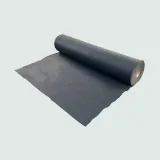
- To collect ground water — laid in gravel at the foot of a wall, under a field or in a French drain; it can be wrapped in geotextile, which lets water in and holds silt back. Kitovu stocks a Non-Woven Needle-Punched Polypropylene Geotextile 200 g/m² in Zanzibar.
- To spread effluent into the soil — in the drainage field after a septic tank. Approved Document H (paragraphs 1.40–1.41) asks for perforated pipe in trenches at a uniform fall no steeper than 1 in 200, bedded on 300 mm of clean shingle or broken stone of 20–50 mm.
Access points
A drain that cannot be reached cannot be cleared. Approved Document H (paragraphs 2.48–2.49) names four types of access — rodding eyes, access fittings, inspection chambers and manholes — and asks for one at or near the head of each drain run, at bends and changes of fall, at changes of pipe size and at junctions that cannot be cleared from elsewhere.
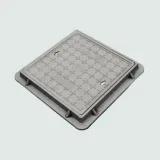
Shallow chambers up to 0.6 m deep can be as small as 190 mm round; chambers deeper than 1.2 m need a 450 × 450 mm inside size (Table 11). For the lids on top, see manhole covers.
Questions
What is the difference between plumbing and drains?
Plumbing brings water into a building under pressure; drainage takes used water out. Dyno-Rod puts it simply: drains rely on pipes laid at a downward angle so gravity moves the waste to a sewer or septic tank.
Which drainage pipe size should you use?
For waste from basins, showers and sinks only, 75 mm is the smallest bore in England's Approved Document H. Any drain that takes a WC needs at least 100 mm, and a shared drain for more than 10 houses at least 150 mm.