













































































































Mninga wood (Pterocarpus angolensis)
Published · Updated
Mninga is the Swahili name for Pterocarpus angolensis, the hardwood sold in English as muninga, kiaat or mukwa. PROTA, the Plant Resources of Tropical Africa database, gives a density of 400–700 kg/m³ at 12% moisture and describes the dried wood as very stable. It is used for furniture, doors and windows.
In stock in Zanzibar
See all 11 products


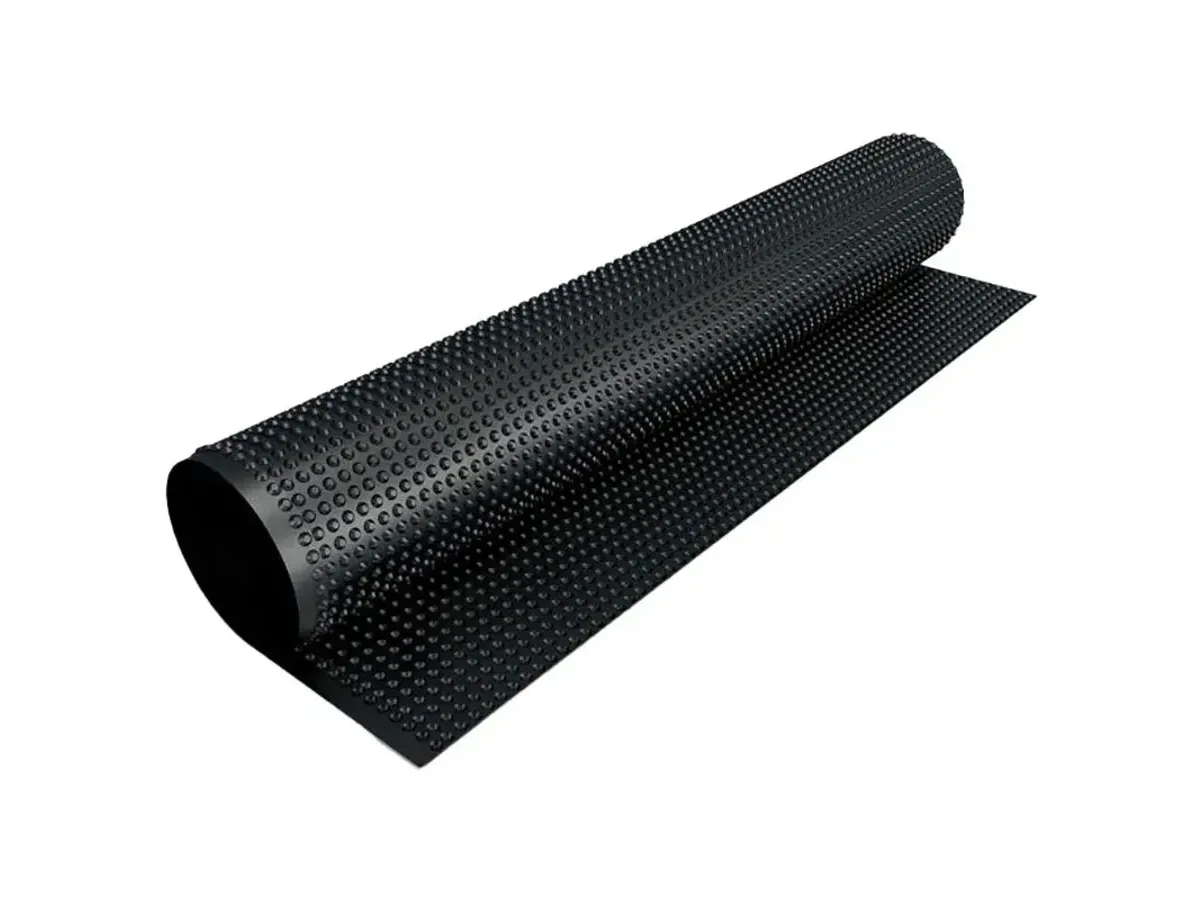
K11 Polymer Cement Waterproof Coating (Two-Component)
18 kg/barrelOrder on WhatsAppTZS 155,000perbucket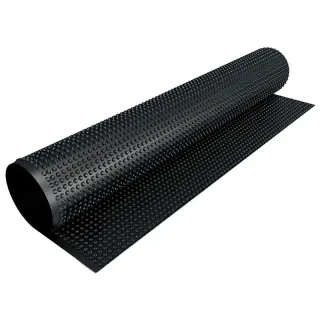
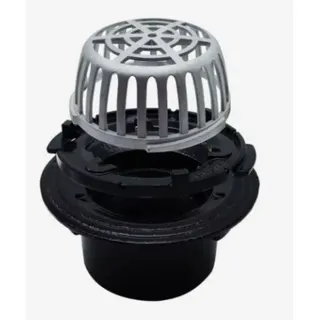
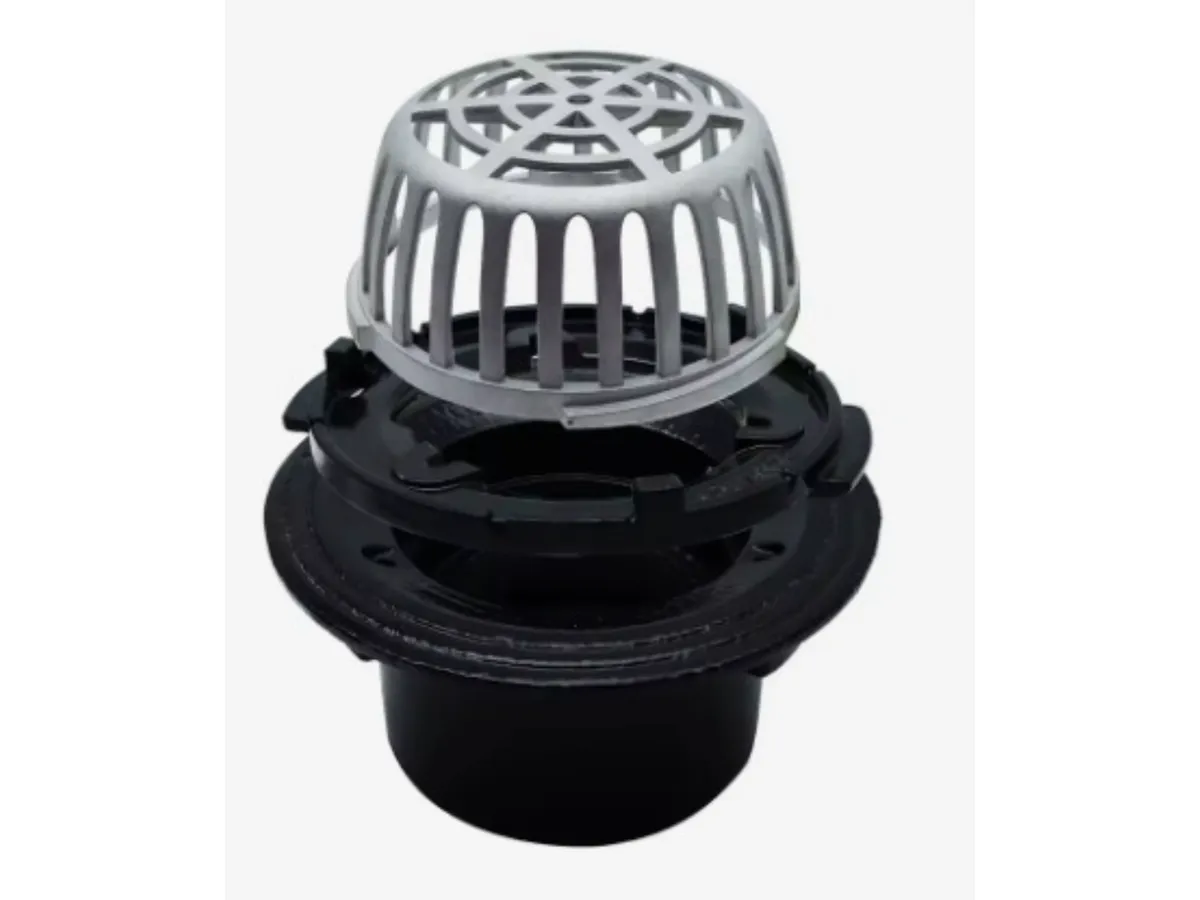
Flat Roof Drain with Dome Strainer for 110 mm Pipe
For 110 mm pipeOrder on WhatsAppTZS 159,900perpiece



What mninga wood is
Mninga wood comes from Pterocarpus angolensis, a tree that PROTA records from Angola, DR Congo and Tanzania south to north-eastern South Africa. The PROTA entry for the species gives its Swahili names as mninga, mdamudamu and mtumbati, and its English trade names as muninga, kiaat, mukwa and African bloodwood. In Tanzania, PROTA says, it grows mainly in the moister parts of the wooded grassland of the coastal plains.
The heartwood is pale to dark brown or reddish brown, often streaked, and clearly set apart from the pale grey or yellowish sapwood. The grain runs straight to interlocked, with a medium to coarse texture.
Mninga wood properties
Two references give measured figures. PROTA reports ranges for the species; The Wood Database, compiled by Eric Meier, gives single average values.
| Property | PROTA | The Wood Database |
|---|---|---|
| Density | 400–700 kg/m³ at 12% moisture | 605 kg/m³ average, dried |
| Shrinkage | low | radial 1.7%, tangential 2.8%, volumetric 5.4% |
| Stability | very stable once dry | — |
| Janka hardness | — | 6,050 N |
| Bending strength (modulus of rupture) | — | 98.2 MPa |
| Stiffness (elastic modulus) | — | 8.73 GPa |
| Crushing strength | — | 55.3 MPa |
PROTA adds that the wood dries well but slowly, without warping and with little tendency to check or split. Low shrinkage and stability are the properties that count for doors and frames, which have to stay square.
How durable mninga is
The two references describe durability in slightly different words. PROTA calls the heartwood moderately durable and moderately resistant to termites and marine borers. The Wood Database rates it durable to moderately durable, with good resistance to insect attack. Both apply to the heartwood only: PROTA warns that the sapwood is liable to powder-post beetle attack, so pale edges on a board are the part to cut away or avoid.
Where mninga is used
PROTA names furniture, parquet flooring and veneer, and adds that the wood’s flexibility, resistance and light weight make it useful for boats, doors and windows. Zanzibaba Timber, which sells mninga in Zanzibar, lists doors and frames, furniture, cabinetry, stairs and interior joinery on its mninga page. Our page on wooden doors compares mninga with mvule and mkangazi for door frames.
Mninga sizes in Zanzibar
The same seller lists three section sizes, all 8 ft long: 2 × 6 in, 2 × 8 in and 4 × 4 in. In metric that is about 51 × 152, 51 × 203 and 102 × 102 mm, 2.44 m long (our conversion of the nominal sizes; the planed size can be smaller). It publishes a price for each on its page. If you need another size, ask for the dimensions in millimetres and whether the piece is heartwood throughout.
Working mninga safely
PROTA describes mninga as easy to work with hand and machine tools, moderately blunting cutters, with good gluing and excellent turning and carving properties. The Wood Database adds that interlocked grain can tear out when planed, and that the dust has been reported to cause skin and respiratory irritation. A dust mask and sharp blades help on both counts.
Mninga and conservation
PROTA states that overexploitation endangers natural populations and that the current timber harvest is unsustainable; it records the species as lower risk on the IUCN list but close to qualifying as vulnerable. The Wood Database notes that it is not listed by CITES and is reported by the IUCN as near threatened. If you are buying mninga timber in quantity, ask the seller where it was cut.
What to check when you buy
- That the timber is mninga heartwood, with no pale sapwood on the faces or edges.
- The section size and length, written down, in millimetres or the inch and foot size the yard uses.
- That the boards are dry; PROTA notes the wood dries slowly.
- Straightness, since interlocked grain can hide twist.
- Where the timber came from.
Kitovu does not sell timber. For other local wood, see boriti mangrove poles; Kitovu’s own stock in Zanzibar is building materials such as waterproofing and tiles.
Questions
What is mninga wood used for?
PROTA lists furniture, parquet flooring, veneer, boats, doors and windows. A Zanzibar timber seller names doors and frames, furniture, cabinetry, stairs and interior joinery.
What mninga timber sizes are available?
One Zanzibar seller, Zanzibaba Timber, lists mninga in 2 × 6 in, 2 × 8 in and 4 × 4 in sections, 8 ft (2.44 m) long. Ask other yards for their sizes in millimetres.