





































































Solar water heaters: how they work and how to size one
Published · Updated
A solar water heater warms water in a tank with heat collected from the sun on the roof. Davis & Shirtliff, which sells Dayliff solar heaters in Tanzania, offers tanks of 160, 220 and 320 litres and says they typically suit households of 5, 7 and 10 people.
In stock in Zanzibar
See all 11 products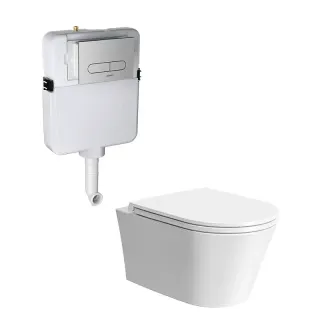
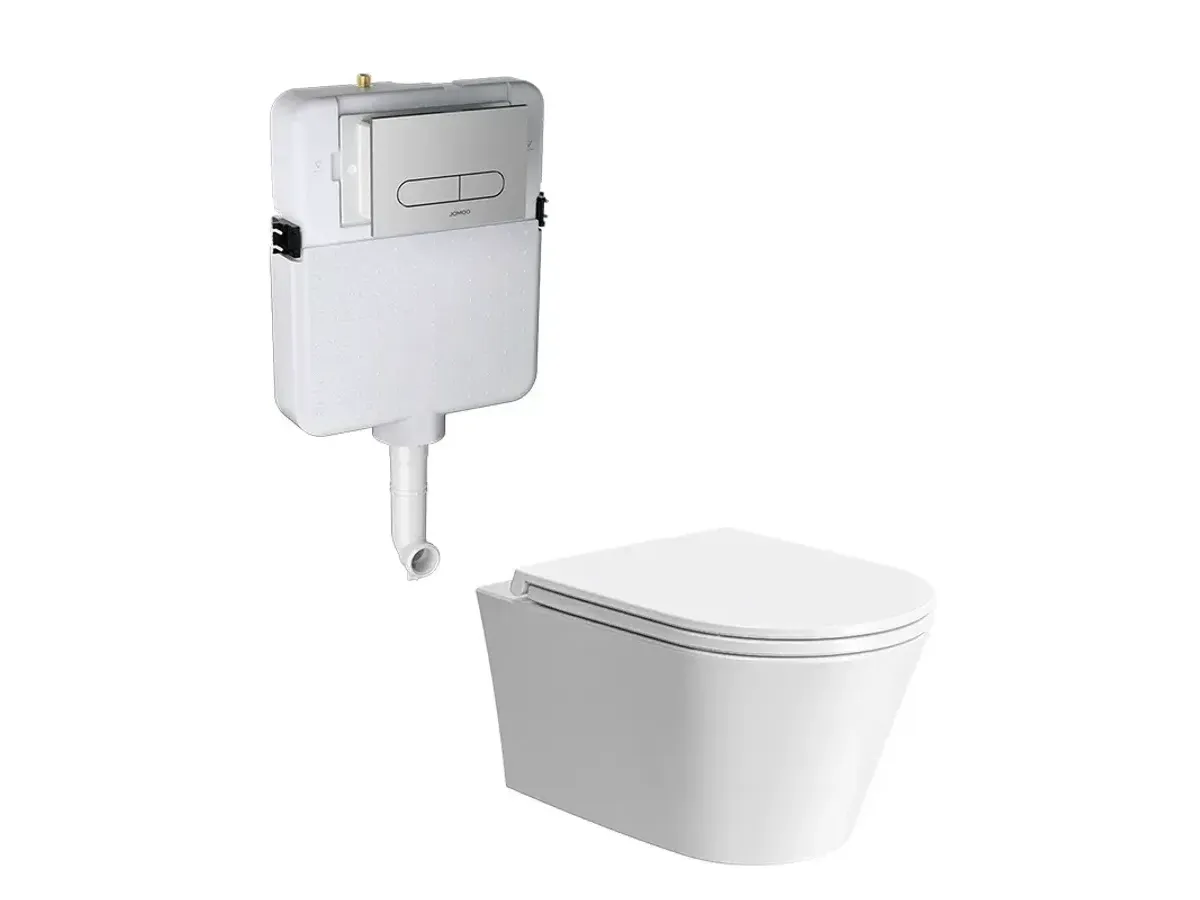
JOMOO Wall-Hung Toilet 02355-00-2, 565 x 375 x 350 mm
565 × 375 × 350 mmOrder on WhatsAppTZS 2,210,000perset
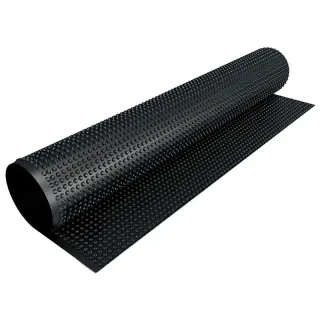

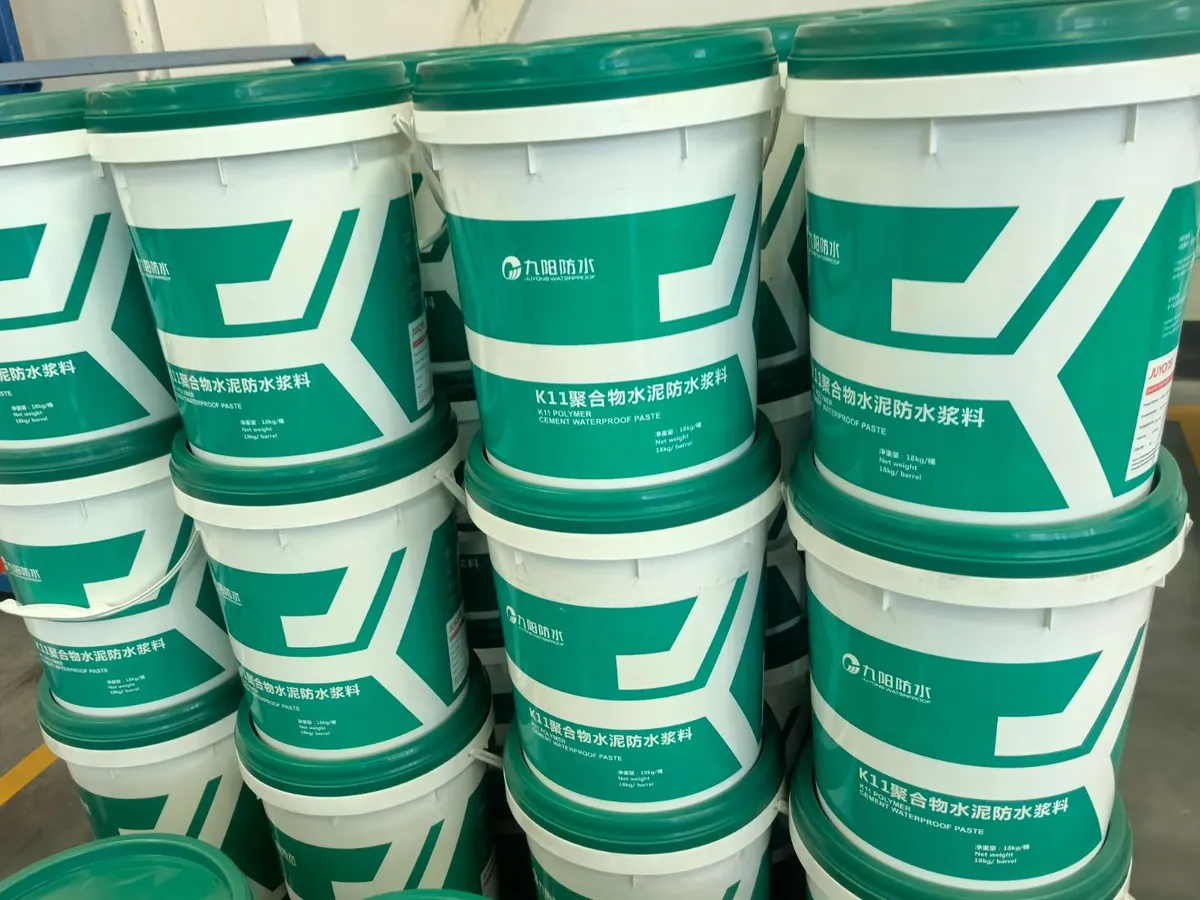
K11 Polymer Cement Waterproof Coating (Two-Component)
18 kg/barrelOrder on WhatsAppTZS 155,000perbucket
How a solar water heater works
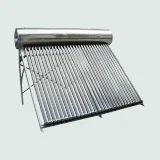
A typical household system has two parts: a collector that absorbs the sun’s heat and an insulated tank, usually fitted on one frame above it. The Davis & Shirtliff article on solar water heating explains the principle used in its Dayliff units: cold water fed into the tank circulates through the collector by thermosyphon, driven by the difference in temperature between the top and the bottom of the unit. In its collectors, the heat is gathered by capillary tubes attached to copper sheeting.
The same article estimates that electric water heating accounts for over 33% of the average household electricity bill, and gives this as the reason a solar powered water heater is becoming more popular.
Collector types: flat plate or evacuated tube
Indian maker Racold sells both main collector types and offers tanks from 100 to 500 litres, with larger ones for commercial use:
| Collector | Racold’s advice |
|---|---|
| Flat plate collector (FPC) | ideal for urban areas |
| Evacuated tube collector (ETC) | works better in colder regions with lower sunlight |
Racold also notes that some systems include a backup heater for hot water on cloudy days, and advises corrosion-resistant tanks where the water is hard.
Direct or indirect systems at the coast
Water quality decides the type of system. Davis & Shirtliff describes two:
- Direct — the water you use passes through the collector itself.
- Indirect — the water in the collector is kept separate and heats the tank water through a jacket around the tank.
Indirect systems are less efficient, the article says, but are used where feed water is mineralised and tends to corrode or block the collector capillaries, and it notes that they have applications at the coast. For Zanzibar and other coastal sites, that is the first question to ask a supplier.
Sizing a solar hot water heater
| Tank | Typical household, according to Davis & Shirtliff |
|---|---|
| 160 L | 5 people |
| 220 L | 7 people |
| 320 L | 10 people |
Dayliff systems also come in two specification levels; the one with the larger collector area is meant for cooler places, the article’s example being Nairobi. The article adds that solar heated water is available only once in each 24 hours: if the tank is emptied in the evening, it is not hot again until the sun has heated it the next day. For that reason every Dayliff solar heater is supplied with an electric booster heater, which can be put on a timer so there is hot water in the morning.
Installing a solar water heater
The Davis & Shirtliff article lists the main rules:
- Sunlight. The collector must not be shaded; it needs as much direct sunlight as possible.
- Facing. The collector faces south in the northern hemisphere and north in the southern hemisphere. Tanzania is south of the equator, so collectors face north.
- Tank position. Usually on the frame above the collector; it can go under the roof only if it stays above the top rail of the collector.
- Pressure. Tanks are rated at 3.5 bar; feed the heater from the main cold supply so hot and cold taps have equal pressure.
- Gravity feed. Avoid it where outlet pressure is too low; fit a booster pump instead.
For electric storage and instant heaters, see water heaters; Ariston, which also makes solar systems, is covered on Ariston water heaters.
Solar water heaters in Zanzibar
Kitovu sells from stock in Zanzibar, and solar water heaters are not among its products.