













































































































Outdoor wall lights for the house: types, lumens and IP
Published · Updated
Outdoor wall lights light the entrance, path and terrace of a house and are rated to stand rain and dust. The UK's Institution of Lighting Professionals suggests a low-power bulkhead or porch light of 600–900 lumens, left on all night, as the better choice for home security than a bright floodlight.
In stock in Zanzibar
See all 11 products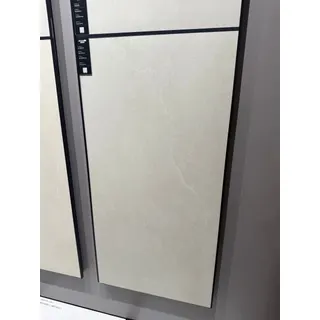
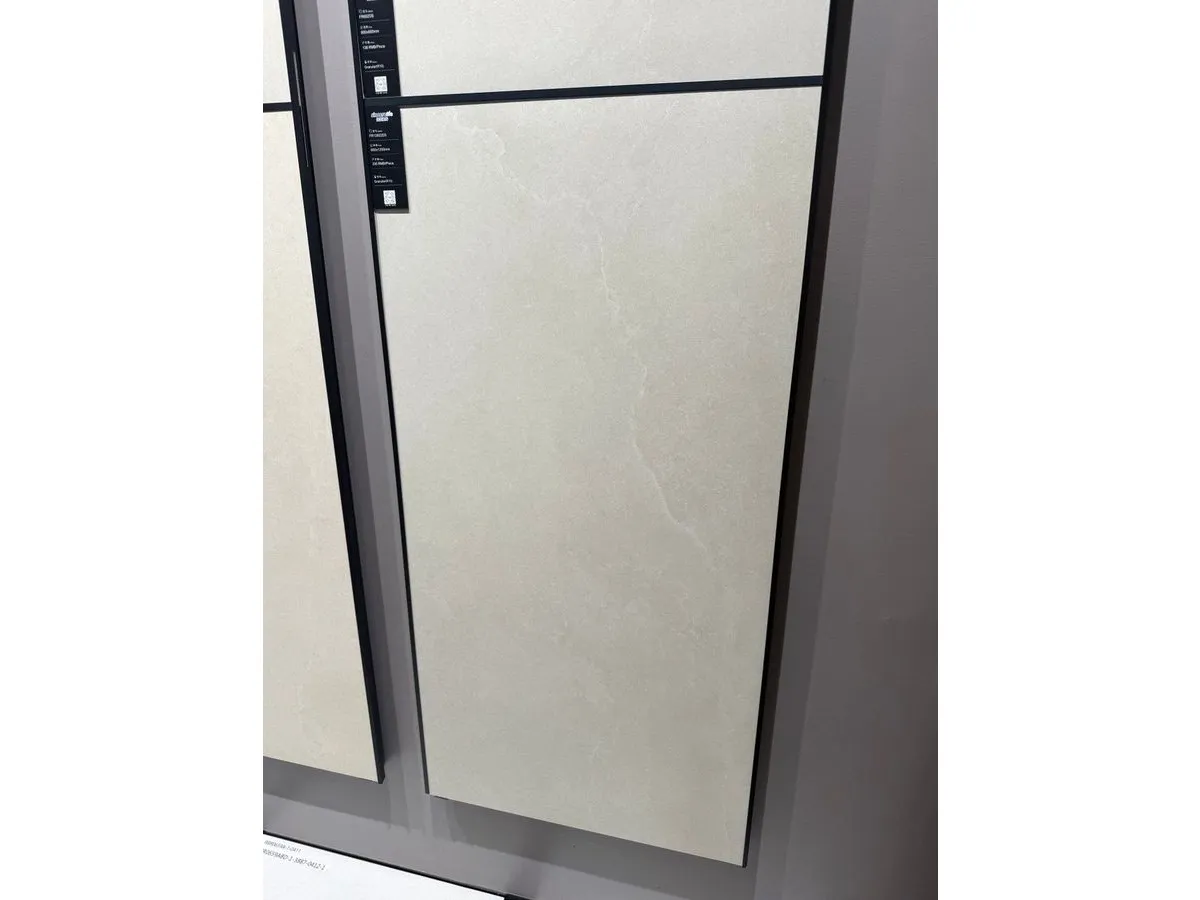
Beige Porcelain Tile 1200x600 mm, Matt Anti-Slip R10
1200 × 600 mmR10Order on WhatsAppTZS 49,680pertile
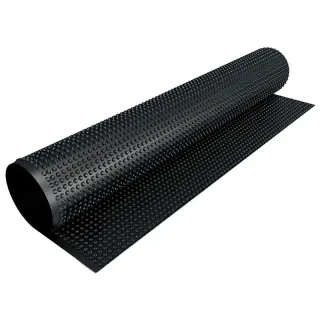
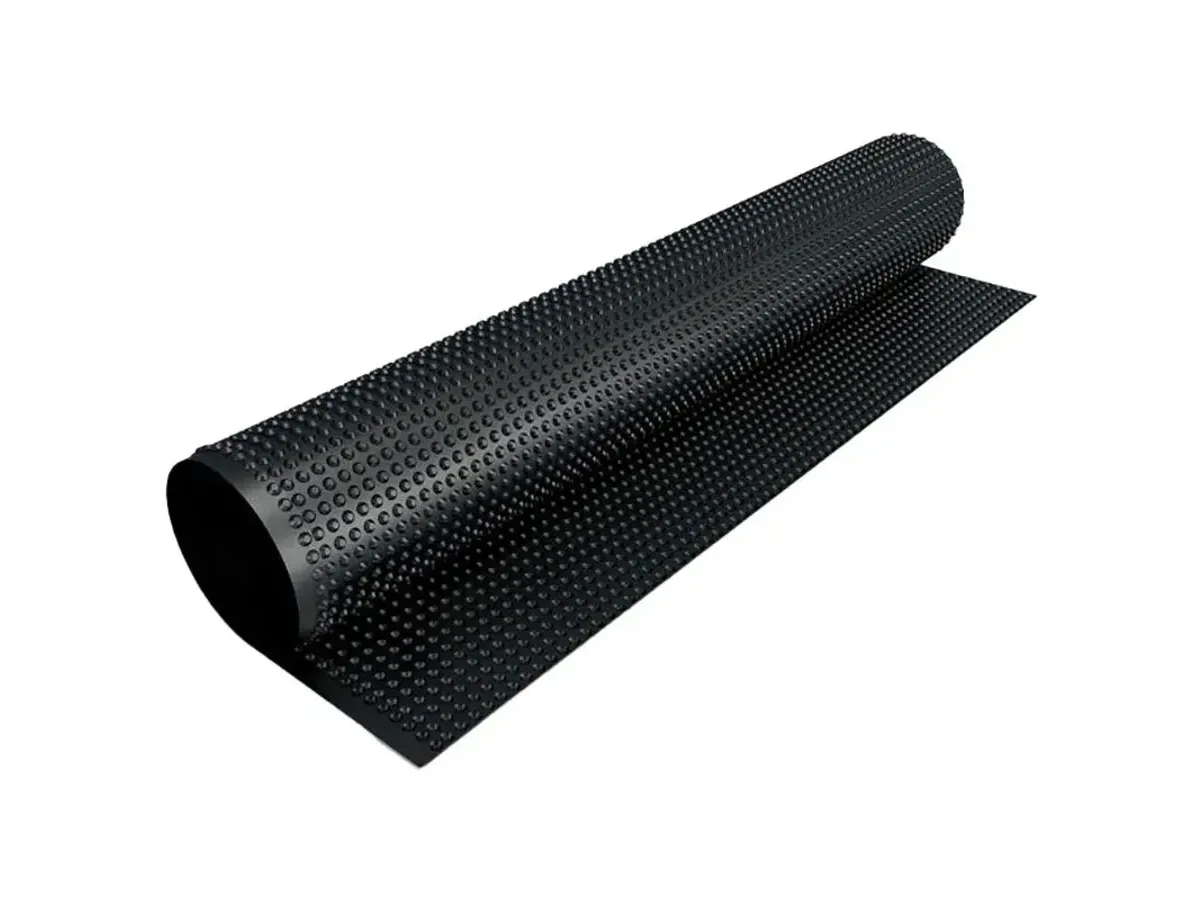
K11 Polymer Cement Waterproof Coating (Two-Component)
18 kg/barrelOrder on WhatsAppTZS 155,000perbucket




What outdoor wall lights are for
Outdoor wall lights do three jobs around a house: they let people see the steps and door at the entrance, they light the path or drive, and they make a terrace usable after dark. The lighting maker EGLO groups its exterior wall lights by those jobs — entrances, façades, patios and balconies, gardens.
Each job asks for a different amount and colour of light, and a light fixed to an outside wall faces weather an indoor fitting never meets. The sections below take brightness, colour, weather rating and sensors in turn.
Types of outdoor lights for a house
| Type | What it is | What the sources say |
|---|---|---|
| Wall lantern or wall lamp outdoor | a decorative fitting beside a door or gate | EGLO groups them by style and material, stainless steel among them |
| Bulkhead light | a compact, enclosed fitting fixed flat to the wall | the ILP rates bulkhead and porch lights as a good security choice: soft light, fewer shadows |
| Up-and-down light | throws beams both up and down a wall | EGLO uses them to pick out façade details; the ILP warns they light the porch poorly |
| Security floodlight | a bright lamp, often with a movement detector | the ILP says a domestic unit rarely needs more than 2,000 lumens |
| Garden lights | bollards and low path lights | the ILP shows low-level bollards for footways |
Street lights are a separate class built for public roads; this page covers lights fixed to a house.
How bright: lumens
Brightness is measured in lumens, not watts. EGLO’s guide gives 300–600 lumens for a small balcony or terrace and 500–1,000 lumens for each main light at an entrance or path, depending on mounting height, beam and wall colour.
The Institution of Lighting Professionals (ILP), in its Guidance Note 9/19 on domestic exterior lighting, points the same way. For many homes it prefers a bulkhead or porch light with a 600–900 lumen LED or compact fluorescent lamp, cheap enough to burn all night, over a floodlight. Above 2,000 lumens, it says, a floodlight only adds glare and deeper shadows.
Light colour
Colour temperature of LED outdoor wall lights and their lamps is printed in kelvin (K). EGLO suggests warm white, 2,700–3,300 K, for terraces and seating, where a softer light suits the space, and neutral white, 3,300–5,300 K, for entrances, paths and other places where people need to see clearly.
IP rating for exterior wall lights
The two digits of the IP code, defined in IEC 60529, rate the housing against solids and against water. On the water side, as SCHURTER summarises it, 4 means splashing and 5 means jets. EGLO’s guide treats IP44 as fine for sheltered walls, such as under a roof overhang; on walls open to driving rain or a hose, it points to IP54 or IP65.
For houses near the sea, EGLO’s guide gives no blanket rule: it asks buyers of stainless steel lights to follow each product’s material and care instructions.
Security lights and motion sensors
A security light with a movement detector switches on only when someone walks into range, which cuts running time. When comparing models, EGLO lists three settings to check: detection range, detection angle and how long the light stays on.
The ILP adds advice on aiming. Floodlights and detectors should be set to see and light only people on your own property, and the setting-up is best done at dusk, when the lit area can be judged. It favours units whose detector can be aimed separately from the lamp, with the LEDs pointing down.
Up-and-down lights and glare
Here the two sources pull apart. EGLO sells up-and-down wall lights to draw lines of light on a façade; the ILP says that, as porch lights, they barely light the porch and send a lot of uncontrolled light upwards. Its note explains why that matters: light leaving a fitting at 85–100 degrees from straight down is the main cause of sky glow, and the ILP’s table rates the glare from that band as high too.
For lights set low in stair risers and garden walls, see LED step lights. Fittings for inside walls are covered under wall lights, and lamp ratings in general under LED lights.
Questions
How bright should an outdoor wall light be?
EGLO's guide puts small balconies and terraces at 300–600 lumens and entrances and paths at 500–1,000 lumens per main light. The ILP adds that a security floodlight rarely needs more than 2,000 lumens.
Which IP rating do outdoor wall lights need?
EGLO treats IP44 as enough for sheltered spots under a roof or canopy and suggests IP54 or IP65 where the light takes driving rain or water from a hose.