









































Cement: types, strength classes and makers in Tanzania
Published · Updated
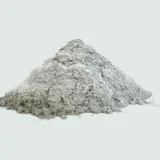
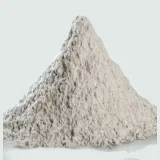
Cement is a grey powder of ground clinker, gypsum and other constituents that sets hard when mixed with water. In Tanzania it is packed in 50 kg bags, the size Tanga Cement and Dangote both name, and the code on the bag gives its type (CEM I to CEM IV) and strength class, such as 32.5 or 42.5.
In stock in Zanzibar
See all 11 products
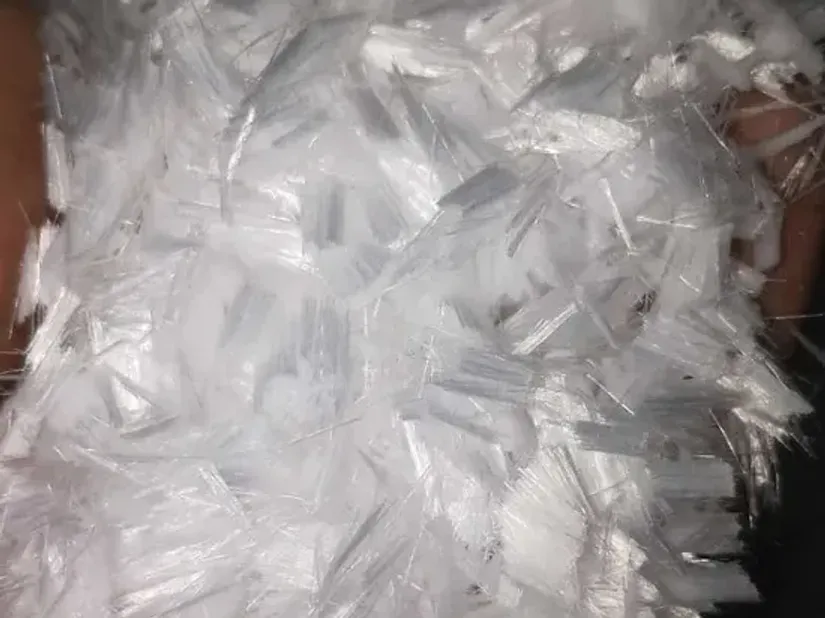
Polypropylene Fibre for Concrete and Mortar
Added to concrete and mortar mixes to limit plastic shrinkage cracks.
Order on WhatsAppTZS 15,100perkg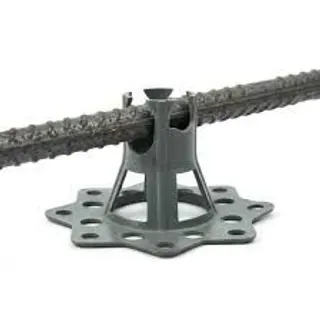
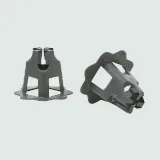
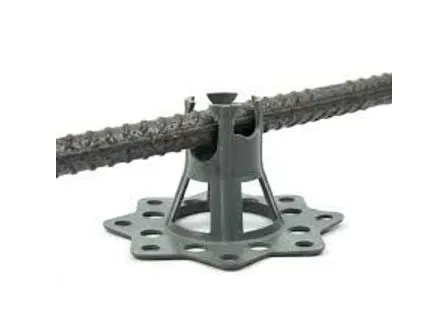
Plastic Rebar Chairs with Base (Rebar Spacers)
Plastic chairs that hold rebar at the right cover while concrete is poured.
Order on WhatsAppTZS 2,630perpiece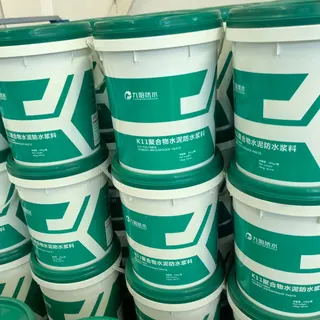
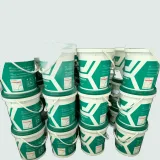
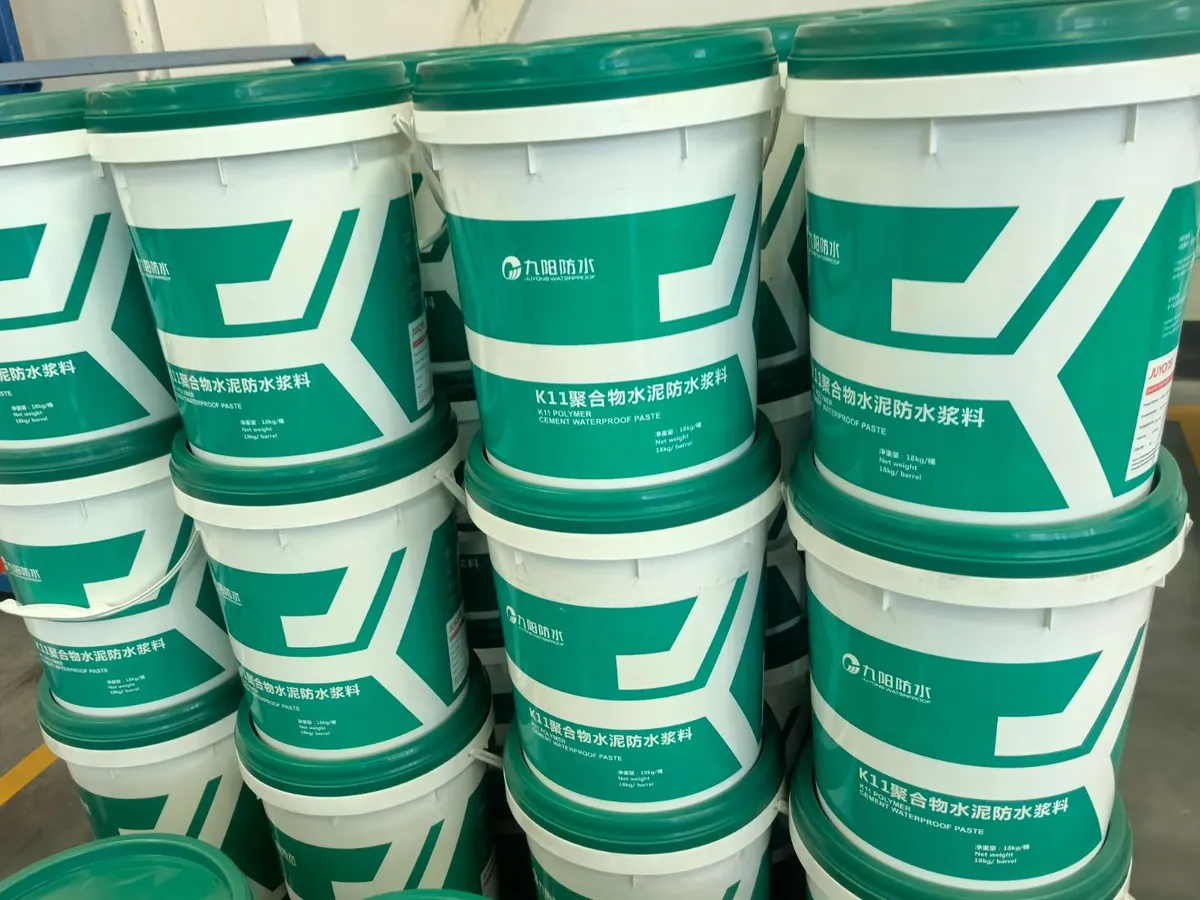
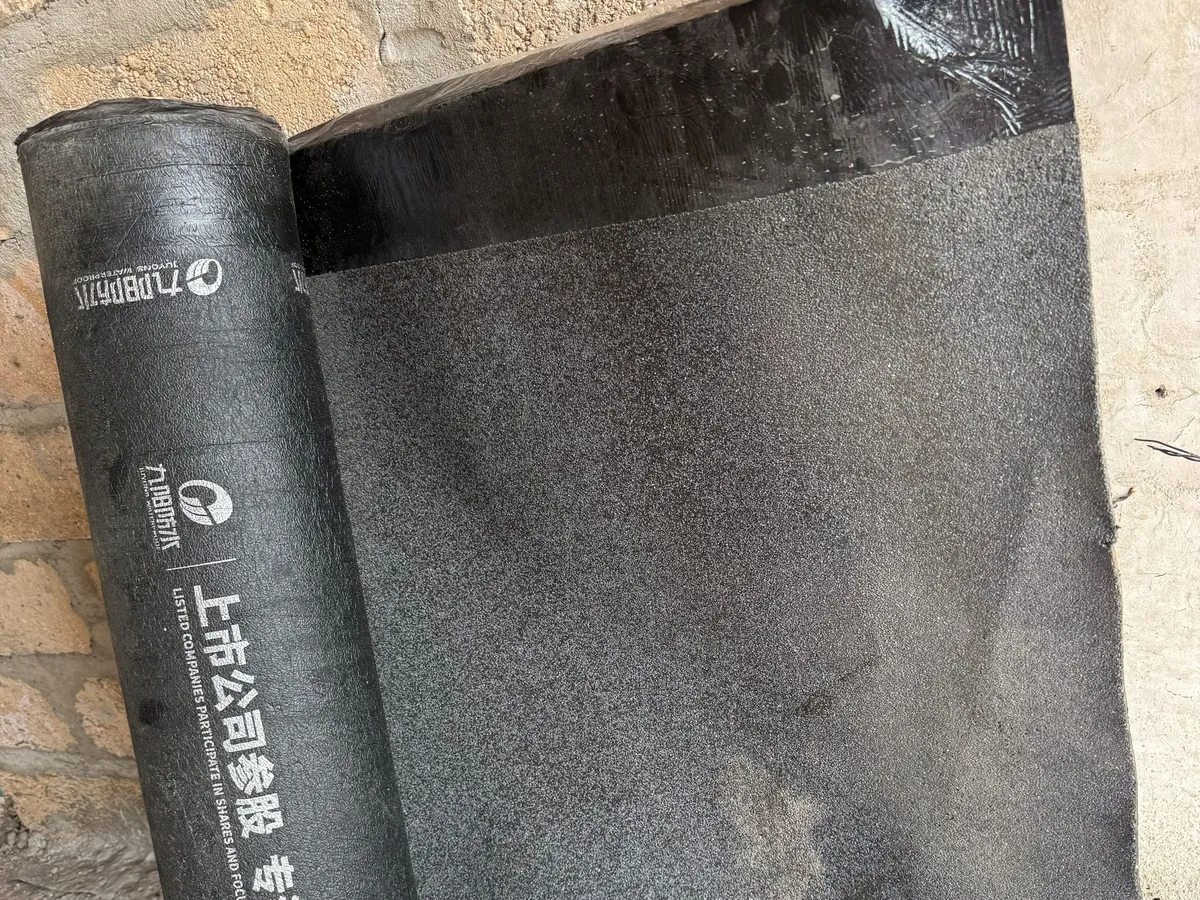
K11 Polymer Cement Waterproof Coating (Two-Component)
18 kg/barrelOrder on WhatsAppTZS 155,000perbucket
What cement is and how it is made
Cement is the binder in concrete, mortar and plaster: mixed with water, it hardens and holds sand and stone together. The 2025 annual report of Tanga Cement PLC, maker of Simba cement, describes the process at its plant in Tanga. Limestone is quarried, crushed and milled together with red clay into raw meal. The raw meal is burnt in rotary kilns into clinker, and the clinker is then ground with gypsum and limestone to make cement.
The same report says its packers fill normal 50 kg bags, 1.5-tonne jumbo bags and bulk tanker trailers. It also counts 13 plants competing in the market. The bag is the unit most buyers deal with, and its printed code is the first thing to read.
Cement types sold in Tanzania
Local makers label their products with the type notation of EN 197-1, the European standard for common cements. The share of clinker falls from type to type, and the rest is limestone, slag, pozzolana or other constituents. Composition ranges below come from a summary of the standard by engineer Muyiwa Ajumobi on Structville; the brand examples come from each maker’s own listing.
| Type | What it contains (EN 197-1) | Examples on the market in Tanzania | Maker’s source |
|---|---|---|---|
| CEM I, Portland cement | mostly clinker; up to 5% minor constituents | Twiga Ordinary (CEM I 42.5N) | Twiga Ordinary page |
| CEM II/A, Portland-composite | 80–94% clinker; 6–20% another constituent | Nyati Super 42 (CEM II A-L 42.5R) | Lake Cement |
| CEM II/B, Portland-composite | 65–79% clinker; 21–35% another constituent | Twiga Extra (CEM II B/L 32.5R), Twiga Plus and Simba Bora (CEM II/B-M 42.5N) | Twiga product pages; Tanga annual report |
| CEM III/B, blast-furnace | 66–80% slag | Twiga Mega (CEM III B/SR 42.5N) | Twiga Mega page |
| CEM IV/B, pozzolanic | 45–64% clinker; pozzolana, fly ash or silica fume | Simba Imara (32.5R), Simba Barabara (32.5N) | Tanga annual report |
Not every bag carries an EN 197-1 code. Twiga Jenga is listed on the Twiga home page as MC 22.5X, a masonry cement, and Camel Cement’s four products are named on the Amsons Group page by strength class only.
Strength classes: 32.5, 42.5 and the N or R letter
The number on the bag is the strength band the product must reach at 28 days in a standard test, in megapascals. On the Structville summary, class 32.5 must land between 32.5 and 52.5 MPa, class 42.5 between 42.5 and 62.5 MPa, and class 52.5 at 52.5 MPa or more. The higher class also has a shorter minimum time before it starts to set: 60 minutes for 42.5 against 75 minutes for 32.5.
The letter after the class says how fast strength comes in the first days. N is normal early strength; R is rapid. A Finnsementti data sheet for a 42.5 R product quotes the requirement as at least 20 MPa after 2 days. Twiga presents its Plus Rapid product, made for block makers, as setting faster and raising production speed.
Which cement for which job
Tanzanian makers say in their own documents what each product is designed for. Their wording is the safest guide, and a structural engineer’s drawing always comes first when it names a class.
| Job | What the maker recommends |
|---|---|
| Reinforced concrete: foundations, columns, beams, slabs, precast | Simba Bora 42.5N; Tembo Supaset 42.5N for bridges and high-rise work |
| Blocks, bricks, paving slabs, kerbs | Simba Imara 32.5R; Twiga Plus Rapid; Camel 42.5R |
| Plaster, forming and moulding | Twiga Extra 32.5R |
| Mortar for joints between precast elements | Simba Imara 32.5R |
| Road sub-base and soil stabilisation | Simba Barabara 32.5N; Camel 32.5N |
| Water-retaining structures and reservoirs | Simba Imara 32.5R |
For concrete and mortar made with any of these, Kitovu has Polypropylene Fibre for Concrete and Mortar in stock in Zanzibar: by the supplier’s details, 12 mm monofilament fibre dosed at 0.9 kg per m³ for plastic shrinkage crack control.
What to check when you buy cement
- The code on the bag. Match the type and class to the drawing or to the maker’s recommended use. A 32.5 bag is not a substitute where 42.5 is specified.
- The maker’s documents. Twiga posts a monthly certificate for each product on its product pages; on 12 November 2026 the newest one was for September 2026.
- The state of the cement. Ohorongo Cement’s storage guidance says lumps mean the powder has taken in moisture. Lumps that crumble by hand can still be used with a little extra cement in the mix; hard lumps are not fit for building.
- How you will store it. The same guidance keeps bags on pallets or timber, never on bare ground or concrete, at most two pallets high, under a roof or sheeting, and used first in, first out. Stored that way, it says, the bags keep their properties for up to 6 months.
Who makes cement in Tanzania
The plants behind the main brand names in Tanzania, by their own sites and reports:
- Twiga — Tanzania Portland Cement PLC, Wazo Hill, Dar es Salaam: Twiga Cement grades.
- Simba — Tanga Cement PLC, Pongwe, Tanga: Simba cement by Tanga Cement.
- Tembo — Mbeya Cement, Songwe Industrial Area, Mbeya Region; part of Amsons Group, which also makes Camel Cement in Mbagala, Dar es Salaam.
- Nyati — Lake Cement.
- Dangote — a plant in Mtwara with a capacity of 3.0 million tonnes a year, operating since 2015, according to the investment authority TISEZA.
White cement is a different product with its own makers and uses, covered under white cement. Kitovu does not sell cement itself.