













































































































Granite
Published · Updated
Granite is a hard igneous stone of quartz, feldspar and mica, cooled slowly from magma deep underground. The Natural Stone Institute gives its water absorption as 0.05% to 0.40% by weight, which leaves little room for stains, and its heat resistance as up to about 250°C. It is cut into tiles, slabs and kerbs.
In stock in Zanzibar
See all 11 products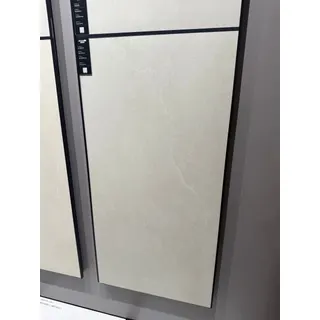
Beige Porcelain Tile 1200x600 mm, Matt Anti-Slip R10
1200 × 600 mmR10Beige 1200 × 600 mm porcelain, matt R10 anti-slip, for floors and walls, wet areas included.
Order on WhatsAppTZS 49,680pertile
K11 Polymer Cement Waterproof Coating (Two-Component)
18 kg/barrelWaterproof layer for bathroom and kitchen floors that tiles are laid over.
Order on WhatsAppTZS 155,000perbucket






What granite stone is
Dedalo Stone, an Italian stone company, describes granite as a plutonic magmatic rock: magma that cooled slowly far below the surface, then reached daylight through erosion and uplift over millions of years. Its three main minerals are quartz, feldspar and mica, which give the stone its grainy, speckled look and its many colours.
According to the Natural Stone Institute, an industry association, China, India and Brazil together supply about two thirds of the stone used worldwide.
Properties of granite
The Natural Stone Institute sets out why the stone is used where other surfaces wear out:
| Property | What the Institute states |
|---|---|
| Hardness | one of the hardest dimension stones; its minerals are harder than kitchen utensils, so it resists scratching |
| Heat | typically resists temperatures up to 250°C; strong local heat can still crack it |
| Water absorption | 0.05% to 0.40% by weight, so there is little pore space for stains |
| Weathering | long used for exterior cladding, paving and kerbs |
For comparison, porcelain tiles absorb 0.5% or less under EN 14411 — see ceramic tile groups. Both are dense; granite is quarried, porcelain is fired.
Granite finishes
The surface of a tile or slab is finished in the factory. MSI’s granite tile range is offered in four finishes: polished, honed, brushed and flamed. Polished is the glossy face that shows the crystals; honed is matt. For a veranda, steps or a pool edge, ask the seller for the slip rating of the finish you choose — the marble tiles page quotes a stone supplier on honed faces for busy, slippery areas.
Granite tiles and granite slabs
It is sold in two forms:
- Granite tiles — thin pieces for floors and walls. MSI lists them in 12 × 12, 12 × 24, 18 × 18 and 24 × 24 inch sizes (about 30 × 30 to 60 × 60 cm, our conversion). They are fixed with adhesive like ceramic tiles; the tile adhesive page sets out the classes, and Sika lists its SikaCeram-650 tile grout for these joints.
- Granite slabs — large sheets for kitchen worktops, vanity tops, stairs and tables. MSI sells its slabs 2 cm and 3 cm thick, cut to size by a fabricator. Worktops are the main use the Natural Stone Institute names for homes.
“Granite tiles” in Tanzanian shops
In Tanzania the words tile and granite are not always used for natural stone. People search for “grenight tiles”, and the shop ASHUBA, on its page for Twyford tiles, describes “tiles za granite” as tiles with a glass-like top that shines under light — that is, glossy ceramic or porcelain, not quarried stone. In South Africa, Womag lists “granite type tiles” as a category of tiles made to look like granite.
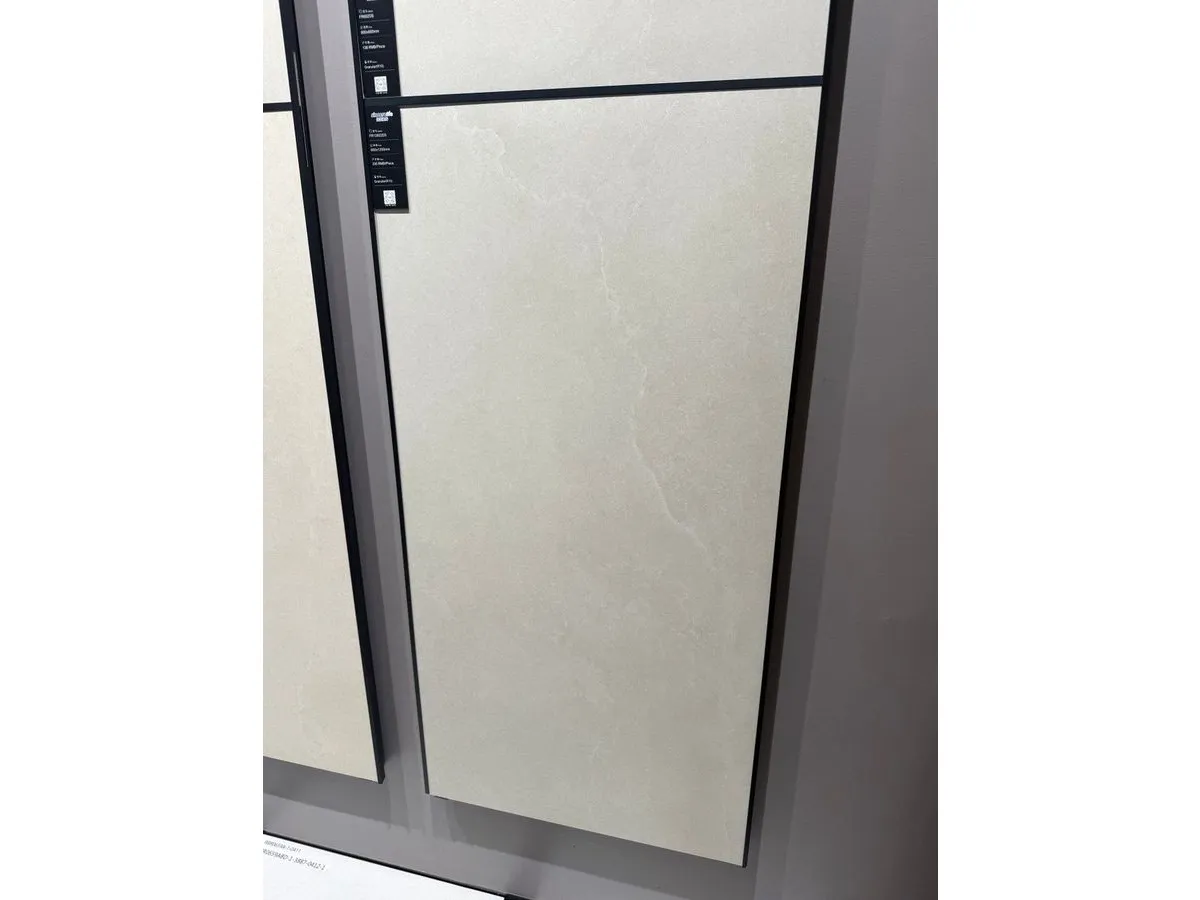
Before buying, ask the seller whether the tiles are natural stone or a granite-look tile. In natural stone each tile differs; a fired tile repeats its printed pattern. Kitovu does not stock granite; it keeps a stone-look porcelain in Zanzibar, the Beige Porcelain Tile 1200x600 mm, Matt Anti-Slip R10.
Looking after granite
The Natural Stone Institute notes that impregnating repellents are sometimes applied to raise its stain resistance further. For worktops, MSI advises sealing once a year with a penetrating sealer made for the stone, and cleaning with mild detergent and water rather than harsh or abrasive cleaners. Avoid direct local heat, such as a pan straight from the hob, since the Institute warns that it can start a crack. Other natural stone is covered on the marble tiles page.