











Cementitious waterproof coating (K11 type): how it works
Published · Updated
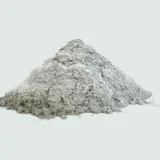
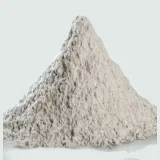
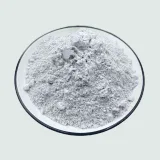
A cementitious waterproof coating is a cement powder mixed with water or a polymer liquid into a slurry and brushed on in thin coats. It cures into a hard or flexible film that tiles can be laid on. Data sheets give 1.5 to 2.1 kg of mix per m² for each millimetre of film.
In stock in Zanzibar
See all 11 products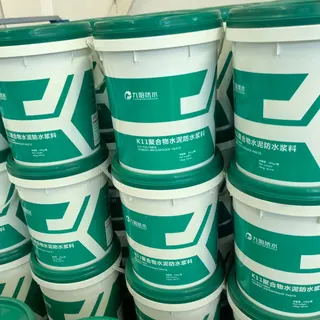
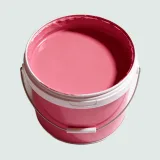
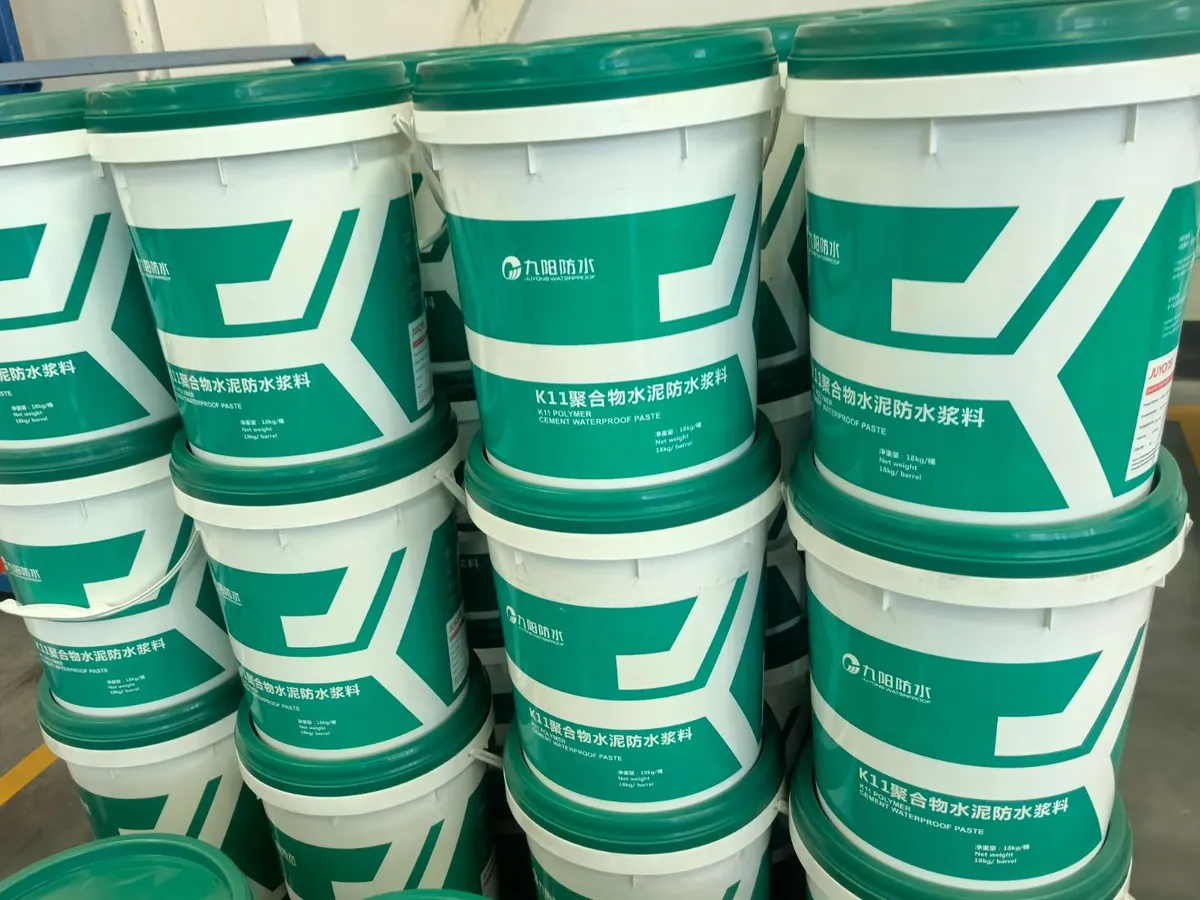
K11 Polymer Cement Waterproof Coating (Two-Component)
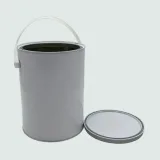
18 kg/barrelBrush-on cement coating for bathrooms, kitchens, balconies, basements and pools; tiles can go over it.
Order on WhatsAppTZS 155,000perbucket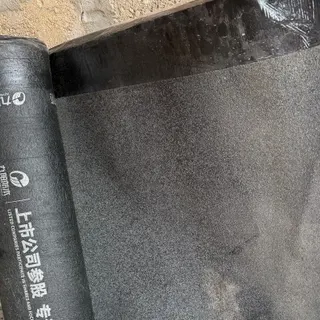
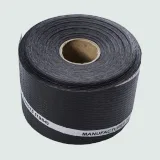
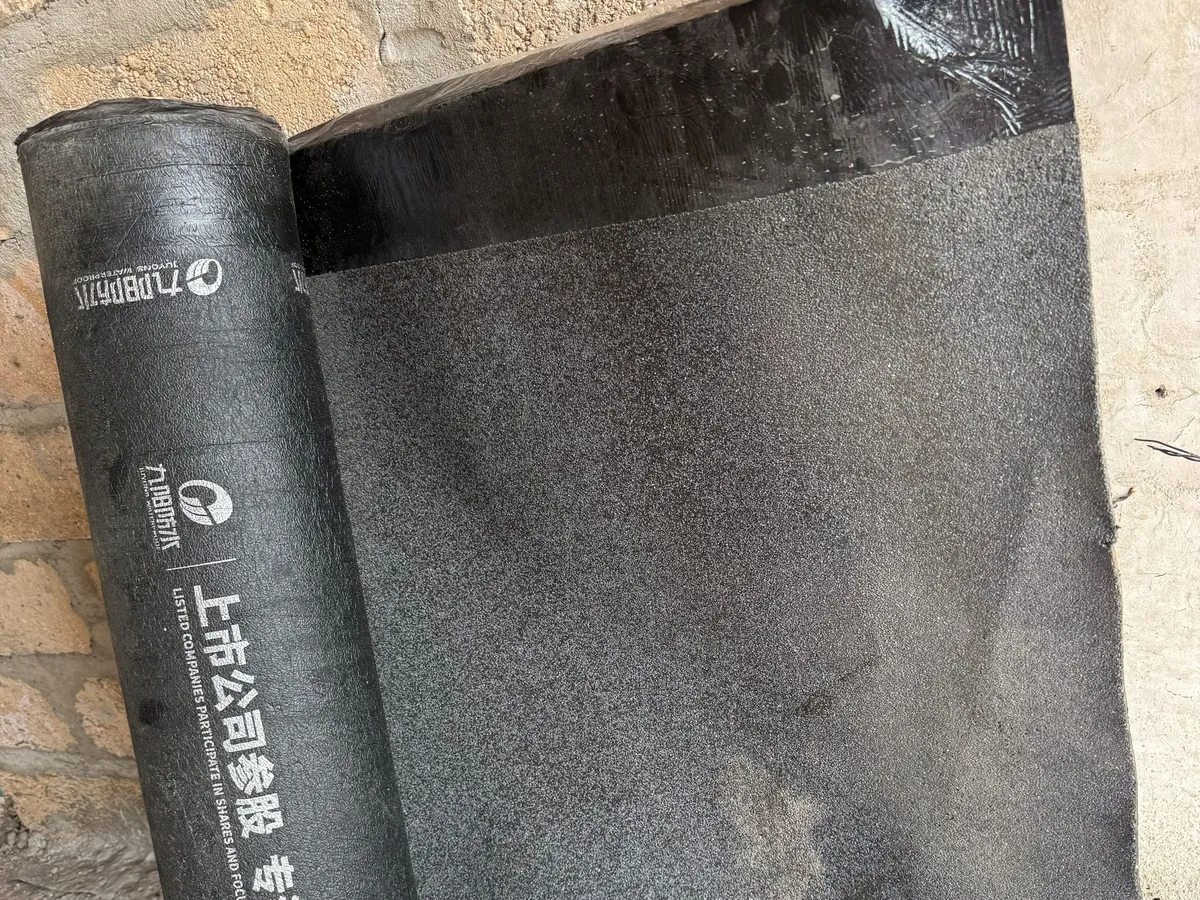
APP Torch-On Waterproofing Membrane, Mineral Finish
3 mm, 4 mmTorch-on APP roll with a mineral top for flat roofs, terraces and foundations.
Order on WhatsAppTZS 192,000perroll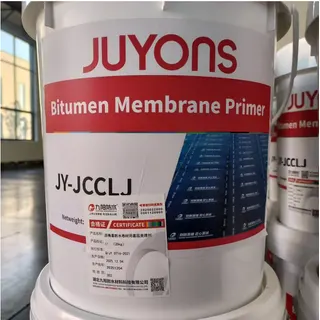
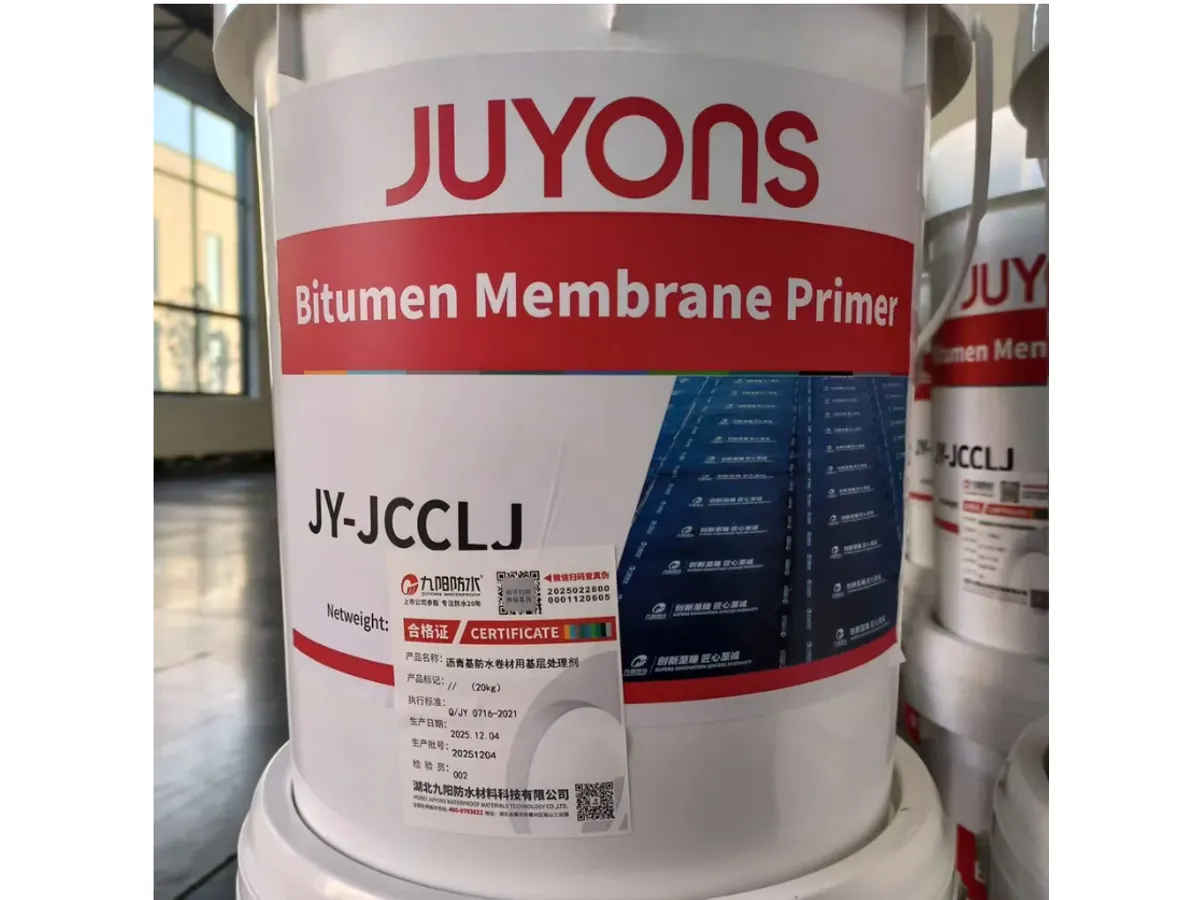
Water-Based Bitumen Primer for Waterproofing Membranes
20 kgWater-based primer brushed on the base before a bitumen membrane goes down.
Order on WhatsAppTZS 126,240perbucket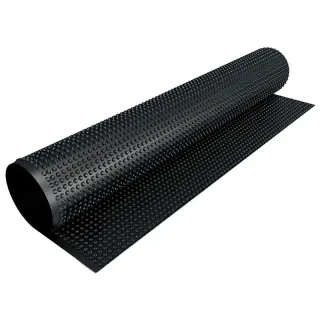
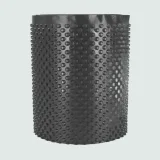
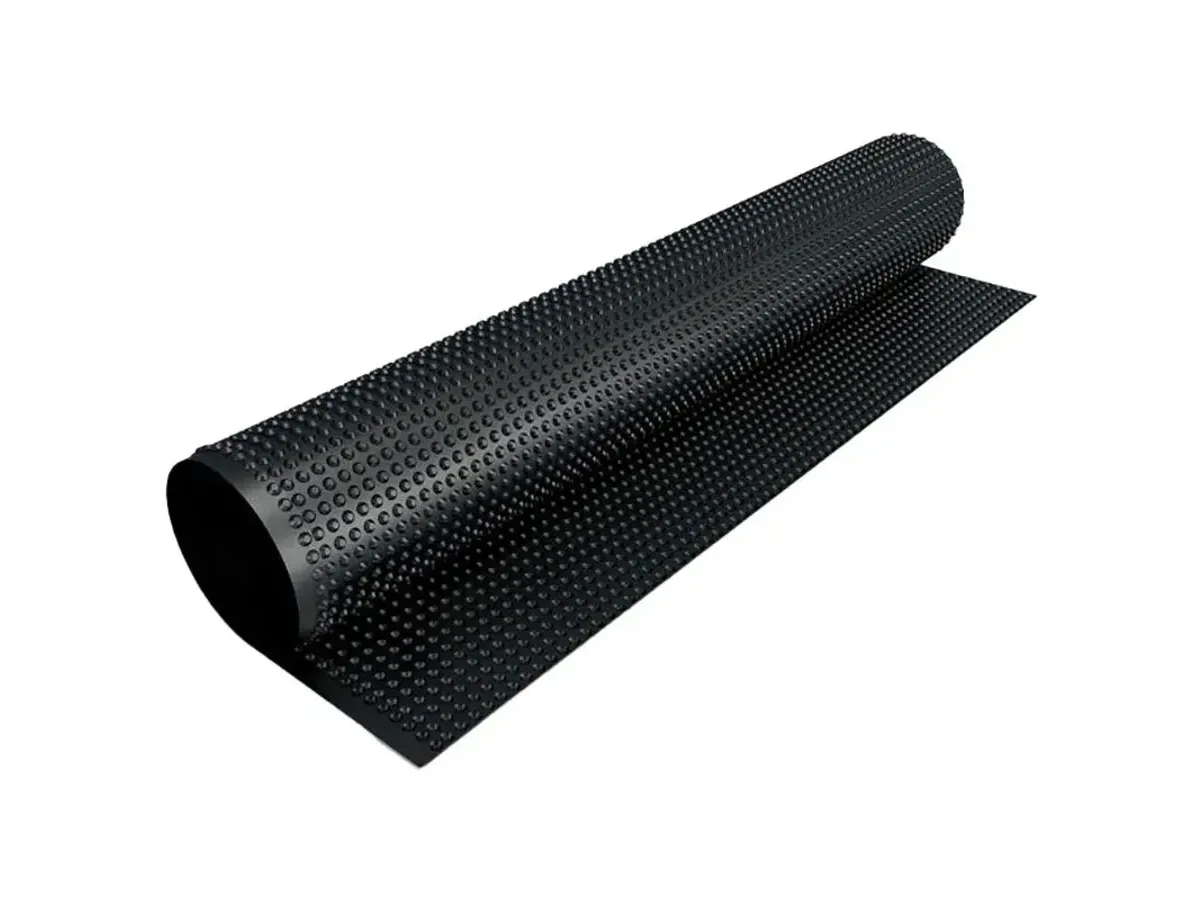
Dimple Drainage Membrane 8 mm with Geotextile (HDPE Drainage Board)
Studded drainage membrane that protects foundation walls below ground.
Order on WhatsAppTZS 328,000perroll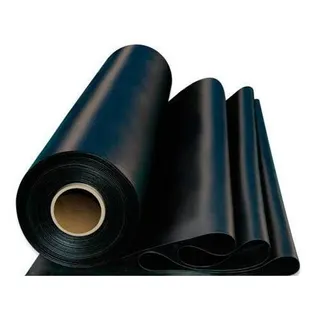
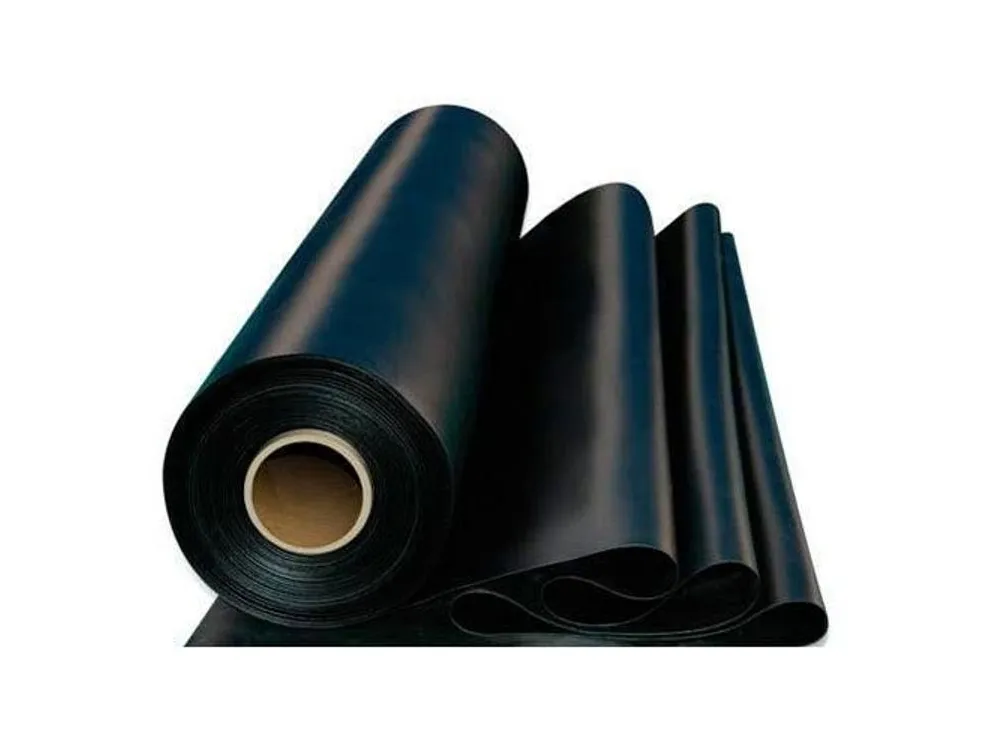
HDPE Geomembrane (Dam Liner), Smooth, 0.3 mm
Smooth0.3 mm0.3 mm HDPE sheet, ordered by Kitovu for damp proofing under floor slabs.
Order on WhatsAppTZS 1,052,000perroll
What a cementitious waterproof coating is
Builders know it under several names: waterproof slurry, cementitious waterproofing, polymer cement coating, or simply K11 — a product name that several makers print on their buckets, JUYONS among them. Whatever the label, the product is a fine cement-based powder that is mixed into a slurry on site and brushed, trowelled or sprayed onto concrete, render or blockwork. Once cured it forms a continuous layer with no joints.
The coating sits between two other families. A waterproof cement admixture changes the mortar itself and has no separate layer. A bitumen or rubber sheet is a separate layer but comes in rolls with laps. The cement coating is a separate layer applied wet, which is why it suits rooms full of corners, floor drains and pipes.
One-part and two-part coatings compared
The main split is in what the powder is mixed with. A one-part product is mixed with clean water only; a two-part product comes with its own polymer liquid, which makes the cured film more flexible. The three products below show the range in their own data sheets.
| Product | Parts | Mix per m² for each mm of film | Coats or minimum thickness |
|---|---|---|---|
| Sika Damp-proofing Slurry | one: powder + water | 2.1 kg | — |
| Mapei Mapelastic Zero | two: powder (A) + liquid (B), 3 : 1 | about 1.7 kg by hand | at least 2 mm in total |
| JUYONS K11 | two: emulsion + powder | about 1.5 kg | 2–3 thin coats |
Flexibility is the figure that separates them on site. Mapei states that Mapelastic Zero stays flexible down to −20°C and bridges cracks of at least 0.75 mm in the EN 14891 tests. The JUYONS sheet gives a lateral deformation capacity of at least 2.0 mm for its K11. The Sika listing gives no crack-bridging figure for its one-part slurry; its listed uses are basements and cellars, concrete, render and masonry, and the lining of tanks, pools and planters.
How thick, and how much to buy
Thickness is set by the quantity applied, so coverage per millimetre is the number to plan with. Mapei asks for a finished film of at least 2 mm; the JUYONS sheet gives the coverage rate but no minimum thickness, so check with the supplier before relying on one millimetre.
Our calculation for a shower room with 12 m² of floor and wall area to cover at 2 mm:
- with the JUYONS figure, 12 × 2 × 1.5 = 36 kg, or two 18 kg buckets;
- with the Mapei figure, 12 × 2 × 1.7 = 40.8 kg, a little over one 32 kg unit.
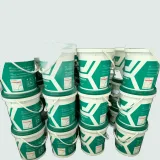
Kitovu stocks the K11 Polymer Cement Waterproof Coating (Two-Component) by JUYONS in Zanzibar, in 18 kg buckets. Bathrooms, toilets, kitchens, balconies, basements, walls and swimming pools all appear in the uses on its sheet.
Mixing and applying: what the data sheets agree on
Each product has its own sheet, and the details differ. These points appear in both the Mapei and the JUYONS documents:
- A sound, clean base. JUYONS asks for a flat, clean base free of oil, with corners rounded, and a damp but not puddled surface on very absorbent substrates.
- Machine mixing. JUYONS gives 3 to 5 minutes with a mixer until no dry powder is left; Mapei recommends a low-speed mechanical mixer and advises against hand mixing.
- A working-time limit. 30 minutes for the JUYONS K11, about 60 minutes at +20°C for Mapelastic Zero. No water is added once mixed.
- More than one coat. JUYONS: 2–3 thin coats, each at right angles to the last, once the previous one is dry and not sticky, a wait of about 4 to 8 hours in the JUYONS document. Mapei: a second layer after 4–5 hours.
- Temperature limits. 5–35°C for the JUYONS product; +8 to +35°C for Mapei, which also asks for the fresh coat to be shaded from sun and wind in hot weather.
Mesh, corners and cracks
The weak points of any coating are the places where the base moves or changes direction. Mapei recommends embedding its alkali-resistant glass-fibre mesh in the first fresh coat on terraces, balconies, basins and swimming pools, and in any area with fine cracks. JUYONS asks for internal and external corners to be rounded before coating. Joints between wall and floor, around drains and around pipes deserve the same care; the step-by-step order for a wet room is on the bathroom waterproofing guide.
Under tiles, not on show
A cement coating is usually the hidden layer beneath tiles. Mapei states that Mapelastic Zero must not be left exposed in a swimming pool and sets a wait of at least 5 days of curing before ceramics are laid on it. The JUYONS K11 sheet allows tiling over the cured coat but gives no waiting time — ask for it before you plan the tiling.
EN 14891, the standard Mapei quotes, covers liquid-applied waterproofing used under ceramic tiles; a product that declares it has been checked for that job. For tanks and pools, the pool and tank waterproofing guide sets out the order of work. Drinking water is a separate question: neither the JUYONS data sheet nor its bucket label mentions it, so do not use the product in a drinking-water tank unless the maker confirms in writing.
What to check when you buy
- Both parts in the pack. A two-part coating needs its liquid and its powder; one without the other will not cure as designed.
- The mix ratio. Mapei prints 3 : 1. The JUYONS sheet says “according to the corresponding proportion” without a number — read the bucket label for your batch.
- Coverage per millimetre. It ranges from 1.5 to 2.1 kg/m² in the table above, so the same thickness needs different quantities.
- A declared standard. EN 14891 for use under tiles, EN 1504-2 for protecting concrete. Mapei declares both; the Sika listing gives EN 1504-2 for its one-part slurry.
- Curing time before tiles. Five days for Mapei; not stated by JUYONS.