













































































































Adhesive tape: types, adhesives and what each one is for
Published · Updated
Adhesive tape is a strip of paper, film, cloth or foil coated with a pressure-sensitive adhesive that bonds under hand pressure. Four kinds cover most building work, and tesa's data sheets show how far apart they are: from 90 µm washi masking tape to 260 µm cloth repair tape.
In stock in Zanzibar
See all 11 products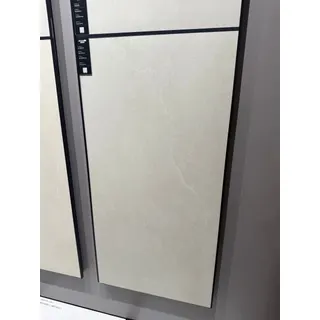
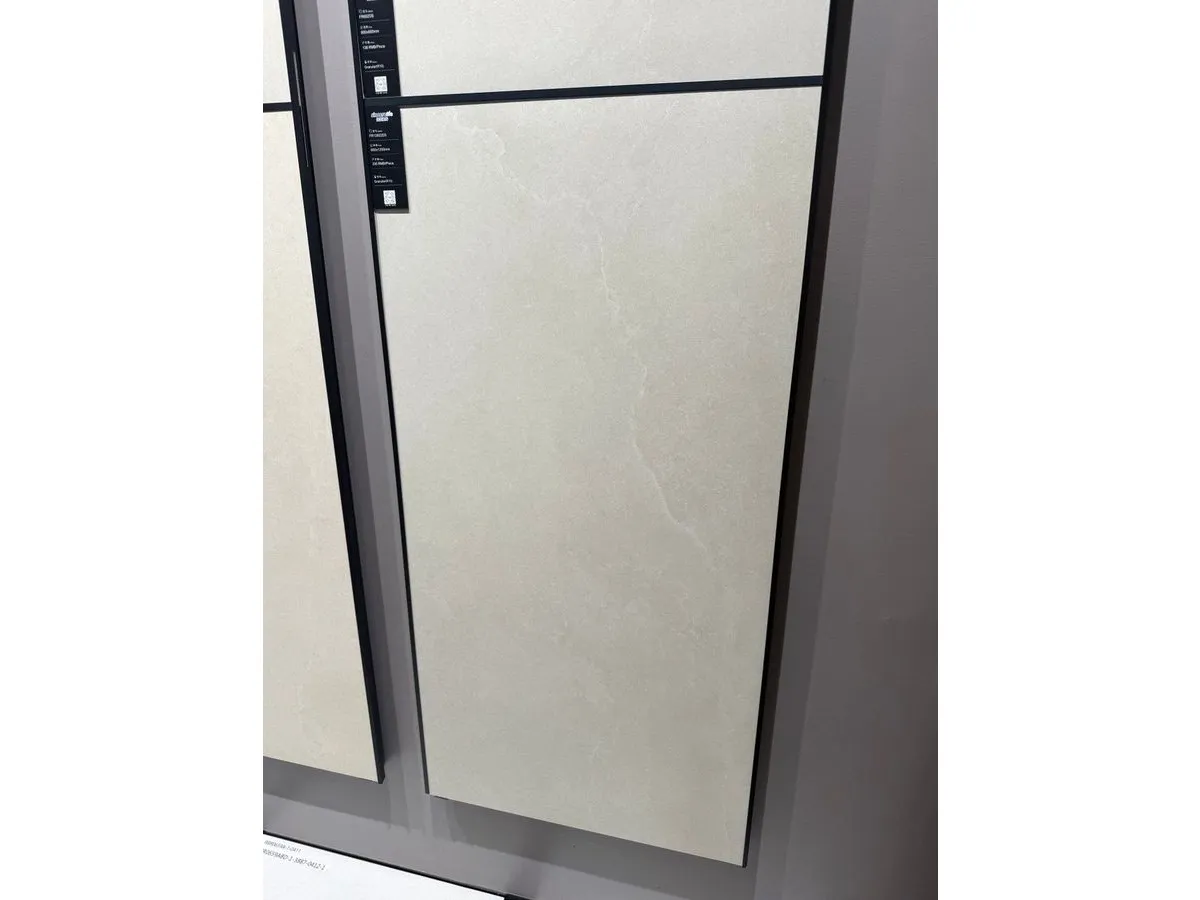
Beige Porcelain Tile 1200x600 mm, Matt Anti-Slip R10
1200 × 600 mmR10Order on WhatsAppTZS 49,680pertile
K11 Polymer Cement Waterproof Coating (Two-Component)
18 kg/barrelOrder on WhatsAppTZS 155,000perbucket




What adhesive tape is
Adhesive tape has two parts: a backing, which can be paper, plastic film, cloth or metal foil, and a layer of pressure-sensitive adhesive, which sticks as soon as it is pressed onto a surface without heat or water. The backing decides what the tape can survive, from paint and sun to cutting and tearing; the adhesive decides what it will stick to and for how long.
On a building site the same word covers very different products. A masking tape that has to come off clean after a paint job and a PVC tape that has to insulate a cable joint share little beyond the roll.
Four tapes used on site
The table compares four tesa products, one from each family, using the figures on their data sheets:
| Tape | Backing | Adhesive | Thickness | Heat resistance | What tesa names it for |
|---|---|---|---|---|---|
| tesa 4334 Precision Mask | washi paper | acrylic | 90 µm | 120°C for 1 h, 150°C for 30 min | sharp paint edges; clean removal |
| tesa 4688 | PE-coated cloth | natural rubber | 260 µm | 110°C | repairs, masking, construction films, cable bundles |
| tesa 53988 | soft PVC | natural rubber | 150 µm | 90°C | insulating and marking wires |
| tesa 50565 | 50 µm aluminium foil | acrylic | 90 µm | −50°C to +150°C | sealing ducts and insulation joints |
The cloth tape is the strongest of the four at 52 N/cm, against 25 N/cm for the PVC tape, and it tears straight by hand. The PVC adhesive tape stretches instead: tesa gives 240% elongation at break, which lets it wrap tightly round a cable joint.
Rubber, acrylic or silicone adhesive
MPI, a US tape converter, sets out the trade-offs. Natural rubber grips hard on first contact and has higher shear strength than acrylic, but copes poorly with high temperatures and UV. Acrylic adhesive tape stands up to UV, heat, humidity and chemicals, although it takes longer to reach full bond. Silicone handles the hottest and coldest conditions, and butyl works in cold, damp places.
Addev Materials puts it in terms of use: rubber for low-cost indoor work, acrylic for permanent outdoor jobs and for low-energy plastics such as polyethylene and polypropylene, silicone for silicone parts and extreme temperatures. For a tape that will sit in the sun on a roof or wall, that points to an acrylic adhesive.
Masking tape: how long it can stay on
Masking tape is judged by how cleanly it comes off. tesa rates its 4334 for residue-free removal after up to eight weeks outdoors and up to six months indoors, and for oven drying at the temperatures in the table. Removal ratings differ from tape to tape, so check the stated time on the roll before masking windows or tiles for a long job. Sealant joints are a short case: Sika’s application notes for a door sealant joint have both edges masked and the tape pulled off within five minutes of applying the sealant.
Electrical and foil tape
PVC insulation tape is the one adhesive tape with an electrical rating. tesa 53988 is certified to IEC 60454-3-1, the international standard for PVC insulating tape, by the VDE, IMQ and SEMKO testing bodies, and its data sheet gives a dielectric breakdown voltage of 7,000 V. It also comes in several colours, which tesa offers for marking and colour-coding wires.
Aluminium foil tape does a different job. tesa describes the 50565 as moisture-resistant and a vapour barrier, flame-retardant to UL 510A, and lists the sealing of ducts and joints in insulation among its uses. For water on roofs and gutters, a bitumen sealant tape is the closer match, and pipe threads take PTFE thread tape, which has no adhesive at all. Where two sheets must be bonded over their whole face, Henkel lists laminates, rubber and leather among the materials for its contact adhesive, Pattex glue.
How to apply adhesive tape
- Clean the surface and remove grease; Addev notes that for tapes this is usually all the preparation needed.
- Press the tape down along its whole length; a pressure-sensitive adhesive bonds through pressure.
- Give an acrylic tape time before loading it, since MPI notes that acrylics take longer to reach full bond.
Tape is not a structural fixing. Addev places tapes in non-structural and semi-structural work, such as fixing signs, not in joints that carry a building load.
What to check when you buy
- Backing and thickness. Paper, cloth, PVC or foil, and the thickness in µm; tesa lists 90 to 260 µm across the four tapes above.
- Adhesive. Acrylic for sun and long outdoor service, rubber for quick indoor work.
- Temperature. The data sheet should state heat resistance, and for foil tape the full operating range.
- Removal. For masking, a stated number of days or weeks with residue-free removal.
- Ratings. For electrical work, IEC 60454-3-1 on the PVC tape; for foil tape on ducts, a flame rating such as UL 510A.
Questions
What types of adhesives are used to make tapes?
Mostly natural rubber, acrylic, synthetic rubber (butyl) and silicone. MPI, a US tape converter, describes rubber as strong on first contact but weak in heat and sun, acrylic as resistant to UV, heat and humidity, and silicone as the choice for extreme temperatures.
How do I apply tape properly?
Start with a clean surface. Addev Materials notes that because tapes are not meant for structural joints, preparation usually comes down to degreasing the surfaces; then press the tape down firmly along its whole length.