


Emulsion paint for walls and ceilings
Published · Updated
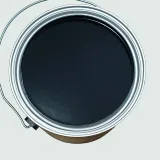
Emulsion paint is a water-based wall and ceiling paint: pigment held in an acrylic or vinyl binder, thinned with water. Nippon Paint's data sheet for its matt Easycoat gives a theoretical 8–10 m² per litre per coat, two coats over a sealer, and a recoat time of 2 hours.
In stock in Zanzibar
See all 11 products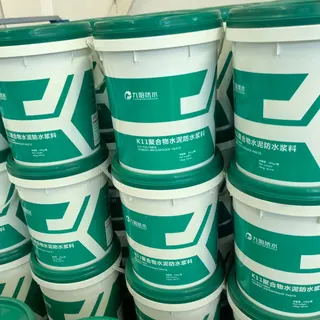
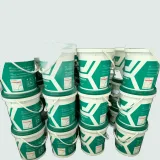
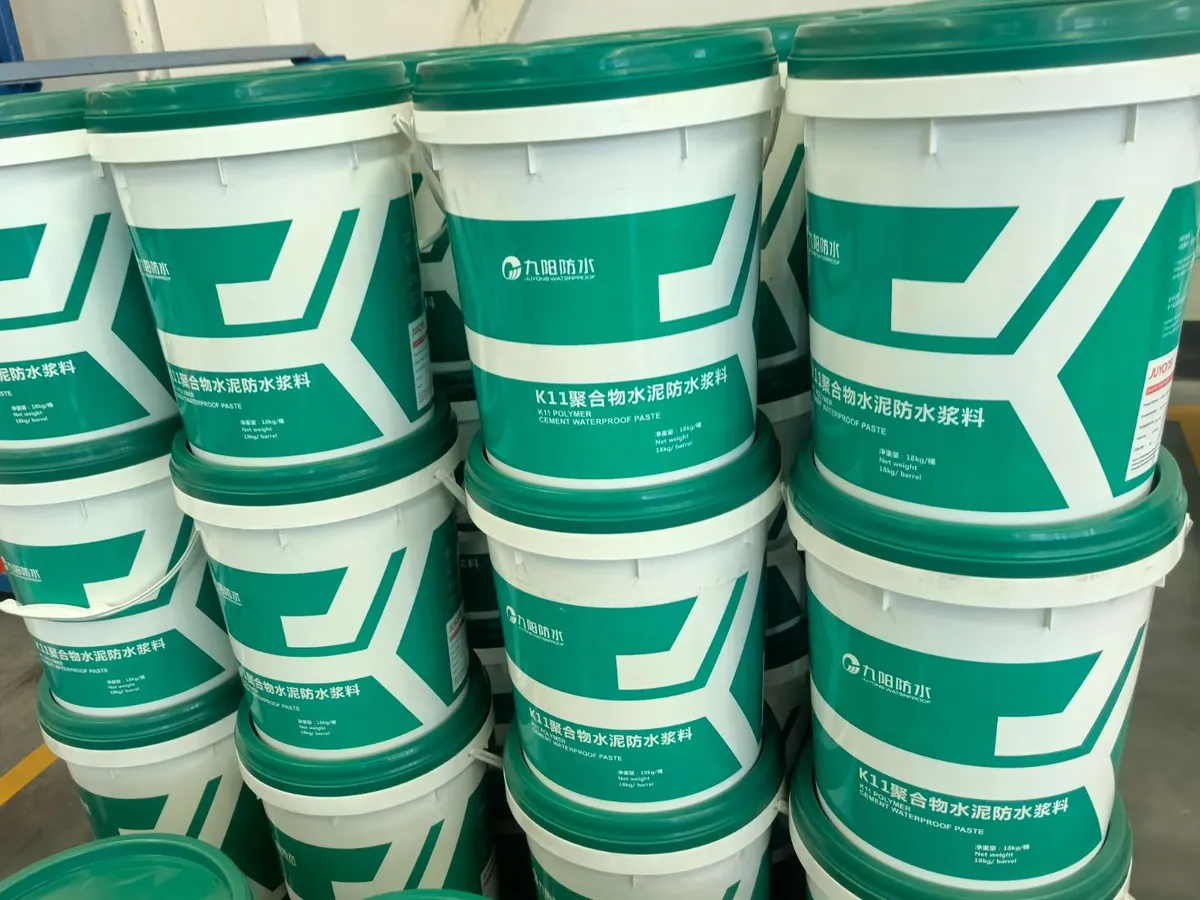
K11 Polymer Cement Waterproof Coating (Two-Component)
18 kg/barrelOrder on WhatsAppTZS 155,000perbucket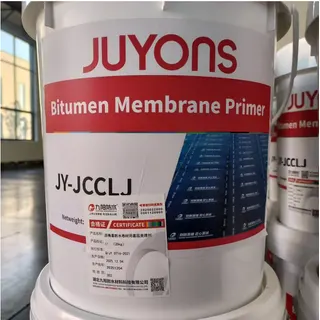
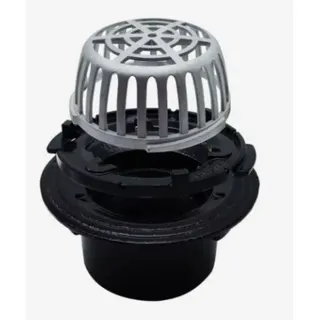
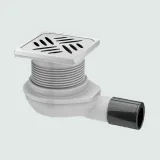
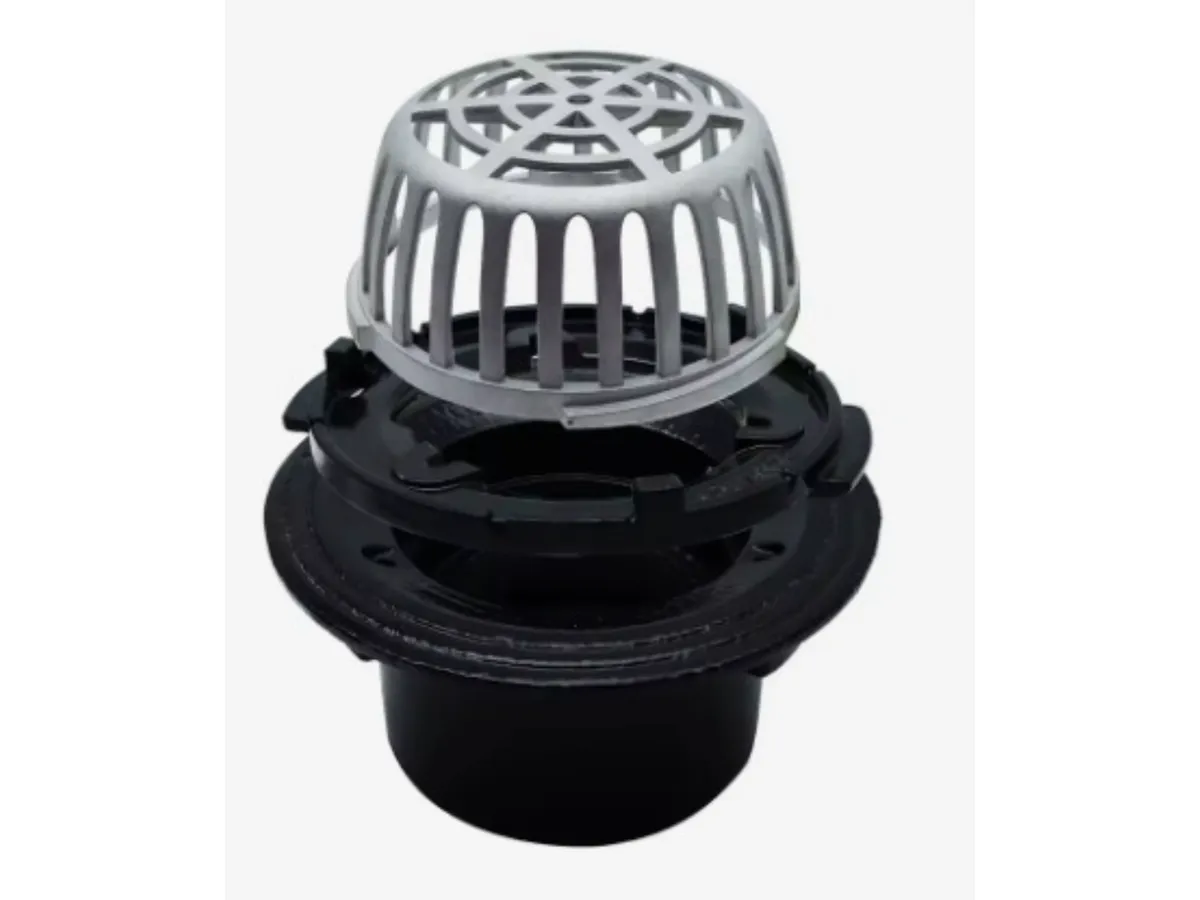
Flat Roof Drain with Dome Strainer for 110 mm Pipe
For 110 mm pipeOrder on WhatsAppTZS 159,900perpiece
What emulsion paint is
Emulsion is the everyday paint for plastered walls and ceilings. Its film-forming part, the binder, is a synthetic resin — acrylic or vinyl — dispersed in water, and the colour comes from pigments carried in it. As the water evaporates, the resin particles join into a film that holds the pigment on the wall.
Asian Paints describes the same make-up and adds that additives against mould and mildew go into paints meant for damp rooms or longer outdoor exposure. Because the thinner is water, the smell is mild and brushes and rollers clean up under the tap.
What is in a tin
A technical data sheet lists the recipe. Nippon Paint’s Easycoat data sheet, for a matt interior emulsion, is typical of what to look for:
| Part | Easycoat | What it does |
|---|---|---|
| Pigment | titanium dioxide, iron oxide, carbon black, organic pigments, mineral extender | colour and hiding power; titanium dioxide gives white emulsion paint its whiteness |
| Binder | vinyl acrylic copolymer | holds the pigment and sticks the film to the wall |
| Thinner | water | makes the paint flow; evaporates as it dries |
| Volume solids | about 29% | the share of the paint left on the wall once dry |
The same sheet lists plaster, brick, masonry and fibre board as suitable surfaces, and 7 and 18 litre tins.
How much paint you need
Coverage on the tin is theoretical. Nippon gives the formula behind it: volume solids (%) × 10 ÷ dry film thickness (µm) = m² per litre per coat. For Easycoat, 29 × 10 ÷ 30 µm gives about 9.7 m² per litre — inside its stated 8–10 m² per litre per coat (our calculation).
Real coverage is lower. The sheet warns that rough or porous walls, the method of application, dilution and film thickness cause losses of 30–50% or more. Our worked example: a room with 40 m² of wall, two coats at 9 m² per litre, needs about 9 litres in theory (40 × 2 ÷ 9); allowing 30% loss raises that to about 13 litres.
Preparing the wall
Nippon’s preparation steps, in order:
- Scrape off loose or flaking paint, powdery residue and dust.
- Fill cracks and dents with a joint compound or filler, then sand the filled spots smooth.
- Clean off dirt and grease and let the wall dry completely.
- Check that new plaster is ready: Nippon asks for moisture content below 16% on a protimeter and alkalinity below pH 9.
- Apply one coat of wall sealer or primer before the emulsion.
For sanding filled cracks, Asian Paints suggests fine 240-grit paper, then vacuuming the dust off before the first coat.
Applying and drying
Easycoat goes on by brush or roller in two coats, each thinned with 10% water. Nippon gives these times, which stretch in cool or humid weather:
- touch dry: 20 minutes;
- hard dry: 1 hour;
- ready for the next coat: 2 hours.
Each coat leaves about 30 µm of dry film. Asian Paints makes the same point from the other side: two thin coats give a more even finish than one heavy coat, which dries unevenly and can crack. The sheet asks for good ventilation while painting and drying, eye protection when applying, and tins kept closed and stored somewhere cool; a sealed tin keeps for up to 36 months.
Inside or outside
Easycoat is an interior paint. Walls facing rain and sun take an exterior emulsion built for weather — see weather guard paint. Furniture and small objects, rather than walls, are covered on the spray paint page. Metal is not on Nippon’s list of surfaces for Easycoat; steel is first primed with an anti-corrosive paint such as red oxide.
Questions
What is the difference between emulsion paint and normal paint?
Emulsion paint is thinned with water and bound with acrylic or vinyl resins. The other main family, oil-based or alkyd paint, is thinned with solvents, as Asian Paints explains; tools used for emulsion wash out with water.