













































































































Door locks: types, cylinders and smart locks
Published · Updated
Most door locks are a mortice lock set into the door edge, a cylinder lock, a surface-mounted rim lock or an electronic smart lock. The difference shows in the bolt: ERA's British Standard 5-lever mortice deadlock, for example, throws a 20 mm steel bolt into the frame.
In stock in Zanzibar
See all 11 products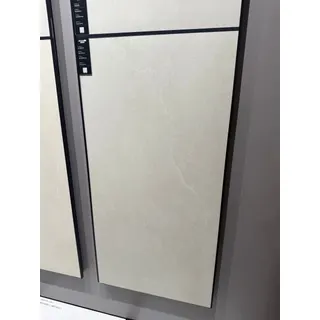
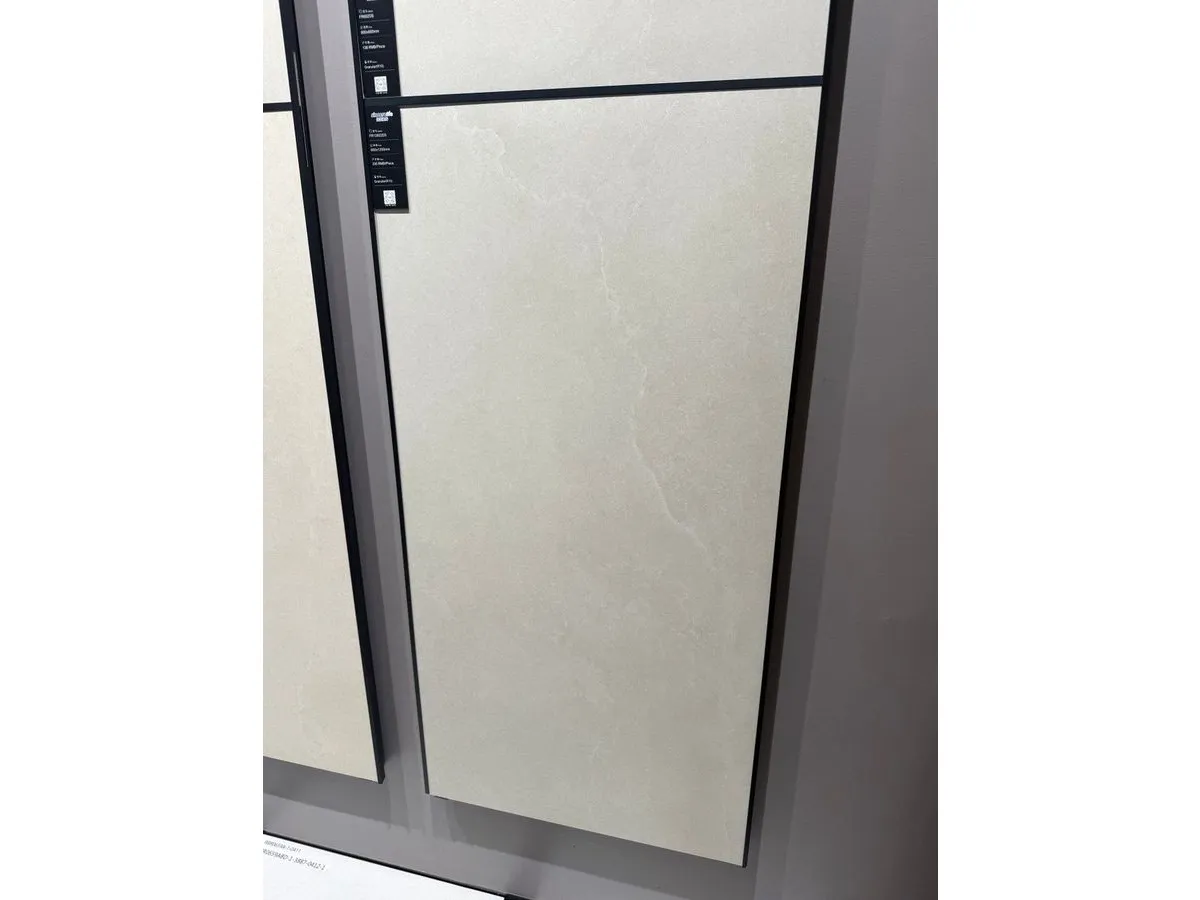
Beige Porcelain Tile 1200x600 mm, Matt Anti-Slip R10
1200 × 600 mmR10Order on WhatsAppTZS 49,680pertile
K11 Polymer Cement Waterproof Coating (Two-Component)
18 kg/barrelOrder on WhatsAppTZS 155,000perbucket




Door lock types
Door locks differ in where they sit, what moves the bolt and what you open them with. The table sets out the common types; the sections below give manufacturer figures for each.
| Type | Where it sits | What works it | Typical use |
|---|---|---|---|
| Mortice deadlock | in a pocket cut into the door edge | key, through levers or a cylinder | main and back doors |
| Mortice sashlock | in the door edge | key for the deadbolt, handle for the latch | doors used all day |
| Euro cylinder lock | cylinder through a lock case or multipoint gear | key or thumbturn | aluminium, PVC and composite doors |
| Rim lock and night latch | on the inside face of the door | key outside, knob inside | added security on timber doors |
| Smart lock | on the door, often over a latch or cylinder | PIN, fingerprint, key tag or app | entrances where keys are shared |
| Sliding door lock | in or on the sliding profile | key, thumbturn or lever | patio and balcony doors |
Mortice locks: deadlocks, sashlocks and latches
A deadlock has one bolt, worked only by the key. A sashlock adds a spring latch worked by the handle, so a latch door can be pulled shut without locking it and deadlocked at night. If you are comparing locks and latches, that is the difference: the latch holds the door closed, the deadbolt secures it.
Lever locks are graded by their levers and their bolt. ERA’s data sheet for its Fortress 5-lever mortice lock, which it states meets British Standard BS 3621:2017, lists:
- five steel levers with false notching to resist picking;
- a 20 mm bolt throw;
- hardened steel plates in the case against drilling, and twin plates in the deadbolt against hacksawing;
- 1,000 key variations;
- 64 mm and 76 mm case sizes, in deadlock and sashlock versions, with a door lock latch on the sashlock that can be reversed without removing the cover.
Use those figures as a yardstick. A simple lock with fewer levers, a shorter bolt or few key variations offers less, whatever the box claims.
Cylinder locks and how to measure one
A cylinder lock keeps the key mechanism in a separate cylinder that passes through the lock case, so a lost key means replacing the cylinder, not the lock. The rest of this section covers the euro profile cylinder, the shape that the TS 007 rating applies to.
One attack on a euro cylinder is snapping: breaking it at its middle. Yale’s Platinum Ultra 3 Star cylinder is rated TS 007 3 star, which Yale describes as the highest certification currently available, and Sold Secure SS312 Diamond. Its listed defences include a sacrificial front section against snapping, and anti-pick, anti-bump and anti-drill features.
The same page explains how to size a replacement door lock cylinder:
- Find the fixing screw in the edge of the door, in line with the cylinder.
- Measure from the centre of that screw to the inside end of the cylinder (A).
- Measure from the centre of the screw to the outside end (B).
- Order it as A/B, inside first, for example 40/35.
Smart door locks: keypad and fingerprint
A smart lock replaces or adds to the key with a PIN, a fingerprint, a tag or a phone. Smart door locks need power, so check two things before anything else: what batteries it takes and how you get in when they are flat.
Yale’s Keyless Connected Smart Lock shows what a manufacturer should state. It opens with a PIN on a touchscreen, key tags or a remote fob; it runs on 4 AA batteries and warns when they are low; and a 9 V battery connected to its contacts powers it in an emergency. It fits doors with a 60 mm backset night latch, and an 80 dB alarm sounds if it is tampered with. The app works only with a separate connect kit.
A fingerprint lock or keypad lock from another maker should answer the same questions: power, emergency entry, a mechanical key override, the door thickness it fits, and how many users it stores.
Door handles with a lock
A door handleset combines the outside handle, the inside handle and the lock in one matched set; a lockable door handle carries a small lock in the handle itself. For a sashlock, the handle and the lock must share the same distance between spindle and keyhole, so buy door locks and handles together or check that figure on both.
For a bathroom, a door handle with lock can be a privacy lock with a thumbturn inside instead of a key.
Sliding door locks and locks for metal and PVC frames
A sliding door lock cannot throw a bolt straight across like a hinged door lock, because the panel moves along the frame. Where the lock is built into the sliding profile, the lock for a sliding door has to be chosen with the door system, not bought separately afterwards. Our page on sliding doors shows the parts of one hookbolt lock.
Aluminium doors and PVC doors have narrow frame sections, so the lock case must fit the profile. Ask the frame maker which lock case and cylinder the profile was designed for. On wooden doors, the stile must be wide and solid enough to take the mortice; the 64 mm or 76 mm case above has to fit inside it with timber to spare.
What to check when you buy
For new door locks on an entrance or a modern door lock for an apartment, ask for these in writing:
- The type: deadlock, sashlock, cylinder, rim lock or smart lock.
- The case size and backset, measured against your door.
- The bolt throw in millimetres; the ERA lock above throws 20 mm.
- The number of levers, or the cylinder’s rating and its A/B size.
- How many key variations the maker produces, and how many keys come with it.
- For a smart lock, the batteries, emergency power and mechanical override.
- A matching keep for the frame, so the bolt has somewhere strong to go.
Kitovu does not sell door locks. It sells building materials from stock in Zanzibar.
Questions
What are the parts of a door lock?
A case set into or onto the door, a bolt that shoots into the frame (a deadbolt, a spring latch, or both), the mechanism that releases it (levers or a cylinder), the keep or strike plate on the frame, and the handle or key that works it.