













































































































Culverts: types, parts and how they carry water
Published · Updated
A culvert is a covered channel, most often a pipe or a concrete box, that lets a stream or ditch pass under a road, track or embankment. Pipe culverts suit small flows; precast box culverts cover wider ones, and one Australian maker produces them from 300 to 6,600 mm span.
In stock in Zanzibar
See all 11 products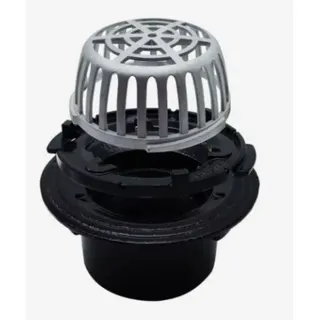
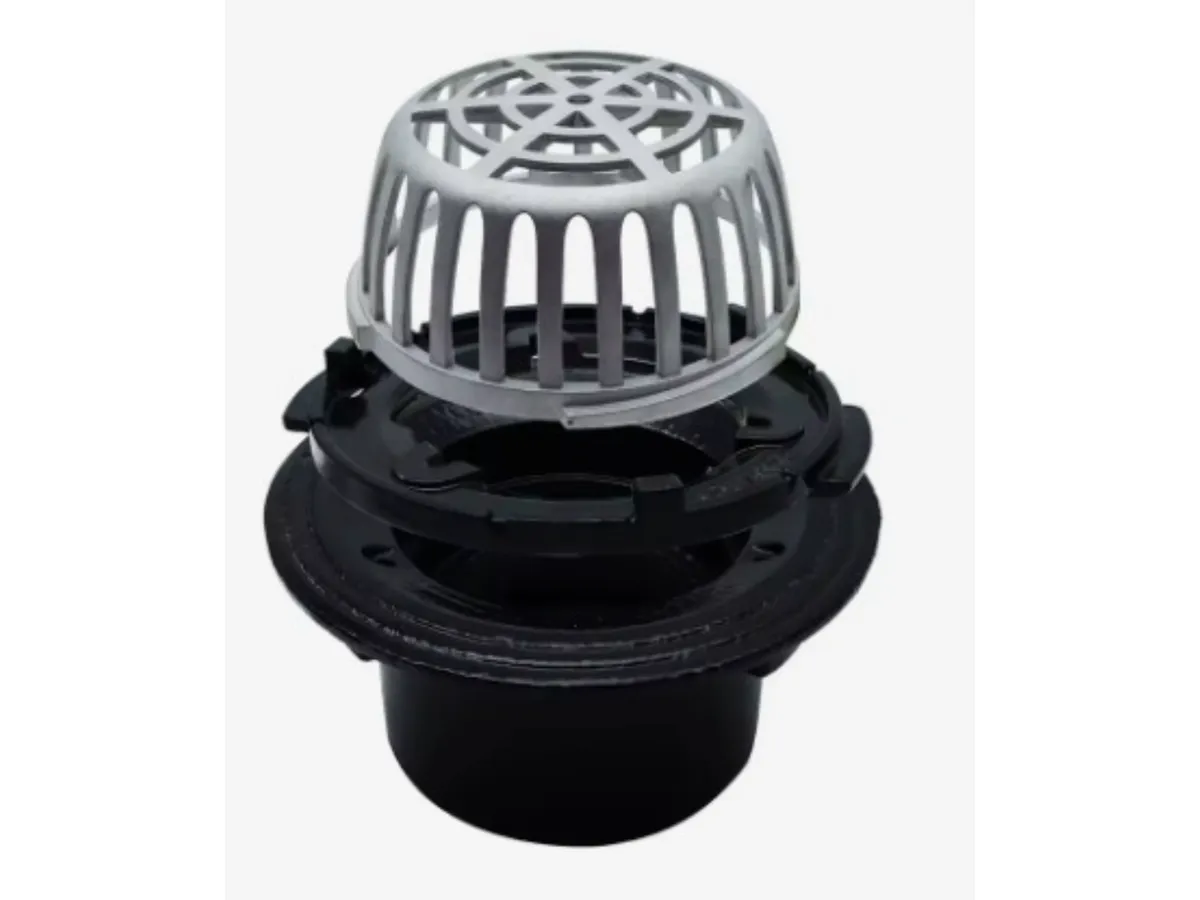
Flat Roof Drain with Dome Strainer for 110 mm Pipe
For 110 mm pipeOutlet for flat roofs and terraces, with a dome strainer, for 110 mm pipe.
Order on WhatsAppTZS 159,900perpiece
Dimple Drainage Membrane 8 mm with Geotextile (HDPE Drainage Board)
Studded membrane that leads water away from foundation walls.
Order on WhatsAppTZS 328,000perroll
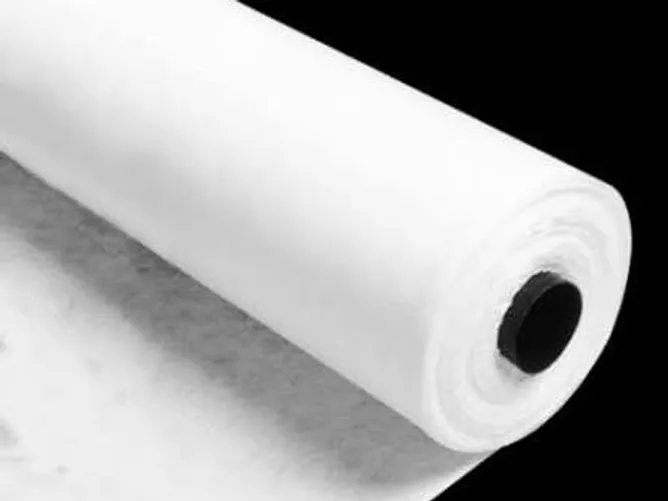
Non-Woven Needle-Punched Polypropylene Geotextile 200 g/m²
200 g/m²Wrap for drainage gravel: it lets water through and keeps soil out.
Order on WhatsAppTZS 526,000perroll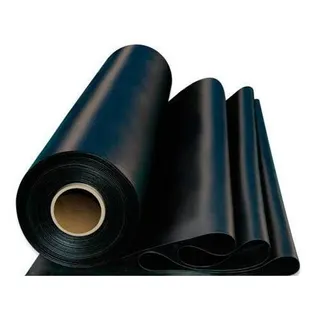



What a culvert is
The UK construction research body CIRIA defines a culvert in its 2019 Culvert, screen and outfall manual (C786) as a covered channel or pipe that stops a watercourse or drainage path being blocked by something built across it, as quoted by Designing Buildings Wiki. In practice a culvert is what lets a road, farm track or driveway cross a stream or a roadside ditch without a bridge.
Grady Hillhouse of Practical Engineering sums up its two jobs: carry the weight of the traffic above without collapsing, and pass enough water that the road is not overtopped in heavy rain.
Culvert types
Culverts are grouped by the shape of the barrel. Three shapes cover most roads and tracks.
| Type | Shape and material | Where it fits |
|---|---|---|
| Pipe culvert | round pipe; CIRIA lists concrete, MDPE, HDPE, occasionally uPVC, also clay, steel, cast or ductile iron and GRP | ditches and small streams under driveways, tracks and minor roads |
| Box culvert | square or rectangular section, usually precast concrete | wider flows; Humes says its units take heavy wheel loads even with little or no fill over them |
| Arch culvert | arch over a flat or natural bed | larger openings; Jensen Precast says it carries large water volumes with less material |
Box culvert types
Box culverts come in a few forms, described by precast makers:
- Crown type — an inverted U placed on a concrete base. Invert type — a U-shaped trough closed with a lid. Humes, an Australian maker, makes both (Humes box culverts).
- Segmental — several precast sections joined on site. Jensen Precast notes that the joints are the weak points and need careful sealing.
- Monolithic — cast as one piece, so there are no joints along the section (Jensen Precast).
- Multi-cell — two or more boxes side by side for a wide channel; Humes bridges between cells with slab units when there are three or more.
Humes makes its range from 300 mm to 6,600 mm span to the Australian standard AS 1597, in standard unit lengths of 1.2 m and 2.4 m.
Parts of a culvert
Infrasteel lists the parts that most culverts share:
- Inlet — the upstream end where water enters.
- Barrel — the pipe or box itself, carrying water under the fill.
- Outlet — the downstream end where water leaves.
- Headwall — a wall at each end that holds the embankment back and protects the pipe end.
- Wing walls — angled walls beside the headwall that guide water in and out.
- Base slab — the floor of a box culvert.
- Embankment — the fill of the road or track over the culvert.
Practical Engineering names three common inlet shapes: projecting (the pipe sticks out of the bank), mitred (cut flush with the slope) and headwall, sometimes with wing walls.
What a box culvert drawing shows
A box culvert drawing shows the structure in cross-section and along its length, with dimensions. These are the values to look for:
- Span and height of the opening — the size the precast makers above sell by.
- Thickness of the top slab, bottom slab and side walls.
- Unit length of each precast section, and how many there are.
- Depth of fill over the top slab, which sets the load the box has to carry.
- Invert levels at inlet and outlet, which give the slope.
- Headwalls, wing walls and aprons at each end.
The slab and wall thicknesses and the reinforcement come from a structural design for the loads and the fill depth; they cannot be read off another project’s drawing.
Inlet control and outlet control
Practical Engineering, drawing on the US Federal Highway Administration’s 323-page manual on culvert hydraulics, lists eight things that decide how much water a culvert passes: the depth of water upstream (headwater), the area and shape of the barrel, the inlet design, the roughness of the barrel, its length, its slope and the depth of water downstream (tailwater).
Flow is limited in one of two ways:
- Inlet control — the entrance is the bottleneck; the barrel runs part-full, and making it smoother changes nothing.
- Outlet control — water enters faster than it can leave; friction in the barrel or water backed up downstream sets the flow. A fallen tree in the ditch below can then flood the road.
Keeping a culvert clear
Jensen Precast lists regular inspection, clearing debris and prompt repair as the maintenance a culvert needs, and warns that neglect leads to blockages, erosion and in the end failure of the culvert. Steel culverts also need protection against rust where they stay wet.
Water reaching a culvert is often collected first by a drainage channel along a yard or road edge, or by drainage pipes laid under a site. On sewer and storm lines, access points are closed with manhole covers.
Questions
What is a culvert?
A covered channel or pipe that carries water under a road, railway or embankment so the fill does not block a watercourse. CIRIA's culvert manual uses that definition.
What are the main parts of a culvert?
The inlet where water enters, the barrel that carries it, the outlet, the headwall and wing walls that hold the embankment and guide the flow, and, for box culverts, the base slab.