













































































































Shade net (shade netting) for plants, parking and sites
Published · Updated
Shade net is a knitted or woven mesh of UV-stabilised HDPE that blocks a set share of sunlight while air and rain pass through. The shade percentage decides what it suits: Agriplast, an Indian net maker, calls 50% the standard choice for vegetable nurseries and keeps 90% for parking and fencing.
In stock in Zanzibar
See all 11 products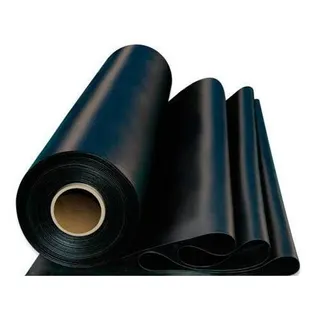
HDPE Geomembrane (Dam Liner), Smooth, 0.3 mm
Smooth0.3 mmSmooth black 0.3 mm HDPE sheet in 4 × 100 m rolls for ponds, reservoirs and damp proofing.
Order on WhatsAppTZS 1,052,000perroll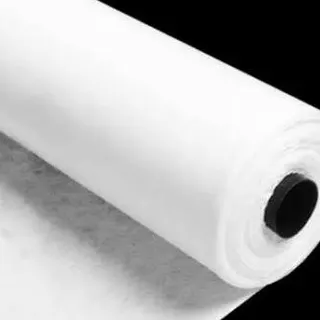
Non-Woven Needle-Punched Polypropylene Geotextile 200 g/m²
200 g/m²200 g/m² polypropylene fabric that separates, filters and protects layers in roads, drains and under liners.
Order on WhatsAppTZS 526,000perroll
Dimple Drainage Membrane 8 mm with Geotextile (HDPE Drainage Board)
8 mm studded HDPE drainage membrane for foundation walls.
Order on WhatsAppTZS 328,000perroll

K11 Polymer Cement Waterproof Coating (Two-Component)
18 kg/barrelOrder on WhatsAppTZS 155,000perbucket



What shade net is
Shade net is a mesh of high-density polyethylene (HDPE) threads that cuts the amount of sun reaching whatever is underneath it. Unlike a solid roof, it lets air move through and rain fall through. Each net is sold by the share of light it stops: a 50% net lets half of the incoming light pass.
The Agriplast shade net guide, written by an Indian net maker, says a net lowers the temperature under it by 3–5°C compared with open ground. A South African seller, shadenet.co.za, claims up to 10°C for dense netting. The two figures come from different nets and conditions; neither has been measured here.
Knitted, woven, monofilament and tape
Two choices decide how a piece of shade netting behaves: the type of thread, and how the threads are joined.
| What it is | Weight and life (Agriplast) | Suits | |
|---|---|---|---|
| Monofilament | single round HDPE threads, thicker and stronger | 100–125 GSM, 3–5 years | permanent shade houses, windy coastal sites |
| Tape | flat ribbon-like HDPE strips | 50–90 GSM, 2–4 years | seasonal growing, temporary nurseries |
| Knitted | threads looped into each other | — | most uses; does not unravel when cut |
| Woven | threads crossing over and under in a grid | — | stiffer covers; edges can fray when cut |
Agriplast prefers knitted construction for most farm use because a tear does not run along the net and the loops absorb wind loads.
Shade percentage: which one for which job
Shade nets are sold in steps between 30% and 90%. Too little shade does not protect; too much starves plants of light. Agriplast’s guide gives these levels:
| Shade | Use given by Agriplast |
|---|---|
| 35% | tomato, pepper, aubergine, chilli, cucumber — crops that need strong light to flower and fruit |
| 50% | seedling nurseries, leafy greens, terrace and home gardens; the “safe default” |
| 75% | orchids, ferns, anthuriums; ginger and turmeric while young |
| 90% | parking shade, terrace cooling, boundary screens; too dark for most food crops |
shadenet.co.za groups them more broadly: 30–50% for vegetables and seedlings, 60–70% for nurseries and patios, 80–90% for carports, livestock and privacy screens.
Colours
Colour changes what the net does with light and heat, according to Agriplast:
- Green — even shade, the general choice for vegetables and nurseries.
- Black — absorbs light; the low-cost option, used for construction sites and parking.
- White — reflects heat and spreads light evenly; for heat-sensitive crops and flowers.
- Aluminised (silver) — reflects 50–80% of radiation; for high-value crops in strong heat.
GSM and service life
GSM is the weight of the net in grams per square metre. Agriplast stresses that it is a separate figure from the shade percentage: a 50% net can weigh 60 GSM or 100 GSM and block the same light, but the heavier one is stronger and lasts longer.
| GSM | Type | Expected life (Agriplast) |
|---|---|---|
| 50–70 | light tape net | 1–2 years |
| 80–100 | standard farm net | 2–3 years |
| 100–135 | heavy monofilament | 4–5 years or more |
UV stabilisation matters as much as weight. Agriplast warns that HDPE without it turns brittle within months in strong sun, and suggests looking for a rated life of at least 3 years.
Uses beyond the farm
Most shade net is sold for growing, but the same mesh does other jobs around a building:
- Parking and carports: 80–90% net, the range shadenet.co.za gives for carports.
- Boundary fences and privacy screens: 90% net fixed to a fence line; shadenet.co.za lists fences, patios and balconies.
- Construction sites: black net, which Agriplast names for construction use.
- Livestock pens and poultry runs: shadenet.co.za lists livestock among the uses of 80–90% netting.
For a roof that has to keep rain out, shade net is the wrong product; see roofing sheets instead. For fabric that goes into the ground rather than over it, see geotextile.
Putting up shade netting
Agriplast’s installation advice comes down to five points:
- Tension it, but not drum-tight. A slightly springy net rides out gusts; an over-tight one tears at the fixings.
- Give it a fall of 5–10% so rain runs off instead of pooling and stretching the mesh.
- Use UV-stabilised polypropylene or polyethylene rope. Cotton and jute ropes rot within months.
- Fix with plastic shade net clips. Bare wire cuts HDPE over time; wrap it where it touches the net.
- Reinforce the edges with border tape, rope channels or eyelets, because the edges carry the wind load.
shadenet.co.za adds cable ties, tension wires and bungee cords through eyelets for windy places.
Questions
What shade percentage should I use?
Agriplast suggests 35% for fruiting vegetables such as tomato and pepper, 50% for seedlings and leafy greens, 75% for orchids and ferns, and 90% only for parking, terraces and screens.
Is shade netting waterproof?
No. Shade netting is permeable, so rain passes through and does not pool on a well-tensioned net. For a cover that keeps rain off, shadenet.co.za points to PVC-coated or polyethylene sheeting instead.
How long does shade netting last?
It depends on weight and UV stabilisation. Agriplast gives 1–2 years for light 50–70 GSM tape nets and 4–5 years or more for 100–135 GSM monofilament; shadenet.co.za quotes 5–10 years for UV-stabilised netting.