




















Roofing tiles: clay, stone-coated steel and shingles
Published · Updated
Roofing tiles range from fired clay, laid in small overlapping pieces, to steel panels faced with stone chips. The weight gap is wide: Keymer's clay plain tile weighs 72.2 kg per square metre as laid, while ALAF's Lifestile stone-coated steel tile comes to 5.98 kg per square metre.
In stock in Zanzibar
See all 11 products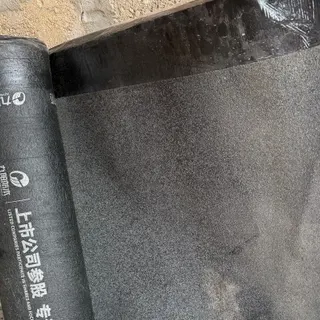
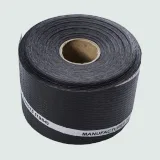
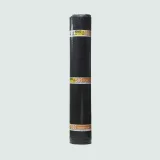
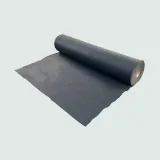
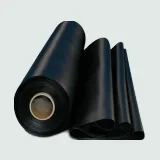
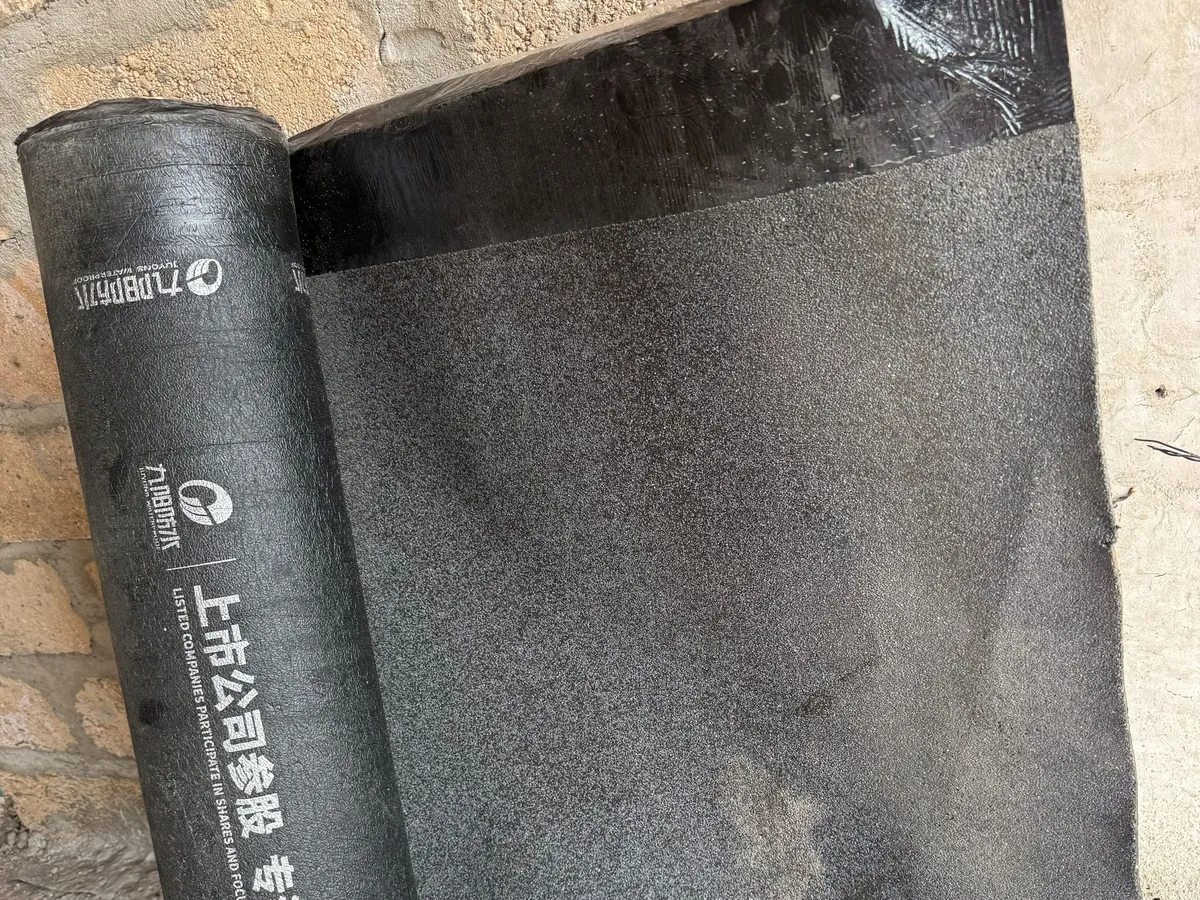
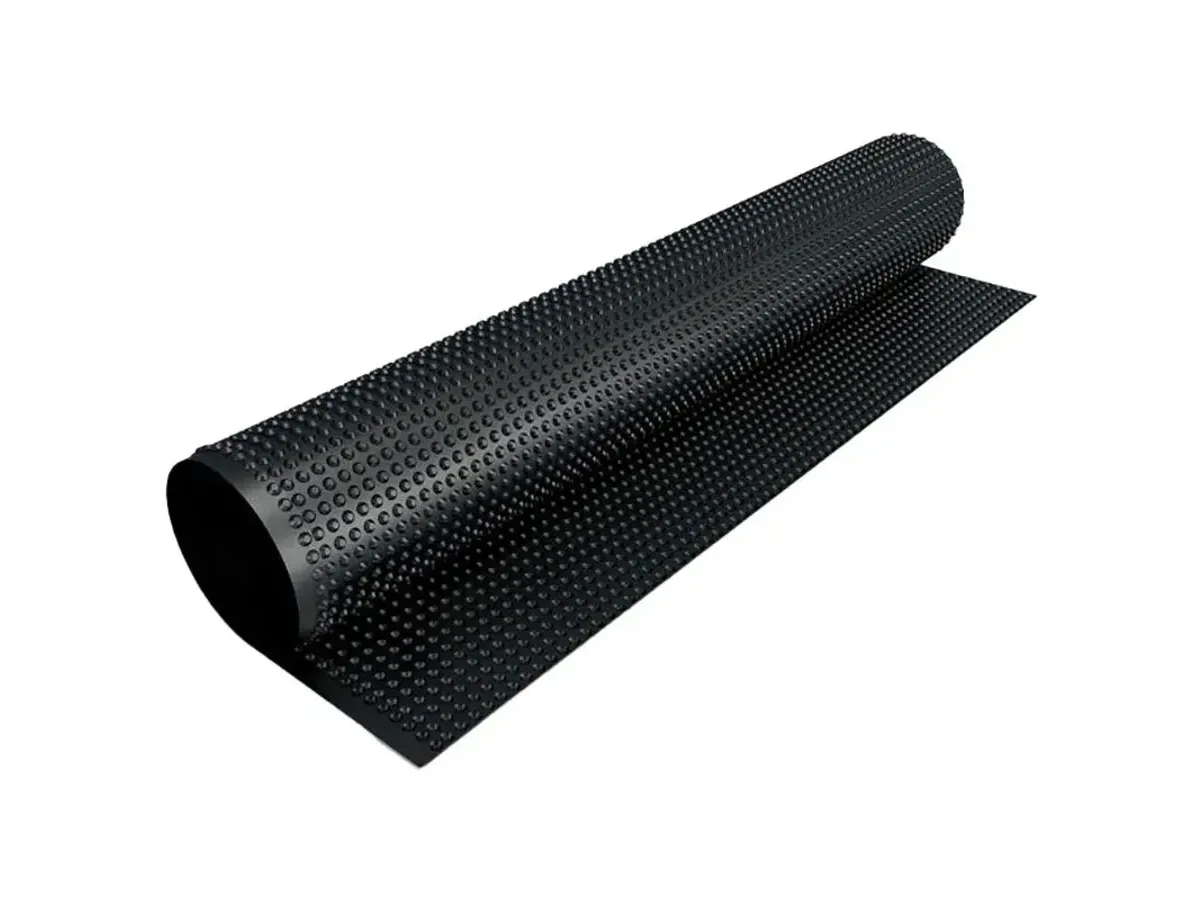
APP Torch-On Waterproofing Membrane, Mineral Finish
3 mm, 4 mmTorch-on APP roll with a mineral top for flat roofs and terraces.
Order on WhatsAppTZS 192,000perroll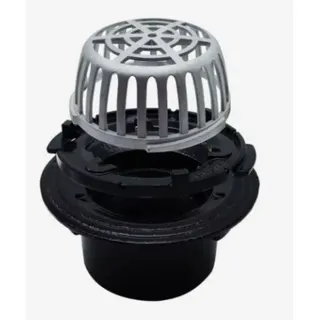
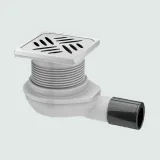
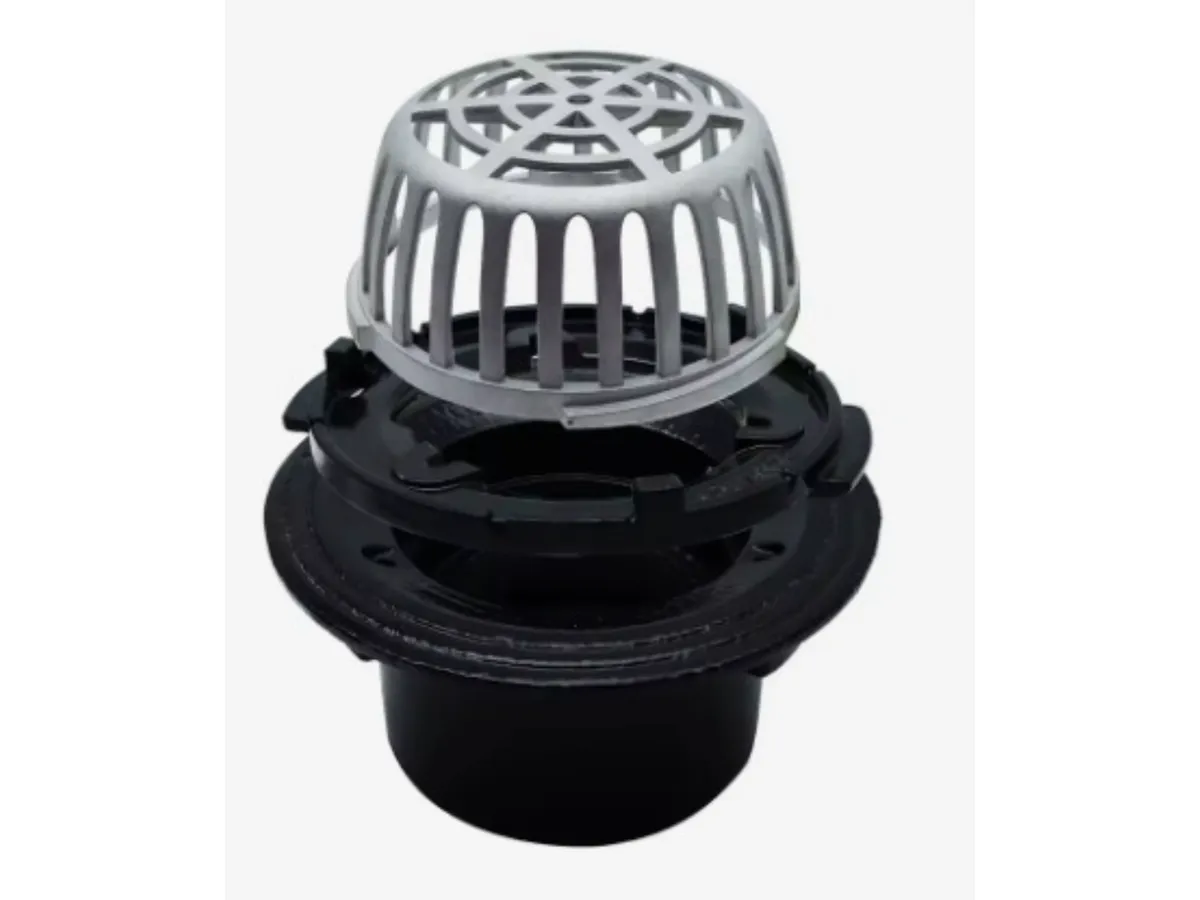
Flat Roof Drain with Dome Strainer for 110 mm Pipe
For 110 mm pipeOutlet for flat roofs and terraces, with a dome strainer, for 110 mm pipe.
Order on WhatsAppTZS 159,900perpiece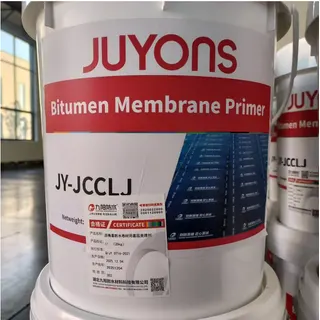
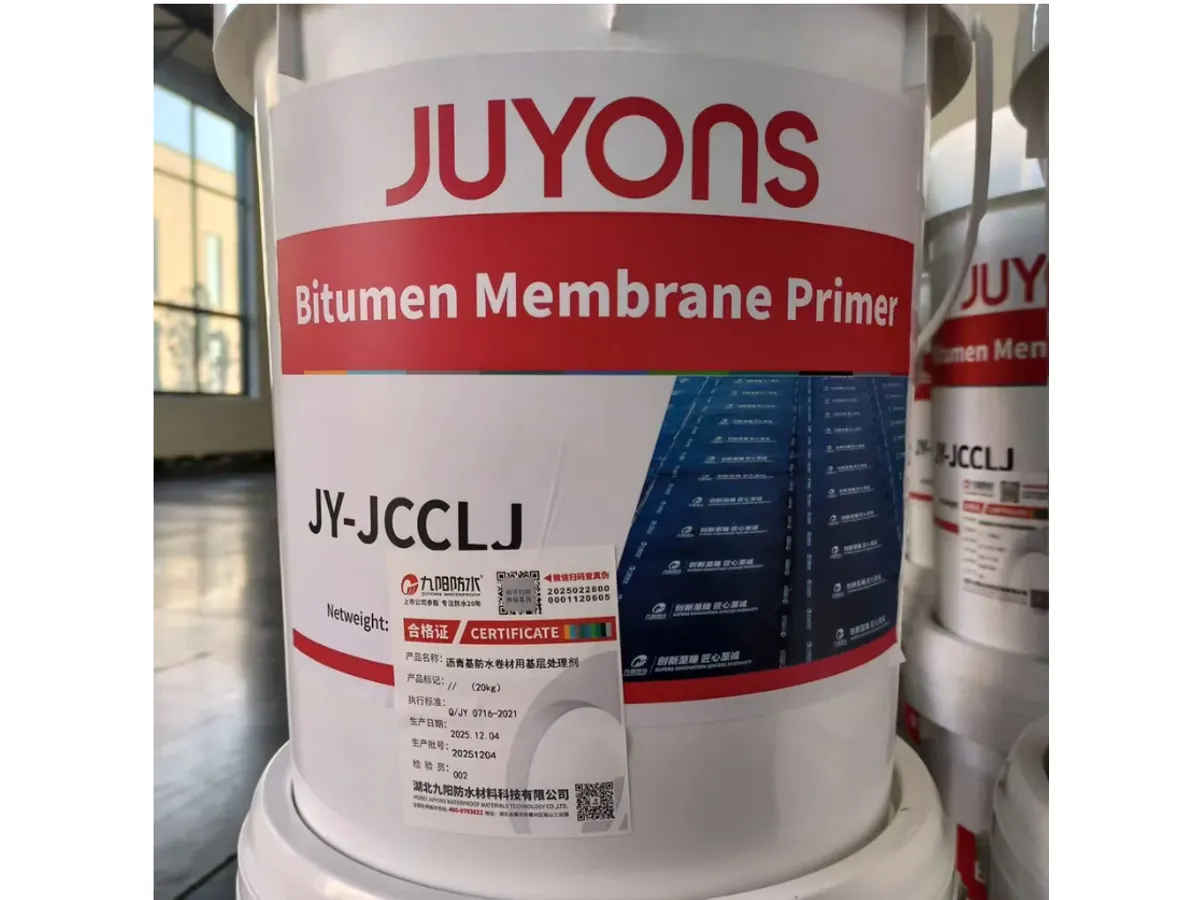
Water-Based Bitumen Primer for Waterproofing Membranes
20 kgBrushed on the roof deck before a bitumen membrane is laid.
Order on WhatsAppTZS 126,240perbucket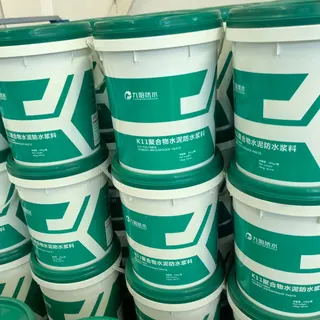
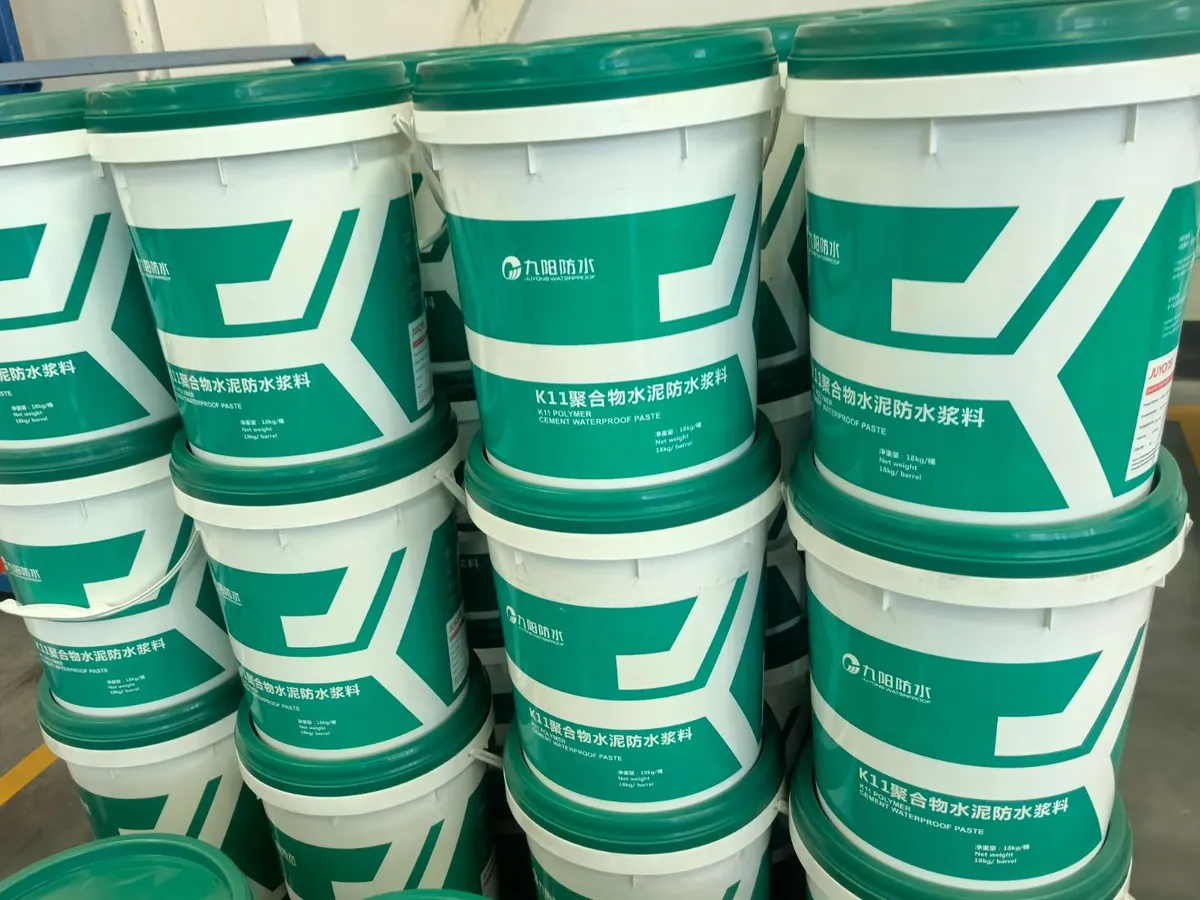
K11 Polymer Cement Waterproof Coating (Two-Component)
18 kg/barrelOrder on WhatsAppTZS 155,000perbucket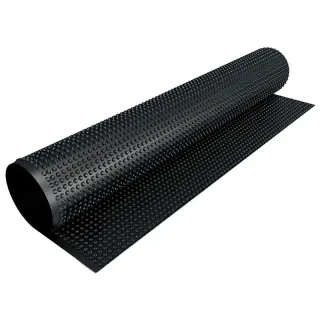
What counts as a roofing tile
In shops and searches, roofing tiles covers four different products: fired clay tiles, steel tiles faced with stone chips, long steel sheets pressed to look like tiles, and shingles — thin overlapping pieces, often of asphalt. They differ in weight, in the slope they need and in how they are fixed, which is why the choice affects the roof frame as much as the look.
Clay roof tiles: two examples by data sheet
Clay tiles come in two broad kinds: small plain tiles hung in many overlapping courses, and larger interlocking tiles that lock along their sides. Two UK makers’ data sheets show the difference:
| Plain clay tile — Keymer Goxhill | Interlocking clay tile — Wienerberger Modula | |
|---|---|---|
| Tile size | 265 × 165 mm | 443 × 328 mm |
| Tiles per m² | 60 | 9.7 (at 100 mm headlap) |
| Weight per tile | 1.202 kg | 3.89 kg |
| Weight as laid | 72.2 kg/m² | 37.8 kg/m² (at 100 mm headlap) |
| Minimum roof pitch | 35° | 17.5° at 100 mm headlap; 22.5° at 75 mm |
Both makers note that clay tiles vary slightly in size from drying and firing, so the roofer checks each batch before setting the batten gauge. Headlap — how far each course overlaps the one below — changes both the minimum pitch and the weight.
Battens and fixing for clay tiles
Clay tiles hang on timber battens nailed across the rafters, and the data sheets size those too. Wienerberger asks for 38 × 25 mm battens where rafters are up to 450 mm apart and 50 × 25 mm up to 600 mm, with ring-shank, clout-head nails for the tiles; at 75 mm headlap it needs 2.8 m of batten per square metre of roof. Keymer specifies 38 × 25 mm battens for its plain tile and an aluminium nail of 38 × 3.35 mm. Wienerberger also requires its tiles to be laid and fixed to BS 5534, the British code of practice for slating and tiling.
Stone-coated steel roofing tiles
Stone-coated tiles are pressed steel panels faced with stone granules; by ALAF’s figures about two panels cover a square metre (our calculation: 5.98 ÷ 2.8). ALAF, the Tanzanian sheet maker, sells them as Lifestile in Wave, Roman and Shingle profiles. Its figures: 2.8 kg per tile, 5.98 kg per m², materials that are non-combustible, and a rating for winds up to 233 km/h; ALAF describes it as eight times lighter than clay or concrete tiles.
Decra roofing tiles, searched for by brand name, are stone-coated steel too: the maker’s Tanzania site lists Classic, Milano, Shingle, Slate, Heritage and Shake profiles and states a 50-year warranty.
Steel sheets with a tile profile
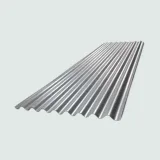
Between tiles and plain sheets sit steel roofing sheets pressed to look like rows of tiles. ALAF’s Romantile and Versatile are examples: long sheets cut to the roof’s length, coated with aluminium-zinc and painted, in gloss or textured finishes. ALAF lists what it sees as the gains of Romantile over loose tiles: one continuous length per run, so fewer joints that can leak; a light sheet that is safer to lift; quick coverage from large panels; no underlay; and a profile shaped to stop water creeping back by capillary action. It also says each sheet is inspected more than six times before dispatch. Their prices per metre are listed on the roofing sheets price page, and profiles and gauges are explained under roofing sheets.
Roof shingles and tar shingles
A shingle, in the definition of the construction glossary Kreo, is a piece of roof covering — of asphalt, wood, tile, slate or other material — laid in overlapping courses. Asphalt shingles are searched for as tar shingles too; stone-coated steel is also sold in shingle shapes, as ALAF’s and Decra’s Shingle profiles show.
Weight, pitch and the roof frame
Over a whole roof the weight gap becomes tonnes. Our calculation for a 100 m² roof: about 7.2 tonnes of Goxhill plain tiles (72.2 × 100), 3.8 tonnes of Modula interlocking tiles (37.8 × 100), and 0.6 tonnes of Lifestile (5.98 × 100). ALAF makes the point that a lighter covering allows a lighter supporting structure, and the data sheets in the table show the small plain tile also needs the steeper pitch: 35° against 17.5° for the interlocking tile. Ridges for each covering are matched to it — see ridge caps.