













































































































Cable ties: sizes, materials and how strong each one is
Published · Updated
A cable tie is a plastic or metal strap that locks in its own head to hold cables, pipes or hoses together. Strength rises with width: ABB's Ty-Rap catalogue rates a 2.4 mm nylon tie at 80 N and a 13.2 mm tie at 1,120 N, and makes the black version for outdoor use.
In stock in Zanzibar
See all 11 products
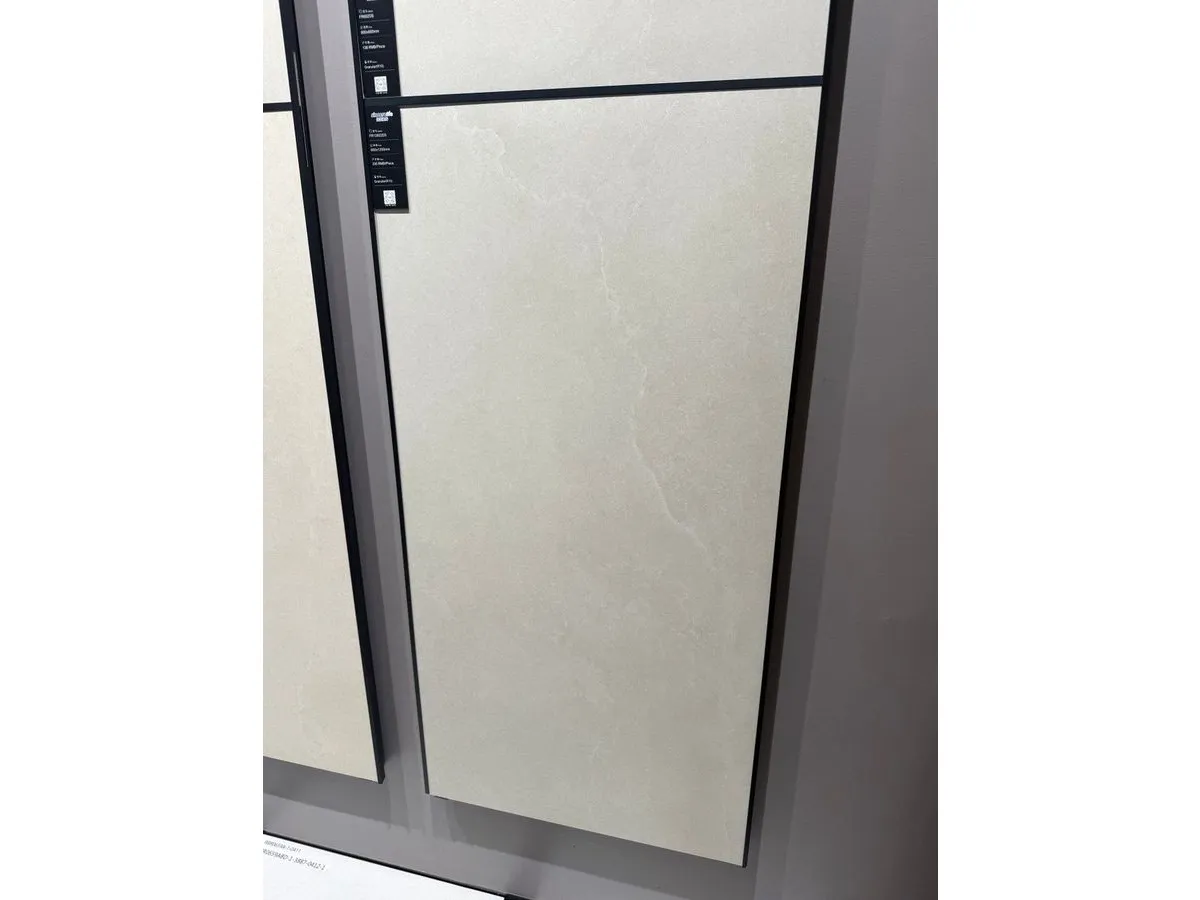
Beige Porcelain Tile 1200x600 mm, Matt Anti-Slip R10
1200 × 600 mmR10Order on WhatsAppTZS 49,680pertile
K11 Polymer Cement Waterproof Coating (Two-Component)
18 kg/barrelOrder on WhatsAppTZS 155,000perbucket






What a cable tie is
A cable tie is a toothed strap with a locking head at one end. The tail is pulled through the head, and a pawl inside it catches the teeth so the loop can tighten but not slip back. Standard ties are single-use and have to be cut off; releasable versions have a tab that lifts the pawl.
The plastic kind is moulded from polyamide, the material sold as nylon. ABB’s Ty-Rap catalogue gives the spread of one range: lengths from 112 to 1,214 mm, widths from 2.4 to 13.2 mm, and bundles up to 381 mm across. Its ties are made to EN/IEC 62275, the product standard for cable ties in electrical installations.
Cable tie sizes and loop strength
The figure that matters is loop tensile strength: the pull a closed tie takes before it fails. In the ABB range it follows the width, and the catalogue codes each width with its minimum strength:
| Width | Minimum loop strength | About (our calculation, N ÷ 9.81) |
|---|---|---|
| 2.4 mm | 80 N | 8 kg |
| 3.3 mm | 130 N | 13 kg |
| 3.6 mm | 180 N | 18 kg |
| 4.6 mm | 220 N | 22 kg |
| 7.6 mm | 540 N | 55 kg |
| 8.8 mm | 780 N | 80 kg |
| 13.2 mm | 1,120 N | 114 kg |
Length only sets how big a bundle the tie can close around. A long 2.4 mm tie is still an 80 N tie, so heavy cable on a tray — the kind of route Prysmian’s data sheet lists for armoured cable — calls for the wider sizes.
Nylon 6.6, nylon 12 or stainless steel
TE Connectivity’s cable tie range shows how the material changes what a tie can survive:
| Material | Colour | Service temperature | Fitting temperature | Notes from TE |
|---|---|---|---|---|
| Polyamide 6.6 | natural or black | −40°C to +80°C | −10°C to +60°C | resists oils and greases; UL 94 V-2 flammability |
| Polyamide 12 | black | −40°C to +80°C | −20°C to +60°C | resists ultraviolet light and salty air; UL 94 HB |
| Stainless steel AISI 316 | metal, some powder-coated | not stated on the page | — | for marine work, power stations and underground cable laying |
The coating on some steel ties does a second job: it keeps the tie from touching a different metal and setting up corrosion between the two. TE also lists hoses, alongside wires and harnesses, among what its ties bundle and mount.
Black cable ties for outdoor use
Colour is a specification, not a style choice. ABB makes its ties in natural colour for indoor work and in UV-resistant black for outdoor work; TE likewise offers black UV-resistant ties for use outside.
Storage matters too. The ABB catalogue notes that nylon is sensitive to its surroundings: the ties leave the factory conditioned with moisture, so they should be kept in a cool, dry place out of direct sun, with the bag left sealed until they are needed.
Cable ties and fire: the UK rule
Plastic ties lose their grip in a fire. The UK industry body BEAMA, in its guide on premature collapse, traces the rule back to a tower block fire in Southampton, where two firefighters died after becoming caught in cables that fell once the plastic trunking holding them melted.
BS 7671, regulation 521.10.202, now requires wiring to be supported so that it will not collapse early in a fire. BEAMA’s guide says thermoplastic PVC-U softens at 80–100°C, calls plastic cable ties very high-risk items whose use should be limited, and points to metal fixings instead. The regulation is British; it is cited here for the reasoning behind it, not as a rule that applies in Tanzania.
Questions
What are cable ties used for?
Mainly for bundling wires and cables and fixing them to tray, panels and other supports. TE Connectivity lists harnesses and hoses as well, and offers stainless steel ties for marine sites, power stations and underground cable laying.