













































































































Floor tiles: ceramic or porcelain, sizes and grades
Published
Floor tiles differ in body, size, surface grip and wear class. Villeroy & Boch's technical sheet places porcelain stoneware in group BIa of EN 14411, with water absorption of 0.5% or less; ordinary ceramic absorbs more. Size sets how many tiles a room takes, and the R and wear classes tell you where a tile can go.
In stock in Zanzibar
See all 11 products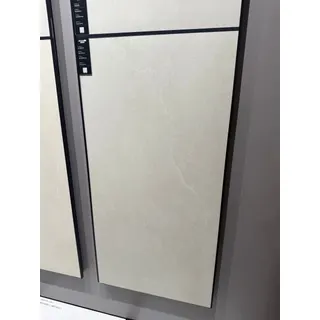
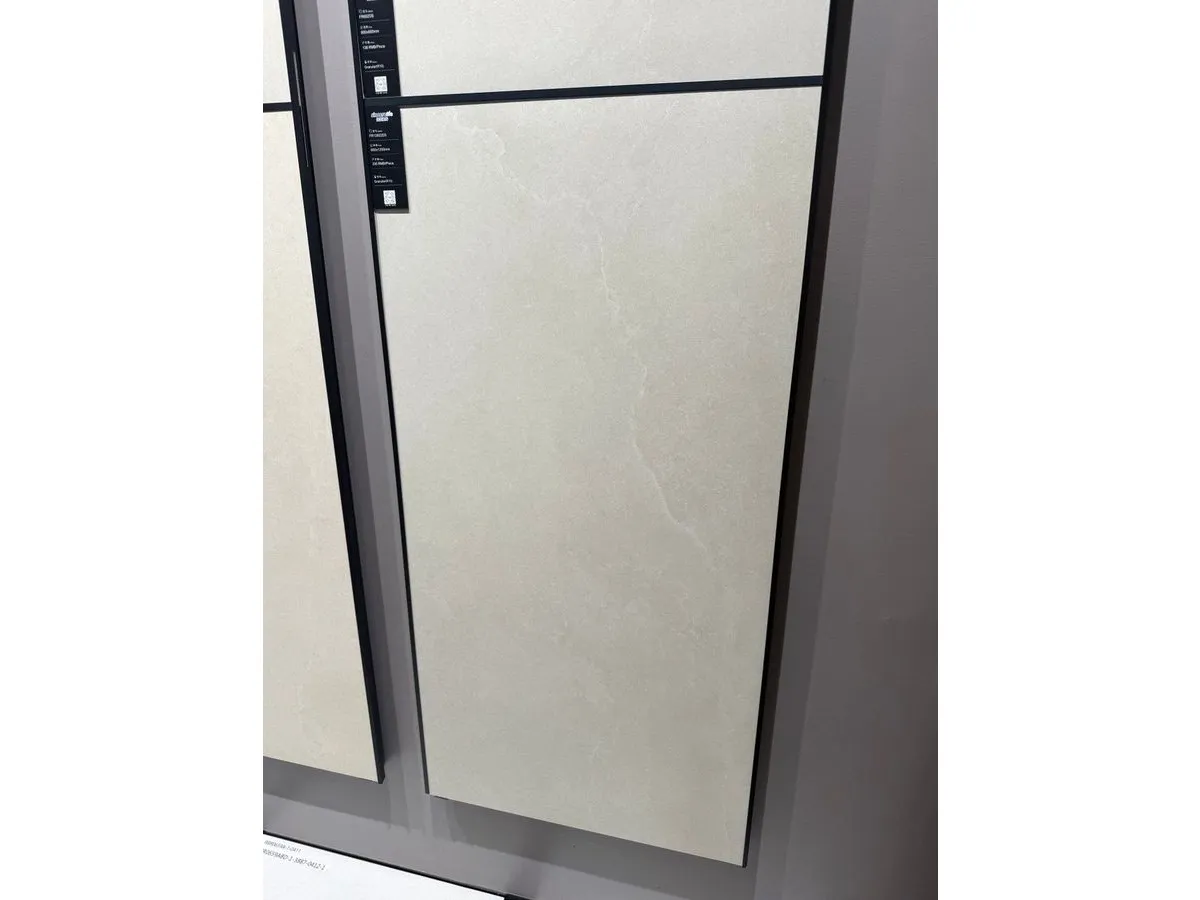
Beige Porcelain Tile 1200x600 mm, Matt Anti-Slip R10
1200 × 600 mmR10Beige 1200 × 600 mm porcelain, matt R10 anti-slip, for floors and walls, wet areas included.
Order on WhatsAppTZS 49,680pertile
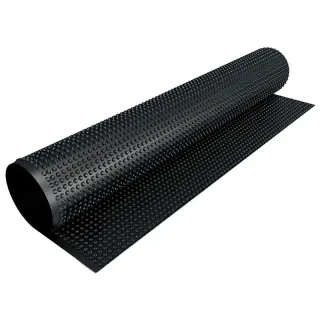
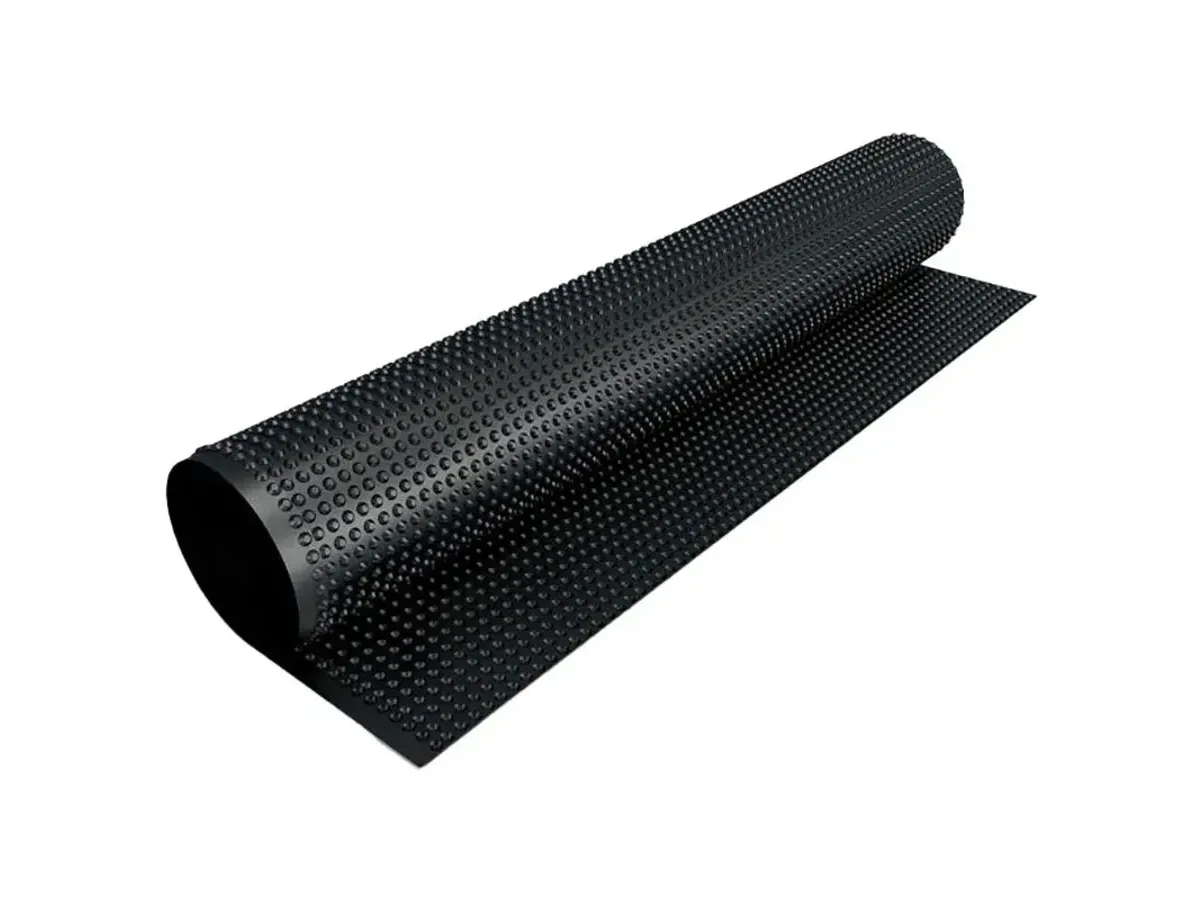
K11 Polymer Cement Waterproof Coating (Two-Component)
18 kg/barrelWaterproof layer for bathroom and kitchen floors that tiles are laid over.
Order on WhatsAppTZS 155,000perbucket




Ceramic or porcelain floor tiles
Floor tiles come with one of two bodies. Ceramic tiles have a more porous clay body, usually under a glaze; porcelain floor tiles are fired until they take up almost no water. The Villeroy & Boch technical sheet on wear resistance describes unglazed porcelain stoneware as group BIa of DIN EN 14411, water absorption 0.5% or less, and calls it one of the most wear-resistant floor coverings.
Glazed tiles of either kind are only as hard as their glaze. The same sheet lists the factors that wear a glazed floor down: how often it is walked on, how much sand is carried in, and the hardness, thickness, finish (matt, semi-matt or gloss) and colour of the glaze. Its advice against scratches is simple: large door mats at every entrance. Our page on porcelain tiles covers vitrified and full-body types in more detail.
Floor tile sizes and how many you need
Tile size is the first figure on every box and in most searches: 60x60 tiles, 40 × 40, 1200 × 600. A bigger tile means fewer pieces and fewer joints per room. The count below is plain arithmetic for a nominal size, before any allowance for cuts and breakage.
| Nominal size | Area of one tile | Tiles per m² |
|---|---|---|
| 300 × 300 mm | 0.09 m² | 11.1 |
| 400 × 400 mm | 0.16 m² | 6.25 |
| 500 × 500 mm | 0.25 m² | 4 |
| 600 × 600 mm | 0.36 m² | 2.78 |
| 1200 × 600 mm | 0.72 m² | 1.39 |
For ceramic tile flooring in a 20 m² living room, that is 56 tiles of 600 × 600 mm or 28 tiles of 1200 × 600 mm, by the same arithmetic (20 ÷ 0.36 and 20 ÷ 0.72, rounded up). The coverage printed on the box, in m², is the figure to order by.
Surface and slip resistance
Modern floor tiles come matt, textured, satin or polished. Grip on a wet floor is graded R9 to R13 in a ramp test: a person in test shoes walks on a lubricated tile while the slope is raised. Villeroy & Boch’s slip-resistance sheet gives the bands: R9 from 6° to 10°, R10 above 10° up to 19°, R11 up to 27°, R12 up to 35°, R13 above 35°. The method now sits in DIN EN 16165, Annex B.
Those classes come from German workplace rules. The same sheet notes that no rules exist for private bathrooms, kitchens or hotel guest rooms, so at home the class is a guide, not a requirement.
Wear resistance by room
Glazed tiles carry a wear group from EN ISO 10545-7. In the Villeroy & Boch wear sheet, group 1 suits bedrooms and bathrooms in a private home, and group 2 the rest of the house except kitchens, stairs and terraces. Group 3 covers the whole living area, hallways and balconies, kitchens excepted; group 4 adds private entrances, kitchens, terraces, offices and shops; group 5 is for restaurants and the entrance halls of hotels and banks.
So floor tiles for a living room need group 3 at least. Living room tiles that run into the kitchen or out to a terrace should be group 4; grip outside is covered on the outdoor tiles page. Group 0 is not for floors at all.
Wood look, stone look and PVC floor tiles
Floorboard tiles are ceramic or porcelain tiles with a printed timber grain. Stone look and marble look work the same way: the pattern sits in the glaze or the print, while the body is still fired clay, so the slip and wear classes above apply to them as to any other tile.
PVC floor tiles are a different product. They are made of plastic, not fired clay, so the water absorption groups and wear groups of EN 14411 and EN ISO 10545 do not describe them. Ask the seller for the data sheet of that product instead.
What to check on the box before you buy
Whichever ceramic tiles in Tanzania you compare, the figures that matter should be printed on the box or the maker’s data sheet. Before paying for tiles for home use, look for these:
- Work size in millimetres and the m² per box.
- Body: ceramic, glazed porcelain or full-body porcelain, and water absorption if printed.
- Slip class (R9–R13) for kitchens, bathrooms and entrances.
- Wear group for glazed tiles: 3 or higher for living areas.
- Shade and batch code: buy all boxes for one room from one batch.
Kitovu has one floor tile in stock in Zanzibar: the Beige Porcelain Tile 1200 × 600 mm, Matt Anti-Slip R10. It has a granular matt surface, a beige stone look and covers 0.72 m² per tile by our calculation (1.2 × 0.6). For wet rooms, see bathroom tiles.