













































































































Insulation: expanded polystyrene, foams and mineral wool
Published · Updated
Building insulation slows the flow of heat through roofs, walls and floors. Australia's national science agency CSIRO gives typical thermal resistance for 100 mm of each material: R 2.8 for expanded polystyrene (EPS) at 16 kg/m³, R 3.3 for extruded polystyrene (XPS) and R 4.0 for new PIR or PUR foam.
In stock in Zanzibar
See all 11 products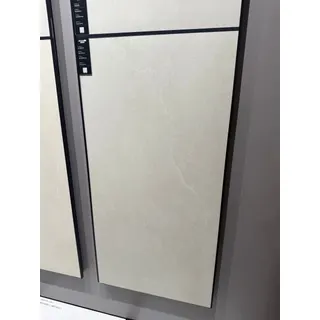
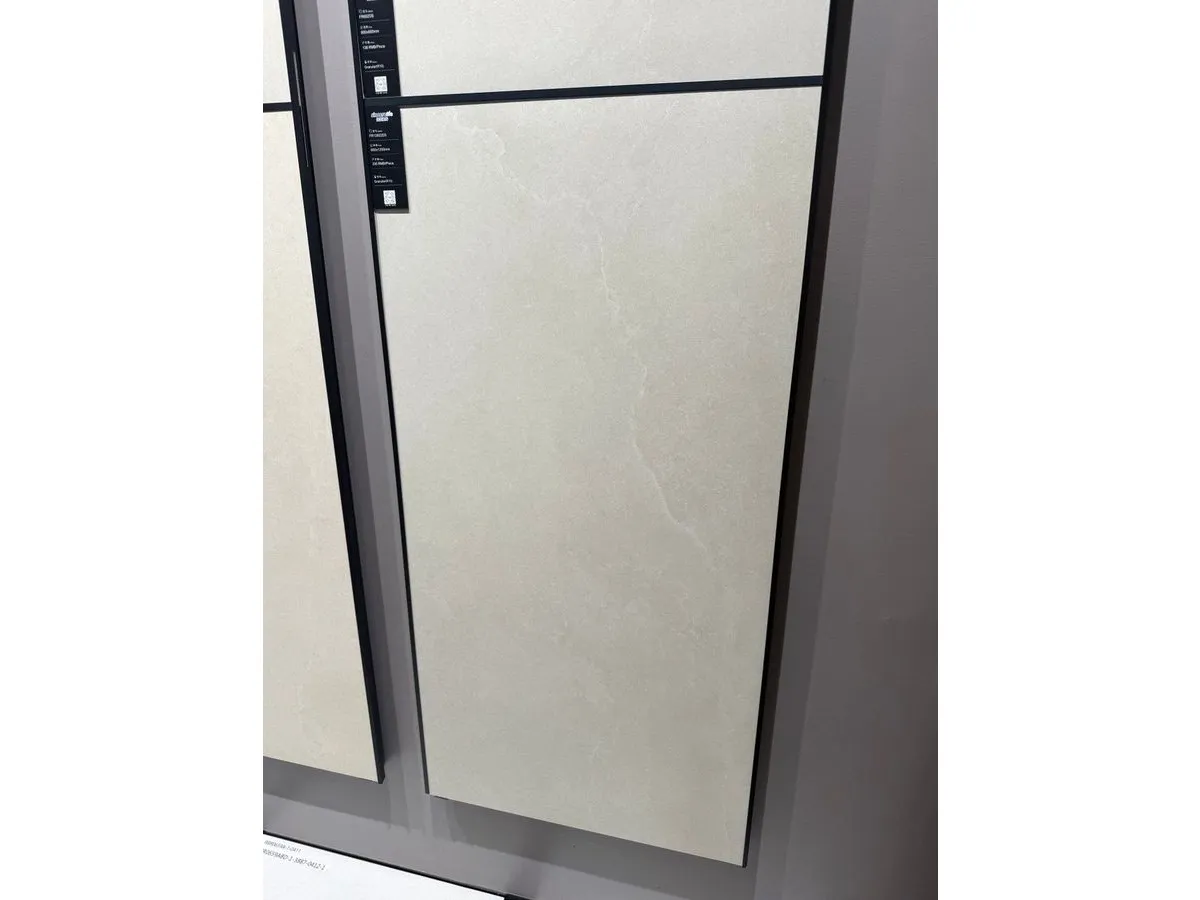
Beige Porcelain Tile 1200x600 mm, Matt Anti-Slip R10
1200 × 600 mmR10Order on WhatsAppTZS 49,680pertile
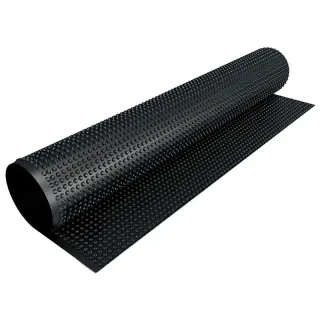
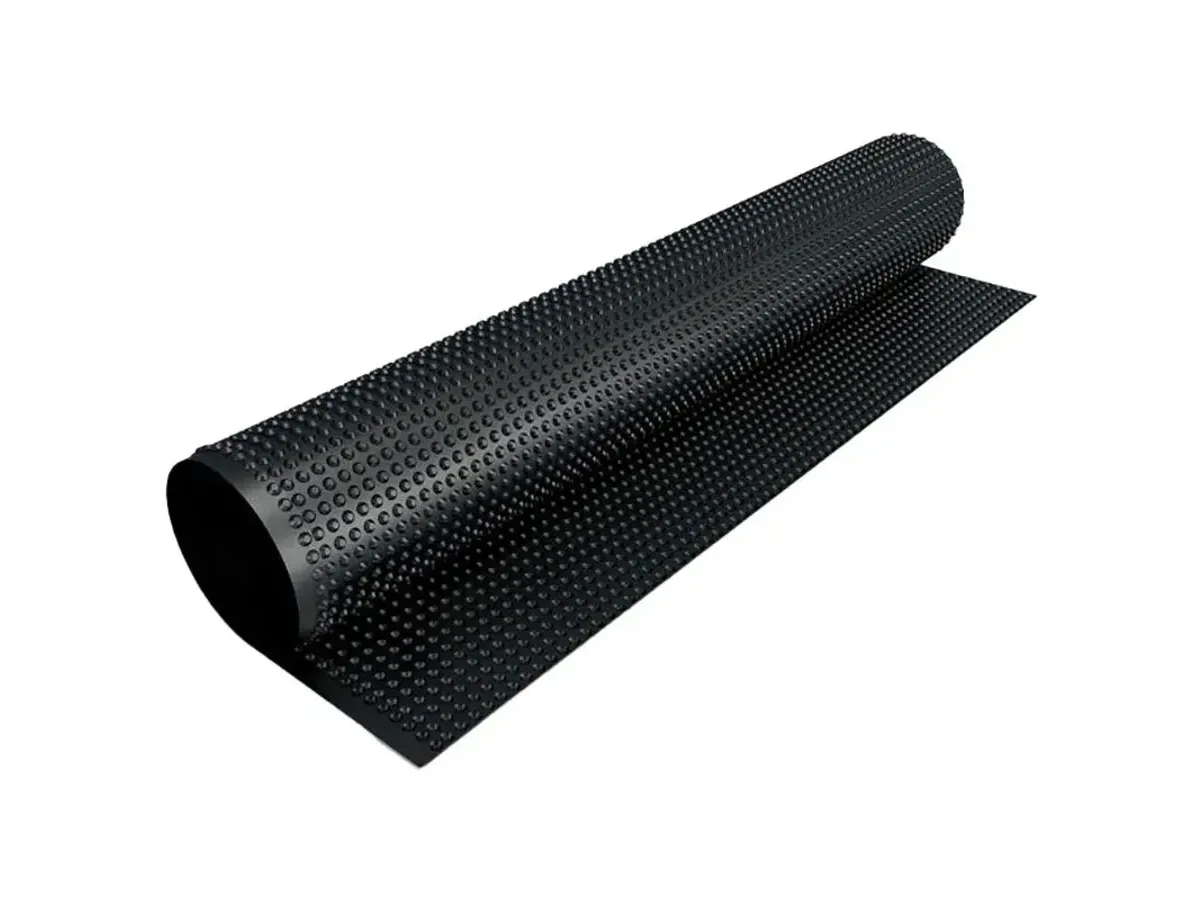
K11 Polymer Cement Waterproof Coating (Two-Component)
18 kg/barrelOrder on WhatsAppTZS 155,000perbucket




How insulation works
The CSIRO Building Technology Resource “Thermal insulation” (2021) splits insulation into two kinds. Bulk insulation is a low-density material full of trapped air: the still air insulates, and the thin material around it adds little heat flow of its own. Reflective insulation uses a shiny aluminium surface that reflects heat across an airspace; it works only with that airspace next to it.
Performance is given as the R value, in m²·K/W: the thickness divided by the material’s thermal conductivity. A higher R value means more resistance to heat flow, and for a bulk material, more thickness means a higher R value.
Insulation types compared
| Material | Density | R value for 100 mm |
|---|---|---|
| Glass fibre batt, low density | 8 kg/m³ | 2.0 |
| Glass fibre batt, medium density | 16 kg/m³ | 2.6 |
| Rockwool batt | 40 kg/m³ | 2.8 |
| Expanded polystyrene (EPS) | 16 kg/m³ | 2.8 |
| Extruded polystyrene (XPS) | 30 kg/m³ | 3.3 |
| PUR, PIR and phenolic foam, new | 30 kg/m³ | 4.0 |
| PUR, PIR and phenolic foam, aged | 30 kg/m³ | 3.7 |
| Vertical reflective airspace | — | 0.6 |
Source: CSIRO, Table 1, typical values.
The table also answers the question of thickness. To reach R 2.8, you need 100 mm of EPS at 16 kg/m³, but only 70 mm of new PIR foam (our calculation: 2.8 ÷ 4.0 × 100 mm).
Expanded polystyrene (EPS) and XPS boards
Expanded polystyrene is made from moulded beads that are expanded with steam and fused into a shape, CSIRO explains; extruded polystyrene is pushed out of a die as a uniform sheet. EPS boards and EPS panels are sold by density, and CSIRO’s R 2.8 applies to EPS at 16 kg/m³, so check the density printed on the board.
XPS costs more than EPS but insulates better, and CSIRO names it for insulation under concrete slabs because it is tough and absorbs very little water. Two cautions apply to both: polystyrene softens in contact with organic solvents, and it is combustible, although flame-retardant grades are made.
Polyurethane spray foam (PU foam)
PIR and PUR foams have the highest R values in the CSIRO table and, CSIRO notes, the foam can be sprayed into place on site. Their R value falls with age, from 4.0 to 3.7 for 100 mm in the table, because the gases in the cells, which insulate better than air, slowly diffuse out.
Glass wool and rock wool
Glass wool and rockwool, also called mineral wool or mineral fibre, are made of fine fibres spun from molten glass, or from slag and rock such as basalt, and held together with a binder, according to CSIRO. They come as batts and blankets. CSIRO notes that rockwool is generally denser, and that protective equipment should be worn when installing mineral fibre insulation.
Fibreglass insulation (spelled fiberglass in the US) is the same material as glass wool; CSIRO lists it as glass fibre batts.
Other insulation materials
| Material | What it is, per CSIRO | R value for 100 mm |
|---|---|---|
| Cellulose fibre, loose fill (35 kg/m³) | pulverised paper with fire-retardant chemicals, blown into ceilings; may settle, and is dusty to install | 2.5 |
| Polyester fibre batt (8–16 kg/m³) | polyester fibre, often blended with sheep’s wool, in batts and blankets | 1.6–2.2 |
| Wool batt (8–16 kg/m³) | sheep’s wool, usually bonded with polyester “melt” fibre | 1.7–2.2 |
| Vermiculite and perlite | steam-expanded mica and porous volcanic rock, as loose fill or mixed into light cement and plaster; non-combustible | — |
| Vacuum insulation panel (250 kg/m³) | a porous core sealed in a gas-tight wrap with the air drawn out; thin, but slowly loses vacuum if air gets in | 18.0 |
The US National Insulation Association sorts the same materials into three internal structures in its insulation materials guide: fibrous (glass and mineral wool), cellular (polystyrene, polyurethane, polyisocyanurate, elastomeric foam, cellular glass) and granular (calcium silicate, vermiculite, perlite).
Roof insulation
For roofs, both kinds are in use. CSIRO describes the most widely used reflective insulation as a laminate of aluminium foil, usually on both sides, supplied in rolls; it adds R value only where it faces an airspace. A bulk layer — glass wool, rockwool or foam board — adds resistance through its own thickness.
What to check when you buy insulation
- R value and thickness together, in m²·K/W for the thickness you will install.
- Density for wool and EPS: in the CSIRO table, glass fibre batts at 8 and 16 kg/m³ differ by R 0.6.
- Flame-retardant grade for any polystyrene board.
- Aged R value for PIR and PUR foam, not only the value when new.
- Facing and airspace for foil products, as they need the airspace to work.
Insulation in Zanzibar
Kitovu sells from stock in Zanzibar, and insulation boards and wool are not among its products. For roof and wall boards, see fibre cement board and aluminium composite panel.
Questions
What is expanded polystyrene (EPS)?
A rigid foam made from polystyrene beads that are expanded with steam and fused into blocks or boards. CSIRO gives 100 mm of EPS at 16 kg/m³ a thermal resistance of R 2.8.
Should you choose extruded or expanded polystyrene?
CSIRO describes XPS as more expensive than EPS but a better insulator, tough and with very low water absorption, which suits it to insulation under concrete slabs. EPS suits many other uses where lower cost matters.