















































































Sand
Published · Updated
Sand is the fine aggregate that, with cement and water, makes mortar, plaster and — with coarser stone — concrete. Which sand matters: a 2008 study in Construction and Building Materials set 0.075% chloride by weight of sand as a safe limit for reinforced concrete, while sand soaked in seawater, at 0.3%, caused clear corrosion of the steel.
In stock in Zanzibar
See all 11 products
Non-Woven Needle-Punched Polypropylene Geotextile 200 g/m²
200 g/m²Laid under crushed stone so that it does not sink into the soil.
Order on WhatsAppTZS 526,000perroll
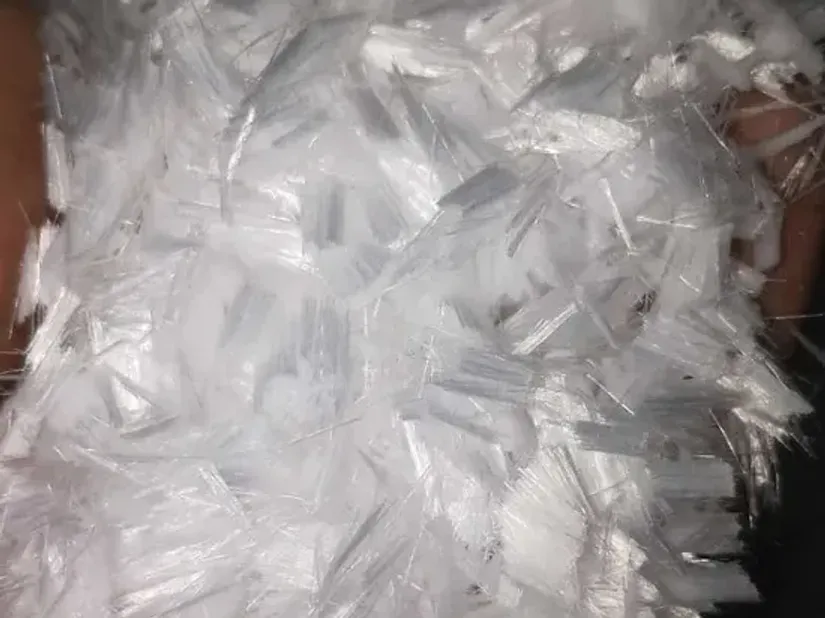
Polypropylene Fibre for Concrete and Mortar
Order on WhatsAppTZS 15,100perkg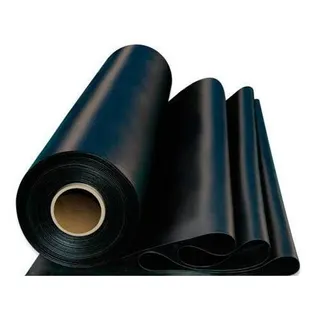

What sand is
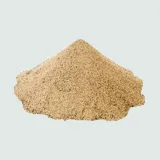
Sand is loose grains of broken-down rock, finer than gravel and coarser than silt. On a building site it is the fine part of the aggregate: it fills the gaps between coarse stone in concrete, carries the cement paste in mortar, and gives plaster its body. Its cleanliness and salt content depend on where it was dug.
Types used in building
| Type | Where it comes from | First question before use |
|---|---|---|
| River sand | river beds | is it free of clay, silt and organic matter? |
| Pit sand | inland deposits | the same: how much clay and silt does it carry? |
| Sea or beach sand | shore and sea bed | what is its chloride content? |
| Washed sand | any of the above, washed | what was washed out, and where was it dug? |
| Silica sand | high-purity quartz deposits | it is an industrial grade, not a general building grade |
River sand for concrete, mortar and plaster
Brick&Bolt’s guide to river sand, from an Indian building firm, lists its main uses as concrete, the mortar for bricklaying and blockwork, and plastering, and stresses that it must be free of clay, silt and organic matter, which weaken concrete and mortar. The guide credits its fine texture with a smooth, workable mix.
The same guide notes that it can carry impurities picked up by the water, so even this material may need washing.
Sea sand and salt
Material from the shore or the sea bed contains salt. The chloride in it attacks the steel inside reinforced concrete. Sri Lankan researchers testing offshore sand for reinforced concrete (Dias, Seneviratne and Nanayakkara, Construction and Building Materials, 2008) found that:
- a mix made with grains saturated in seawater, at 0.3% chloride, showed clear evidence of high corrosion;
- 0.075% chloride by weight of sand was a safe limit for reinforced concrete with ordinary Portland cement;
- in a test column, about 80 mm of rain was enough to bring the chloride content below the acceptable level.
So sea sand is not ruled out, but its chloride content has to be measured, and washed or rain-leached material behaves differently from material taken straight from the beach. For rebar and the concrete cover that protects it, see rebar.
What to check in building sand
- Clay, silt and organic matter. Ask whether it has been washed, and look at a sample before the load is tipped.
- Salt. For reinforced concrete, ask where it was dug. Shore and sea-bed material needs a chloride test against a limit such as the 0.075% above.
- Grain size. Brick&Bolt advises grains of consistent colour and size, so that the mix stays uniform; ask for the grading if the supplier has it.
- Quantity and unit. Ask the volume or weight of a load before comparing prices from different suppliers.
Silica sand in Tanzania
Silica sand — almost pure quartz — is a separate product from the building grade and goes mainly into glass, foundry moulds and industrial processes. Tanzanian sources show local deposits being studied and worked:
- A 2025 paper in the MUST Journal of Research and Development analysed silica sand from New Luika Gold Mining in Songwe Region; its coarse sample TAN-005 held 97.15% silica.
- Dodoma Washed Sand Limited (DWASAL), whose core business is washed sand, describes an expansion into silica sand from sites in Dodoma and the surrounding regions, for glass, tile and solar manufacturing.
For blocks, mortar and concrete these industrial grades are not needed: ordinary clean washed sand does the job.
The rest of the mix
It works only with the materials around it: cement binds it, coarse stone carries load in concrete, and water sets the reaction going. The cement page covers cement types and bag sizes, and aggregates covers the coarse stone. In screeds, plaster and mortar, polypropylene fibre is sometimes added against plastic shrinkage cracks; Kitovu keeps Polypropylene Fibre for Concrete and Mortar — 12 mm monofilament, dosed at 0.9 kg per m³ — in stock in Zanzibar.