













































































































Bitumen: what it is and which grade does what
Published · Updated
Bitumen is the black, sticky binder left when selected crude oils are refined. Eurobitume, the European bitumen industry body, counts more than 250 applications, most of them road paving and roofing. On a building site it is the base of membranes, primers and paints that keep water out of concrete and masonry.
In stock in Zanzibar
See all 11 products
APP Torch-On Waterproofing Membrane, Mineral Finish
3 mm, 4 mmTorch-on APP roll with a mineral top for flat roofs, terraces and foundations.
Order on WhatsAppTZS 192,000perroll
K11 Polymer Cement Waterproof Coating (Two-Component)
18 kg/barrelBrush-on cement coating for bathrooms, kitchens, balconies, basements and pools; tiles can go over it.
Order on WhatsAppTZS 155,000perbucket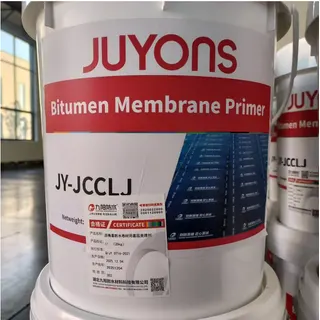
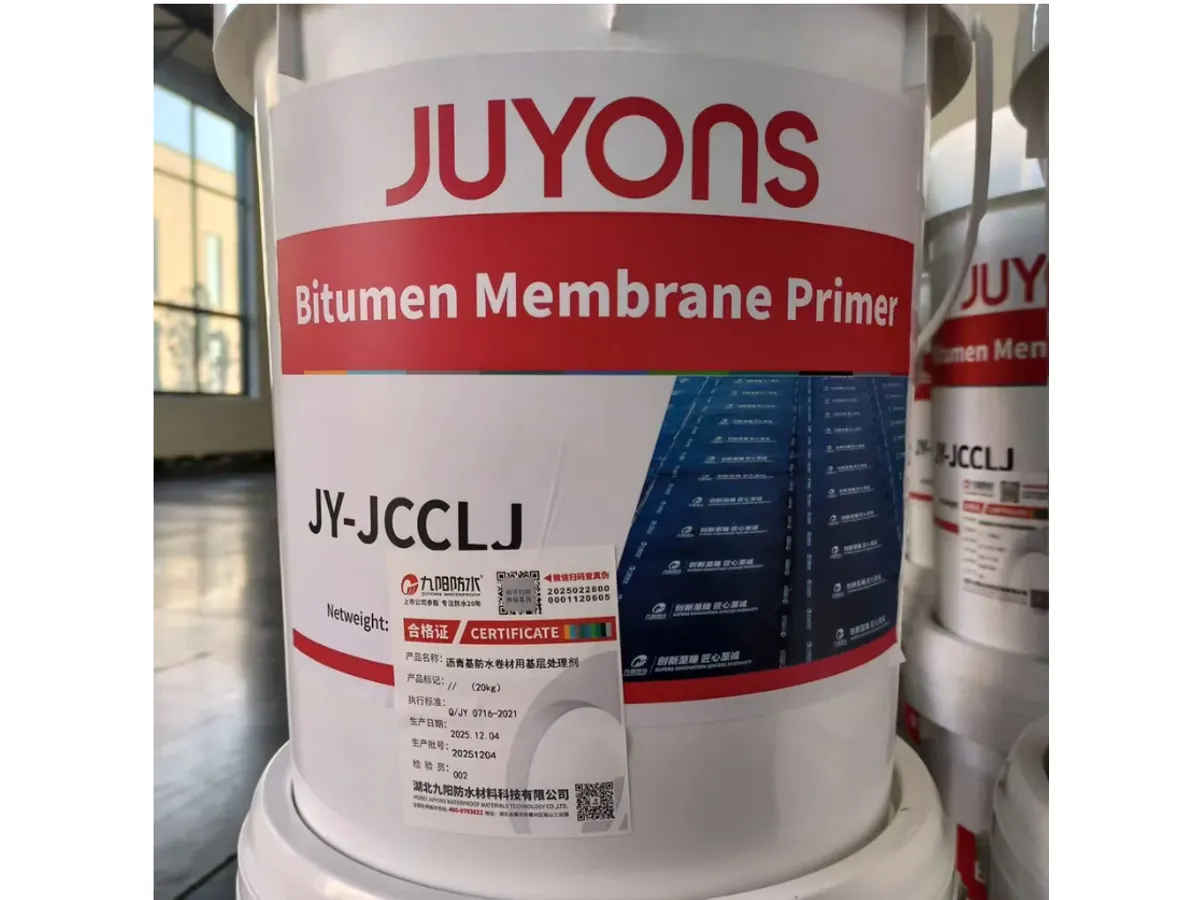
Water-Based Bitumen Primer for Waterproofing Membranes
20 kgWater-based primer brushed on the base before a bitumen membrane goes down.
Order on WhatsAppTZS 126,240perbucket
Dimple Drainage Membrane 8 mm with Geotextile (HDPE Drainage Board)
Studded drainage membrane that protects foundation walls below ground.
Order on WhatsAppTZS 328,000perroll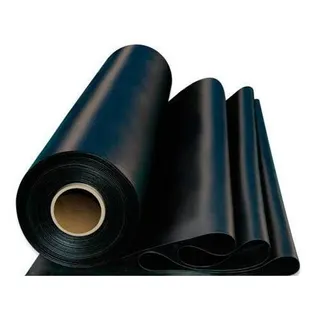
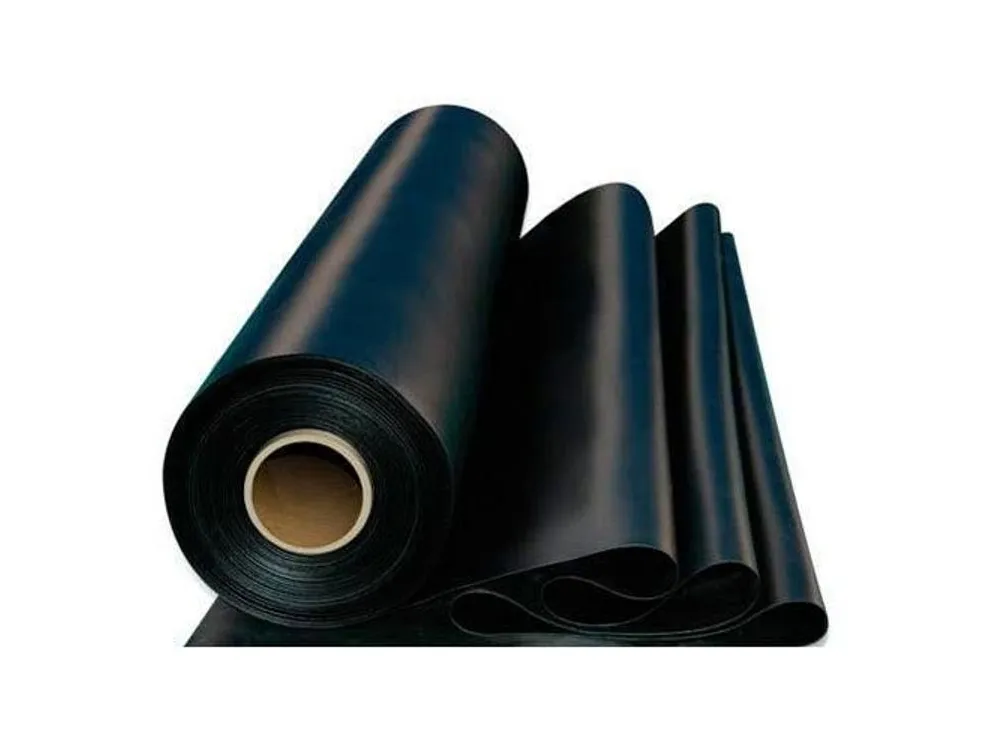
HDPE Geomembrane (Dam Liner), Smooth, 0.3 mm
Smooth0.3 mm0.3 mm HDPE sheet, ordered by Kitovu for damp proofing under floor slabs.
Order on WhatsAppTZS 1,052,000perroll



What bitumen is and where it comes from
Bitumen is made in a refinery, not dug from a pit. According to Eurobitume, it is refined from carefully selected crude oils, and only about 10% of the more than 1,300 crude types are suitable for bitumen that meets current engineering requirements. The usual route is distillation, first at atmospheric pressure and then under vacuum; what remains at the bottom of the column is bitumen.
Refiners then adjust it. Blending heavier and lighter residues gives the different grades. Blowing air through the hot residue produces air-rectified and oxidised bitumen, which Eurobitume links to roofing and some industrial uses. Adding synthetic polymers in high-shear mixers gives polymer-modified bitumen with more flexibility and stiffness. Eurobitume puts world consumption at roughly 120 million tonnes in 2022, and says most of it goes into paving and roofing.
Bitumen grades compared
A grade is a band of measured properties, and each producer publishes the band on its data sheet. The table takes figures from two such sheets.
| Grade | Main use given by the producer | Penetration at 25°C (0.1 mm) | Softening point (°C) |
|---|---|---|---|
| 50/70 paving grade | asphalt concrete and stone mastic asphalt wearing courses | 50–70 | 46–54 |
| Oxidised 85/25 | industrial bitumen | 20–30 | 80–90 |
| Oxidised 95/40 | industrial bitumen | 35–45 | 90–100 |
| Polymer-modified | binders with added synthetic polymers | per product | per product |
Both producers measure penetration by EN 1426 and softening point by EN 1427, so the figures sit on the same scale. ORLEN also lists a flash point of at least 230°C for its 50/70 grade; ExxonMobil gives at least 250°C for the oxidised grades. Those figures matter for anyone heating the material on site.
What the numbers in a grade mean
The two kinds of name look alike but are read differently. In a paving grade such as 50/70, both numbers describe one test: a standard needle sinks between 5 and 7 mm into the sample at 25°C — 50 to 70 units of 0.1 mm. A higher pair means a softer grade.
In an oxidised grade such as 85/25, the first number is the softening point and the second is the penetration. The ExxonMobil table shows it: grade 85/25 softens at 80–90°C and has a penetration of 20–30. Compared with the 50/70 paving grade, it softens at a temperature around 35°C higher (our calculation from the midpoints, 85 − 50) and is noticeably harder at 25°C. Eurobitume links oxidised bitumen to roofing, where a material that softens only at a higher temperature is less likely to flow on a sunny slope.
Where bitumen is used in a building
Roads take most of the world’s output, but on a house or villa it appears in finished products rather than as a raw drum:
- Membranes. Rolls of bitumen reinforced with a carrier, laid on roofs, decks and foundations; Eurobitume describes bituminous membranes as water-repellent and flexible. See bitumen waterproofing membranes; the lighter nailed version for sheds is roofing felt.
- Damp courses. UK Approved Document C (2013, paragraph 5.5) lists bituminous material among the accepted materials for a damp proof course in walls.
- Floor membranes. The same document (paragraph 4.9) accepts three coats of cold-applied bitumen solution as a membrane on top of a ground-floor slab, under a screed.
- Primers and paints. Bitumen dispersed in water or solvent is brushed onto concrete before a membrane goes down, or used as a protective coat. The bitumen paint page covers both coats and primers. Kitovu stocks a Water-Based Bitumen Primer for Waterproofing Membranes in Zanzibar.
- Tanks and pools. Eurobitume names waterproofed tanks in agriculture and pool waterproofing among its uses.
What to check when you buy bitumen products
- The grade and its test method. A paving or industrial bitumen should come with a grade such as 50/70 or 85/25 and the standard behind it. A drum marked only “bitumen” tells you nothing about how soft it is.
- Hot or cold applied. Grades in the table are heated before use. Primers, emulsions and paints are applied cold from the bucket; their data sheet gives drying time and consumption per m² instead of a penetration figure.
- The intended use on the label. A road binder, a roofing compound and a primer are different products even if all three are black. Use the one whose document names your job.
- Safety data. Hot bitumen needs the flash point and the producer’s handling instructions. Cold products state whether they are water-based or contain solvent.
For a map of membranes, coatings and primers by job, see the waterproofing materials overview.