













































































































French drain: how it works and what it needs
Published · Updated
A French drain is a trench lined with filter fabric, filled with gravel and laid with a perforated pipe that carries ground and surface water to a lower outlet. For a garden, a drainage specialist quoted by Homebuilding & Renovating suggests a trench about 200 mm wide and 450–600 mm deep.
In stock in Zanzibar
See all 11 products
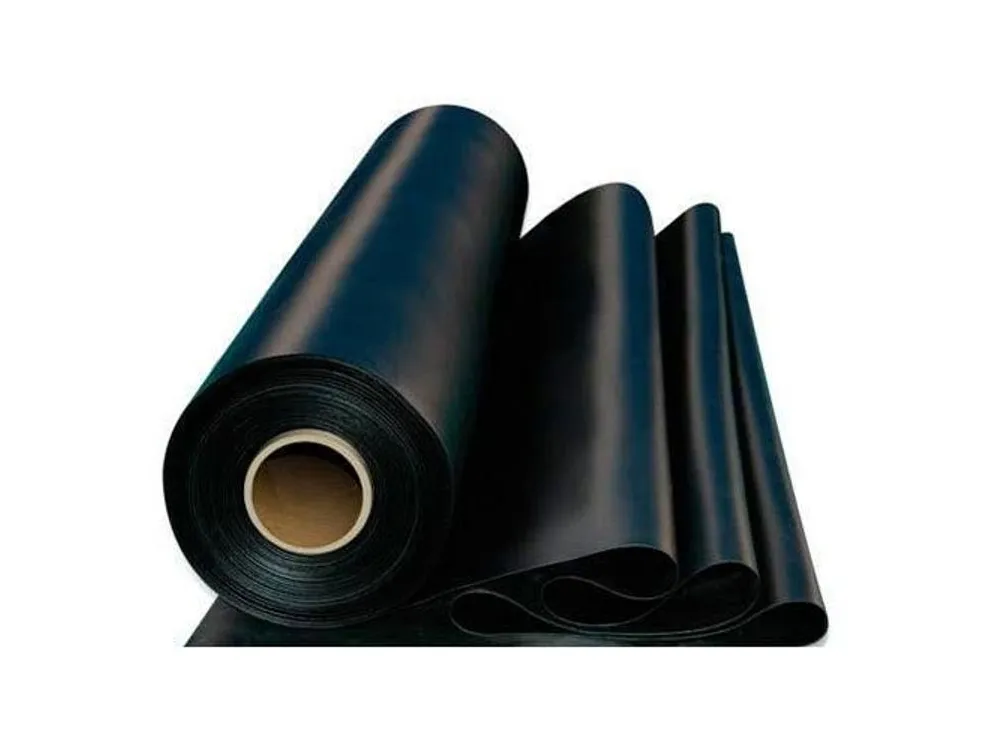
Non-Woven Needle-Punched Polypropylene Geotextile 200 g/m²
200 g/m²Wrap for drainage gravel: it lets water through and keeps soil out.
Order on WhatsAppTZS 526,000perroll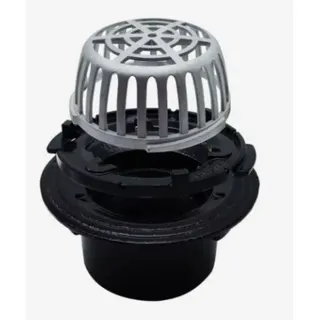
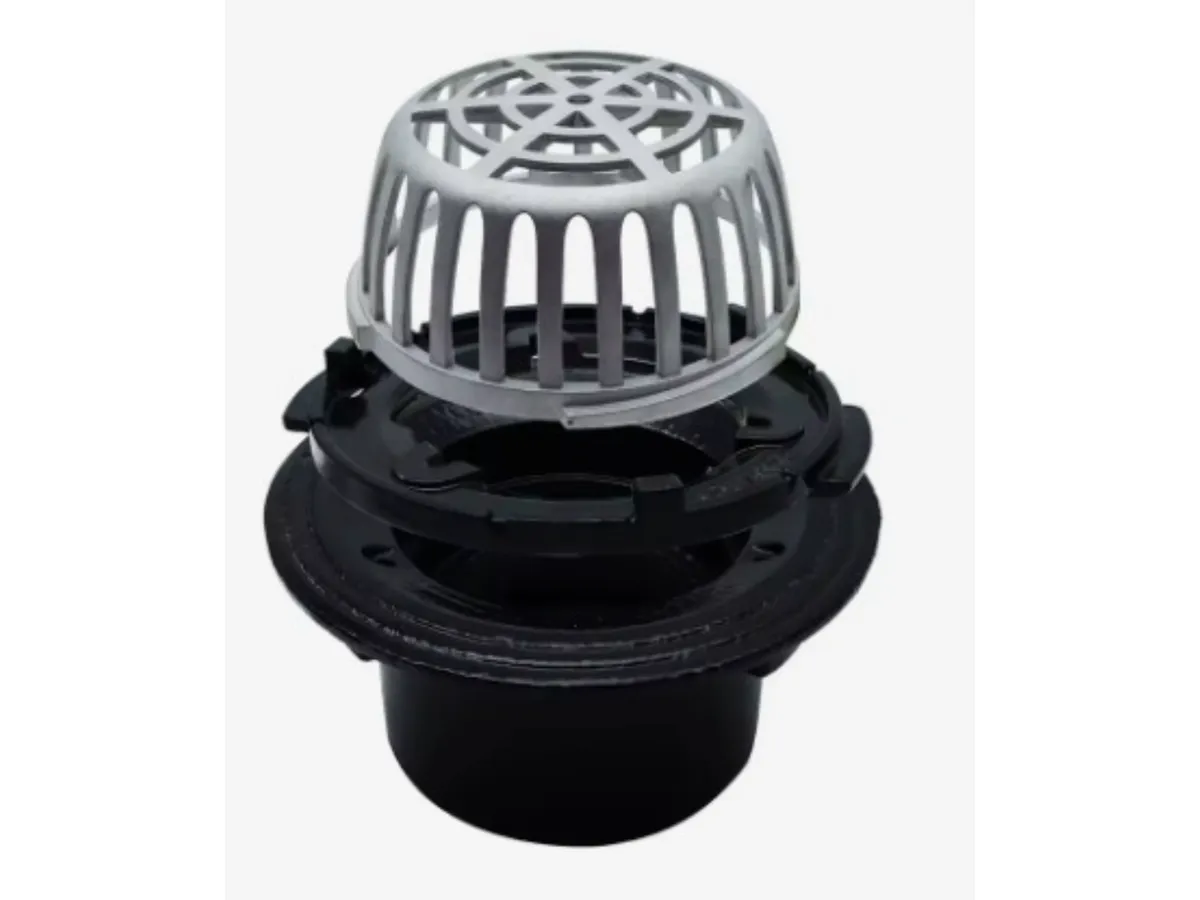
Flat Roof Drain with Dome Strainer for 110 mm Pipe
For 110 mm pipeOutlet for flat roofs and terraces, with a dome strainer, for 110 mm pipe.
Order on WhatsAppTZS 159,900perpiece
Dimple Drainage Membrane 8 mm with Geotextile (HDPE Drainage Board)
Studded membrane that leads water away from foundation walls.
Order on WhatsAppTZS 328,000perroll




What a French drain is
A French drain — also called a French ditch or French trench drain — is a buried channel of stone that collects water from the soil and leads it away. It takes its name from Henry French, a 19th-century farmer and judge, not from France, according to Homebuilding & Renovating.
The modern version has three parts, in the words of the US drainage maker NDS: a gravel-filled trench that includes a perforated or slotted pipe. A layer of filter fabric around the gravel keeps soil out.
How a French drain works
Homebuilding & Renovating describes the drain as a free-flowing, gravel-lined route for water. Water in the surrounding ground seeps into the gravel and then into the perforated pipe, which carries it along the fall of the trench to an outlet: a soakaway, a soak pit, a ditch or a lower part of the plot.
In drainage terms, a French drain collects water and moves it on in one structure. Homebuilding & Renovating stresses the difference from a soakaway, which is only a pit that receives water; the French drain is the route that brings it there.
Signs and places
Homebuilding & Renovating lists waterlogged soil, damp at the foot of walls and mould on walls as signs that a French drain may help. Its experts note that drains are often laid close to a house foundation, to stop water pooling against it. Places where a French trench drain is used in these sources:
- beside a house foundation (Homebuilding & Renovating);
- in a lawn or yard where the soil stays waterlogged (Homebuilding & Renovating);
- beside foundations and retaining walls, where NDS expects deeper trenches.
NDS adds that the route should follow where water pools, the ground levels and the soil type, and prefers sandy soil in an out-of-the-way spot.
What you need
| Material | What it does | Notes |
|---|---|---|
| Filter fabric (non-woven geotextile) | lines the trench and covers the gravel, so fine soil does not clog the stone | NDS lines the walls and covers the top; Homebuilding notes the pipe is sometimes wrapped too |
| Gravel | the open body of the drain | NDS accepts pea gravel to river rock; with mixed sizes, smaller stone near the pipe |
| Perforated or slotted pipe | carries the water along the trench | plastic, corrugated or rigid PVC (NDS); 100 mm for most gardens (Homebuilding) |
| Outlet | receives the water | soakaway, soak pit, ditch or low ground |
| Stakes and string line | set the fall while digging | NDS |
For the fabric layer, Kitovu sells from stock in Zanzibar a Non-Woven Needle-Punched Polypropylene Geotextile 200 g/m². Non-woven needle-punched geotextile is the type that data sheets such as Danosa’s list for filtration and drainage; that data sheet describes a similar product, not this item.
Size and slope
The two sources differ, so both are shown. Imperial figures from NDS are converted to metric and rounded.
| Homebuilding & Renovating | NDS | |
|---|---|---|
| Trench width | about 200 mm | 13–15 cm for small problems, wider for larger ones |
| Trench depth | 450–600 mm | 20–60 cm; deeper next to foundations and retaining walls |
| Pipe | 100 mm perforated | 4-inch (about 100 mm) for most homes |
| Minimum fall | 1 in 50 — 20 mm per metre | 1 %; 2 % for corrugated pipe |
By our reading of the two sources, a simple French drain in a garden comes out at a trench 200 mm wide and 450–600 mm deep, falling at least 10–20 mm per metre to its outlet (1 % is 10 mm per metre; 1 in 50 is 20 mm).
Steps
The order of work below is NDS’s, with points from Homebuilding & Renovating where marked.
- Choose the route where water pools, falling towards an outlet lower down.
- Check what is underground. NDS says to have utility lines marked; Homebuilding warns to check for pipes, cables and tree roots on the route.
- Mark the trench and set the fall with two stakes and a taut string line, and check the grade often while digging.
- Dig the trench to the planned width and depth.
- Line the trench with fabric, leaving enough at the sides to fold over the top later. Spread a thin layer of gravel to hold it down.
- Lay the perforated pipe on the gravel, aimed at the outlet.
- Fill with gravel around and over the pipe.
- Fold the fabric over the gravel or add a second layer on top.
- Cover with topsoil and turf.
Common mistakes
- No fabric in clay soil. NDS warns that fine clay particles wash into the gravel and clog it; the fabric wrap is there to stop that.
- Too little fall. Both sources set a minimum: 1 in 50 (Homebuilding) or 1 % (NDS). Check the string line as you dig.
- No outlet. NDS directs the pipe to an outlet away from the house; French drains move water, so the soakaway, soak pit or lower ground has to be there to receive it.
- Digging blind. Both sources put checking for buried services before the first spade.
Questions
What size French drain do I need?
For a garden, Homebuilding & Renovating quotes about 200 mm wide and 450–600 mm deep with a 100 mm perforated pipe. NDS gives a narrower 13–15 cm trench for small problems and 20–60 cm depth, deeper beside foundations and retaining walls.
Where should a French drain go?
Where water collects, on a line that lets it fall to an outlet lower down. NDS says to choose by where water pools, the ground levels and the soil; experts quoted by Homebuilding & Renovating often place it near a house foundation.
What are the signs I need a French drain?
Waterlogged ground that stays wet after rain, damp at the base of walls and mould on walls are the signs listed by Homebuilding & Renovating.