













































































































Toilets: types, traps and flush systems
Published · Updated
Start with the drain, not the style. Parryware, a Roca company, explains that a P-trap toilet has a horizontal outlet into a wall drain and an S-trap toilet a vertical outlet into a floor drain. Then compare flush volume: the US WaterSense label allows 1.28 gallons per flush, about 4.8 litres.
In stock in Zanzibar
See all 11 products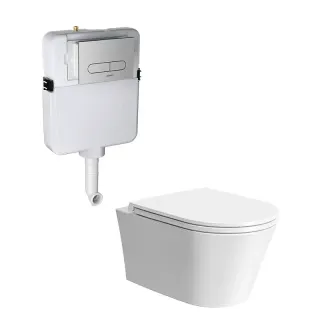
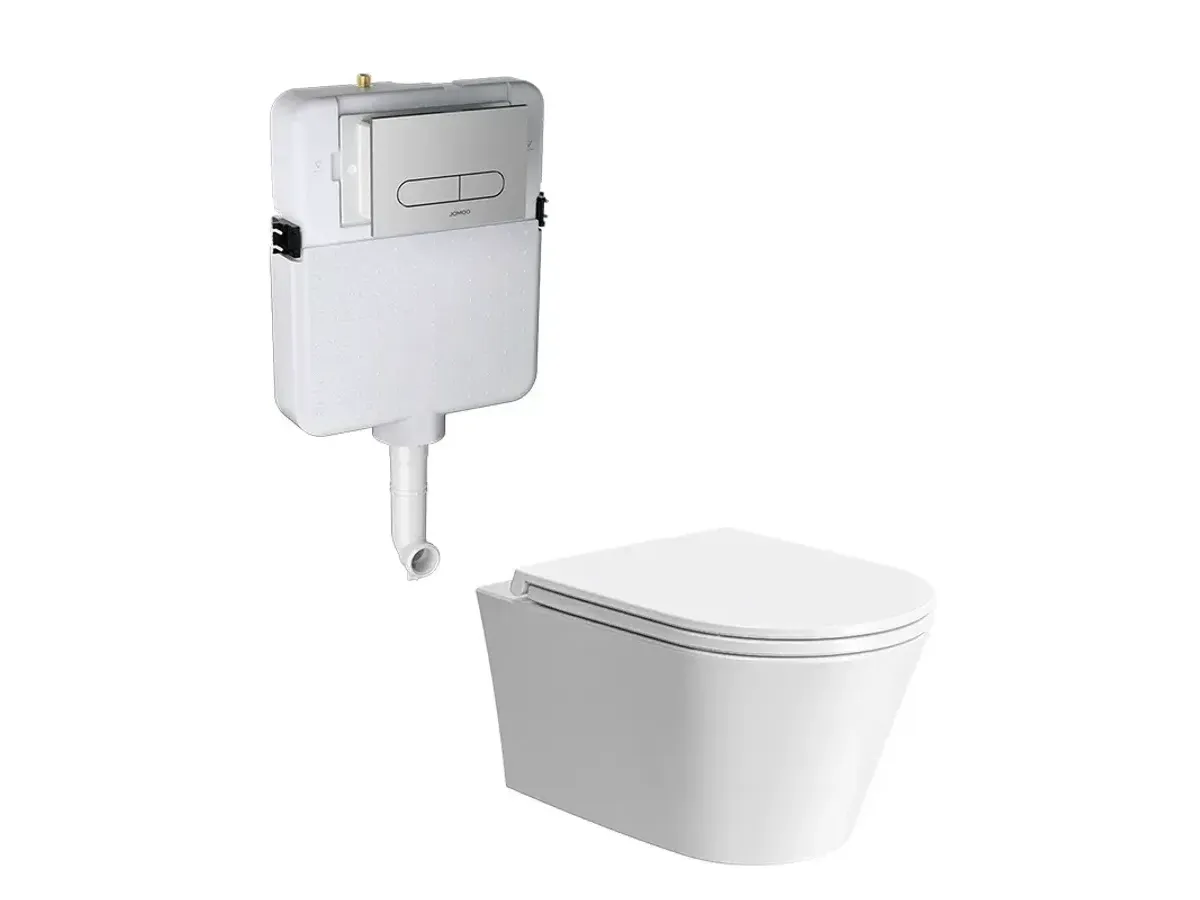
JOMOO Wall-Hung Toilet 02355-00-2, 565 x 375 x 350 mm
565 × 375 × 350 mmWhite JOMOO wall-hung toilet, 565 × 375 × 350 mm, fitted with a concealed cistern.
Order on WhatsAppTZS 2,210,000perset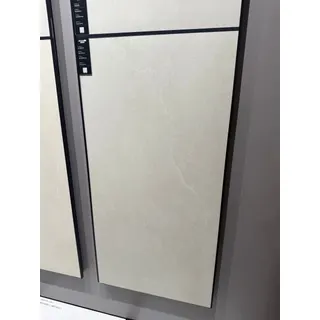
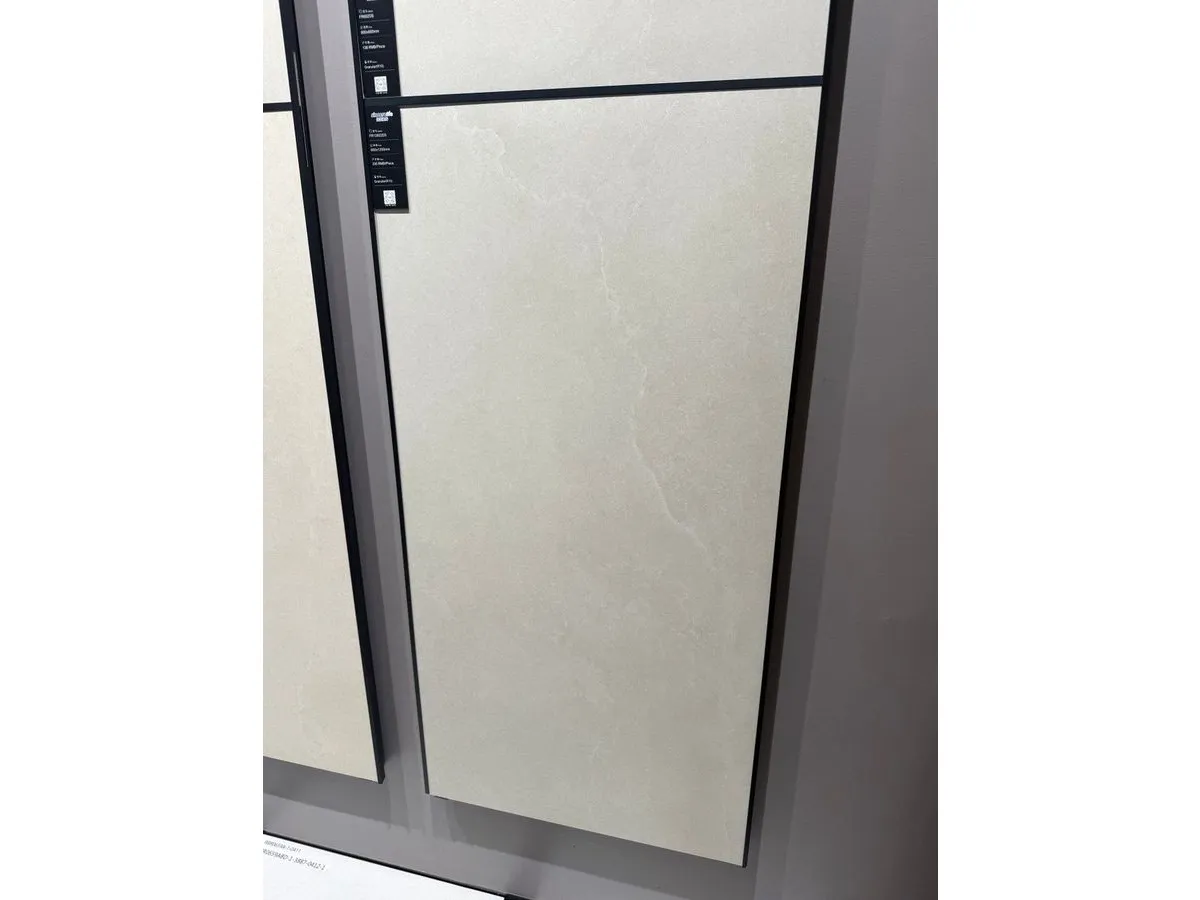
Beige Porcelain Tile 1200x600 mm, Matt Anti-Slip R10
1200 × 600 mmR10Matt R10 anti-slip porcelain for bathroom floors and walls.
Order on WhatsAppTZS 49,680pertile
K11 Polymer Cement Waterproof Coating (Two-Component)
18 kg/barrelWaterproofs the bathroom floor and walls before tiling.
Order on WhatsAppTZS 155,000perbucket




What a toilet (WC) is made of
A flush toilet, or WC (water closet), works with three parts: the pan or bowl, a trap that keeps water standing in its bend, and a cistern that stores the flush. According to Parryware’s guide to traps, the water left in the bend after each flush is what blocks sewer odours. The seat and cover are fitted on top; some pans are sold with them, some without.
A wc toilet or water closet toilet in most searches is the sitting, western toilet. The other family is the squat toilet, a pan at floor level that Wikipedia’s article on squat toilets describes as particularly common in some Asian and African countries.
Toilet types and how they differ
Geberit’s guide to toilet types sorts them by how the pan is fixed and where the cistern goes. That is the useful way to compare types of toilets in Tanzania too, because both choices decide the plumbing and the wall work.
| Type | How the pan is fixed | Where the cistern is |
|---|---|---|
| Close-coupled | stands on the floor | attached to the back of the pan, one unit |
| Back-to-wall | floor toilet, pushed against the wall | hidden behind the wall |
| Low-level | stands on the floor | on the wall above, joined by a visible flush pipe |
| Wall-hung | hangs on a frame inside the wall, floor below stays clear | inside the same frame |
| Comfort | floor or wall | any |
| Shower toilet | floor or wall | any |
| Squat | pan at floor level | with or without cistern |
P-trap or S-trap: check the drain first
The trap decides which toilet bowls can go into your bathroom at all. Parryware describes the P-trap as a horizontal outlet that joins a drain in the wall; wall-hung pans use it, as do floor pans with a wall outlet. The S-trap has a vertical outlet that drops into a drain in the floor, where the waste pipe runs below the slab.
Look at the existing pipe before choosing a model: out of the floor means an S-trap pan, out of the wall a P-trap pan. The guide gives no standard distances, so take them from the data sheet of the exact pan.
Toilet cisterns and flush volume
The US Environmental Protection Agency puts toilets at nearly 30% of indoor water use in an average American home. Its WaterSense label goes to models using 1.28 gallons per flush or less, about 4.8 litres. The US federal limit is 1.6 gallons, about 6.1 litres, and older models can use up to 6 gallons, about 22.7 litres (litre figures are our conversion).
Toilet cisterns come in two forms. An exposed cistern sits on the pan or on the wall; Geberit says it is quicker to install and suits retrofits. A concealed cistern is built into a frame or wall, and Geberit notes that it is serviced through the flush plate without tools. Dual-flush plates have two buttons: one for a full flush and one for a reduced flush.
Seats, covers and smart toilet features
Geberit lists soft-close lids and quick-release seats among the features of current models. When you replace toilet covers, give the seller the model number of the pan. A smart toilet in Geberit’s terms is a shower toilet: on top of the warm-water spray it can add odour extraction, a warm-air dryer and an orientation light.
A wall-hung toilet in stock in Zanzibar
Kitovu sells one model from stock in Zanzibar, the JOMOO Wall-Hung Toilet 02355-00-2. The supplier documents show a white wall-hung pan with seat and cover, 565 × 375 × 350 mm, and a flush plate of 246 × 164 mm. Whether a concealed cistern and frame come with it is not confirmed yet.
Before you order:
- Check that the drain comes out of the wall: a wall-hung pan uses a P-trap.
- Plan the frame or wall that will carry the pan and hide the cistern; our page on wall-hung toilets sets out load and height figures from frame makers.
- Ask on WhatsApp what is in the box before you build the wall.
- For who makes it and what else the maker produces, see the JOMOO brand page.