













































































































PPR pipes and fittings for hot and cold water
Published · Updated
PPR pipes are made of polypropylene random copolymer for hot and cold water inside buildings, and are joined by melting pipe and fitting into one piece. Aquatherm's welding table, based on DVS 2207-11, gives a 20 mm joint a 14.5 mm socket depth, 5 seconds of heating and 2 minutes to cool.
In stock in Zanzibar
See all 11 products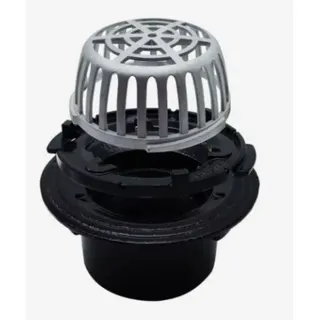
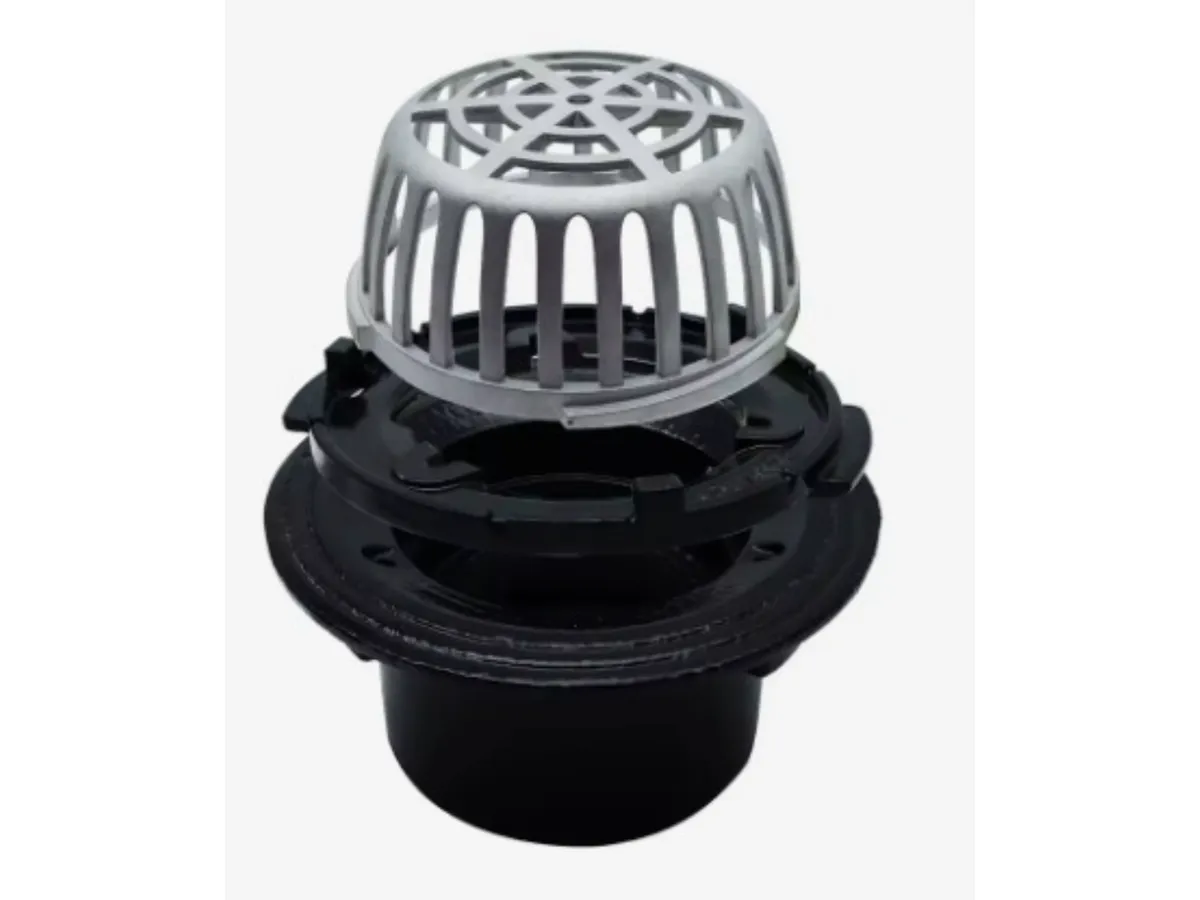
Flat Roof Drain with Dome Strainer for 110 mm Pipe
For 110 mm pipeRoof outlet that connects to a 110 mm drain pipe.
Order on WhatsAppTZS 159,900perpiece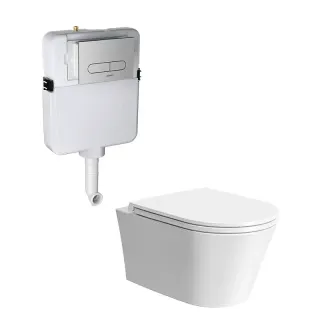
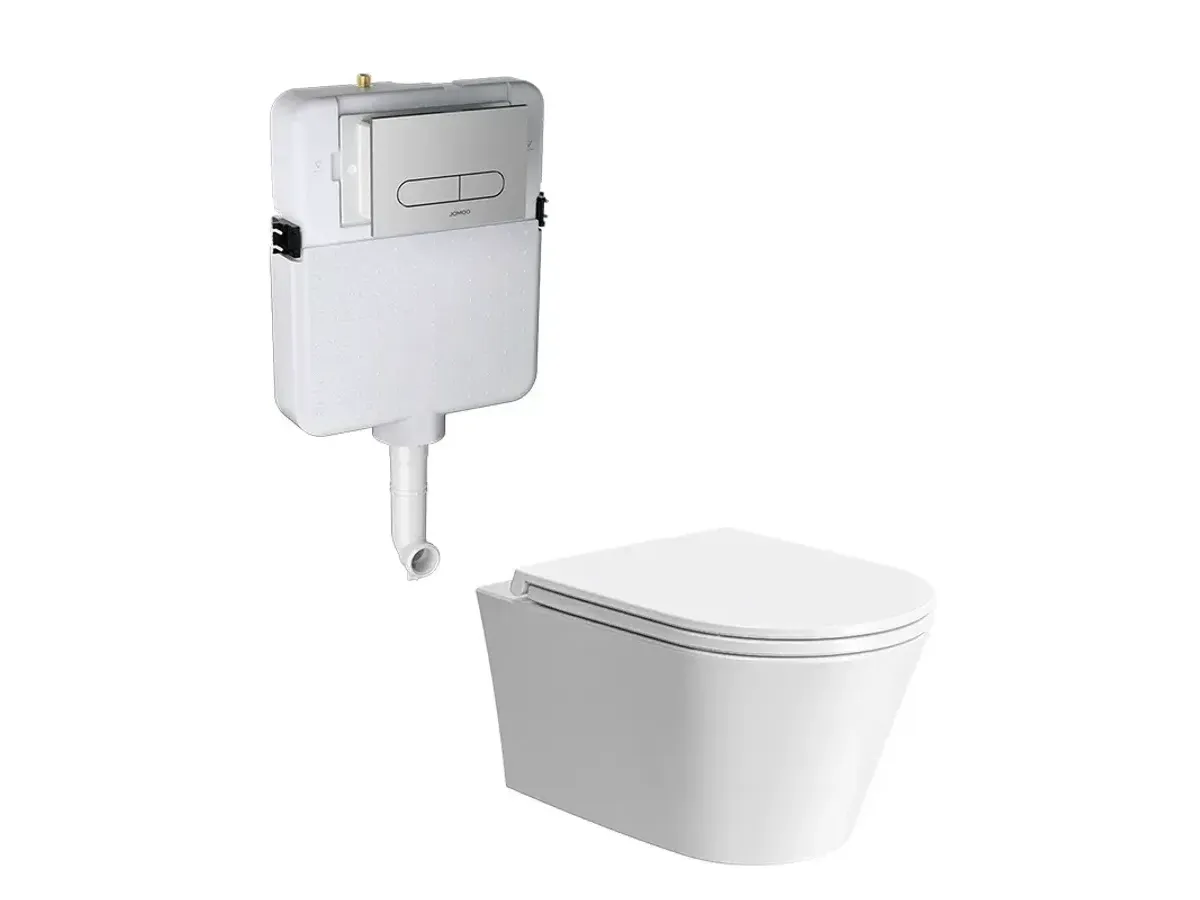
JOMOO Wall-Hung Toilet 02355-00-2, 565 x 375 x 350 mm
565 × 375 × 350 mmOrder on WhatsAppTZS 2,210,000perset


K11 Polymer Cement Waterproof Coating (Two-Component)
18 kg/barrelOrder on WhatsAppTZS 155,000perbucket



What PPR pipe is
PPR pipes are made of PP-R, polypropylene random copolymer, a plastic used for hot and cold water inside buildings; the international standard for such systems is ISO 15874. Georg Fischer, the Swiss piping maker, describes its PP-R system as safe for drinking water and offers it in a plain single-layer pipe and in multilayer pipes with a glass fibre middle layer, plus a stronger grade called PP-RCT.
PPR is not glued like PVC. IFAN, a PPR pipe maker, explains in its fittings guide that pipe wall and fitting socket are melted together, and warns that mixing PP-R with other polymers such as PP-H or polybutylene is a common cause of failed joints. Pipe and fittings should come from the same material family. For cold mains in the ground and other plastics, see the water pipe page; rigid PVC pipes and fittings are a cold-water system.
PN class and SDR
The pressure class of PPR pipe and fittings depends on wall thickness, expressed as SDR, the outside diameter divided by the wall. Georg Fischer’s AquaSystem page lists these combinations:
| Pipe type | SDR and PN | Use named by Georg Fischer |
|---|---|---|
| Single-layer PP-R | SDR 7.4 PN16, SDR 6 PN20 | cold and moderately hot water |
| Multilayer PP-R with glass fibre | SDR 11 PN10, SDR 7.4 PN20, SDR 6 PN25 | hot water and heating |
| Multilayer PP-RCT with glass fibre | SDR 9 PN22, SDR 7.4 PN25 | hot and cold water, district heating, industry |
The PN figure is the nominal pressure in bar: IFAN describes PN20 as handling 20 bar and PN25 as 25 bar. A lower SDR means a thicker wall and a higher class.
Thermal expansion
Hot water makes plastic pipe grow, and here the layers matter. Georg Fischer gives a thermal expansion of 0.15 mm per metre per kelvin for single-layer PP-R and 0.035 mm/m·K for its glass fibre pipes. A 10 m run of PPR pipes warmed by 40°C therefore lengthens by 60 mm in single-layer pipe and 14 mm in glass fibre pipe (our calculation: 10 × 40 × 0.15 and 10 × 40 × 0.035). Georg Fischer names the fibre-reinforced pipe for hot water and heating.
Fusion welding
PPR joints are made with a heated tool that warms the outside of the pipe and the inside of the fitting socket at the same time; the two are then pushed together and left to cool. The aquatherm welding table, which applies DVS 2207 part 11, the German welding guideline, sets the times by outside diameter:
| Pipe diameter | Welding depth | Heating time | Time to join | Cooling time |
|---|---|---|---|---|
| 20 mm | 14.5 mm | 5 s | 4 s | 2 min |
| 25 mm | 16.0 mm | 7 s | 4 s | 2 min |
| 32 mm | 18.0 mm | 8 s | 6 s | 4 min |
| 40 mm | 20.5 mm | 12 s | 6 s | 4 min |
| 50 mm | 23.5 mm | 18 s | 6 s | 4 min |
| 63 mm | 27.5 mm | 24 s | 8 s | 6 min |
The welding depth is how far the pipe goes into the fitting socket. Aquatherm lengthens the heating times when the air is below +5°C. These are one maker’s PPR plumbing fittings times; other brands publish their own tables.
PPR fittings
IFAN’s guide sorts PPR fittings into a few groups:
| Fitting | What it does |
|---|---|
| Socket coupling | joins two pipes of the same size |
| PPR elbow | turns the line |
| PPR tee, reducing tee | branches the line, the reducing tee to a smaller size |
| Cross | four-way junction |
| Reducer (reducing socket) | steps from one size to another, such as 25 to 20 mm |
| End cap | closes a line for a pressure test or a later connection |
| Union | screwed coupling that can be undone for maintenance |
| Male or female threaded adapter | brass-threaded insert moulded into the plastic, to meet taps, meters, pumps and water heaters |
A PPR female elbow or female tee has a female threaded brass insert in one outlet, so a tap or a gate valve can screw straight in. IFAN’s test of a good one is the insert: knurled or hexagonal on the outside so it locks into the plastic and cannot spin when the tap is tightened, rather than smooth. Where the pipe meets a pump, such as a Pedrollo water pump, or a water heater, IFAN recommends a union ball valve so the equipment can be removed without cutting pipe. Taps themselves are covered on the taps page.
What to check when you buy
- Material. PP-R or PP-RCT, the same for pipe and fittings, and from one maker if possible.
- Size. Outside diameter in millimetres; IFAN names 20, 25 and 32 mm as the common household sizes. If you are asked for a ¾ inch PPR pipe, confirm which millimetre size the seller means.
- Class. PN and SDR printed on the pipe, with glass fibre pipe for hot water.
- Fittings. The same size and material, reducers wherever sizes change, and knurled brass inserts on threaded parts.
- Tools. A welding tool with sockets for each size, and the maker’s table of heating and cooling times.
Questions
Can I connect DN20 and DN25 PPR pipe directly?
No. IFAN, a PPR pipe maker, points out that they have different outside diameters, 20 mm and 25 mm, so a reducer or reducing socket is needed to step between them.
Do PN20 and PN25 PPR pipes use the same fittings?
IFAN says yes for the common small sizes: the pressure class belongs to the pipe, and a DN20 socket weld takes PN20 or PN25 pipe at the same fusion temperature.