













































































































Table lamps and desk lamps: how much light and which bulb
Published · Updated
A table lamp adds light where you read or work, on top of the room's general lighting. The UK Health and Safety Executive's guide Lighting at work gives 200 lux as the average for office tasks and 500 lux for fine detail such as drawing — the gap a desk lamp is there to close.
In stock in Zanzibar
See all 11 products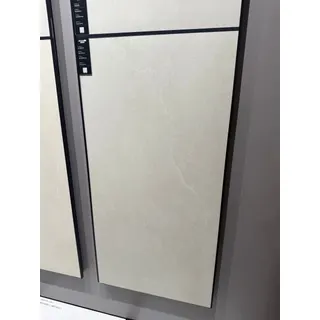
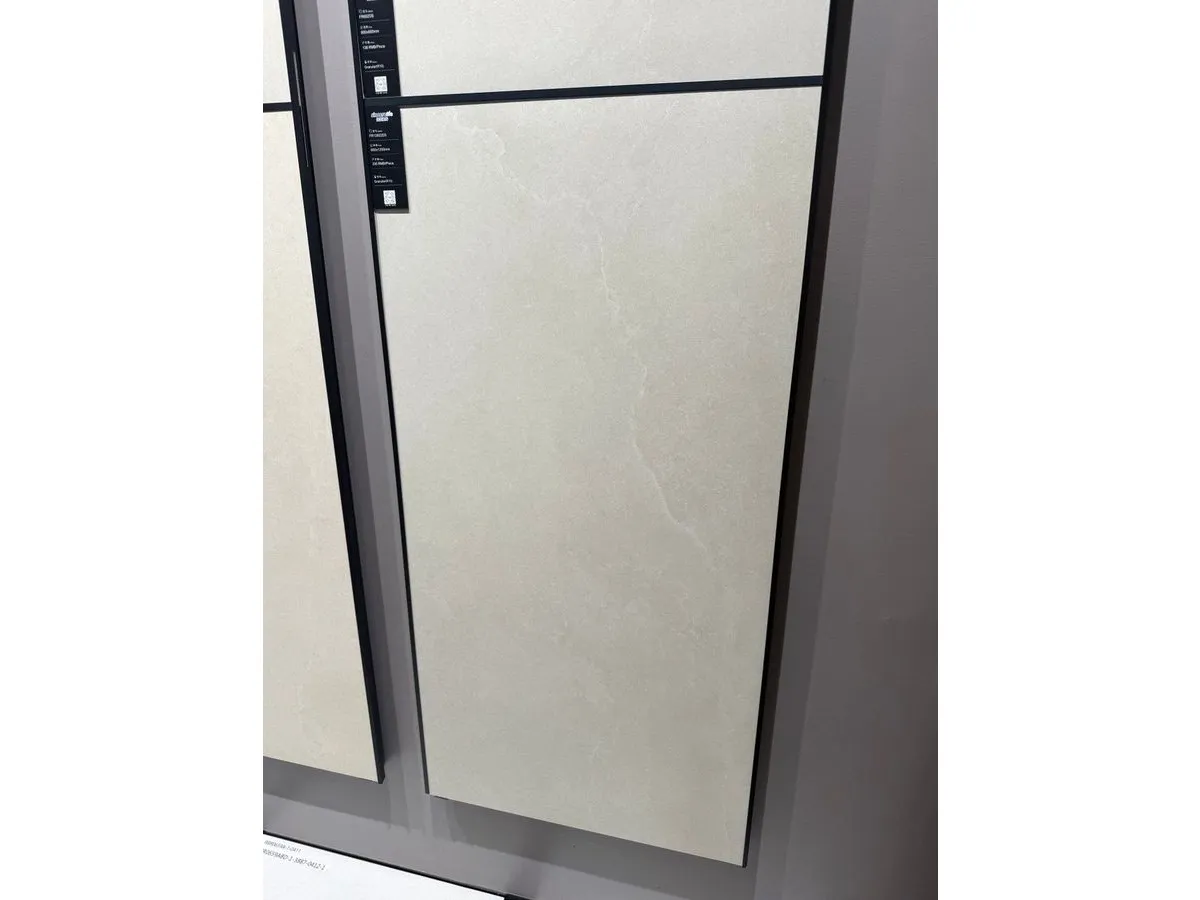
Beige Porcelain Tile 1200x600 mm, Matt Anti-Slip R10
1200 × 600 mmR10Order on WhatsAppTZS 49,680pertile
K11 Polymer Cement Waterproof Coating (Two-Component)
18 kg/barrelOrder on WhatsAppTZS 155,000perbucket




What a table lamp is for
Ceiling lights spread an even, modest level of light over a whole room. A table lamp does the opposite: it puts more light on one small area — a desk, a bedside, a reading chair. The UK Health and Safety Executive calls this local lighting in its guide Lighting at work (HSG38): background light from the room plus a fitting close to the task.
HSE lists three cases where local lighting makes sense: a small area needs a high level of light, the light has to be moved and aimed for different jobs, or general lighting cannot reach the spot. A flexible desk lamp answers the second case; a fixed table light, the first.
How much light a desk needs
Light falling on a surface is measured in lux. HSG38 gives these averages for workplaces, with the lowest acceptable reading at any point alongside:
| Kind of work | Example | Average | Minimum |
|---|---|---|---|
| Limited detail | kitchens | 100 lux | 50 lux |
| Detail | offices | 200 lux | 100 lux |
| Fine detail | drawing offices | 500 lux | 200 lux |
These are UK workplace figures, quoted as a guide to scale. Our reading of the table: for a home desk used for reading and paperwork, the office row is a fair target; for sewing or detailed drawing, the fine-detail row.
Bulb, holder and shade
A lamp’s brightness comes from its bulb, and bulb packs state output in lumens. ENERGY STAR equates 450 lumens with an old 40 W bulb and 800 lumens with a 60 W one. Before buying a bulb, check the cap code on the lamp’s lampholder — screw and bayonet caps do not interchange.
Under a fabric or paper shade, heat matters. The US Department of Energy notes that LEDs are cool to the touch and use at least 75% less energy than incandescent bulbs. More on lumens and colour is on the LED lights page, and other light sources are compared under lamps.
Halogen desk lamps
HSG38 singles out one type for care. Tungsten halogen lamps in desktop fittings run hot and can give off enough ultraviolet light to harm skin and the cornea of the eye when used within a metre or so for long periods. HSE’s advice is that such a fitting should have an ultraviolet filter, checked and replaced if damaged — and that one without a filter should not be used for close work.
Glare
A lamp that lights the page but shines into your eyes defeats its purpose. HSE describes glare as one part of the field of view being much brighter than the rest. When it blocks vision outright it is disability glare; when it only causes discomfort and distraction it is discomfort glare, which HSE links to tired eyes. On table lights, a shade that hides the bulb from where you sit, and a lamp placed to the side rather than straight ahead, keep the bright source out of view.