













































































































Boriti (mangrove poles)
Published · Updated
Boriti is the Swahili name for the straight mangrove poles used in roofs, ceilings and floors on the East African coast. A University of Dar es Salaam study of mangrove timber from Zanzibar measured a bending strength of 96.25 N/mm² and placed it in strength class D70, the highest for hardwood.
In stock in Zanzibar
See all 11 products


K11 Polymer Cement Waterproof Coating (Two-Component)
18 kg/barrelOrder on WhatsAppTZS 155,000perbucket
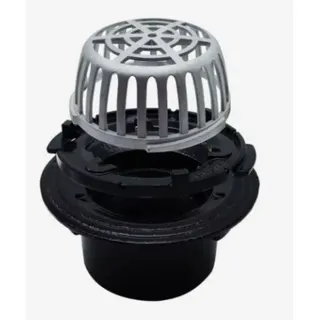
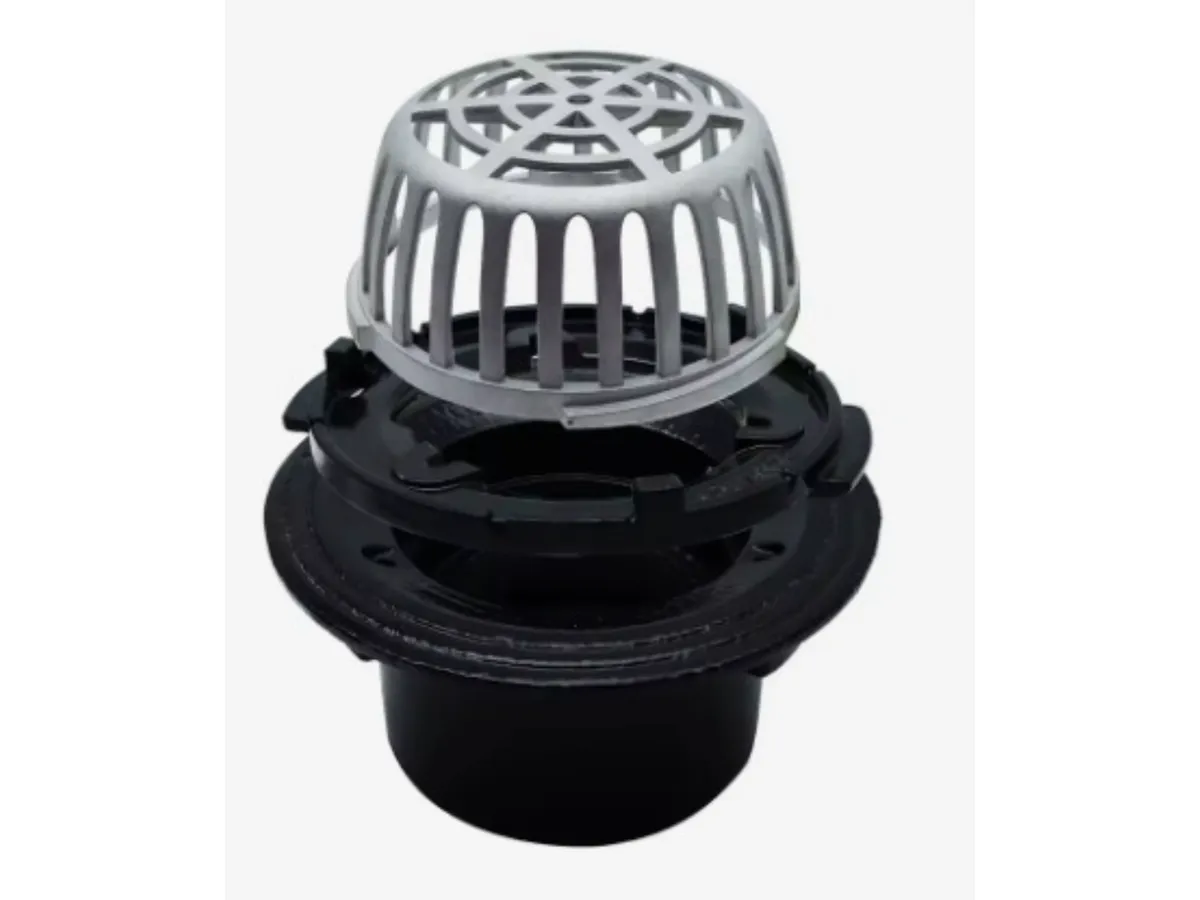
Flat Roof Drain with Dome Strainer for 110 mm Pipe
For 110 mm pipeOrder on WhatsAppTZS 159,900perpiece




What boriti are
In construction, boriti are mangrove poles: long, straight lengths of a dense coastal hardwood, laid as rafters, ceiling joists and floor beams. The PROTA entry for Ceriops tagal, one of the mangroves they are cut from, describes its wood as used for ceilings, roofs and building poles “called ‘boriti’ in Swahili”, and notes that these poles are also sold to the Persian Gulf and the Red Sea.
The word also has a wider meaning. Boriti is the beam in the Swahili Bible’s Matthew 7:5, “toa kwanza boriti”, which is why many searches for the word lead to sermons rather than timber. This page is about the building pole.
Which mangroves boriti come from
A 2023 paper by J. K. Makunza of the University of Dar es Salaam, Application of Mangrove Timber in Reinforcing Concrete, gives the background for Zanzibar. Unguja has about 6,000 hectares of mangrove forest, with the largest trees at Chwaka Bay, and the commonest species are red mangrove (Rhizophora mucronata), black mangrove (Bruguiera gymnorrhiza) and mangrove apple (Sonneratia alba).
Ceriops tagal, known in Swahili as mkandaa or mkoko mwekundu, is preferred for house building because it grows long and straight, according to PROTA.
Boriti sizes
Boriti is also a size class. A study of mangrove cutting at Mida Creek on the Kenyan coast (Kairo, Dahdouh-Guebas, Gwada and others, Ambio, 2002) found that the most harvested poles were the mazio and boriti classes, with a butt diameter of 8.0–13 cm, and that these were used in construction. Larger poles, called banaa, above 30.5 cm, were left standing. These are Kenyan figures; ask a Tanzanian seller how they grade their poles.
How strong mangrove timber is
The Makunza study measured these properties on mangrove timber specimens taken from Zanzibar, in the laboratory:
| Property | Result |
|---|---|
| Density | 1,100–1,190 kg/m³ |
| Tensile strength | 83.56 N/mm² |
| Bending strength | 96.25 N/mm² |
| Compression along the grain | 49.8 N/mm² |
| Compression across the grain | 14.69 N/mm² |
| Shear strength along the grain | 12.27 N/mm² |
| Modulus of elasticity | 4.57 kN/mm² |
| Strength class (BS EN 338) | D70 |
Source: Makunza, Tanzania Journal of Engineering and Technology 42(3), 2023.
The paper ranks D70 as the highest class of timber classification and compares the shear result with 2.0 N/mm² for ordinary local structural timber. PROTA gives a lower density for Ceriops tagal alone, 960 kg/m³ at 15% moisture, so the figure depends on the species and the moisture of the pole.
Durability and where boriti fail
Strength does not mean the pole lasts anywhere. PROTA calls Ceriops tagal wood moderately durable but says that in contact with the ground it decays in about 2 years, and that it is not resistant to marine borers. Boriti belong off the ground, inside a dry roof or floor, not as fence posts or footings.
Under cover they last: Makunza notes that mangrove timber beams still support floor slabs in historic buildings in Stone Town, the setting of the carved Zanzibar doors. For a lighter, more stable hardwood for joinery, see mninga wood.
Mangrove supply
Both sources warn about supply. PROTA attributes the decline of East African mangroves mainly to overexploitation for charcoal, firewood and timber without replanting. The Mida Creek study describes excessive removal of the boriti and mazio classes along the Kenyan coast. Ask where the poles were cut before buying them in quantity.
What to check when you buy
- The species, or at least the local name of the mangrove.
- The butt diameter and length of each pole.
- Straightness along the full length.
- That the poles are not intended for ground contact or wet footings.
- Insect holes or soft patches, especially at the ends.
Kitovu does not sell boriti or other timber; it sells building materials from stock in Zanzibar.