


















Roofing materials
Published · Updated
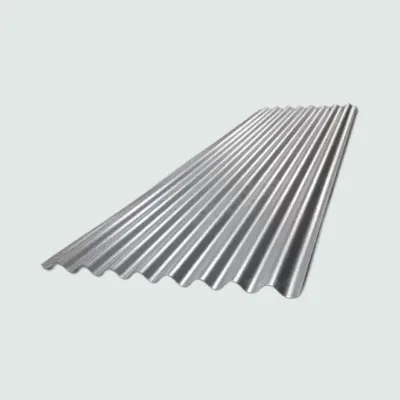
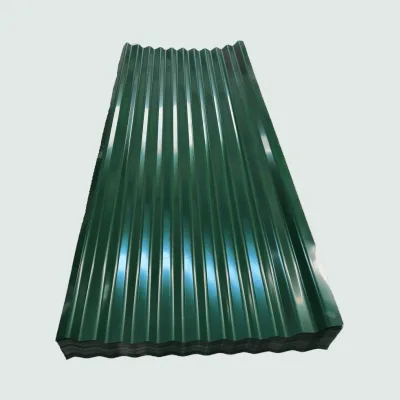
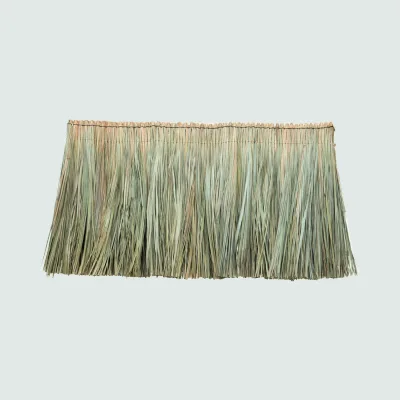
House roofing falls into two groups: pitched roofs covered with steel sheets, tiles or makuti thatch, and flat roofs sealed with a bitumen membrane. ALAF, a Tanzanian sheet maker, puts the cosmetic life of a steel roof at close to 30 years and its working life at close to 60; each material is set out below.
In stock in Zanzibar
See all 11 products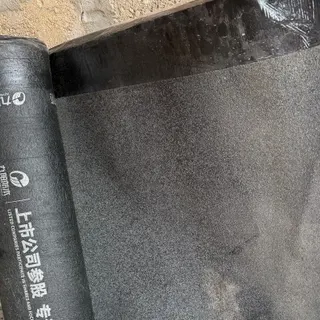
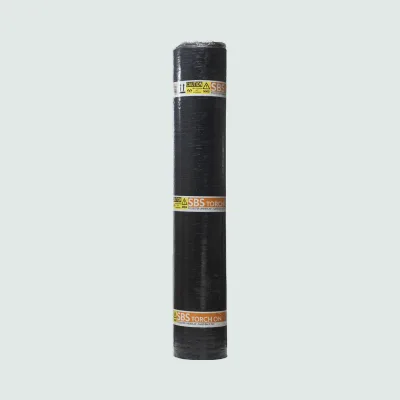
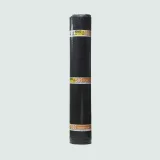
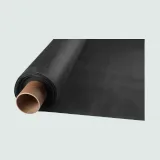
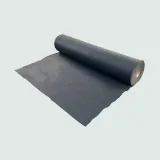
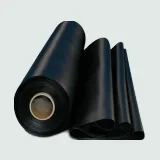
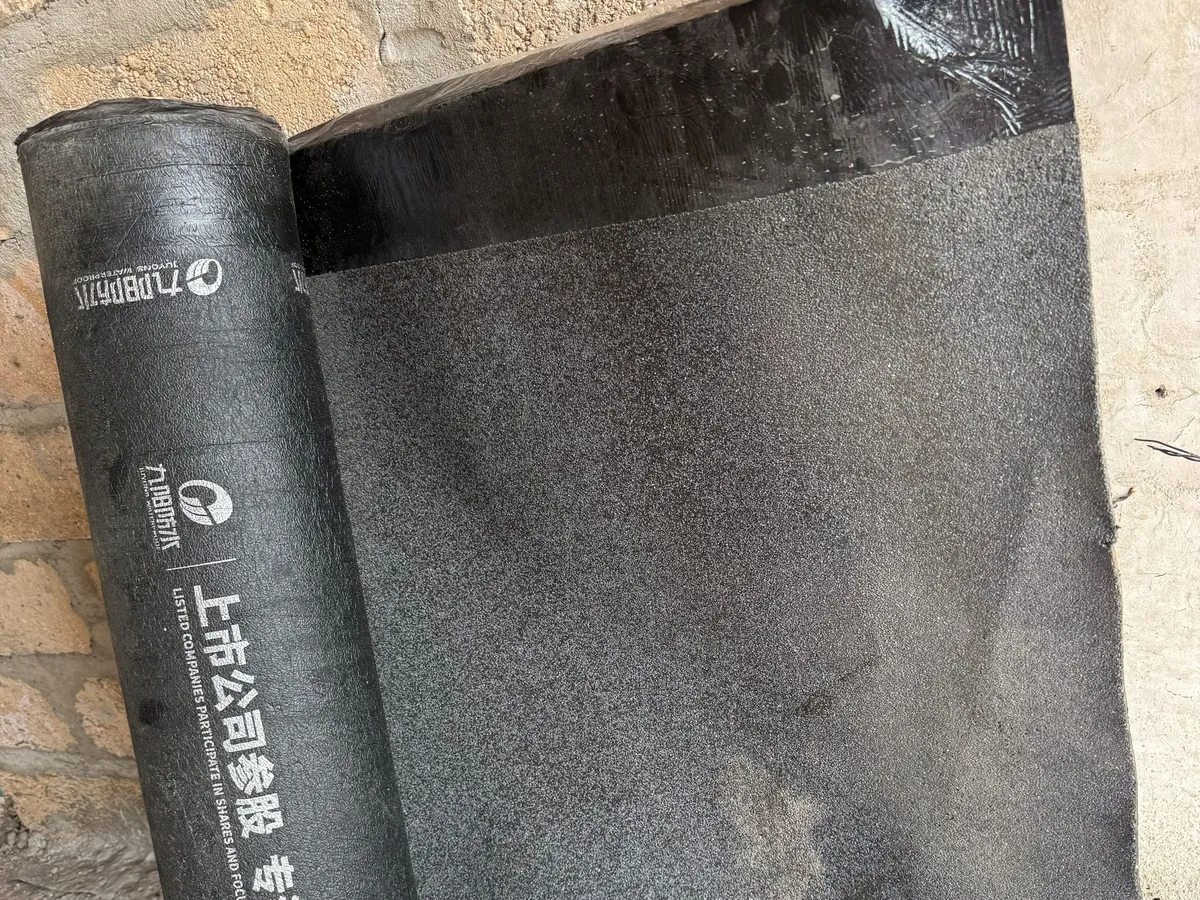
APP Torch-On Waterproofing Membrane, Mineral Finish
3 mm, 4 mmTorch-on APP roll with a mineral top for flat roofs and terraces.
Order on WhatsAppTZS 192,000perroll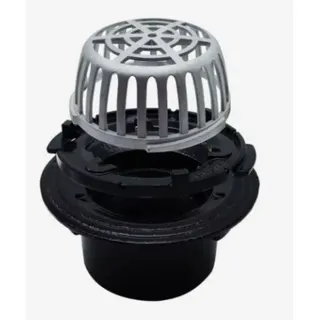
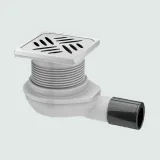
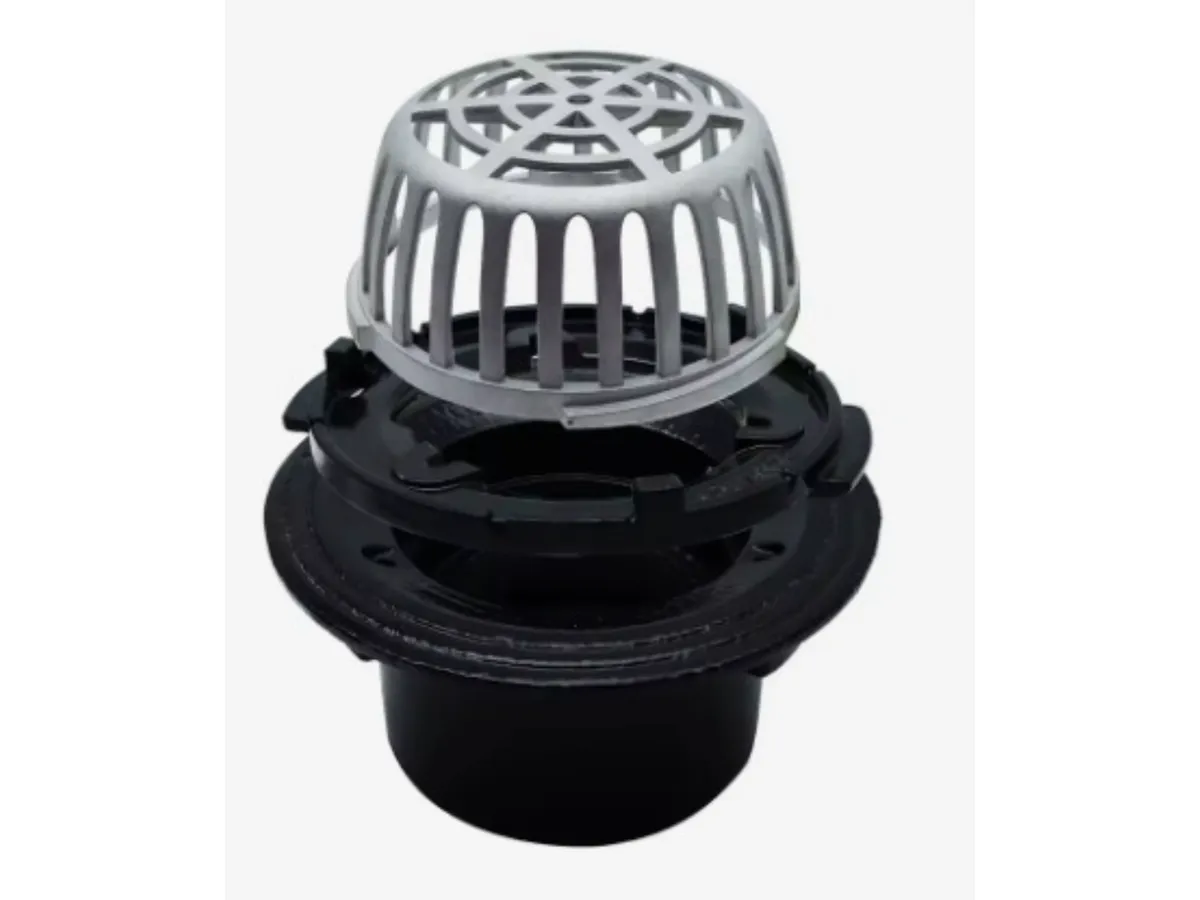
Flat Roof Drain with Dome Strainer for 110 mm Pipe
For 110 mm pipeOutlet for flat roofs and terraces, with a dome strainer, for 110 mm pipe.
Order on WhatsAppTZS 159,900perpiece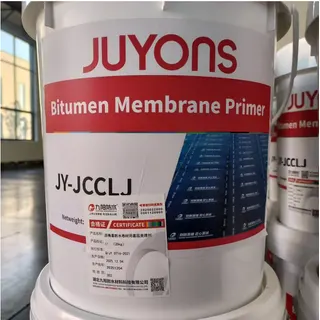
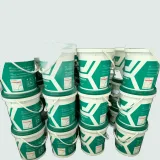
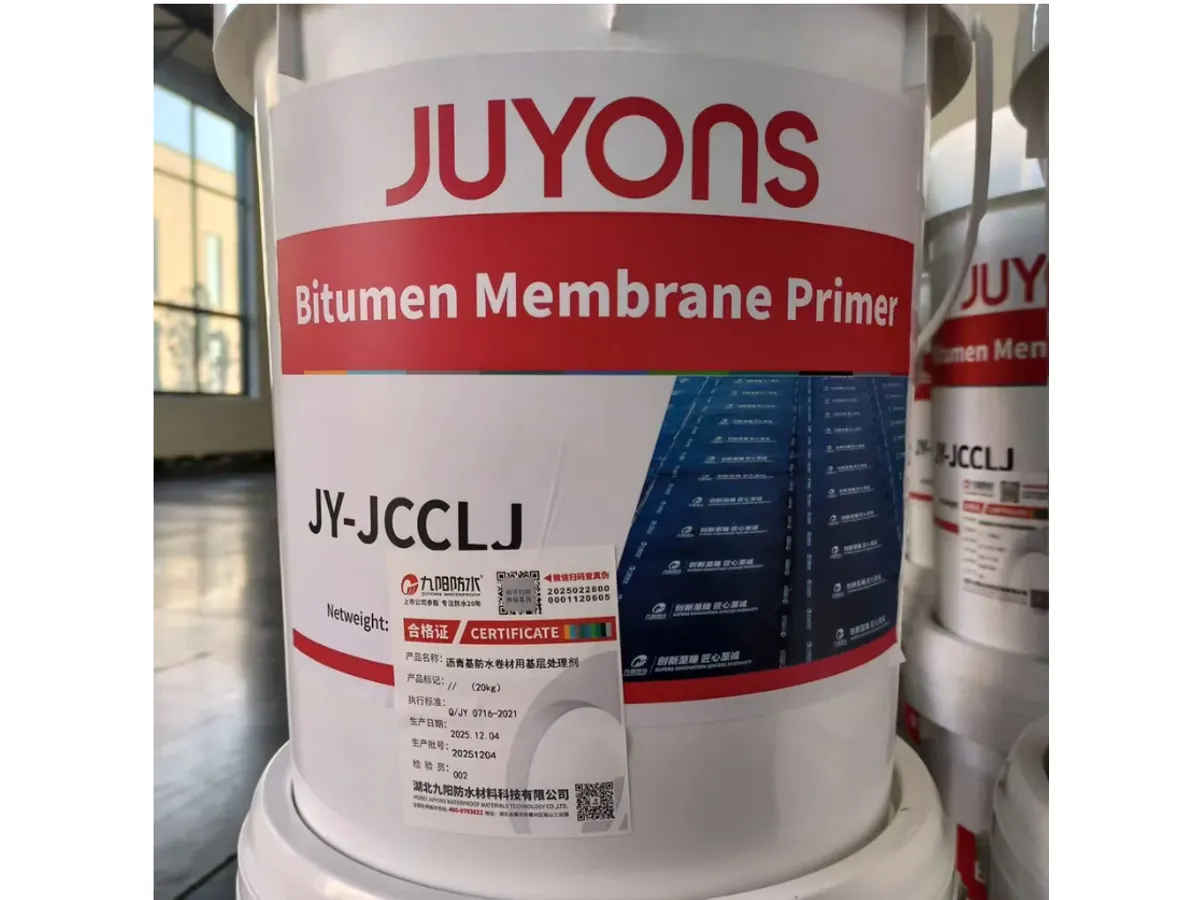
Water-Based Bitumen Primer for Waterproofing Membranes
20 kgBrushed on the roof deck before a bitumen membrane is laid.
Order on WhatsAppTZS 126,240perbucket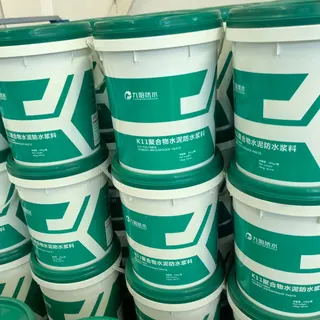
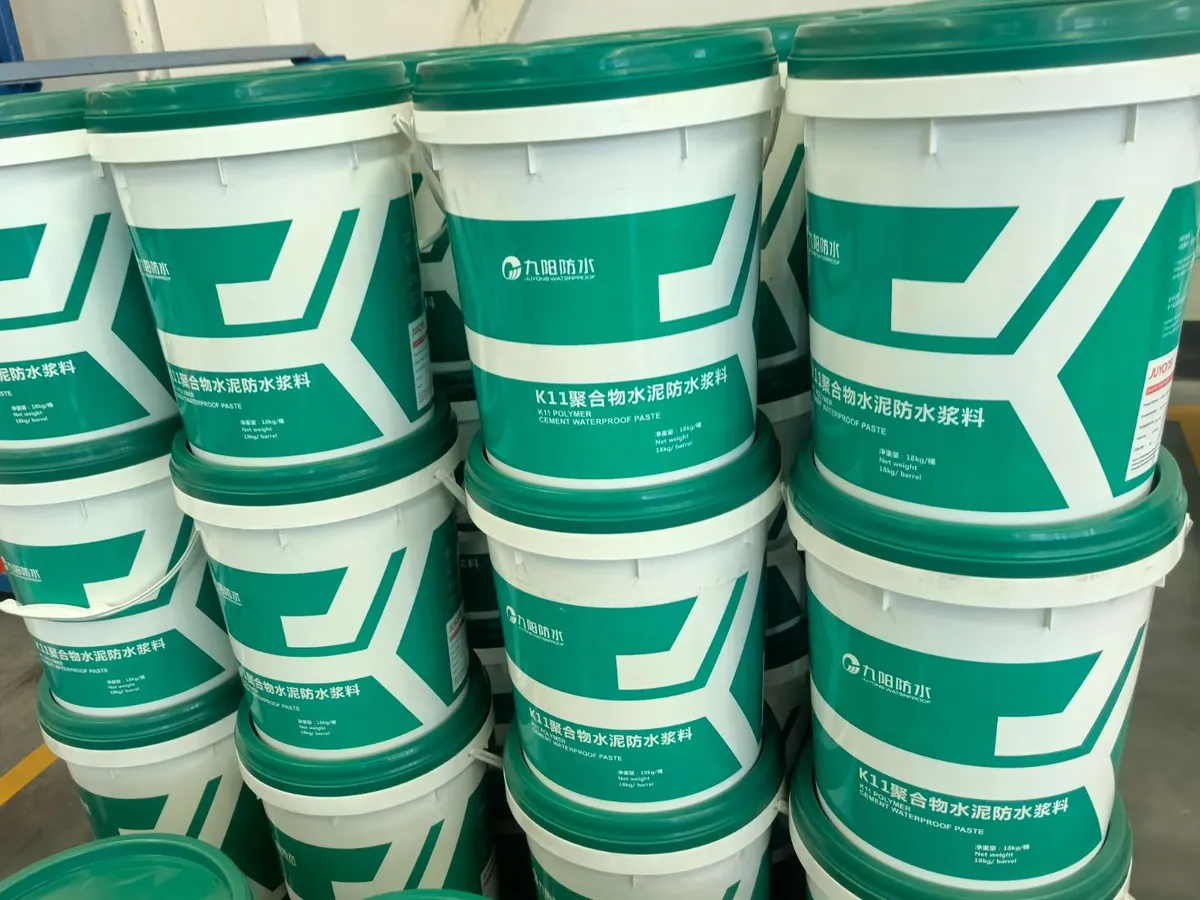
K11 Polymer Cement Waterproof Coating (Two-Component)
18 kg/barrelOrder on WhatsAppTZS 155,000perbucket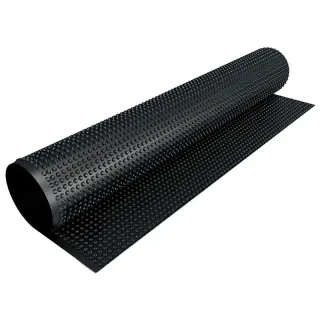
Roofing pages on this site
Roofing a house comes down to a covering, the parts that finish its edges, and a way to get water off it. The pages in this section:
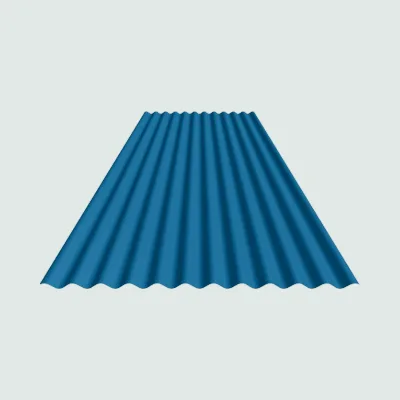
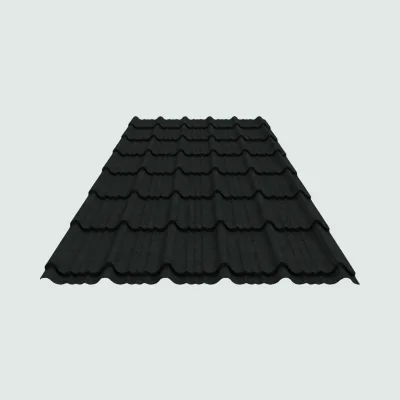
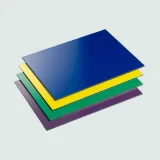
- Roofing sheets (mabati) — corrugated, box and tile profiles, gauges and coatings.
- Roofing sheets price in Tanzania — prices listed by sellers, with dates.
- ALAF roofing sheets — the Tanzanian maker’s profiles and coating.
- Mabati in Zanzibar and makuti thatch roofs in Zanzibar — the island’s two common coverings.
- Roofing tiles — clay tiles, stone-coated steel tiles and shingles.
- Roofing felt and bitumen waterproofing membrane — underlays and flat-roof sheets.
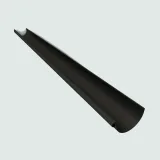
- Roof drains and gutters — taking rainwater off flat and pitched roofs.
- Ridge caps, fascia boards and roof ventilation — the parts at the top, the edge and inside.
Roofing materials compared
Each covering has its own weight, life and slope. The figures below come from the makers named; the detailed pages carry the sources.
| Material | What it is | Figures from the maker |
|---|---|---|
| Steel roofing sheets | coated steel in long sheets, corrugated, box or tile profile | ALAF sheets carry a 55% aluminium-zinc coating; ALAF puts a steel roof’s cosmetic life near 30 years and its functional life near 60 |
| Stone-coated steel tiles | steel panels faced with stone chips, shaped like tiles | ALAF’s Lifestile weighs 5.98 kg/m², which ALAF says is eight times lighter than clay or concrete tiles |
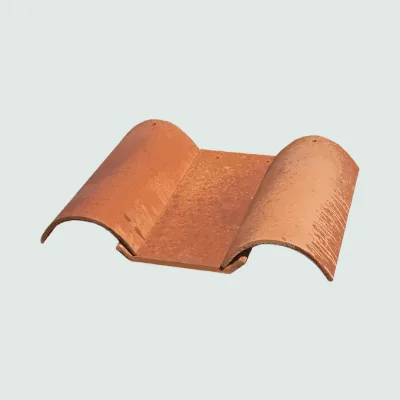
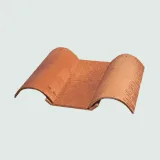
| Clay tiles | individual tiles hung on battens | 72.2 kg/m² as laid for Keymer’s plain clay tile, 37.8 kg/m² for Wienerberger’s interlocking Modula, by their data sheets |
| Makuti | palm-leaf thatch | see the Zanzibar page |
| Bitumen membrane | torch-on or self-adhesive rolls | for flat roofs and terraces, where sheets and tiles cannot shed water |
ALAF makes the point that a lighter covering lets the supporting structure be less bulky and costly. Slope matters as much: sheets and tiles are laid to a pitch, while membranes are made for flat roofs and terraces. With sheets, the gauge sets the steel thickness and much of the price — ALAF’s 28-gauge Resincot is 0.32 mm thick and, in its shop, costs 37% more than the 30-gauge sheet (our calculation from shop prices checked on 12 November 2026).
Flat roofs and terraces
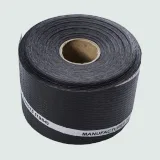
A flat concrete roof or a roof terrace is sealed rather than covered. Here Kitovu stocks two of the parts in Zanzibar. The APP Torch-On Waterproofing Membrane, Mineral Finish is a torch-on APP roll with a mineral top for flat roofs and terraces; its maker lists 3 mm and 4 mm thicknesses in 1 × 10 m rolls. Before it goes down, the deck is primed with a bitumen primer.
Water still has to leave the roof. The Flat Roof Drain with Dome Strainer for 110 mm Pipe is the outlet set into the membrane, with a dome that keeps leaves out of the downpipe.
Water off the roof
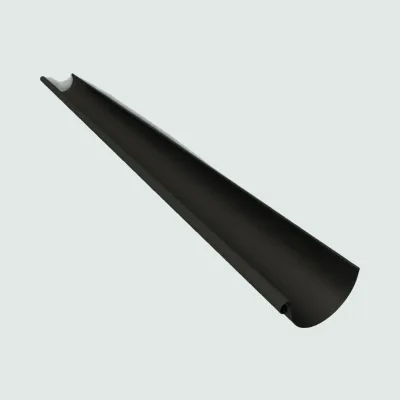
On a pitched roof, rain runs to the eaves into gutters and downpipes; on a flat roof, it runs to outlets set into the waterproofing. In both cases the outlets need a slope to reach them and a pipe big enough to carry a downpour away. The waterproofing section covers what goes under tiles in bathrooms, on balconies and in tanks.
Ridges, edges and ventilation
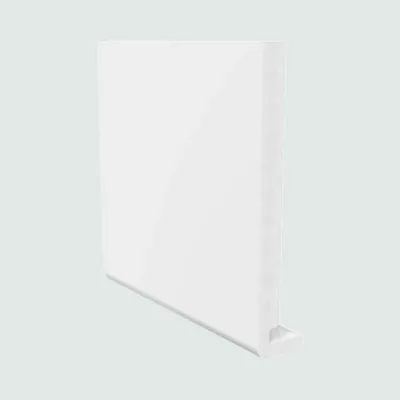
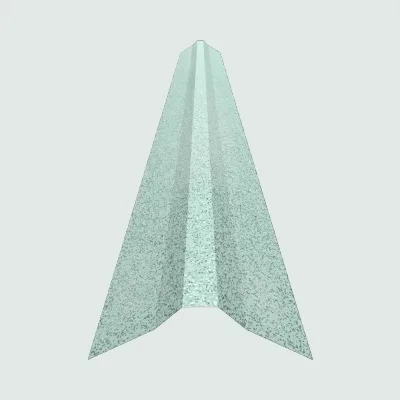
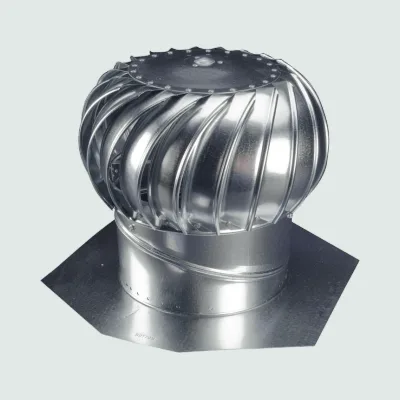
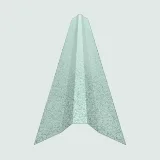
Where two roof slopes meet, a ridge cap closes the joint; at the eaves, the fascia board carries the gutter; and inside, air has to move through the roof space to carry off heat and moisture. Sheet makers such as ALAF sell ridges, valleys and flashings made to match their profiles.