













































































































Roofing sheets (mabati) in Zanzibar
Published · Updated
Mabati are the standard roof in Zanzibar. The 2022 Population and Housing Census counted 347,604 Zanzibar households, 92.5%, living under iron-sheet roofs, against 84.6% on the mainland. On Unguja the share runs from 89.6% in Kusini Unguja to 97.5% in Mjini Magharibi.
In stock in Zanzibar
See all 11 products
APP Torch-On Waterproofing Membrane, Mineral Finish
3 mm, 4 mmTorch-on APP roll with a mineral top for flat roofs and terraces.
Order on WhatsAppTZS 192,000perroll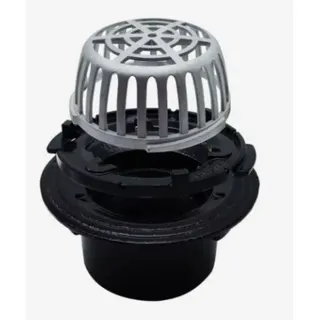
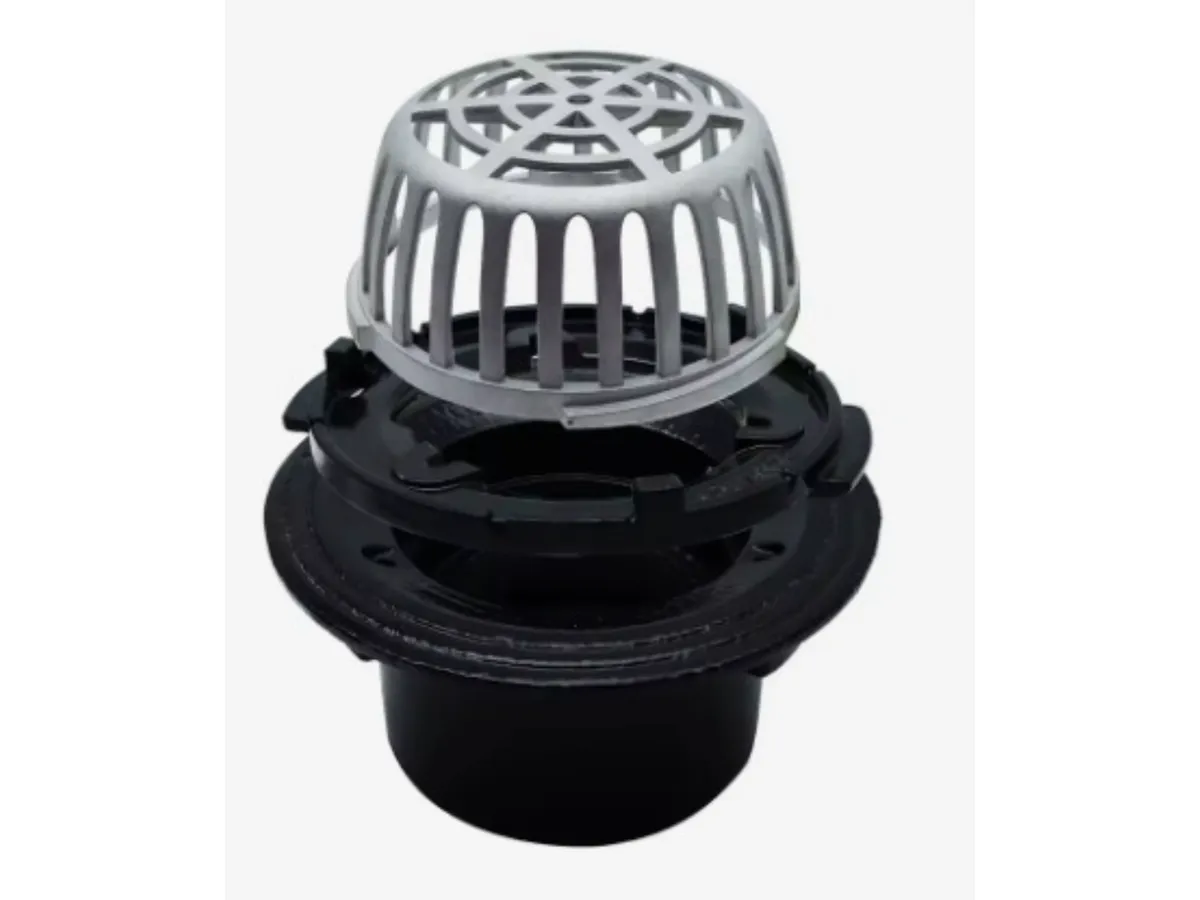
Flat Roof Drain with Dome Strainer for 110 mm Pipe
For 110 mm pipeOutlet for flat roofs and terraces, with a dome strainer, for 110 mm pipe.
Order on WhatsAppTZS 159,900perpiece
Water-Based Bitumen Primer for Waterproofing Membranes
20 kgBrushed on the roof deck before a bitumen membrane is laid.
Order on WhatsAppTZS 126,240perbucket
K11 Polymer Cement Waterproof Coating (Two-Component)
18 kg/barrelOrder on WhatsAppTZS 155,000perbucket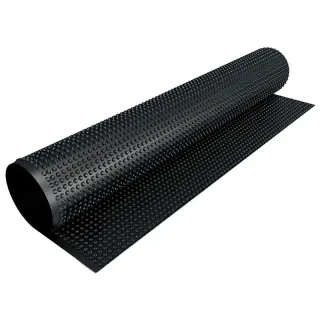



Mabati in Zanzibar: what the census shows
A larger share of households in Zanzibar live under mabati than on the mainland. The 2022 census report on housing condition, household amenities and assets, published by the National Bureau of Statistics and the Office of the Chief Government Statistician in November 2025, breaks the figure down by region. Table 4.1 gives these shares of households living under iron-sheet roofs:
| Area | Households | Iron-sheet roofs |
|---|---|---|
| Mjini Magharibi | 180,889 | 97.5% |
| Kaskazini Unguja | 53,770 | 93.6% |
| Kusini Unguja | 46,003 | 89.6% |
| Zanzibar, all regions | 375,828 | 92.5% |
| Mainland Tanzania | 13,776,975 | 84.6% |
The census report written in Kiswahili uses the word buyers search for: its roofing table opens with “Mabati”, 347,604 households in Zanzibar (Matokeo Muhimu, April 2024).
What the other roofs are made of
The same table shows how little room is left for other roofing on the island:
| Area | Grass or leaves | Tiles | Concrete |
|---|---|---|---|
| Mjini Magharibi | 0.6% | 0.4% | 1.4% |
| Kaskazini Unguja | 5.0% | 0.3% | 0.2% |
| Kusini Unguja | 7.3% | 1.4% | 0.5% |
| Zanzibar, all regions | 5.7% | 0.4% | 0.9% |
Source: 2022 PHC housing report, table 4.1. The Kiswahili report names the grass-and-leaf group “Majani au Makuti”: after mabati, it is the second most common roof in Kaskazini Unguja and Kusini Unguja, while in Mjini Magharibi concrete, at 1.4%, comes second and makuti third. More on it on our makuti thatch roof in Zanzibar page. Tile and concrete roofs together stay under 2% in every Unguja region, and the highest concrete share, 1.4%, is in Mjini Magharibi.
Reading the numbers before you order
Where a house changes from makuti to mabati, the structure needs a look first. FAO’s Farm structures in tropical climates describes makuti mats tied straight to round-pole rafters about 500 mm apart, while corrugated sheets are nailed to purlins: 0.475 mm sheets to purlins up to 1,500 mm apart, by the same source. The slopes differ too: palm leaves need at least 1:1.5, while sheets can go as low as 1:3 on a normal site. Your fundi (local builder) or engineer should check the rafters and add purlins before sheets go on.
Wherever the house stands, the sheet questions are the same as on the mainland: base metal, coating mass, thickness in millimetres and profile. Our page on roofing sheets (mabati) explains each, including the test results that compare zinc and aluminium-zinc coatings near the sea.
Roof materials Kitovu has in Zanzibar
Kitovu sells from stock in Zanzibar but does not stock roofing sheets. For the parts of a building with a flat concrete roof, the stock includes the Flat Roof Drain with Dome Strainer for 110 mm Pipe. Delivery and collection on the island are on the delivery in Zanzibar page.