













































































































Door sealant for door frames: types and joint sizes
Published · Updated
Door sealant is a flexible bead gunned into the joint between a door frame and the wall to keep out rain, air and dust. Sika's data sheet for its frame silicone gives 25% movement capability and a minimum joint width of 6 mm. Seals on the moving leaf are a different product.
In stock in Zanzibar
See all 11 products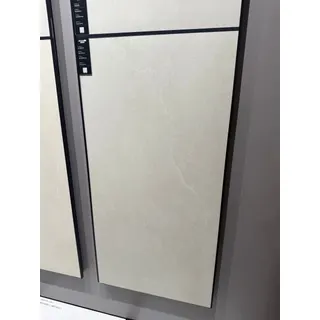
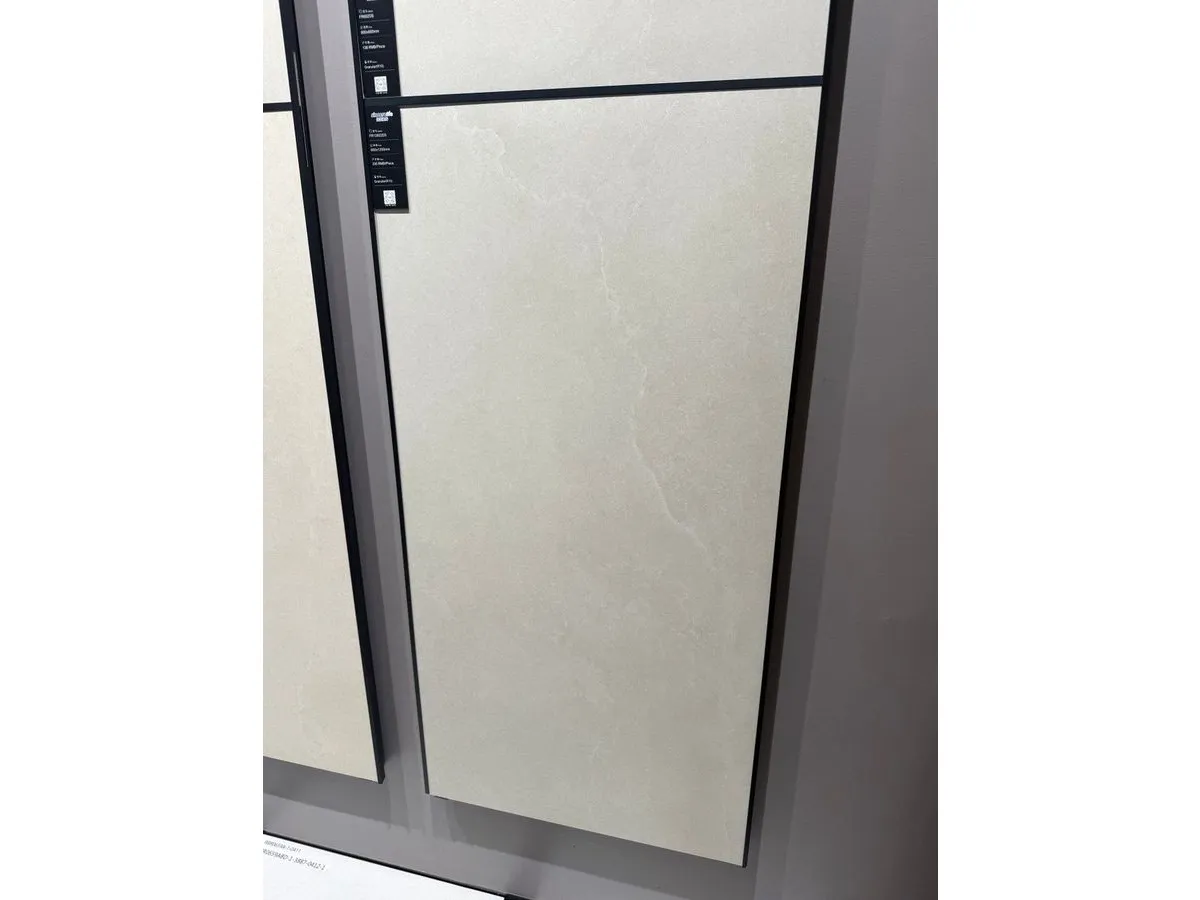
Beige Porcelain Tile 1200x600 mm, Matt Anti-Slip R10
1200 × 600 mmR10Order on WhatsAppTZS 49,680pertile
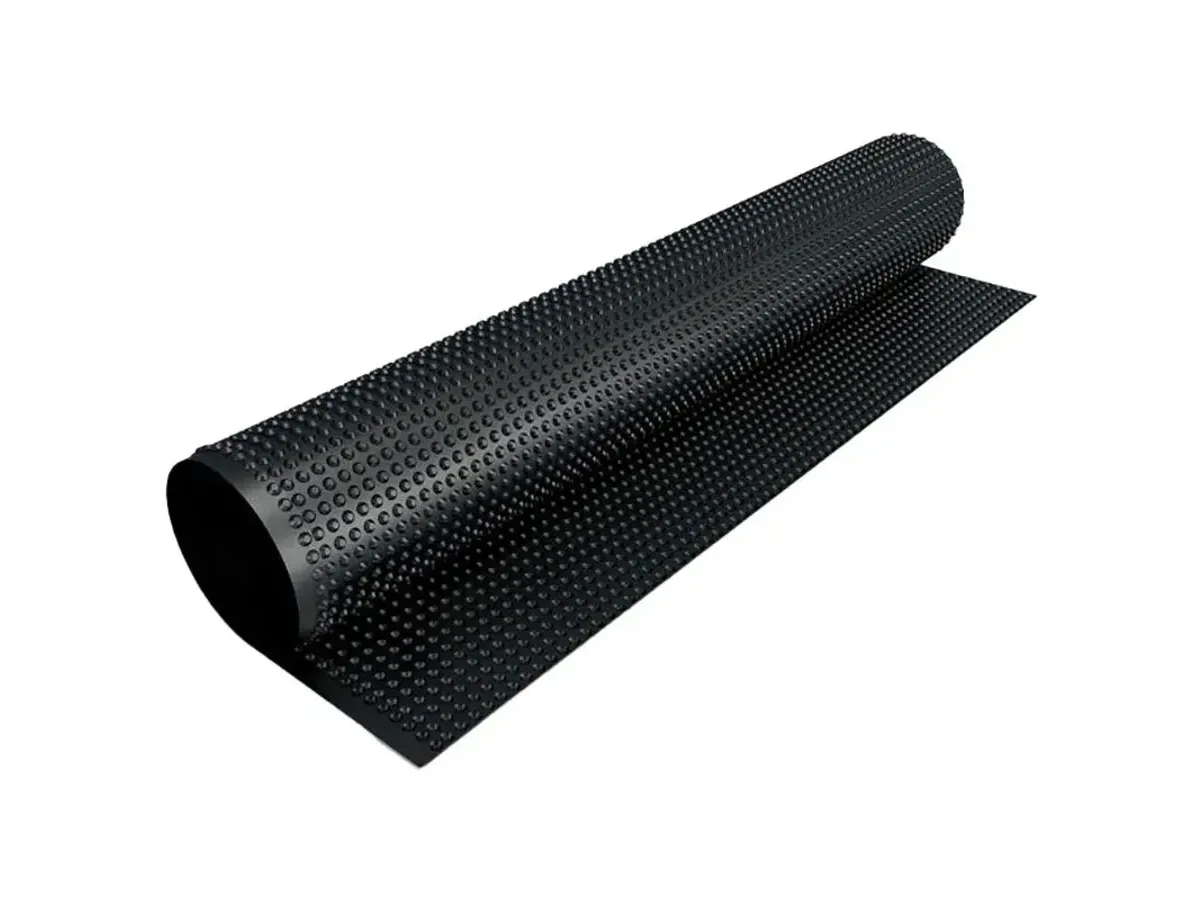
K11 Polymer Cement Waterproof Coating (Two-Component)
18 kg/barrelOrder on WhatsAppTZS 155,000perbucket




What door sealant does
A door frame never fits the opening exactly, and the gap between frame and masonry moves as the frame heats, cools and settles. Door sealant fills that gap with a material that stays elastic, so rain and air cannot pass when the joint opens and closes. It is not glue and it does not hold the frame in place; fixings do that.
Do not confuse it with door seals. A seal or weatherstrip is a rubber, brush or drop-down strip fixed to the frame or leaf so the leaf can close against it. Sealant is gunned from a cartridge into a fixed joint and cures there.
Silicone or polyurethane door sealant
Two chemistries cover most frame work, and the data sheets of one manufacturer show how they differ. Sika lists SikaSeal Construction Silicone Ultra for perimeter pointing around all types of window and door frames, and Sikaflex PRO for sealing around window and door frames and for flexible draught proofing.
| Property | Neutral-cure silicone (SikaSeal Construction Silicone Ultra) | Polyurethane (Sikaflex PRO) |
|---|---|---|
| Cure | one component, neutral cure | one component, cures with moisture in the air |
| Movement | 25% (ISO 11600) | ±30% of joint width above 0°C |
| Joint width | 6–50 mm | up to 35 mm |
| Paint over it | no | yes, with many paints after a trial |
| Pack | 300 ml cartridge | 310 ml cartridge, 600 ml foil pack |
| Do not use with | bitumen, neoprene, surfaces that bleed oil or plasticiser | oil- or tar-impregnated backing |
Sources: the two Sika product data sheets, October 2025 (v01.01) and March 2022 (v01.02).
The practical choice comes down to paint. If the joint will be painted with the wall, a paintable polyurethane suits it; if it stays visible against glass, aluminium or PVC, a silicone in the frame colour fits better, and the SikaSeal sheet lists seven colours.
Joint width and depth
A sealant bead works best when it is wider than it is deep, and both sheets set rules for this. Too deep a bead cannot stretch; too thin a bead tears.
| Joint width | SikaSeal silicone: depth | Sikaflex PRO: depth |
|---|---|---|
| under 6 mm | below the 6 mm minimum width | equal to the width (1:1), at least 8 mm |
| 6–10 mm | 6 mm | equal to the width (1:1), at least 8 mm |
| 10–12 mm | half the width | equal to the width (1:1) |
| 12–20 mm | half the width | half the width (2:1) |
| 20–35 mm | no more than half the width | half the width (2:1) |
The Sikaflex PRO sheet explains why a backing goes in first: a tight, non-rotting, non-absorbent filler sets the depth, gives a firm surface to tool against and stops the sealant sticking to the back of the joint. It names open-cell polyurethane or closed-cell polyethylene backer rod for this. For deep joints, the SikaSeal sheet suggests reducing depth with expanding foam first.
How to seal a door frame
These steps follow the application notes in the SikaSeal sheet, with the backing rule from the Sikaflex PRO sheet:
- Clean the joint faces and let them dry; remove loose mortar and old sealant.
- Push backer rod into the gap so the remaining depth matches the table above.
- Mask both edges of the joint with masking tape if you want a clean line.
- Cut the nozzle at 45°, with an opening slightly larger than the gap.
- Run the bead with even pressure on the gun and a constant angle.
- Smooth the bead with a wetted spatula or piece of wood so it bonds to both sides.
- Pull off the masking tape within 5 minutes of application.
The silicone forms a skin in 5–25 minutes and cures 1–2 mm deep per 24 hours, so a 6 mm deep joint needs 3–6 days to cure through (our calculation: 6 mm ÷ 1–2 mm per day).
Door sealant on aluminium, timber and PVC frames
On aluminium doors the sealant also separates the frame from the wall. BRANZ Bulletin 634, from New Zealand’s building research body, lists a compatible sealant among the ways to isolate aluminium from other materials, alongside primer and paint, bituminous paint, or a non-absorbent tape or gasket.
On wooden doors the frame is often painted after fitting, which points to a paintable polyurethane. On PVC-U frames, the SikaSeal sheet singles out low dirt pickup as important and lists PVCu among the surfaces it bonds to. Whatever the frame, check that the sealant is not used against bitumen-based materials if it is the silicone above.
What to check on the cartridge
Before you buy door sealant, read the label or data sheet for:
- The chemistry: neutral-cure silicone or polyurethane.
- A named use for window and door frames or perimeter joints.
- Movement capability in per cent.
- Minimum and maximum joint width.
- Whether it can be painted.
- Cartridge size, and coverage: the SikaSeal sheet gives 10.5 linear metres from 300 ml as a 6 mm bead.
Kitovu does not sell sealants. It sells building materials from stock in Zanzibar, listed on our products page.
Questions
What do you seal doors with?
The frame-to-wall joint is sealed with a flexible gun-grade sealant, usually neutral-cure silicone or one-component polyurethane; both Sika data sheets quoted here list door frames as a use. The gap round the moving leaf takes a seal or draught strip instead.
What areas of doors do you seal?
The perimeter joint between the frame and the wall, on the outside and usually inside too, which Sika calls perimeter pointing. Sika's silicone sheet also lists glazing and glass-to-aluminium sealing among its uses.