













































































































Urinals: flush, low-flush and waterless
Published · Updated
A urinal is a wall-hung bowl for men that drains urine without a toilet pan. The sanitation toolbox SSWM gives the water use of flush urinals as less than 2 litres per flush in current designs up to almost 20 litres in older ones, while waterless urinals use no flushing water at all.
In stock in Zanzibar
See all 11 products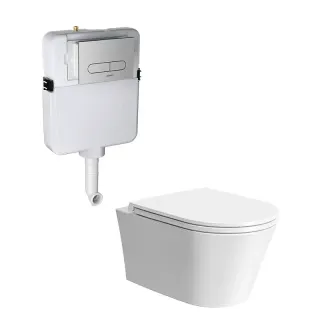
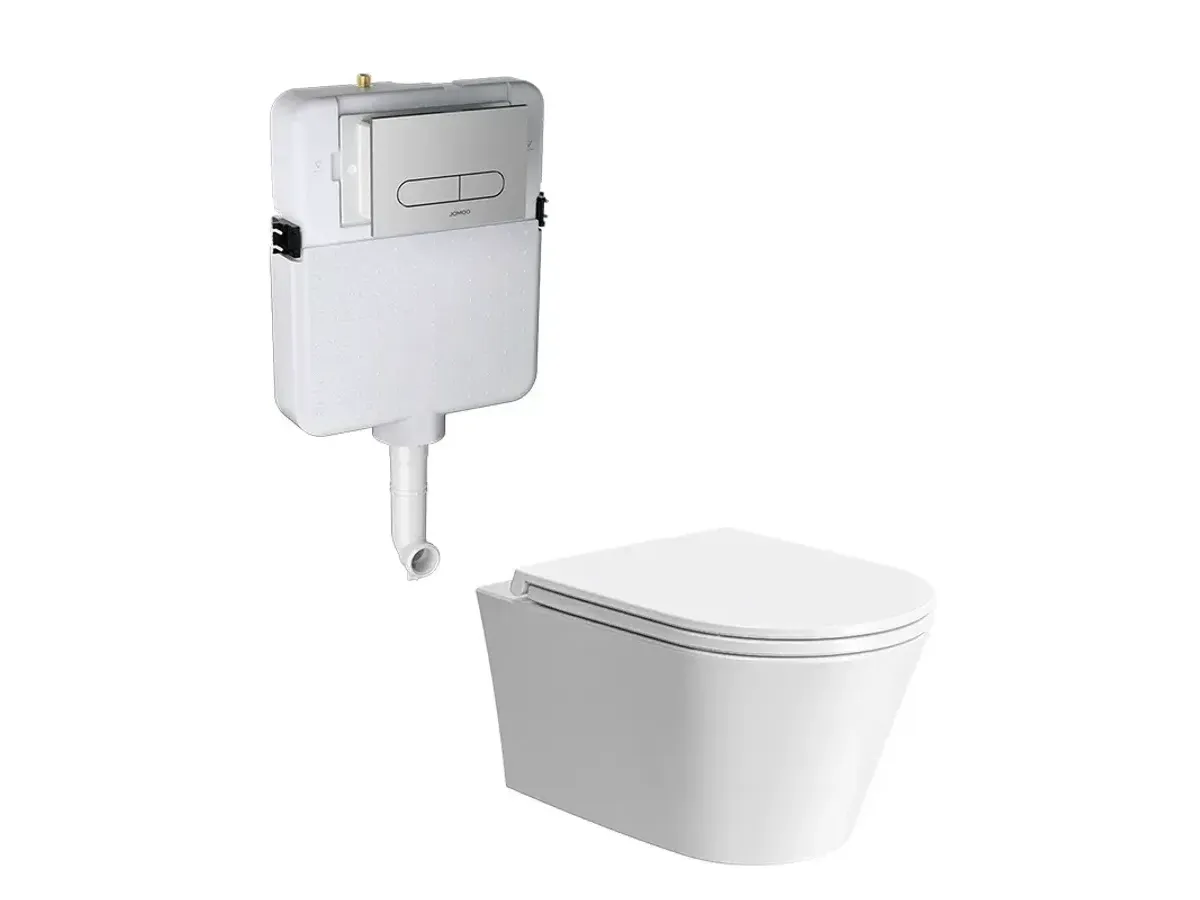
JOMOO Wall-Hung Toilet 02355-00-2, 565 x 375 x 350 mm
565 × 375 × 350 mmWhite JOMOO wall-hung toilet, 565 × 375 × 350 mm, fitted with a concealed cistern.
Order on WhatsAppTZS 2,210,000perset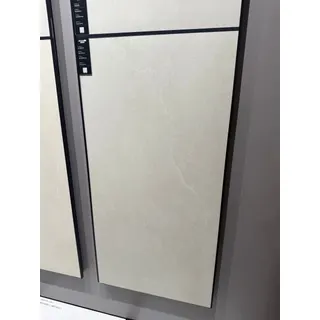
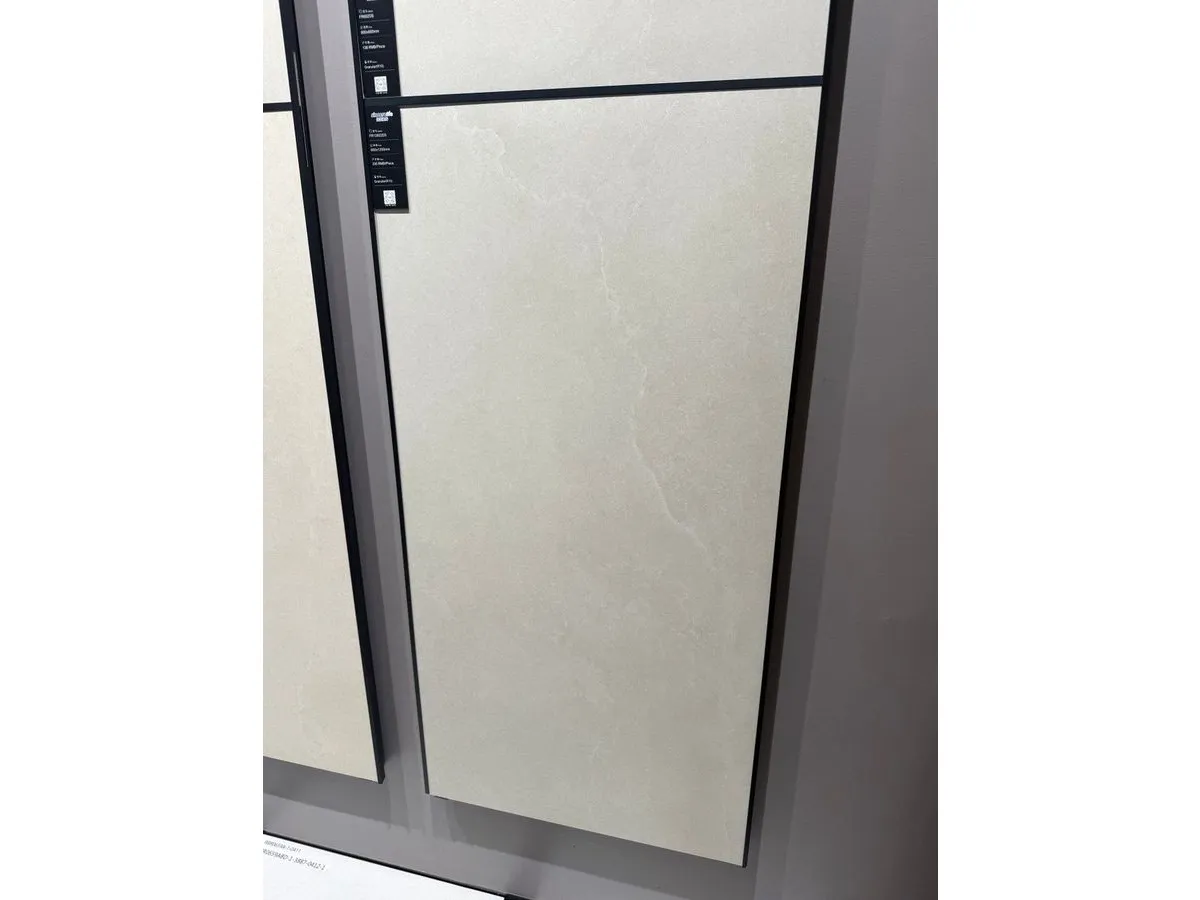
Beige Porcelain Tile 1200x600 mm, Matt Anti-Slip R10
1200 × 600 mmR10Matt R10 anti-slip porcelain for bathroom floors and walls.
Order on WhatsAppTZS 49,680pertile
K11 Polymer Cement Waterproof Coating (Two-Component)
18 kg/barrelWaterproofs the bathroom floor and walls before tiling.
Order on WhatsAppTZS 155,000perbucket




What a urinal is
A urinal toilet, as it is often searched, is a fixture for men to urinate standing up, fixed to the wall and connected to the drain.
SSWM’s page on waterless and flush urinals, written by Eawag and seecon from the Compendium of Sanitation Systems and Technologies, lists porcelain, plastic, stainless steel and even cement as urinal materials.
Flush urinals
A flush urinal is rinsed with water after use. SSWM names the ways the flush is triggered — a manual handle, a timer, an electronic movement detector or a switch linked to the door — and gives a range of less than 2 L to almost 20 L per flush. In its Hamburg case study, conventional flush urinals used 4–6 L per flush.
Low-flush ceramic urinals sit at the bottom of that range. The Geberit Flow urinal is listed with a flush volume of 1 L, made of white vitreous china, 330 × 360 × 565 mm, with a hidden trap and rear water inlet and outlet, and works with manual, automatic or concealed flush controls; the listing gives EN 13407, the European standard for wall-hung urinals.
Waterless urinals
A waterless urinal has no flush. Instead, an odour seal in the outlet lets urine pass and keeps sewer gas out. SSWM describes three kinds of seal:
| Seal | What SSWM says about it |
|---|---|
| Rubber tube | clean about once a month and replace about once a year; the rubber is sensitive to solvents, acids and deodorising tablets |
| Curtain valve | replace about once a year, a job of a few seconds |
| Sealant liquid | vegetable oil or aliphatic alcohol that floats on the urine in the trap; change the cartridge or liquid according to the number of users |
SSWM states that the waterless type produces fewer odours than flushed ones, needs no constant water supply and costs about the same to install. It also warns that odours appear if they are not used and maintained correctly, and that the odour seal has to be checked regularly.
Cleaning and upkeep
Urine leaves mineral deposits in traps and pipes. SSWM advises mild acid such as vinegar with hot water for routine cleaning, and stronger acid or caustic soda for blockages. Maintenance is simple, it says, but has to be frequent, especially for waterless models.
Waterproofing a washroom wall
Before a urinal wall is tiled, the wet zone can be sealed with a brush-on coating. K11 Polymer Cement Waterproof Coating (Two-Component), which Kitovu keeps in Zanzibar, names toilets among its uses in the supplier data sheet and takes tiles directly on top. For the toilets themselves, see toilets.
What to check when you buy a urinal
- Flush type — flush, low-flush or waterless — and the litres per flush.
- Flush control — manual, timer, sensor or concealed.
- Inlet and outlet position, rear or downwards, against the pipes in the wall.
- Trap or seal — built in, cartridge or valve — and where to buy replacements.
- Material — vitreous china, stainless steel or plastic.
Urinals in Zanzibar
Kitovu sells from stock in Zanzibar, and these fixtures are not among its products.