






Geotextile fabric: what it is and which type to use
Published · Updated
Geotextile is a permeable polypropylene or polyester fabric laid in the ground to separate, filter, drain or reinforce soil layers. Needle-punched non-woven geotextile is chosen for filtration and drainage, woven geotextile mainly for separation and load. Geosynthetics Ltd, a UK supplier, stocks non-woven grades from 80 to 300 g/m².
In stock in Zanzibar
See all 11 products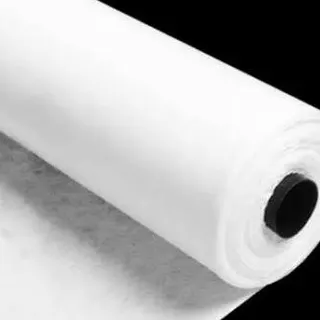
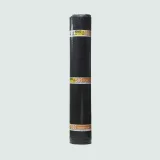
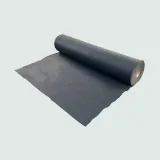
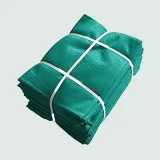
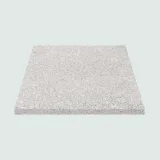
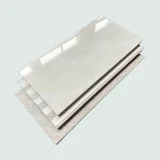
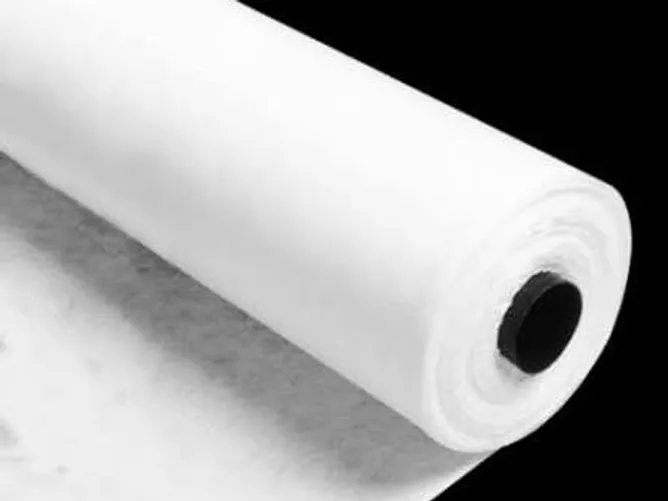
Non-Woven Needle-Punched Polypropylene Geotextile 200 g/m²
200 g/m²200 g/m² polypropylene fabric that separates, filters and protects layers in roads, drains and under liners.
Order on WhatsAppTZS 526,000perroll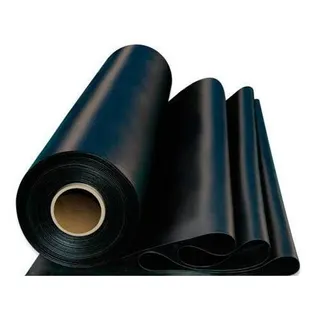
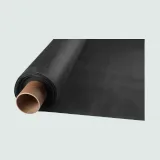
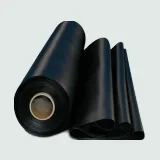
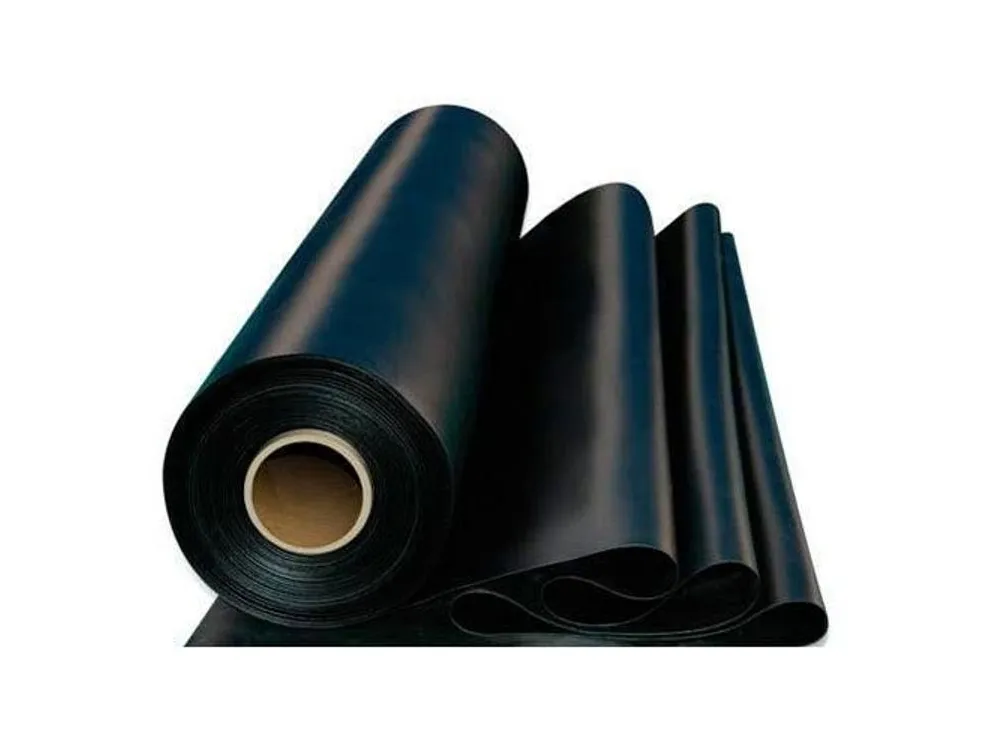
HDPE Geomembrane (Dam Liner), Smooth, 0.3 mm
Smooth0.3 mmSmooth black 0.3 mm HDPE sheet in 4 × 100 m rolls for ponds, reservoirs and damp proofing.
Order on WhatsAppTZS 1,052,000perroll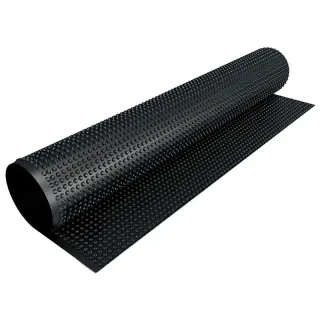
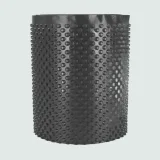
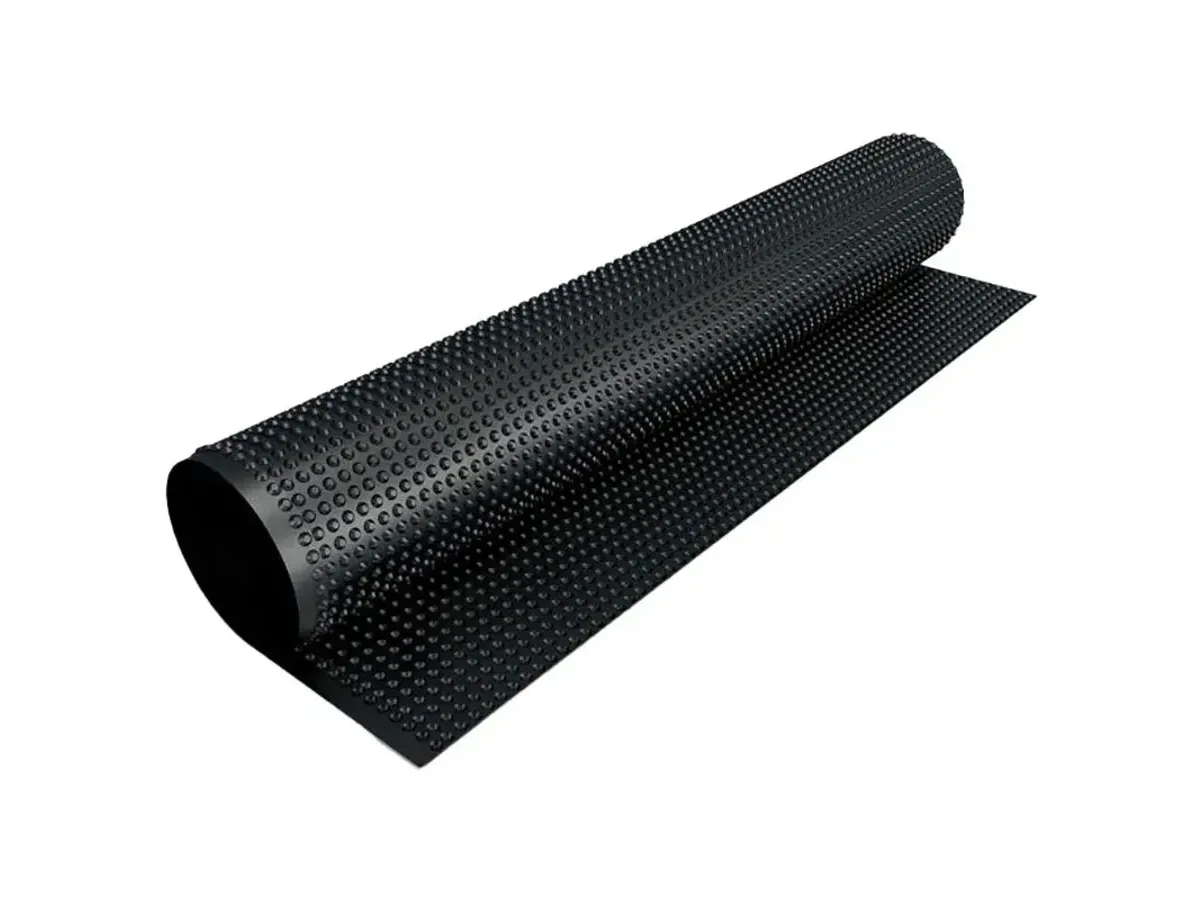
Dimple Drainage Membrane 8 mm with Geotextile (HDPE Drainage Board)
8 mm studded HDPE drainage membrane for foundation walls.
Order on WhatsAppTZS 328,000perroll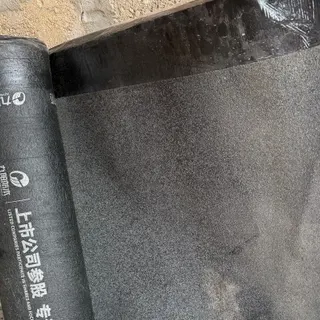
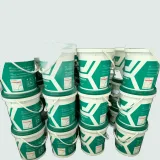
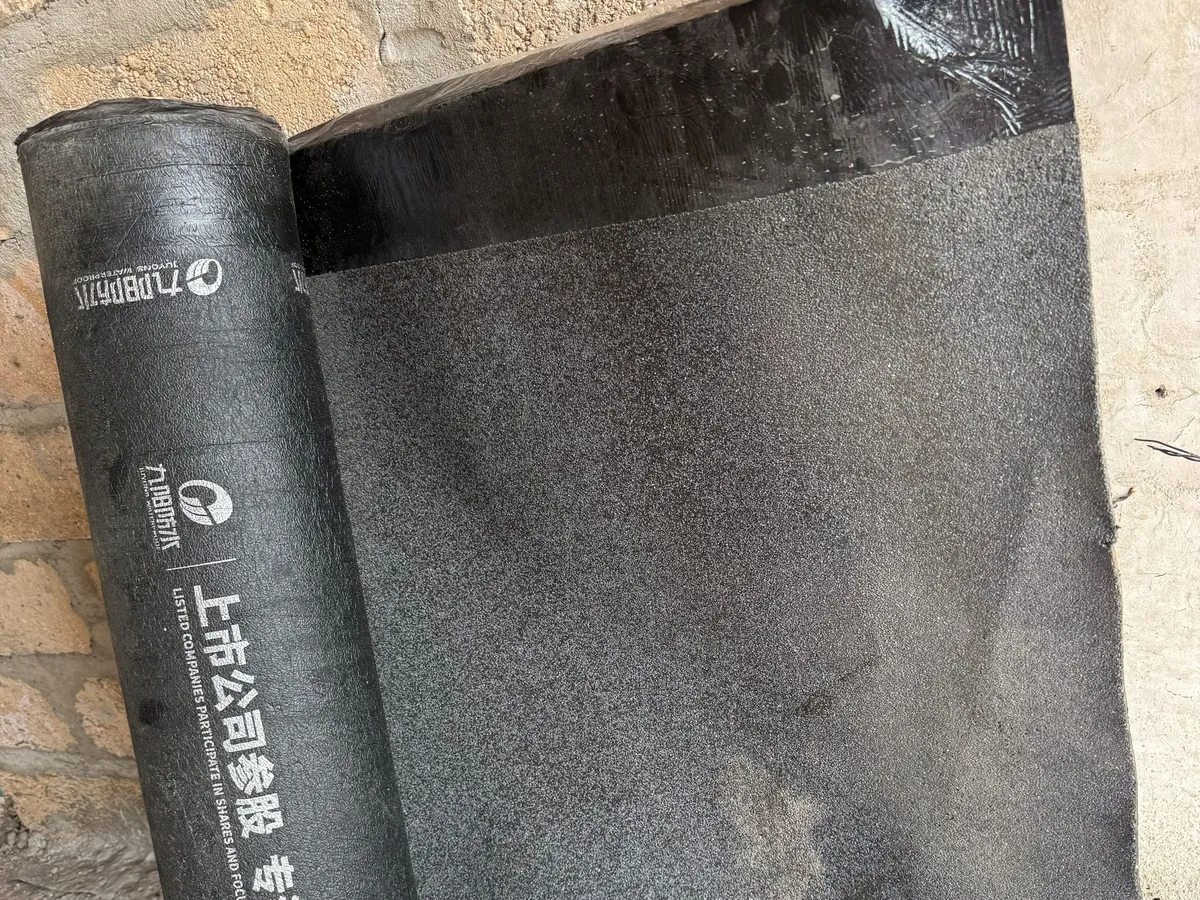
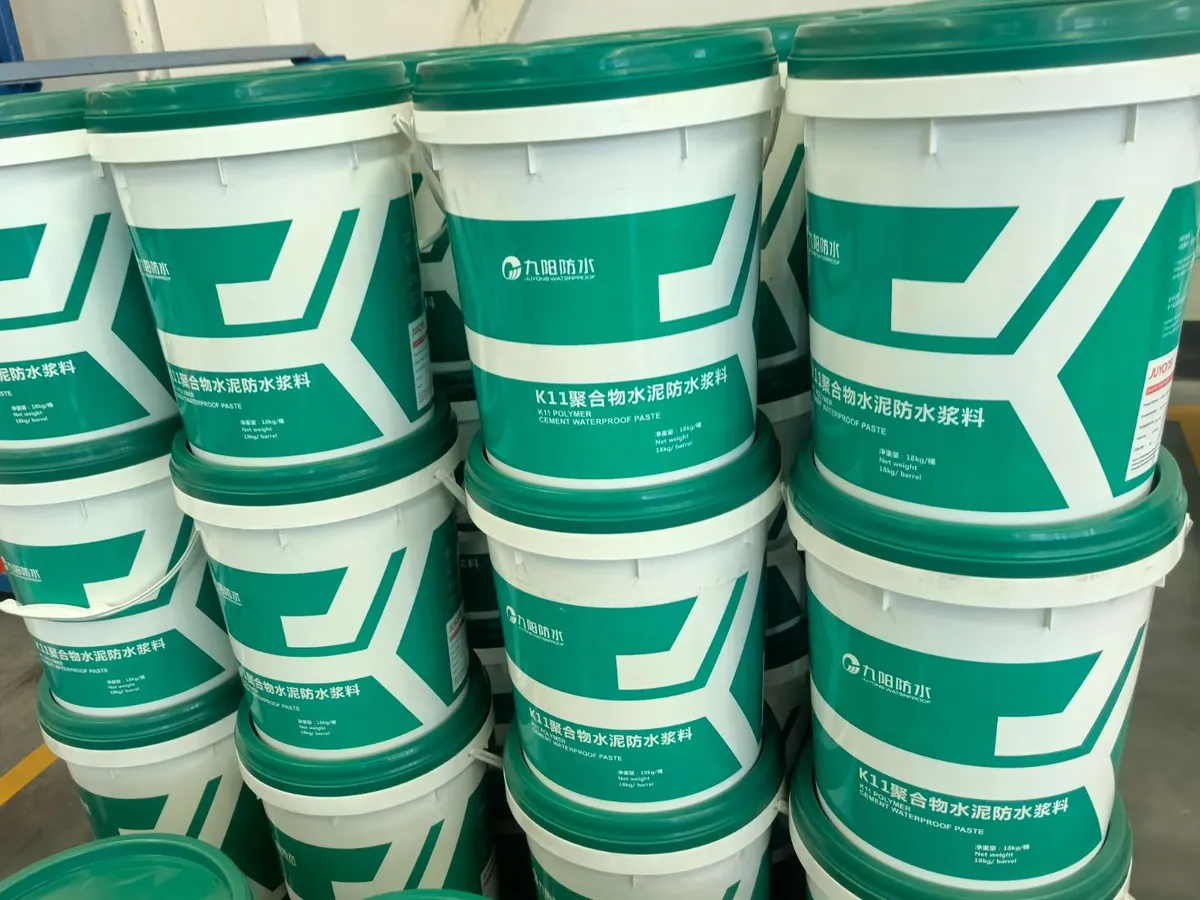
K11 Polymer Cement Waterproof Coating (Two-Component)
18 kg/barrelOrder on WhatsAppTZS 155,000perbucket
What geotextile fabric is
Geotextile (often searched as geotex) is a sheet of synthetic fibres that water can pass through. It goes between two materials that should not mix: clay subgrade and road gravel, garden soil and drainage stone, a waterproofing sheet and the backfill against it. The Danosa data sheet for DANOFELT PP 200 describes its non-woven grade as polypropylene threads interlocked by needling, with no chemical binder, placed between layers of soil “to prevent them from mixing together and to improve drainage”.
A geotextile does not hold water back. That is the job of a geomembrane, and the two are often confused in searches — see the section on membranes below.
Woven and non-woven geotextile compared
Searches for woven and non woven geotextile usually come down to one question: do you need strength or do you need water to pass? The two types are made differently, and the method sets what each one does well.
| Woven geotextile | Non-woven (needle-punched) geotextile | |
|---|---|---|
| How it is made | yarns, slit-film tapes or monofilaments woven on a loom (EcoGeoX) | loose fibres locked together by barbed needles, sometimes also heat-bonded (Geosynthetics Ltd) |
| Polymer | polypropylene (PP) or polyester (PET) (EcoGeoX) | usually PP (Danosa data sheet) |
| Water flow | low; EcoGeoX says it is usually not the right choice for drainage | high; the Danosa 200 g/m² grade lists 0.079 m/s water permeability |
| Main jobs | separation and reinforcement under roads and driveways (EcoGeoX) | separation, filtration, drainage, protection of membranes (Danosa) |
| Stretch and damage | stiffer | more elongation and damage resistance, says Geosynthetics Ltd |
A needle punched geotextile looks like thick white or grey felt; a woven one looks like the plastic of a feed sack. Because EcoGeoX rates woven fabric as a poor choice for drainage, a filter or drain layer in a drawing points to non-woven.
Weights in g/m² and what else to check
Non woven geotextile is sold by mass per square metre. Geosynthetics Ltd keeps grades from 80 to 300 g/m² on its shelves and makes heavier ones to order. The figure is a quick filter, but the company itself warns against buying on mass alone: newer fabrics can reach the required strength at a lower weight.
What to read on the data sheet of any geotex non woven roll before you order:
- Tensile strength, kN/m, in both directions. The Danosa 200 g/m² grade lists 16.0 kN/m lengthwise and across (EN ISO 10319).
- Static puncture (CBR), kN — how much a stone pressing into the sheet can take. Danosa: 2.34 kN (EN ISO 12236).
- Water permeability, m/s, and in-plane flow if the fabric itself must carry water to a drain.
- Opening size, µm — small enough to hold back the fine soil on your site, large enough not to clog.
- Thickness under load — Danosa gives 1.74 mm at 2 kPa for the 200 g/m² grade.
- Roll width and length, which decide how many overlaps the job needs.
Where geotextile cloth is used
Most uses of geotextile cloth fall into a handful of jobs, and the same roll can do more than one at once.
- Under gravel drives, yards and site roads. A layer on the soil keeps the stone from sinking into soft ground. Geosynthetics Ltd lists roadways, car parks, haulage yards and working platforms.
- Around drains. Wrapped round the stone of a French drain or a perforated pipe, the fabric lets water in and keeps silt out.
- Over waterproofing. Danosa names protection of waterproofing sheets on flat roofs and under screeds, where the felt shields the membrane from sharp edges.
- Behind retaining walls and gabions, between the backfill and the drainage layer (Geosynthetics Ltd).
- Under and over liners. Danosa writes that the felt protects waterproofing sheets from pressure and from sharp edges of the base they lie on.
Woven geo textile material belongs where the ground must carry load — the base of a road or a hardstanding — rather than where water has to move. For reinforcing a stone layer with an open plastic grid instead of a fabric, see geogrid.
Geotextile membrane or geomembrane?
People often type geotextile membrane, geotex membrane or even geotech membrane when they mean the felt described on this page. The word “membrane” is loose in shop listings, so check which product you are looking at.
- A geotextile lets water through. It separates, filters and drains.
- A geomembrane is a continuous plastic sheet, usually HDPE, that stops water. It lines dams, ponds and tanks — see HDPE geomembrane and dam liners.
The two are often laid together, the felt acting as the protection layer that Danosa describes for waterproofing sheets.
Laying geotextile: overlaps, cutting and storage
The installation notes in the two sources differ slightly, so both are given here.
- Overlap: Danosa asks for at least 20 cm between rolls and suggests stitching or stapling the joint for some uses; Geosynthetics Ltd says a simple overlap of typically 300 mm is enough in most cases.
- Fixing: pins are not normally needed, because the cover soil holds the sheet (Geosynthetics Ltd).
- Cutting: scissors, a sharp knife or a hot knife, ideally after the fabric is laid (Geosynthetics Ltd).
- Traffic: Danosa forbids driving plant or vehicles on the bare geotextile; tip and spread the stone so the machines run on the new layer.
- Sunlight: Danosa says its grade can stay uncovered “for a certain period”, but rolls should be stored dry and shaded from direct sun. Its stated minimum life of 25 years applies to fabric that is covered, in soils of pH 4–9 below 25°C.
Non-woven geotextile in stock in Zanzibar
Kitovu sells from stock in Zanzibar a Non-Woven Needle-Punched Polypropylene Geotextile 200 g/m². Kitovu’s product folder and order specification confirm: polypropylene, needle-punched non-woven, 200 g/m², white, UV stabilised. Kitovu’s stock records add the roll size: 2 m wide and 100 m long, 200 m². The maker’s test figures are not yet confirmed; the Danosa values above belong to a similar product and are not confirmed for this item. The price per m² and per roll is on the product card and on the geotextile price page.
Questions
What is geotextile fabric used for?
It keeps two layers apart, lets water pass while holding back fine soil, carries water along its plane and protects waterproofing membranes from sharp stones. The Danosa data sheet for its 200 g/m² grade names separation, filtration and drainage as the main uses.
Is the weight of a geotextile important?
Weight in g/m² is a rough guide, not the whole answer. Geosynthetics Ltd advises choosing by permeability, pore size, puncture resistance, elongation and tensile strength, because newer fabrics can reach the same figures at a lower mass.
Do I need to pin or tape geotextile?
Usually not. Geosynthetics Ltd says the weight of the cover soil holds the fabric and a simple overlap, typically 300 mm, is enough; Danosa gives a minimum overlap of 20 cm and suggests stitching or stapling the joint for some uses.