















Paving blocks: thickness, shapes and laying
Published · Updated
Paving blocks are small precast concrete units laid on sand to make paths, yards and roads. The UK maker Forterra specifies its BS EN 1338 blocks at 60 mm thick for footpaths and domestic drives and 80 mm for roads. Shape decides how many blocks cover one square metre.
In stock in Zanzibar
See all 11 products
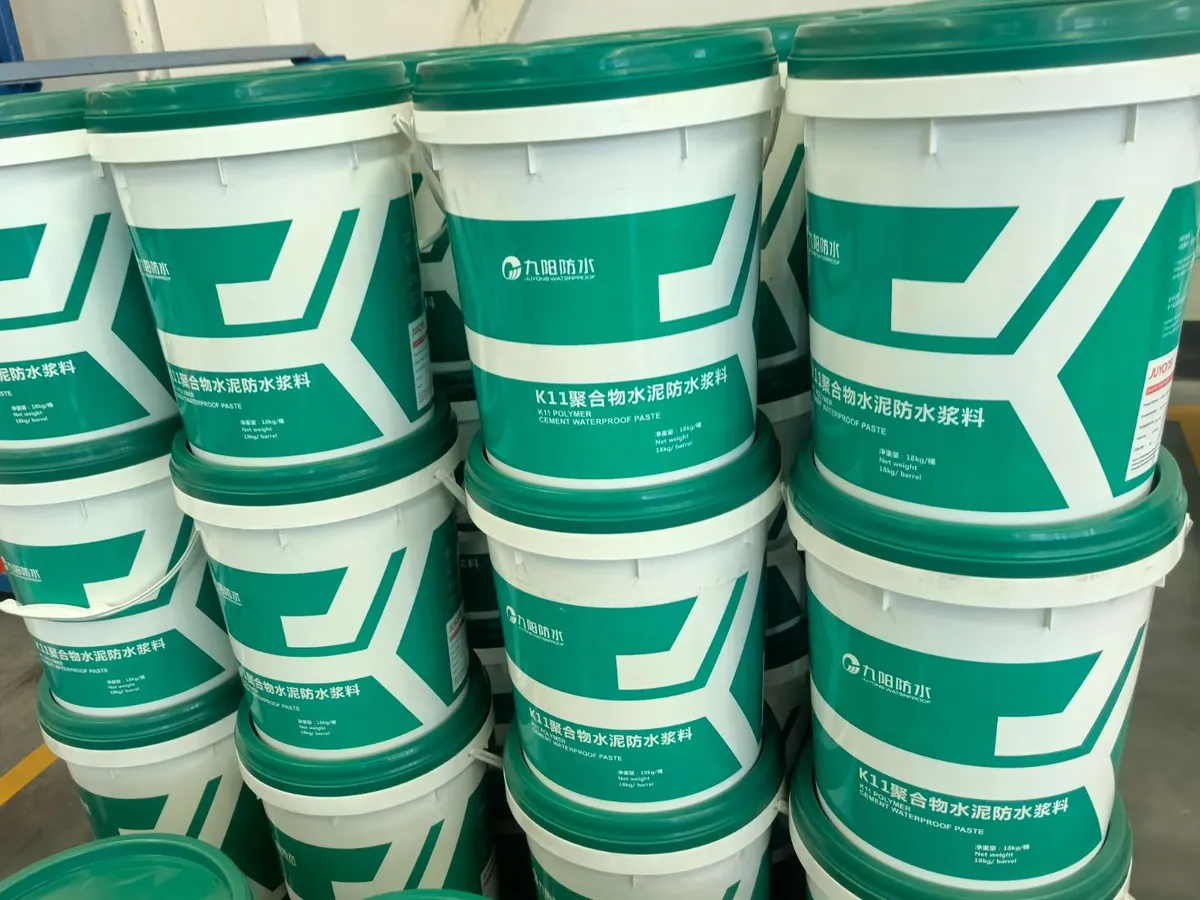
K11 Polymer Cement Waterproof Coating (Two-Component)
18 kg/barrelBrush-on coating that waterproofs walls and basements.
Order on WhatsAppTZS 155,000perbucket
Polypropylene Fibre for Concrete and Mortar
Fibre for mortar and plaster mixes against shrinkage cracks.
Order on WhatsAppTZS 15,100perkg


What paving blocks are
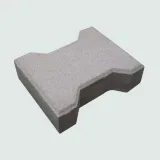
Paving blocks, also called pavers, paver stones or pavement blocks, are small units of pressed concrete laid tight together on a sand bed, with sand brushed into the joints. Because the joints are sand, single blocks can be lifted and relaid. Clay brick pavers are laid the same way; paving slabs are larger, flatter units.
Paving block thickness: 60 mm or 80 mm
Thickness follows the traffic. Forterra’s Formpave brochure gives figures for concrete block paving made to the European standard BS EN 1338:
| Property | 60 mm block | 80 mm block |
|---|---|---|
| Intended use | footpaths, domestic drives | roads |
| Tensile splitting strength | 3.6 MPa | 3.6 MPa |
| Abrasion resistance | class 3 | class 4 |
| Weathering resistance | class 3 | class 3 |
| 200 × 100 mm blocks per pack | 560 (11.2 m²) | 400 (8.0 m²) |
Both packs work out at 50 rectangular blocks per square metre (our calculation: 560 ÷ 11.2 and 400 ÷ 8.0), and a 60 mm pack weighs 1.47 tonnes, about 131 kg per m² of paving (calculated: 1,470 ÷ 11.2). For road pavers carrying lorries, ask for the 80 mm unit and its test certificate.
Paving block shapes and how many per m²
Paving blocks in Tanzania come in many interlocking shapes, and the count per square metre is what you order by. The Tanzanian maker Stumarcot lists these figures in its paving block catalogue:
| Shape (maker’s name) | Blocks per m² |
|---|---|
| U Dot | 20 |
| Z Dot | 21 |
| Trio | 27 |
| Z Plain (H-paver) | 30 |
| World Cup | 33 |
| SQ Dots | 40 |
| V Shape | 52 |
The same catalogue lists a square block, Square Rough, at 200 × 200 mm in 60 mm and 80 mm thicknesses. Add a margin for cuts at edges and around drains when you convert area into blocks.
Laying patterns, joints and kerbs
Rectangular pavers can be laid in stretcher bond, like brickwork, in basket weave, or in herringbone, where blocks sit at 45° or 90° to each other. Forterra recommends herringbone for trafficked areas. Its brochure also recommends kiln-dried sand for filling the joints of standard block paving.
Every block paving area needs a fixed edge. Kerbs or curb stones set in concrete along the sides hold the outer blocks in place.
Permeable pavers
Permeable pavement lets rain soak through the surface instead of running off it. Forterra’s Aquaflow blocks have a slot and chamfer that leave open joints, and the brochure specifies 3 mm grit, not sand, for those joints. Forterra describes the blocks as part of its Aquaflow system, with its own build-up beneath, so permeable pavers need their own sub-base design, not just a different block.
What to check when you buy
- Thickness: 60 mm for paths and home drives, 80 mm where vehicles turn or lorries drive.
- The standard and strength the maker declares, such as BS EN 1338 and tensile splitting strength.
- Blocks per m² for the shape, written on the quote.
- Whether kerbs are included.
- Whether the price is for supply only or for supply and laying.
- Colour consistency between batches if the job is large.
Paving blocks in Tanzania and Zanzibar
The shapes above come from a Tanzanian catalogue, Stumarcot’s; another maker’s mould of the same name may give a different count per m², so ask for the figure with the quote. Kitovu does not make or sell paving blocks. For walls and fences, see concrete blocks and interlocking bricks.