






















Cement board and backer board for tiles
Published · Updated
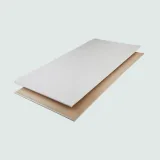
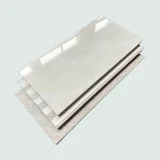
Cement board is a rigid sheet of Portland cement reinforced with glass-fibre mesh, used behind tiles in humid and wet rooms. Knauf's AQUAPANEL Cement Board Indoor is 12.5 mm thick, weighs 11 kg per square metre and is classed A1 for reaction to fire.
In stock in Zanzibar
See all 11 products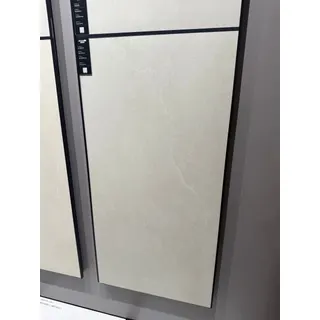
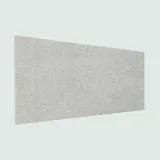
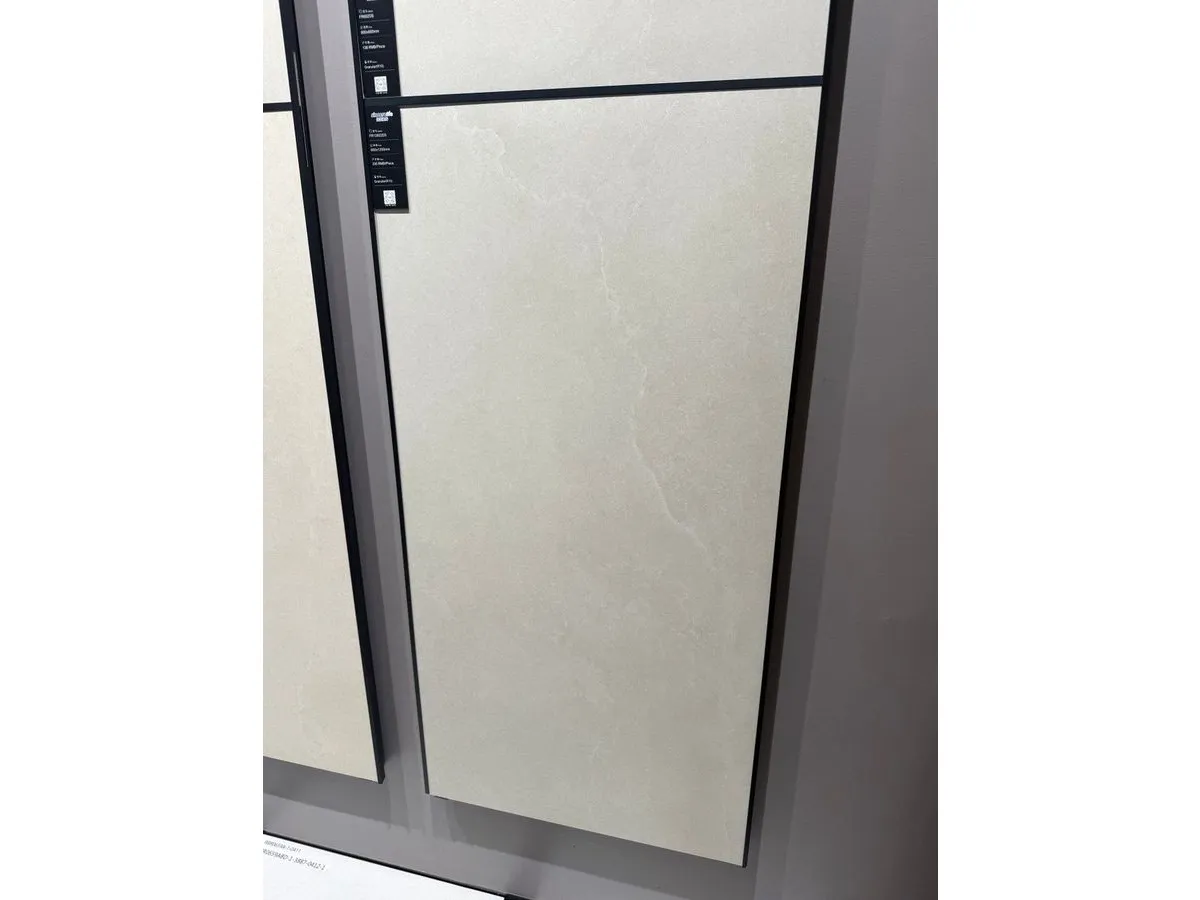
Beige Porcelain Tile 1200x600 mm, Matt Anti-Slip R10
1200 × 600 mmR10Order on WhatsAppTZS 49,680pertile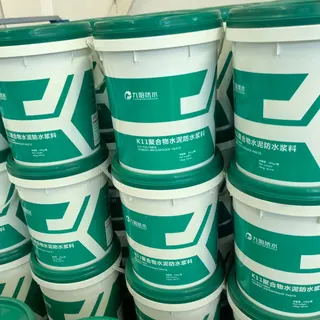
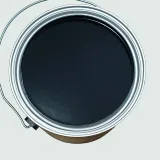
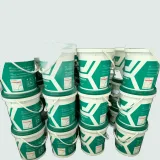
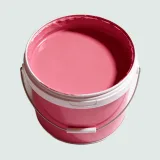
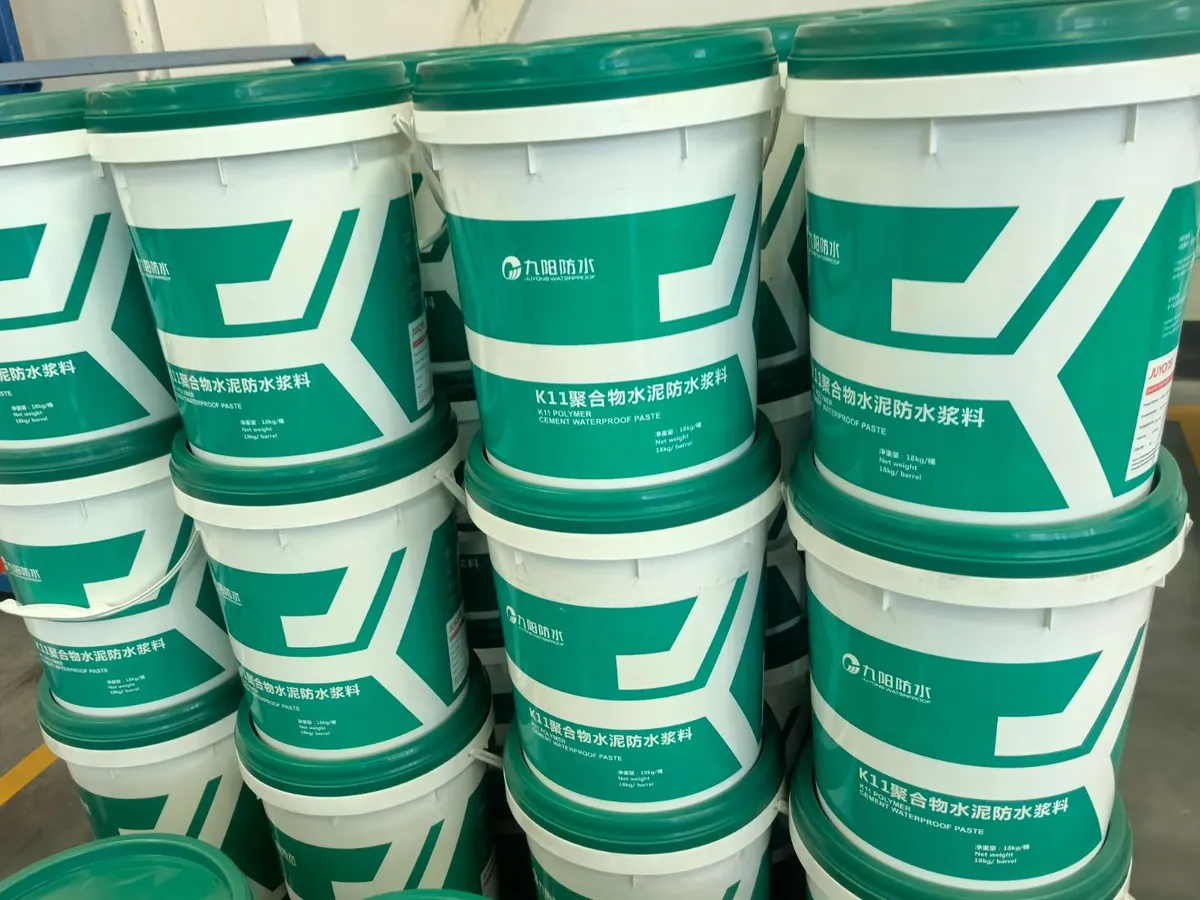
K11 Polymer Cement Waterproof Coating (Two-Component)
18 kg/barrelOrder on WhatsAppTZS 155,000perbucket
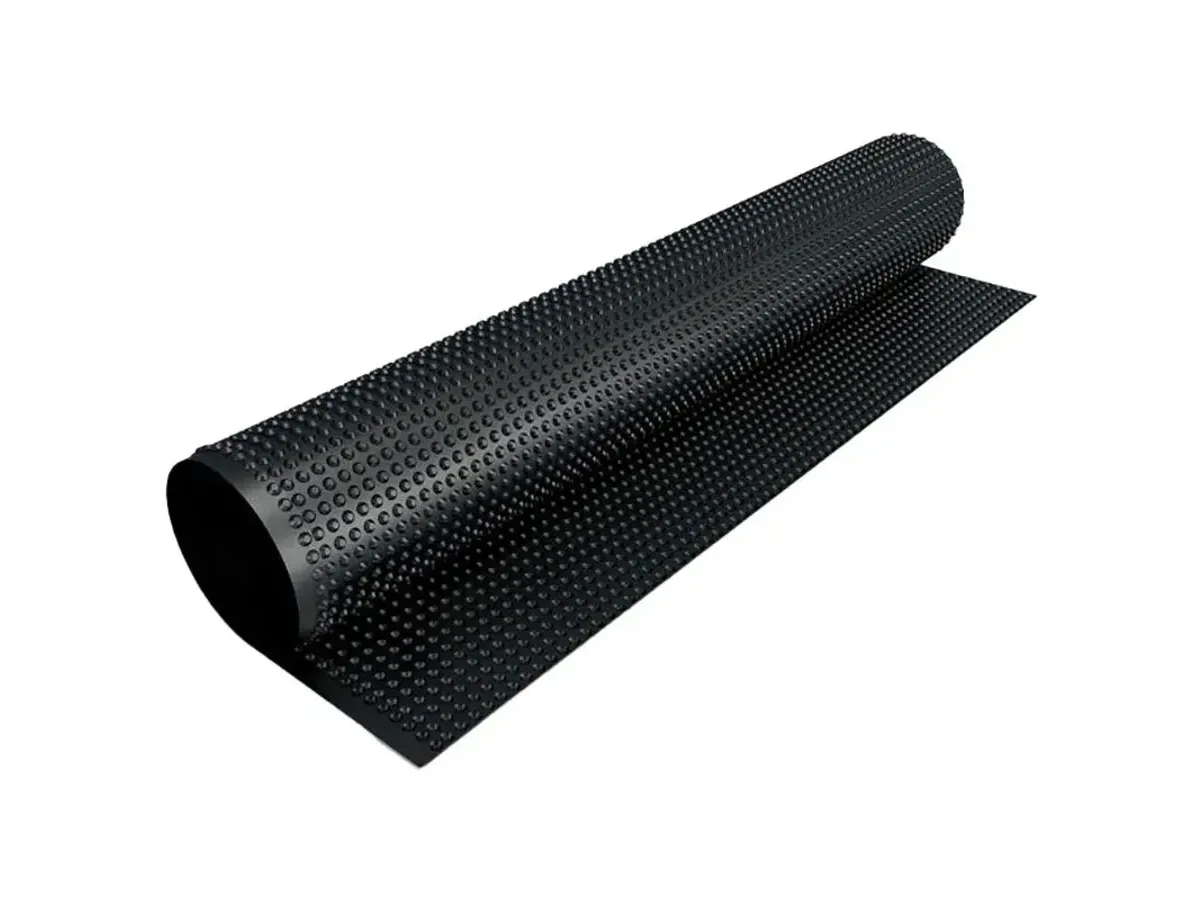
What cement board is
A cement board looks like a grey version of gypsum board, but it is built differently. The Knauf AQUAPANEL Cement Board Indoor data sheet (revised 16 January 2025) describes it as aggregated Portland cement with coated glass-fibre mesh embedded in the back and front faces, made to EN 12467, the European standard for fibre cement flat sheets.
Trade names vary. “Cement board”, “fibre cement board” and “backer board” all appear in searches; a backer board is one used as the base behind tiles. James Hardie’s HardieBacker is another product of this kind.
Cement board or gypsum board
| AQUAPANEL Indoor | Gypsum board (Knauf) | |
|---|---|---|
| Core | Portland cement, glass-fibre mesh in both faces | gypsum between paper liners |
| Wet rooms | being a non-gypsum board, allows use in humid and wet areas | Knauf offers a separate moisture-resistant board for kitchens and bathrooms |
| Weight | 11 kg/m² at 12.5 mm | 8.3 kg/m² for 12.5 mm standard wallboard |
| Reaction to fire | A1 | depends on the board type |
| Tiles | carries tile loads of up to 120 kg/m² in certain systems | — |
Sources: AQUAPANEL data sheet; Knauf plasterboard brochure, summarised on our gypsum board page.
The tile load matters for large tiles: a heavier tile needs a backer rated for it, and the 120 kg/m² figure applies only in the Knauf systems that list it.
Cement board sizes and weight
| Board | Thickness | Size | Weight |
|---|---|---|---|
| Knauf AQUAPANEL Indoor | 12.5 mm | 900 × 1200 mm | 11 kg/m² |
| Knauf AQUAPANEL Indoor | 12.5 mm | 900 × 2400 mm | 11 kg/m² |
| Knauf AQUAPANEL Indoor | 12.5 mm | 1200 × 2400 mm | 11 kg/m² |
| HardieBacker with HydroDefense | 0.42 in (about 10.7 mm) | — | — |
A 1200 × 2400 mm AQUAPANEL board covers 2.88 m² and weighs about 32 kg (our calculation from 11 kg/m²), heavier than a gypsum board of the same size. Knauf adds that the board can be scored and snapped and bent to a radius of 1 m.
Fixing a cement backer board
Both makers give clear figures:
- Frame. Knauf screws AQUAPANEL horizontally to a vertical stud frame; vertical fixing is also possible. James Hardie asks for studs no more than 16 in (about 406 mm) apart.
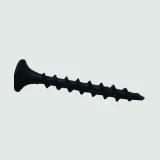
- Screws. James Hardie sets fasteners at most 8 in (about 203 mm) apart on every support, 3/8 in (about 10 mm) from the edges and 2 in (about 51 mm) from the corners, with heads flush and not overdriven.
- Gap. James Hardie leaves a 1/4 in (about 6 mm) gap between the board and the floor, tub or shower tray.
- Joints. Knauf finishes joints with its joint adhesive, or with its joint filler over 10 cm tape.
- Storage. Knauf keeps boards flat and dry before fixing, and asks that board, air and background are not below +5°C.
Inch figures are converted here at 25.4 mm to the inch (our conversion).
Waterproofing behind tiles
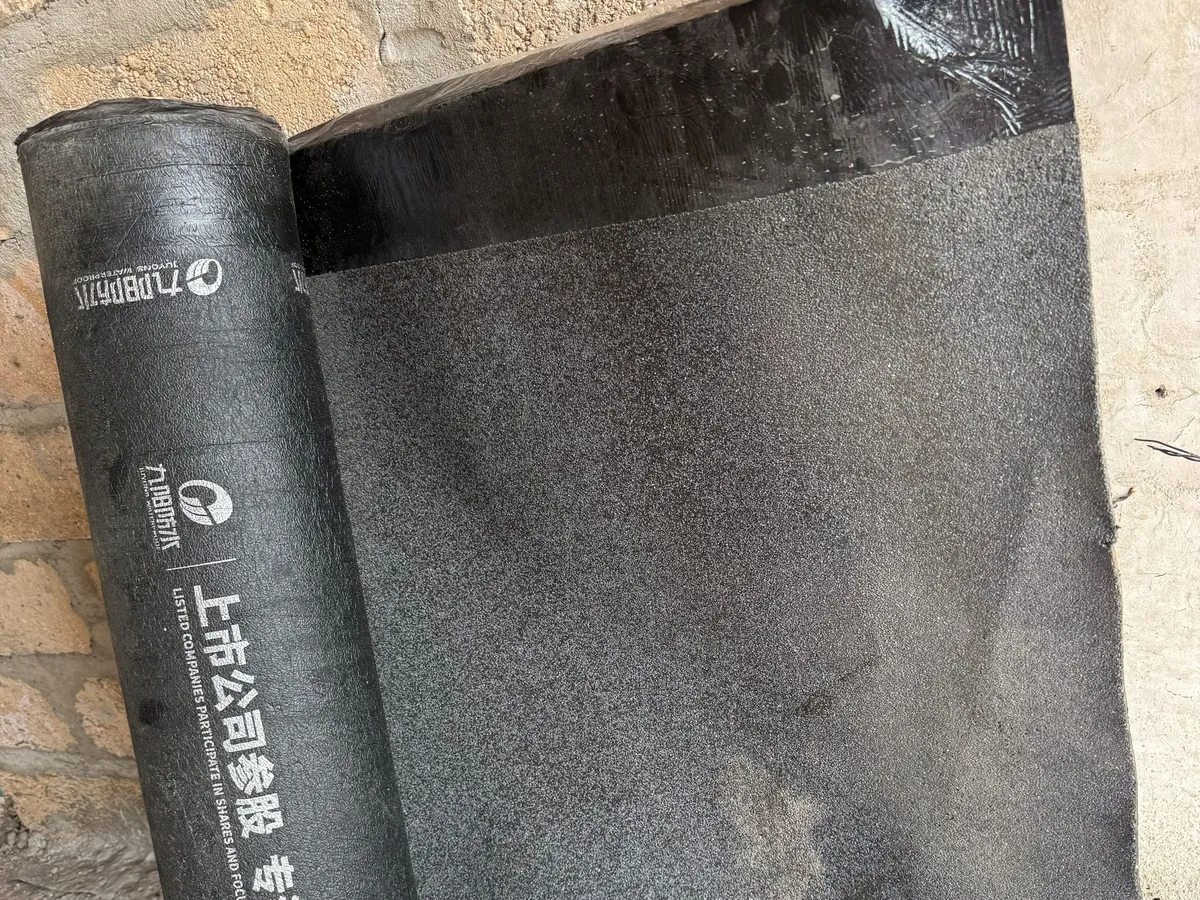
James Hardie’s instructions say its HydroDefense board needs no moisture barrier behind it, but where complete waterproofing is required, all joints, edges and fastener holes are sealed with a liquid waterproofing membrane; some areas may need more under local building codes.
Kitovu has K11 Polymer Cement Waterproof Coating (Two-Component) in stock in Zanzibar; its supplier’s data sheet lists waterproofing of walls, kitchens, toilets and bathrooms among its uses. Check with the board maker’s instructions that a polymer-cement coating suits your board before you tile.
What to check when you buy cement board
- Indoor or outdoor grade — AQUAPANEL Indoor is made for interior walls and ceilings.
- Thickness and sheet size against the stud spacing.
- Weight per square metre, for handling and for the frame.
- Tile load the system allows, if you plan large tiles.
- Screws, tape and joint products from the same system as the boards themselves.
Cement board in Zanzibar
Kitovu sells from stock in Zanzibar; boards of this kind are not among its products, but the waterproofing coating above is. For façade sheets rather than wet-room boards, see aluminium composite panel; for thermal insulation boards and wool, see insulation types.
Questions
What is a cement board?
A building board made of cement reinforced with glass fibre, screwed to studs as a base for tiles or a skim finish. Because it contains no gypsum, makers such as Knauf offer it for humid and wet rooms.