










LED light: how to choose lamps by lumens and colour
Published · Updated
An LED light makes light with a light-emitting diode instead of a hot filament. The US Department of Energy puts LEDs at least 75% below incandescent bulbs in energy use, with a life 25 times longer, so the figure to shop by is lumens, not watts.
In stock in Zanzibar
See all 11 products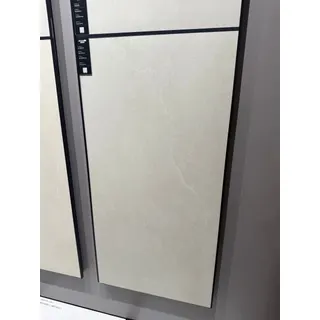
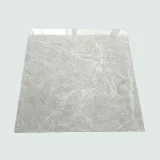
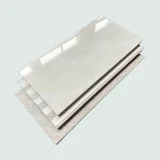
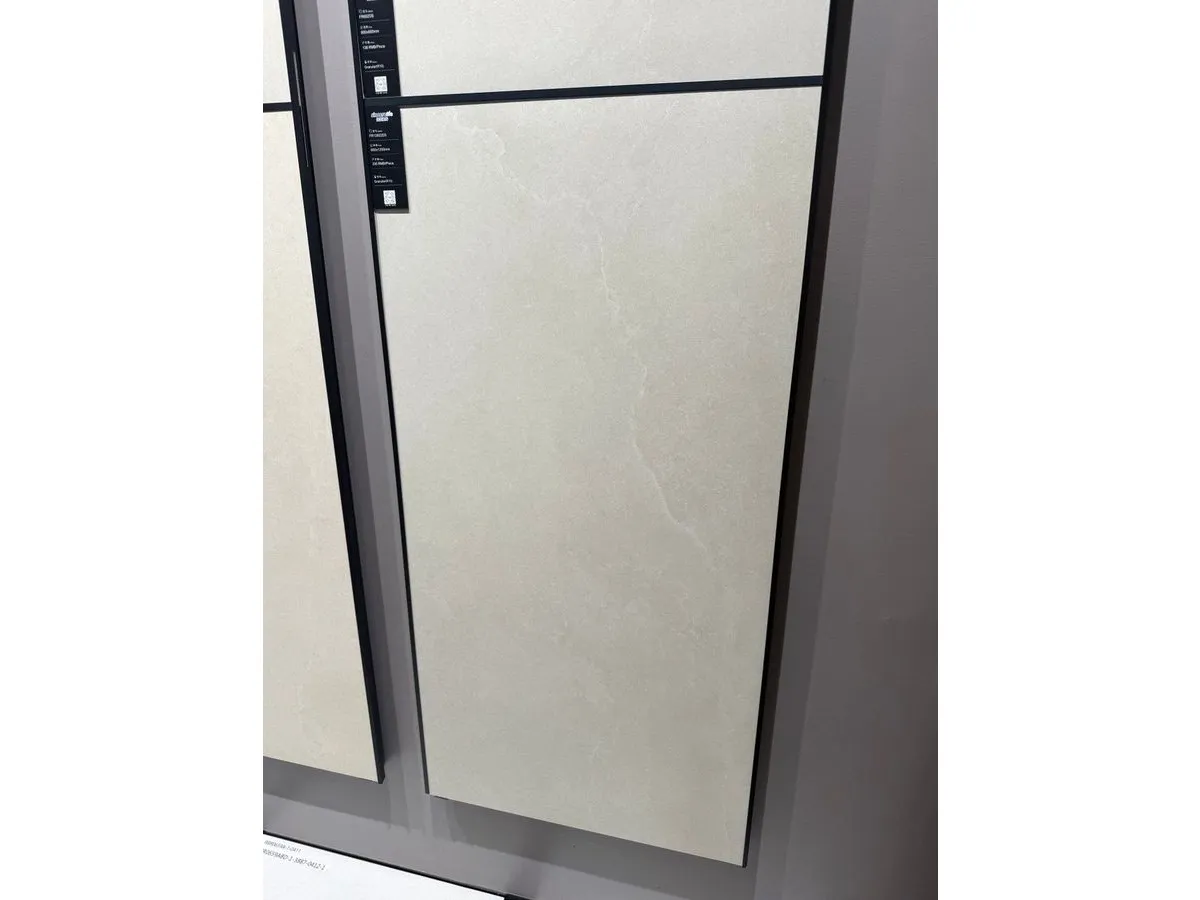
Beige Porcelain Tile 1200x600 mm, Matt Anti-Slip R10
1200 × 600 mmR10Order on WhatsAppTZS 49,680pertile
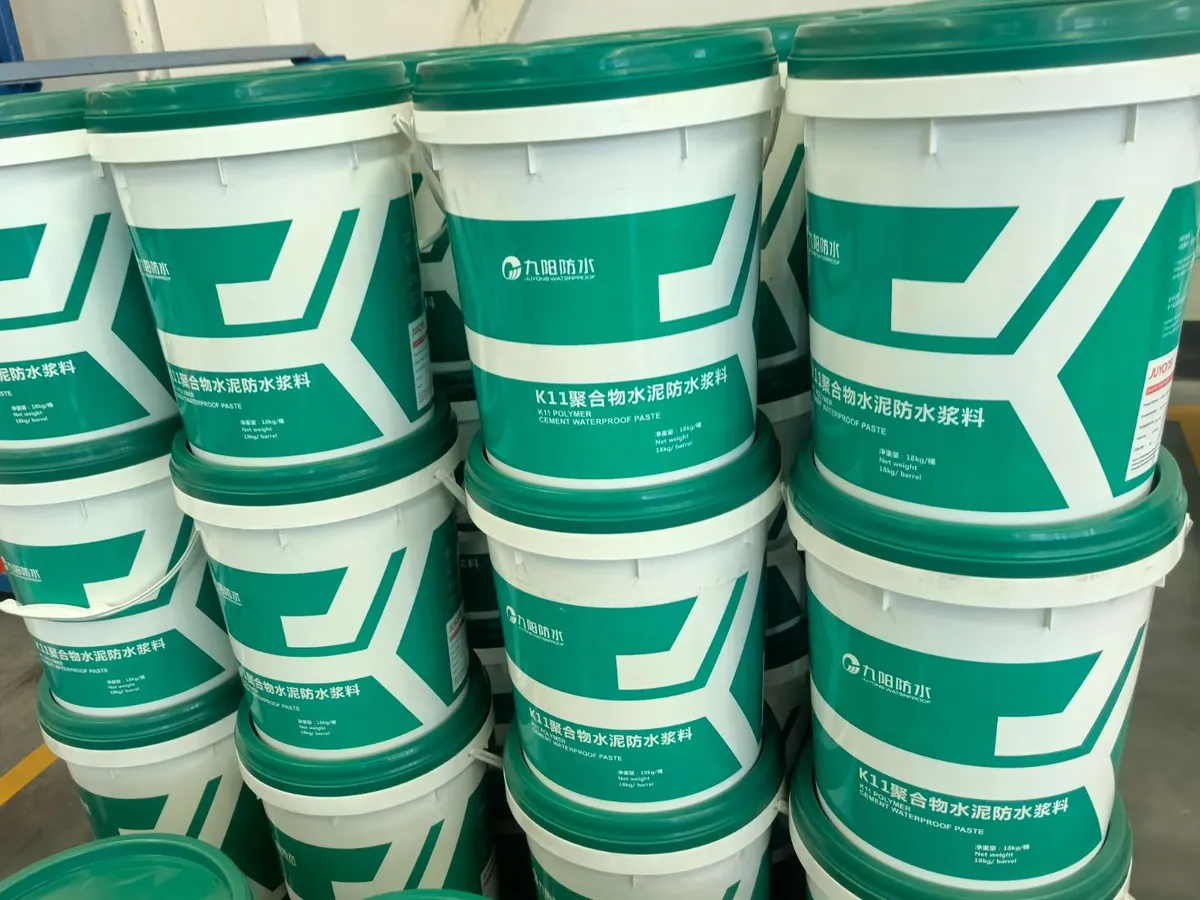
K11 Polymer Cement Waterproof Coating (Two-Component)
18 kg/barrelOrder on WhatsAppTZS 155,000perbucket
What an LED light is
LED stands for light-emitting diode: a small semiconductor that gives off light when current passes through it. A household LED lamp packs several of these with a driver into the shape of an ordinary bulb, tube or fitting.
The difference shows in the running figures. The US Department of Energy’s Guide to Energy-Efficient Lighting (October 2010) states that LED lights use at least 75% less energy than incandescent bulbs, last 25 times longer and give off almost no heat, while an incandescent bulb turns 90% of its energy into heat.
Lumens, not watts
Watts measure the power a lamp draws; lumens measure the light it gives. The DOE guide notes that people grew used to buying bulbs by wattage — 60, 75 or 100 W — when filament bulbs were the only choice; with LED lamps that habit misleads. ENERGY STAR gives the minimum lumens an LED lamp needs to replace each old bulb:
| Old incandescent bulb | Minimum lumens |
|---|---|
| 40 W | 450 lm |
| 60 W | 800 lm |
| 75 W | 1,100 lm |
| 100 W | 1,600 lm |
| 150 W | 2,600 lm |
Its advice is simple: find the lumens you need, then pick the lamp with the lowest wattage that delivers them.
Colour temperature
The colour of white light is given as a K-value, in kelvin. The DOE guide sets out the rule: the higher the K-value, the cooler and bluer the light; the lower it is, the warmer and yellower. Its chart runs from 2700K at the warm end, through 3000K, 3500K, 4100K and 5000K, to 6500K at the cool end.
Which end suits a room is a matter of use and taste. What matters when buying is that the K-value is printed on the pack, so that lamps in one room can be matched.
Types of LED lights
LED lights come in the same forms as the lamps and fittings they replace; how LEDs compare with filament, halogen and fluorescent sources is set out under lamps.
| Type | What it is | Where it goes |
|---|---|---|
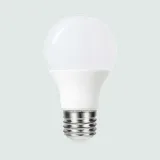
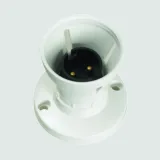
| LED bulb | a replacement lamp with a screw or bayonet cap | any fitting with a matching lampholder |
| LED tube | a straight lamp in place of a fluorescent tube | batten fittings in stores, garages and offices |
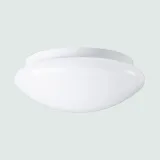
| LED panel | a flat square or rectangular fitting | suspended and gypsum ceilings |
| LED downlight (can light) | a fitting set into a hole in the ceiling | living rooms, kitchens, corridors — see ceiling lights |
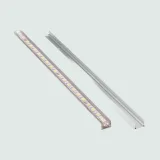
| LED strip or profile | a tape of small LEDs, often set in an aluminium channel | under cabinets, along steps and coves — see profile lights |
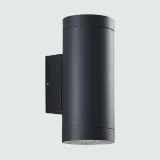
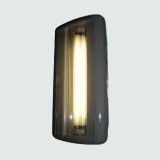
| Outdoor LED fitting | a sealed wall light, bulkhead or floodlight | entrances and paths |
“Can light” is the American name for a recessed downlight, after the can-shaped housing above the ceiling.
What to check on the box
In the US, the DOE notes, packs carry a Lighting Facts label listing brightness in lumens, yearly energy cost, expected life, light appearance from warm to cool, and wattage. Packs sold elsewhere may not use that label, but the same figures are the ones to look for. Maker spec sheets add detail: Cooper Lighting’s HALO step light sheet, for example, lists a colour rendering index (CRI) of 90+ — how true colours look under the lamp — and a rated life of 50,000 hours.
Two more lines decide whether a lamp will work where you put it. If the light is on a dimmer switch, the lamp has to be marked dimmable and suit that dimmer — the same HALO sheet names compatible dimmers. If it goes outdoors or in a bathroom, the fitting needs an IP rating for wet places.