













































































































Bathroom waterproofing: the order of work under the tiles
Published · Updated
Bathroom waterproofing is a continuous membrane laid on the floor and the wet walls before tiling, sealed at every corner, drain and pipe. Australia's building code, as one published benchmark, asks for shower walls to be waterproof to at least 1800 mm above the floor substrate.
In stock in Zanzibar
See all 11 products
K11 Polymer Cement Waterproof Coating (Two-Component)
18 kg/barrelBrush-on cement coating for bathrooms, kitchens, balconies, basements and pools; tiles can go over it.
Order on WhatsAppTZS 155,000perbucket
APP Torch-On Waterproofing Membrane, Mineral Finish
3 mm, 4 mmTorch-on APP roll with a mineral top for flat roofs, terraces and foundations.
Order on WhatsAppTZS 192,000perroll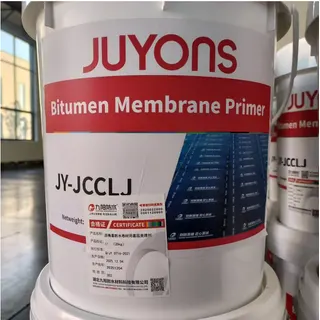
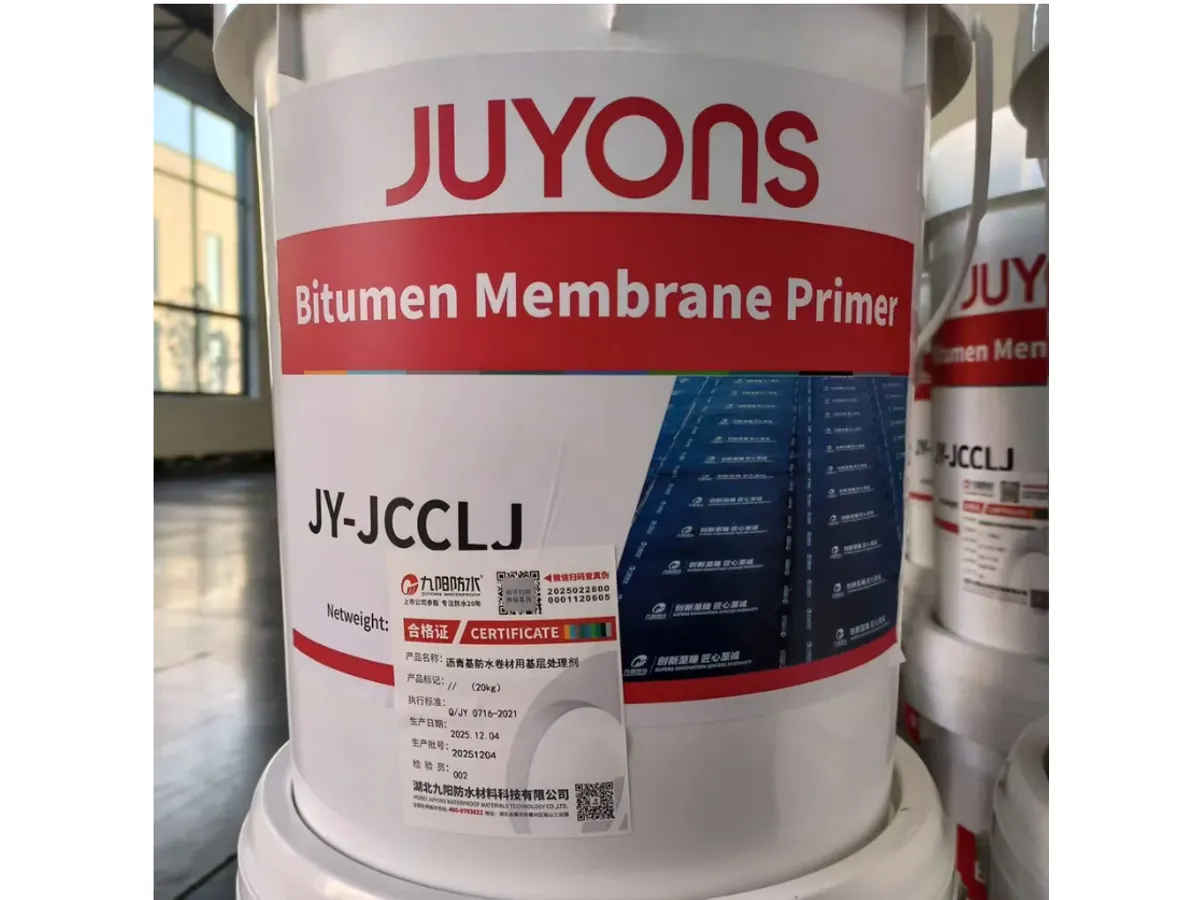
Water-Based Bitumen Primer for Waterproofing Membranes
20 kgWater-based primer brushed on the base before a bitumen membrane goes down.
Order on WhatsAppTZS 126,240perbucket
Dimple Drainage Membrane 8 mm with Geotextile (HDPE Drainage Board)
Studded drainage membrane that protects foundation walls below ground.
Order on WhatsAppTZS 328,000perroll
HDPE Geomembrane (Dam Liner), Smooth, 0.3 mm
Smooth0.3 mm0.3 mm HDPE sheet, ordered by Kitovu for damp proofing under floor slabs.
Order on WhatsAppTZS 1,052,000perroll



How bathroom waterproofing works
Tiles and grout are the visible finish, not the barrier. Water that gets through grout lines, cracked joints or gaps around pipes soaks into the screed and walls behind. The waterproof layer sits under the tile adhesive and turns the floor and the lower walls into a shallow tray that sends water to the floor drain.
Two things make the tray work. The floor must fall towards the drain: Australia’s National Construction Code (NCC 2022, Housing Provisions, clause 10.2.12) sets the fall of a shower floor between 1:80 and 1:50. And the membrane must be continuous across the floor, up the walls and into the floor drain, because water finds the one gap that was left.
Where the waterproof layer goes
Tanzania’s own rules on this were not checked for this page. As a published reference, the NCC 2022 Housing Provisions, Part 10.2 set out where a bathroom must be waterproof or water resistant:
| Area | What the NCC asks for | Clause |
|---|---|---|
| Shower floor, including any hob or step-down | waterproof | 10.2.2 |
| Shower walls | waterproof to at least 1800 mm above the floor substrate | 10.2.2 |
| Wall-to-wall junctions in the shower | waterproof at least 40 mm either side | 10.2.2 |
| Wall-floor junctions and pipe penetrations | waterproof | 10.2.2, 10.2.23 |
| Concrete floor outside the shower | water resistant | 10.2.3 |
| Wall behind a bath, basin or sink within 75 mm of the wall | water resistant to at least 150 mm above the vessel | 10.2.4, 10.2.5 |
| Unenclosed shower | waterstop at least 1500 mm from the shower rose, or the whole floor waterproofed and drained | 10.2.18 |
These are minimums. Coating the whole bathroom floor and turning the membrane up every wall goes beyond them, and is a decision for the owner and the builder.
Junctions, flashings and the door threshold
The lines where two surfaces meet get several clauses of their own in the NCC. Where a membrane is bonded to the base, a bond breaker goes into the wall-wall, wall-floor and hob-wall junctions and movement joints (clause 10.2.27), so the membrane is not glued tight across the corner where the two surfaces can move apart. A perimeter flashing around the floor rises at least 25 mm above the finished floor, except across doorways, with a horizontal leg of at least 50 mm (10.2.24). Where a shower has no hob but a screen, a waterstop at least 5 mm high marks its edge (10.2.17). Taps, shower outlets and fixings that pass through the membrane are each sealed (10.2.23).
Toilet waterproofing
A separate WC needs less than a shower room. Under the same code (clause 10.2.5) a WC floor is to be water resistant, with the wall-floor junction sealed. That changes when a handheld bidet spray is fitted: then the floor must be waterproof, and walls within a 900 mm radius of the spray are waterproof to 150 mm and water resistant to 1200 mm above the finished floor.
What you need
| Item | What it does | Example in a data sheet |
|---|---|---|
| Cementitious waterproof coating | the membrane itself, brushed on in coats | JUYONS K11 — about 1.5 kg/m² per mm of film |
| Corner and joint tape | bridges the wall-floor junction and inside corners | Mapei lists its Mapeband range for fillet joints |
| Glass-fibre mesh | reinforces the first coat over cracks and stressed areas | Mapei Mapenet 150 |
| Drain sealing kit | joins the membrane to the floor waste | Mapei Drain range |
| Tile adhesive | fixes tiles onto the cured membrane | Mapei names C2-class cement adhesives |
| Mixer and paddle | mixes powder and liquid without lumps | both data sheets ask for a mechanical mixer |
Kitovu has the K11 Polymer Cement Waterproof Coating (Two-Component) by JUYONS in stock in Zanzibar; its data sheet names toilets and bathrooms among its uses and says tiles can be laid on the waterproof layer. How this type of coating compares with others is on the cementitious waterproof coating page.
Steps, as the data sheets describe them
The order below follows the JUYONS K11 data sheet and the Mapei Mapelastic Zero data sheet, another two-part cementitious coating; where only one of them says something, it is named.
- Prepare the base. Flat, clean, free of oil and rough patches; internal and external corners rounded (JUYONS). New render must cure — Mapei asks for 7 days per millimetre of render thickness in good weather.
- Wet down porous surfaces before the first coat, leaving no standing water (JUYONS, Mapei).
- Seal the details first. Tape the wall-floor junctions and corners and fit the drain kit before the main coat goes on (Mapei).
- Mix with a mixer. JUYONS: the liquid goes into a clean bucket first, the powder is added gradually, and the mixer runs for 3–5 minutes until the slurry has no dry lumps. Use within 30 minutes and never add water.
- First coat, with mesh where needed. Mapei embeds its glass-fibre mesh in the first fresh coat in cracked or stressed areas.
- Second and third coats. JUYONS: 2–3 thin coats, each brushed across the direction of the coat beneath, once that coat has dried and lost its tack — about 4–8 hours. Mapei asks for a finished film of at least 2 mm on its product.
- Protect and cure. Keep the fresh coat out of rain and water for the first 24 hours (Mapei). Apply between 5°C and 35°C (JUYONS).
- Tile. Mapei waits at least 5 days of curing before ceramics go on; the JUYONS sheet allows tiling on the layer but gives no waiting time, so ask before planning the tiler’s start date. Choosing the tiles themselves is covered under bathroom tiles.
Common mistakes the data sheets warn about
- Adding water to a stiffening mix. JUYONS forbids it; the mix is used within 30 minutes or thrown away.
- One thick coat instead of thin ones. Both sheets call for more than one coat, the second after the first has set.
- Coating outside the temperature range or with rain due. JUYONS gives 5–35°C and no rain; Mapei asks for shade from sun and wind in hot, dry weather so the coat does not dry too fast.
- Skipping the junctions. Mapei puts the details (joints, corners, drains) before the main coat, not after.
- Tiling too early. Five days is Mapei’s minimum for its product.
- Stopping the walls short. The shower walls in the NCC table go to 1800 mm; a coating that stops at tile-skirting height leaves the splash zone open.
Questions
What is bathroom waterproofing?
A membrane, such as a brush-on polymer cement coating, applied to the floor and wet walls of a bathroom before tiles go on. Tiles and grout shed most water, but the membrane under them stops what gets through from reaching the slab, the walls or the room below.
How do you waterproof bathroom walls?
Seal the wall-floor junction and corners first, then brush on 2–3 thin coats of a cementitious coating, each at right angles to the last, as in the JUYONS K11 data sheet. Australia's building code takes shower walls to at least 1800 mm above the floor substrate.