















































Gate valve: how it works, types and pressure ratings
Published · Updated
A gate valve opens and closes a pipe by lifting a wedge clear of the flow or screwing it down onto two seats. It is made to sit fully open or fully closed: Crane's data sheet for its D156 brass valve, rated 16 bar at up to 100°C, says gate valves are not practical for throttling.
In stock in Zanzibar
See all 11 products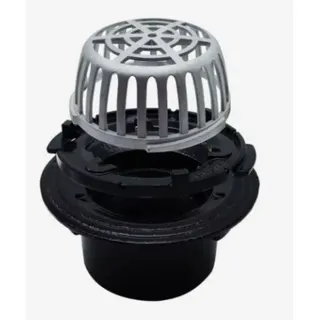
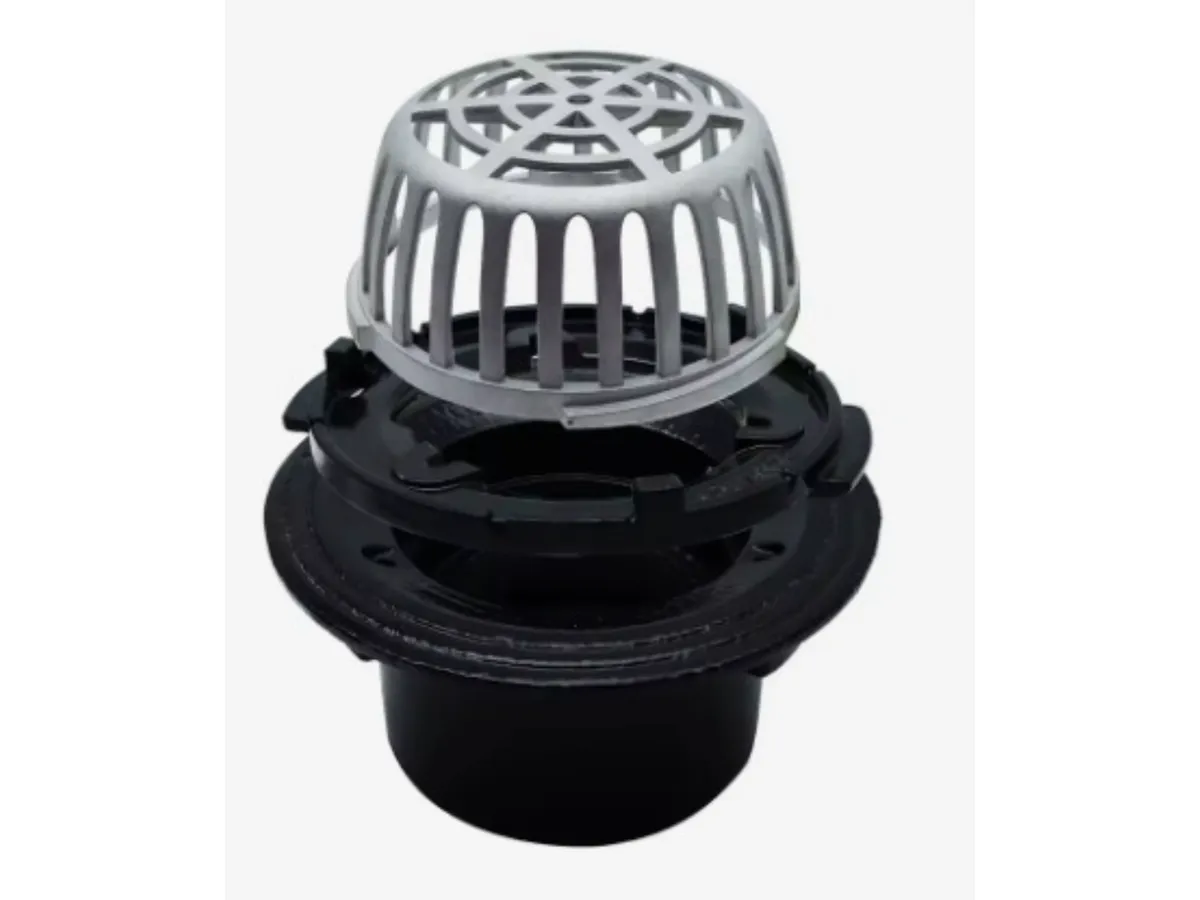
Flat Roof Drain with Dome Strainer for 110 mm Pipe
For 110 mm pipeRoof outlet that connects to a 110 mm drain pipe.
Order on WhatsAppTZS 159,900perpiece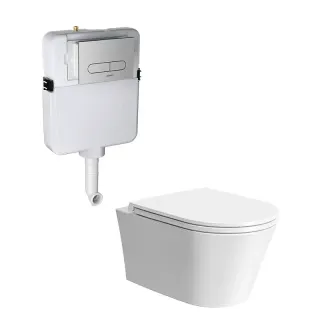
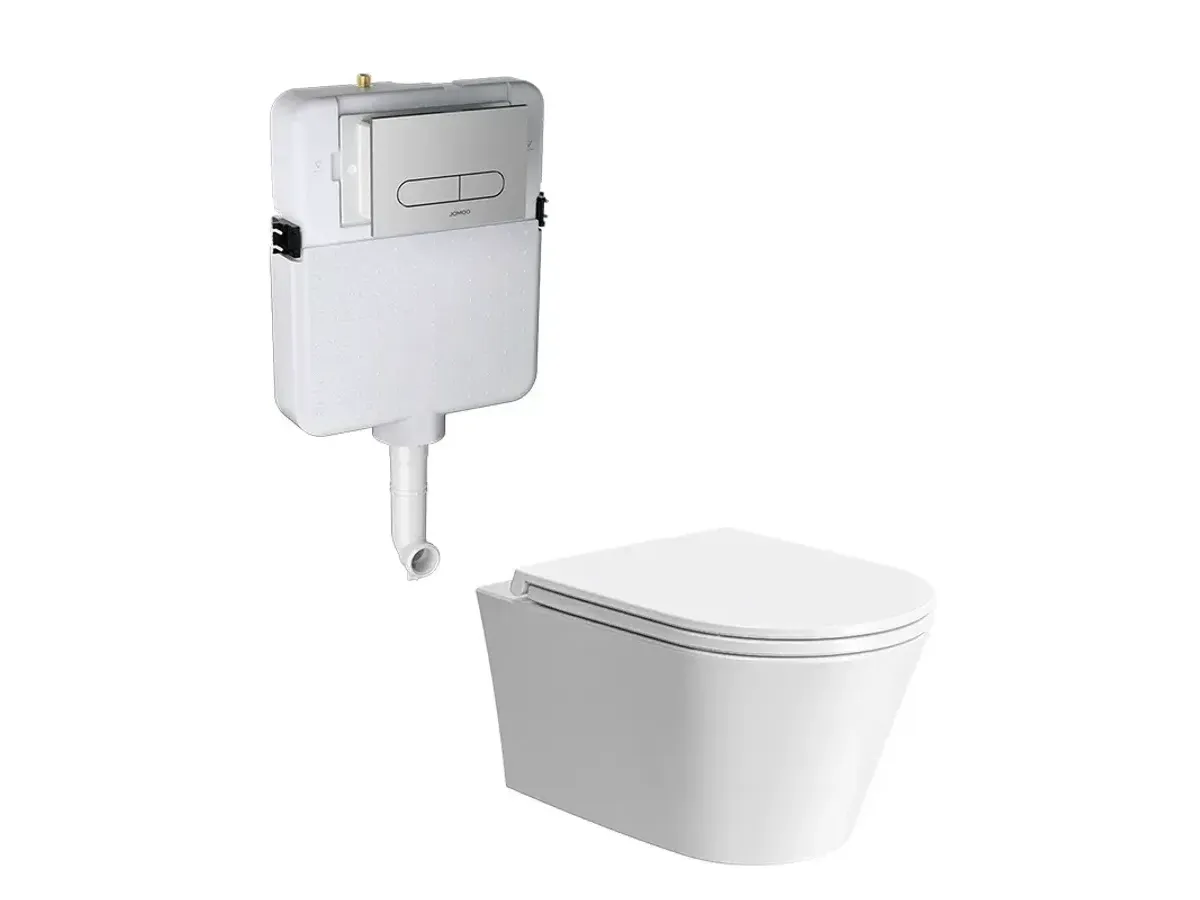
JOMOO Wall-Hung Toilet 02355-00-2, 565 x 375 x 350 mm
565 × 375 × 350 mmOrder on WhatsAppTZS 2,210,000perset
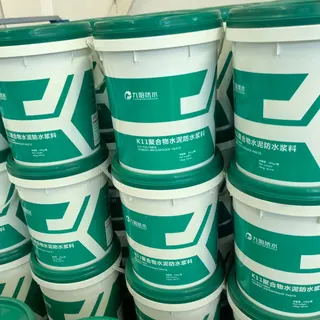
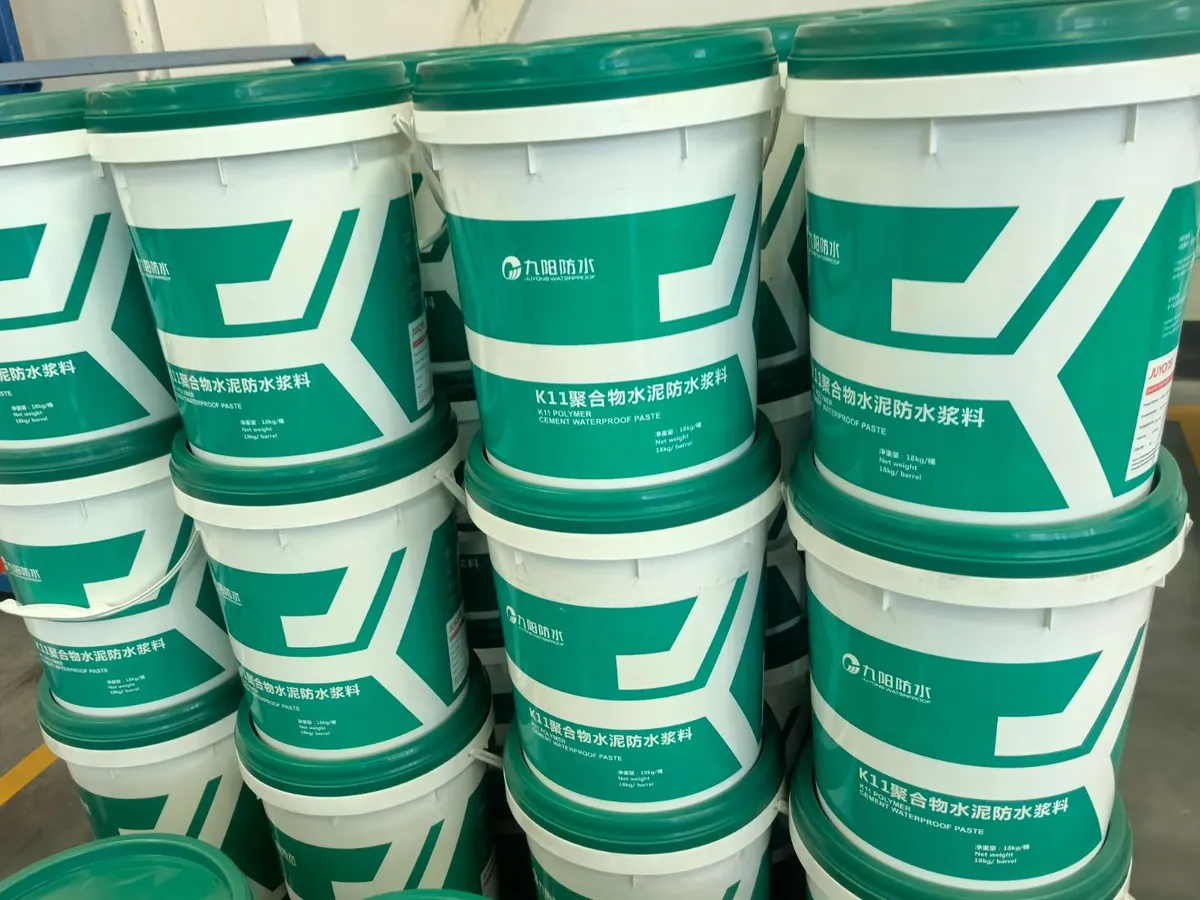
K11 Polymer Cement Waterproof Coating (Two-Component)
18 kg/barrelOrder on WhatsAppTZS 155,000perbucket
What a gate valve is
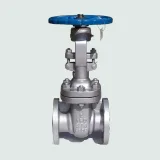
A gate valve is a shut-off valve with a gate, usually a wedge, that slides across the bore. Turning the handwheel winds the stem and lifts the wedge out of the way; turning it back drives the wedge down between two seats in the body. When it is open, the water runs straight through, which is why Crane describes its gate valves as the choice where minimum pressure drop matters.
The same design is its limit. A gate valve is built to stand fully open or fully closed. In between, the wedge starts to flutter in the flow, causing turbulence and wear on the wedge, body and sealing faces, as the German valve dealer ACI explains. For regulating flow, a globe valve or another control valve is the right tool.
Wedge, stem and seal: gate valve types
Gate valve types are told apart by three things:
- Wedge. A solid (stiff) wedge is one piece; a flexible wedge has two plates joined by a bridge, which ACI says is most common today because it seals well and is light. Wedge valves seal from both sides, so flow can run either way.
- Stem. On a rising stem valve the stem climbs as the valve opens, so you can see its position from outside; Valve.tr notes non-rising stems suit tight spaces. With a non-rising stem, the threaded part sits inside the body, in the water.
- Seal. Metal-seated valves seal metal on metal. Soft-sealing, or resilient-seated, valves have a wedge fully covered in NBR or EPDM rubber; ACI says they are used mainly in water and wastewater and seal more tightly than a rigid metal wedge.
Brass and bronze gate valves: pressure and temperature
Small gate valves for house and building supply lines are usually threaded brass or bronze. Two British data sheets show what the rating on the body means:
| Crane D156 | Hattersley 33X | |
|---|---|---|
| Body | brass (CW617N) | bronze |
| Rating | PN16, BS EN 12288 Series B | PN20, BS EN 12288 Series B |
| Pressure at −10 to 100°C | 16 bar | 20 bar |
| At high temperature | 7 bar at 170°C | 9 bar at 180°C |
| Stem | non-rising | non-rising |
| Wedge | not stated | solid |
| Ends | taper thread, ISO 7-1 (formerly BS 21) | taper thread, ISO 7-1; NPT to order |
| Sizes | ¼” to 2” to BS EN 12288 | ¼” to 4” |
Sources: the Crane D156 data sheet and the Hattersley 33X data sheet. The pressure a valve may carry falls as the water gets hotter, so the PN figure is the cold rating. Hattersley’s bronze valve also carries the Kitemark and is WRAS-approved for drinking water; Crane states that the D156 is not for Group 1 gases. Sizes are sold in inches, as people search for them: ¾, 1½ and 2½ inch gate valves all fall within the Hattersley ¼ to 4 inch range, where a ¾ inch valve weighs 0.55 kg and a 2 inch valve 2.55 kg.
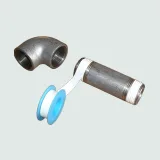
The ends of these valves are taper-threaded, so the joint is sealed on the thread with PTFE thread tape or a jointing compound.
Gate valve or ball valve
Many buyers weigh a ball valve against a gate valve for the same job. A ball valve turns a drilled ball through 90 degrees, so a quarter turn of the lever opens or shuts it, and the Wikipedia article on ball valves adds that the handle lies along the pipe when it is open. A gate valve is wound open and shut with a handwheel and shows its position only if it has a rising stem.
Neither is a flow regulator. Crane calls gate valves impractical for throttling, and the Wikipedia article notes that ball valves lack fine control in throttling. Where a line needs fast, visible shut-off, the quarter-turn ball valve is quicker to use; where the valve sits open for years and is closed only for repairs, a full-bore gate valve gives the lowest pressure loss.
Sluice valves on larger pipes
A sluice valve is the same kind of valve on a bigger scale: Cair Euromatic, an Indian valve maker, writes that sluice and gate valves only start or stop the flow, and that sluice valves are generally the size of the main they sit on, up to 300 mm. For water and wastewater, ACI points to the soft-sealing type described above, and Cair Euromatic adds that the term sluice valve is also used for valves in slurry service.
What to check when you buy
- Size and thread. Inch size matching the water pipe, and the thread type: taper ISO 7-1 (BSPT) or NPT.
- Pressure rating. PN16 or PN20 on the body, and the rating at your water temperature.
- Body. Brass or bronze for small threaded valves; for drinking water, an approval such as WRAS.
- Stem. Rising if you need to see whether the valve is open; non-rising where space is short.
- Seal. Resilient-seated for water and wastewater mains where tight shut-off matters.
- Use. A gate valve for full-bore isolation; a ball valve for quick shut-off; neither for regulating flow.
Questions
What is a gate valve?
A valve that starts or stops flow by raising or lowering a gate, usually wedge-shaped, across the pipe. Valve.tr, a Turkish valve maker, describes a handwheel or motor turning the stem that lifts the gate, and notes the valve should be used only fully open or fully closed.
Where is a gate valve used?
On water supply lines, mains and plant pipework where a line is shut off now and then and must otherwise flow freely. Crane recommends gate valves for services that need infrequent operation and minimum pressure drop.
What is the difference between a gate valve and a globe valve?
They look alike but do different jobs. Valve.tr explains that gate valves suit lines that are either open or closed, while globe valves are designed to regulate the flow rate precisely.