

































































Binding wire: types, gauge and tying rebar
Published · Updated
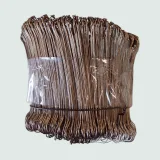
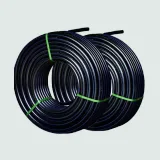
Binding wire is soft steel wire used to tie reinforcing bars together where they cross, so the cage holds its shape while concrete is poured. South African maker Joluka makes it black annealed or galvanised and supplies both in 50 kg coils about 50 × 50 × 25 cm in size.
In stock in Zanzibar
See all 11 products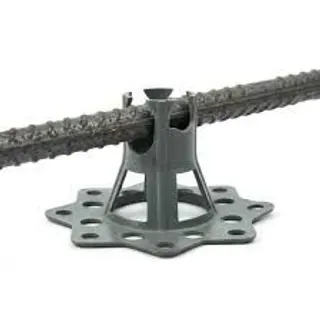
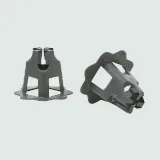
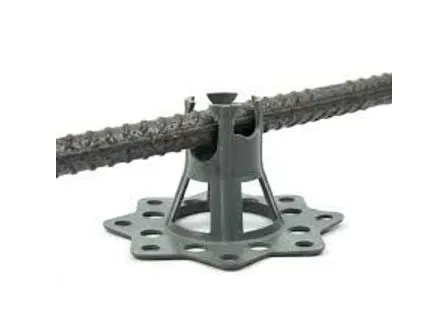
Plastic Rebar Chairs with Base (Rebar Spacers)
Plastic chairs that keep rebar and mesh at the set height above the formwork.
Order on WhatsAppTZS 2,630perpiece
Polypropylene Fibre for Concrete and Mortar
Order on WhatsAppTZS 15,100perkg
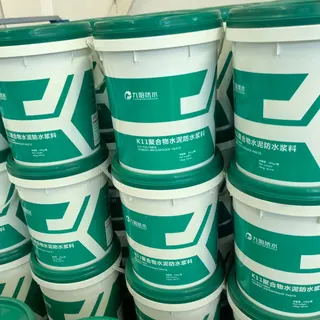
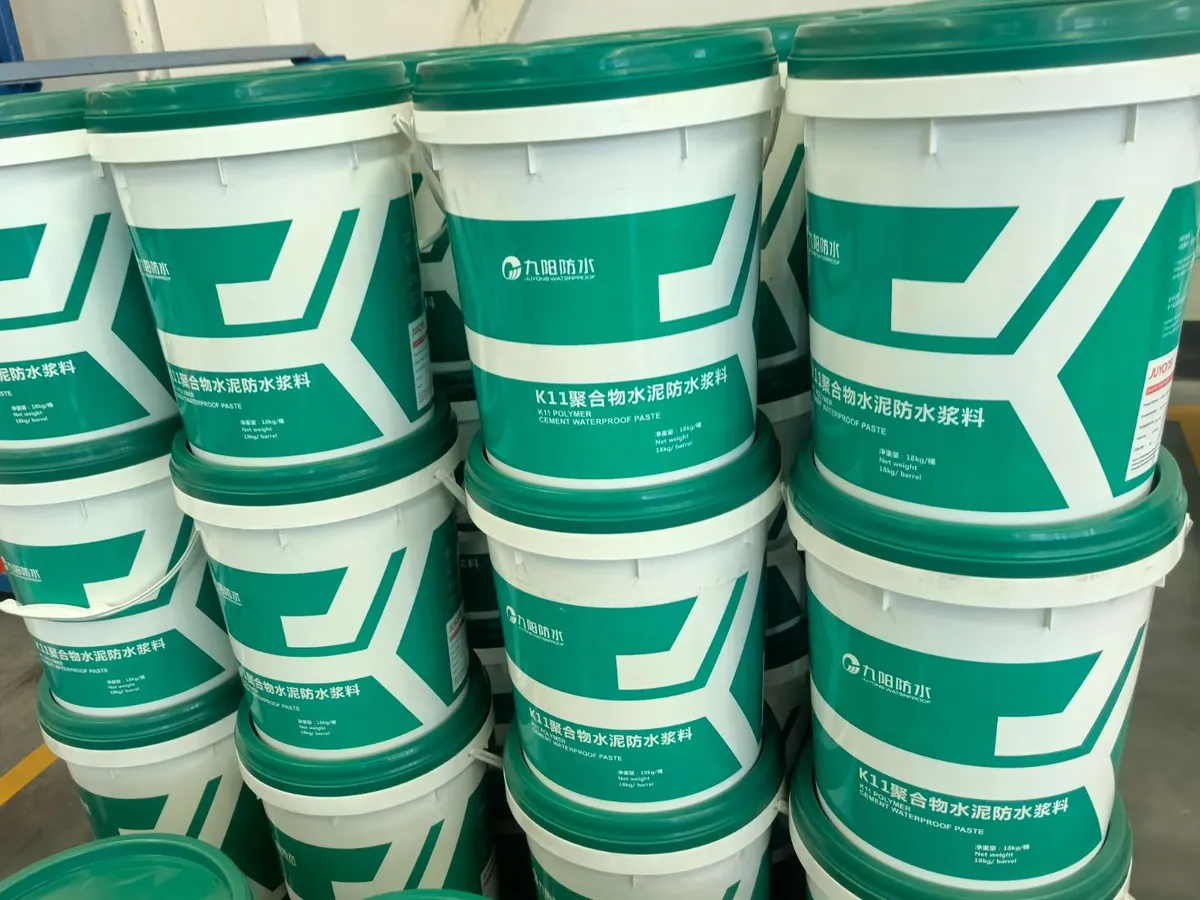
K11 Polymer Cement Waterproof Coating (Two-Component)
18 kg/barrelOrder on WhatsAppTZS 155,000perbucket

What binding wire does
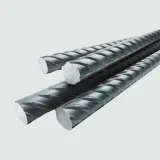
Before the concrete arrives, the bars of a slab, beam or column are tied together at their crossings so they stay in place during the pour. According to South African wire maker Joluka, that is the job of binding wire: it holds the bars together before the pour and keeps the cage aligned. For the bars themselves, see rebar (nondo).
Types of binding wire
| Type | What it is | When it is used |
|---|---|---|
| Black annealed | mild steel wire softened by annealing, left uncoated | standard rebar tying; soft and quick to twist |
| Galvanised | zinc-coated steel wire | where wire is exposed to wet conditions and rust |
| Stainless steel | corrosion-resistant steel | marine and heavy-duty work |
| PVC-coated | steel wire with a plastic layer | fencing and decorative work, not rebar |
Joluka notes that site workers prefer black annealed wire for quick tying because it is soft. Galvanised wire, by the same maker’s account, resists rust and lasts longer in wet or exposed conditions.
Binding wire gauge
Binding wire is sold by gauge, and the number runs backwards: a higher gauge is a thinner wire. Indian steel firm Sunvik Steels names 16 to 18 gauge as the range for construction work and keeps thinner wire, such as 22 gauge, for crafts. US supplier Electrical Resource International sells its rebar tie wire in 16.5 gauge black annealed, in 400 ft rolls (121.9 m by our conversion), according to its tie wire data sheet.
Ask for the diameter in millimetres when you compare two wires.
Tying rebar: three ties
The Electrical Resource International data sheet names three ties its wire is made for:
- Saddle tie.
- Wrap and saddle tie.
- Figure-eight tie.
Which tie a joint needs, and how many joints are tied, is set by the engineer’s drawings and the reinforcement specification.
The same sheet says the wire is lightly oiled so that it feeds smoothly through automatic tying tools. Joluka pairs its wire with concrete nippers for cutting and twisting, and with safety caps that cover exposed rebar ends.
What to check when you buy
- Finish: black annealed for ordinary ties, galvanised where the wire stays exposed to wet.
- Gauge and diameter in mm, from the same gauge scale if you compare two sellers.
- Coil or roll weight, so you can compare prices per kilogram. Joluka’s coils weigh 50 kg; some sellers also list 1 kg packs.
- Softness: Joluka describes black annealed wire as soft and easy to twist; check a sample before you buy a coil.
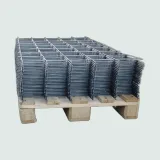
In a slab, the tied bars rest on spacers that hold them at the right height. Kitovu has Plastic Rebar Chairs with Base (Rebar Spacers) in stock in Zanzibar. Listed bar prices are on the rebar price page; for welded reinforcing sheets, see BRC mesh.
Binding wire in Zanzibar
Kitovu sells from stock in Zanzibar, and binding wire is not among its products.