



















































Emergency lamp: how rechargeable and escape lights work
Published · Updated
An emergency lamp keeps a battery charged from the mains and lights up on its own when the power fails. For escape lighting in buildings, the UK Health and Safety Executive cites BS 5266-1: the light should be up within 5 seconds of the failure, and battery units usually run for 1 to 3 hours.
In stock in Zanzibar
See all 11 products
Beige Porcelain Tile 1200x600 mm, Matt Anti-Slip R10
1200 × 600 mmR10Order on WhatsAppTZS 49,680pertile
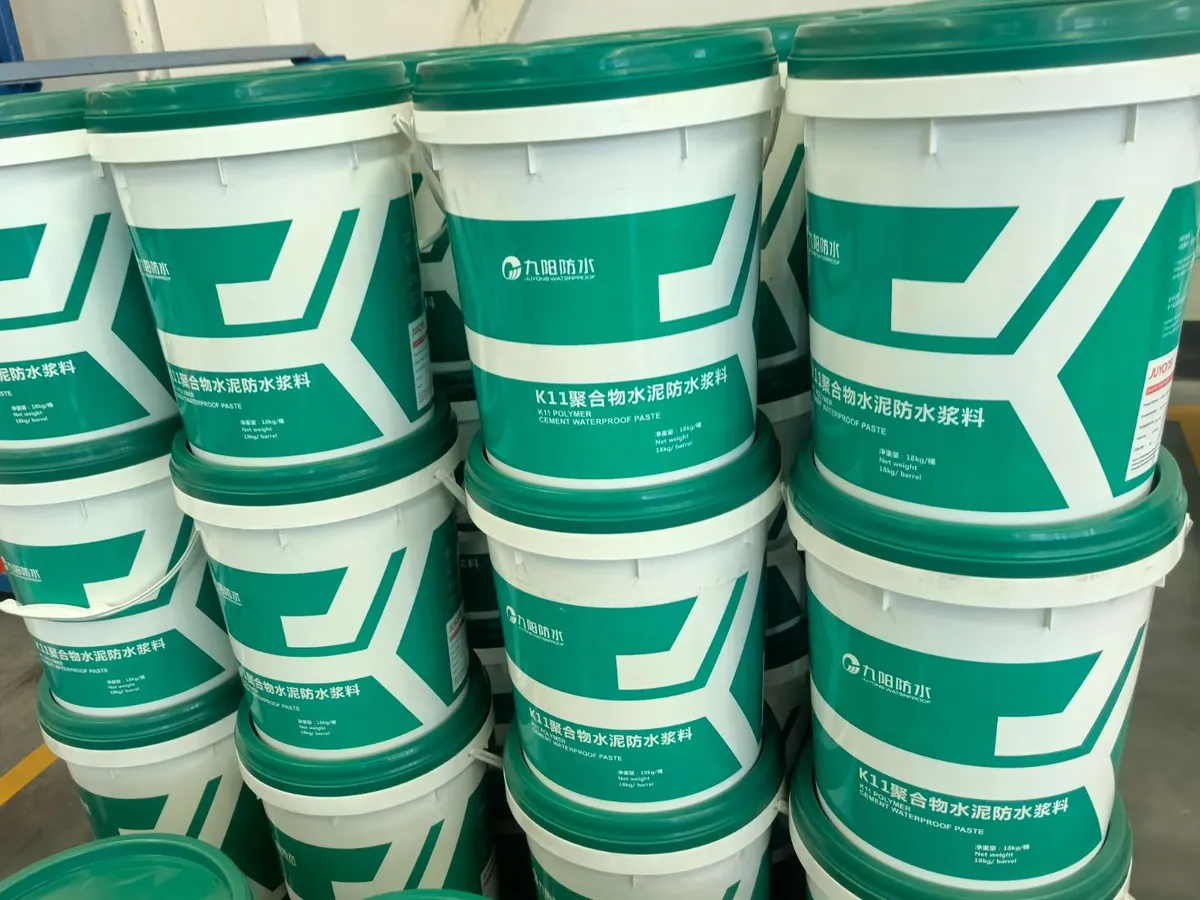
K11 Polymer Cement Waterproof Coating (Two-Component)
18 kg/barrelOrder on WhatsAppTZS 155,000perbucket


Two kinds of emergency lamp
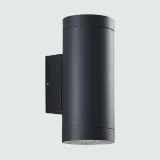
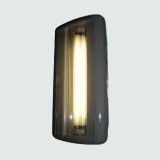
The name covers two different products. The first is a portable, rechargeable emergency lamp for homes and shops: it sits on charge, comes on by itself when the power goes, and can be carried around. The second is fixed emergency lighting in a building — wall or ceiling fittings that light the way to the exits when the normal lights fail.
Both work on the same principle. A battery inside the fitting, or a central battery or generator, takes over the moment the mains supply stops.
How a rechargeable emergency light works
Philips describes its rechargeable emergency lights simply: they charge while connected to the power and switch on automatically during a power failure. Most of its models, it says, have overcharge protection, so they can be left plugged in. Its range is mostly portable lamps and lanterns, one of them with a solar panel.
What to check when you choose one
Philips lists the points that separate one model from another:
- Brightness — enough lumens for the space it must light.
- Battery backup time — how many hours it runs once the power is off.
- Recharge time — how quickly it is ready again after use.
- Mounting — wall, ceiling or carried by hand.
- Use — indoor, or a model built for outdoor conditions.
Philips builds its emergency lights with LEDs and gives energy efficiency as the reason. For how lumens compare with old bulb wattages, see LED lights.
Emergency lighting in buildings
For workplaces, the UK Health and Safety Executive’s guide Lighting at work (HSG38) separates two types and sets out what each needs:
| Point | What HSG38 says |
|---|---|
| Standby lighting | lets people carry on working; 5% to 100% of normal light, depending on the work |
| Escape lighting | lets people leave the building safely |
| Switch-on time | escape lighting should reach its level within 5 seconds of the failure (BS 5266-1); 15 seconds where people know the building |
| Running time | battery-powered escape lighting is usually designed for one to three hours |
| Mounting height | at least 2 m above the floor to avoid glare, but not much higher, because smoke may cut the light |
| Where | emergency exits, escape routes, exit and direction signs, fire alarm points and fire-fighting equipment |
HSG38 adds three conditions. The light must last as long as the danger does, or until normal lighting returns; it must give full output at once, which rules out lamp types slow to warm up; and the lighting outside the building must be good enough for people to get clear safely.
The systems range from fittings with their own battery packs to central batteries or a generator feeding the lamps through protected wiring. These are UK figures, given as a reference for how such systems are specified rather than as Tanzanian rules.
Looking after the battery
An emergency lamp that has not been charged is just a lamp. Philips advises keeping the light fully charged so it is ready, checking the battery from time to time, wiping it with a soft cloth and keeping it away from moisture unless the model is waterproof. HSE also lists maintenance — cleaning, repair and replacement — as part of keeping emergency lighting fit for use.
Questions
How long does an emergency light stay on during a power cut?
It depends on the battery and the model, as Philips notes for its rechargeable range. For fixed escape lighting in buildings, the UK HSE says battery-powered units are usually designed to run for one to three hours.
Can emergency lights be left plugged in all the time?
Philips says most of its rechargeable emergency lights have overcharge protection and can stay plugged in, but advises checking them from time to time.