













































































































PVC pipes and fittings: sizes, pressure classes and joints
Published · Updated
PVC pipes for water and drainage are made of unplasticised PVC (uPVC or PVC-U) and sized by outside diameter in millimetres. Plasco, a Dar es Salaam pipe maker, produces pressure pipe to ISO 1452-2 in classes from 6 to 20 bar, joined by solvent cement up to 75 mm and by rubber rings above.
In stock in Zanzibar
See all 11 products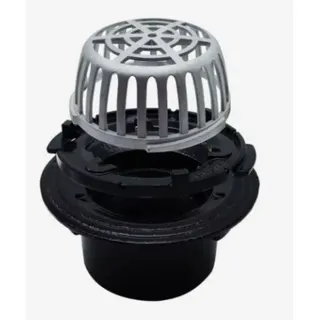
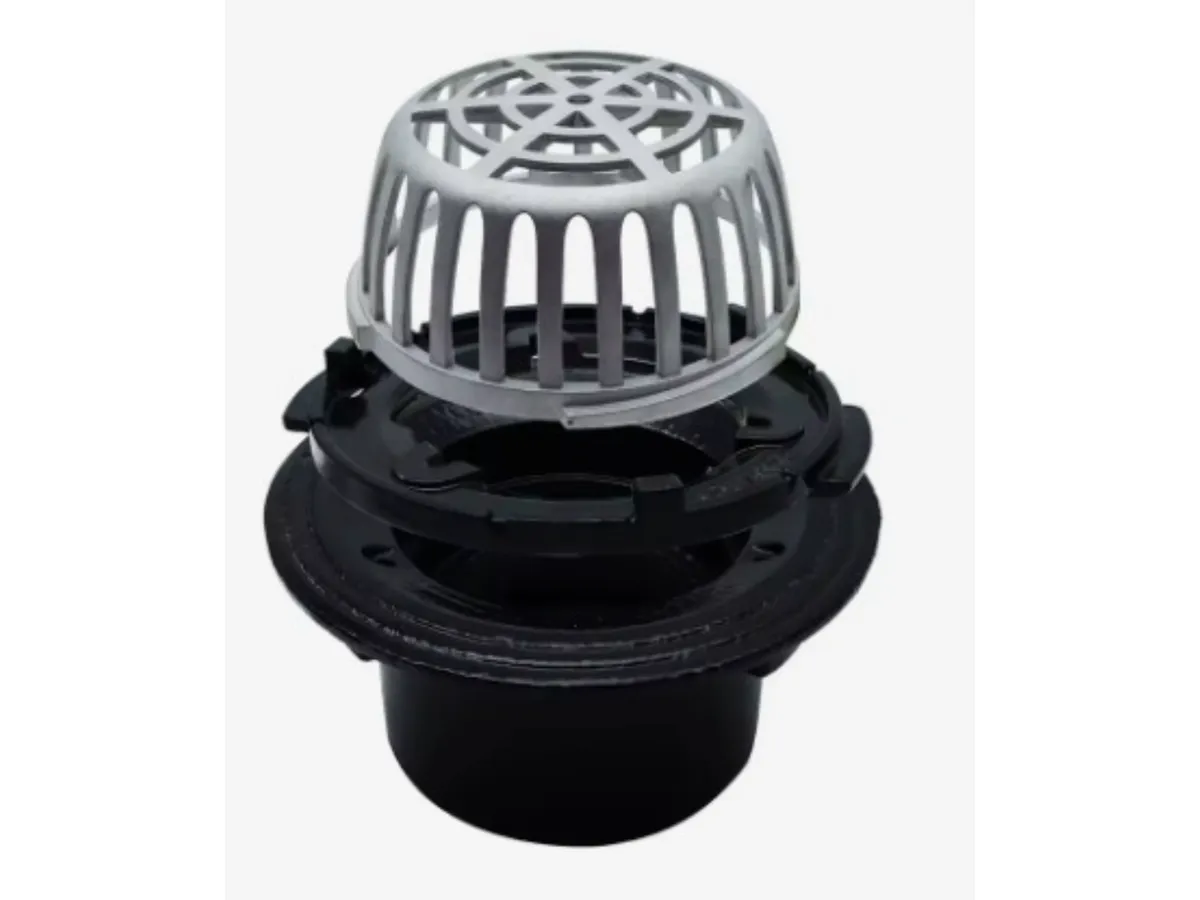
Flat Roof Drain with Dome Strainer for 110 mm Pipe
For 110 mm pipeRoof outlet that connects to a 110 mm drain pipe.
Order on WhatsAppTZS 159,900perpiece
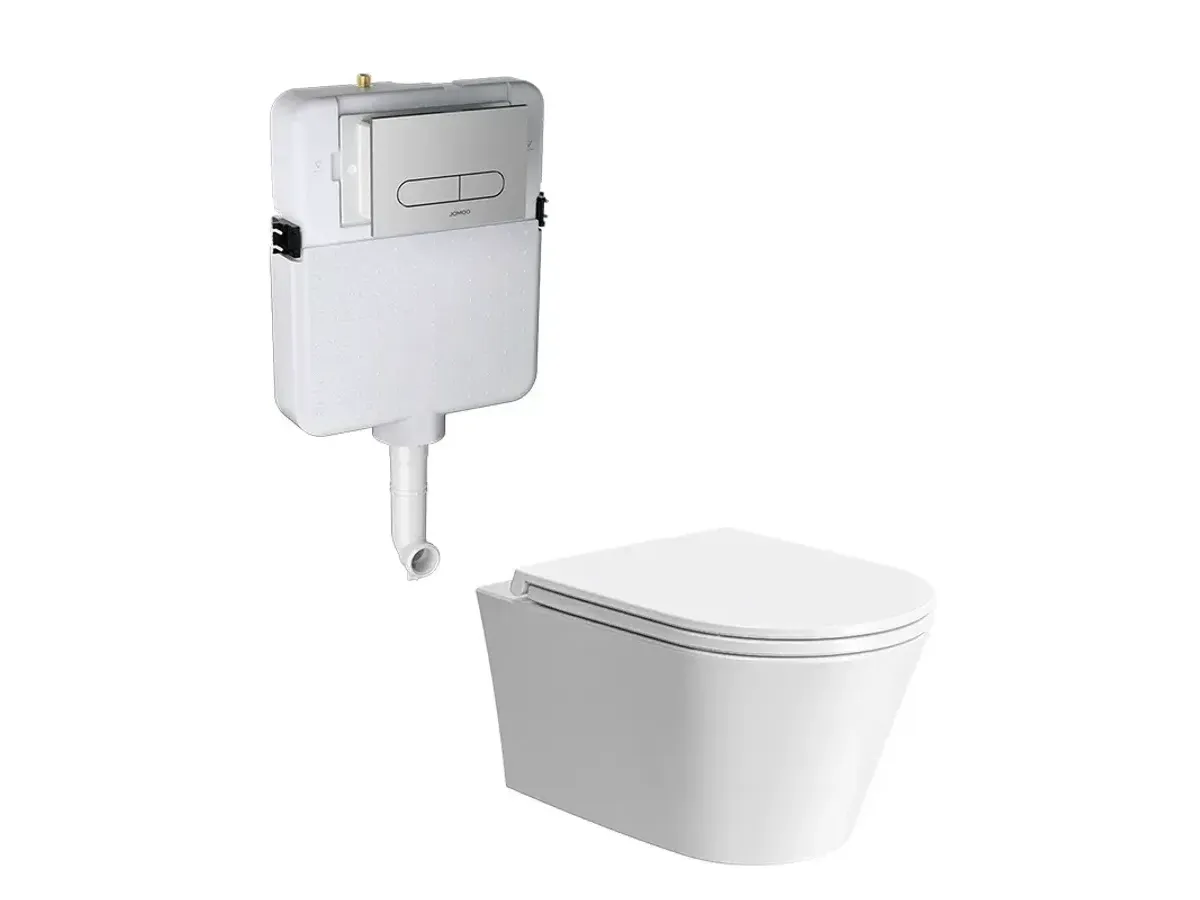
JOMOO Wall-Hung Toilet 02355-00-2, 565 x 375 x 350 mm
565 × 375 × 350 mmOrder on WhatsAppTZS 2,210,000perset


K11 Polymer Cement Waterproof Coating (Two-Component)
18 kg/barrelOrder on WhatsAppTZS 155,000perbucket



What PVC pipes are
PVC pipes for building work are made of unplasticised polyvinyl chloride, written PVC-U or uPVC. They come in two broad kinds. Pressure pipes carry water from a pump or main; Plasco, a pipe maker in Dar es Salaam, makes them to ISO 1452-2 and describes them as suited to both pumping and gravity designs. Non-pressure pipes carry soil, waste and rainwater; the same company also makes uPVC sewer and drain pipes and borehole casing, and on its site says it produces PVC pipes up to 315 mm.
Piping PVC is rigid, comes in straight lengths and is joined with sockets, either glued or with a rubber ring. For hot water it is the wrong material, as the section on CPVC below explains. A broader comparison of plastic pipes is on the water pipe page, and soil and waste systems on the drainage pipes page.
Sizes in millimetres and inches
PVC plastic pipes are named by outside diameter in millimetres, but buyers often ask in inches. Falcon Plastics, another Tanzanian maker, lists both in its PVC pipes and fittings catalogue:
| Outside diameter | Trade size | Length |
|---|---|---|
| 40 mm | 1¼ inch | 5.8 m |
| 50 mm | 1½ inch | 5.8 m |
| 63 mm | 2 inch | 5.8 m |
| 90 mm | 3 inch | 5.8 m |
| 110 mm | 4 inch | 5.8 m |
| 160 mm | 6 inch | 5.8 m |
So a 4 inch uPVC pipe is the 110 mm size. That is also the pipe size the Flat Roof Drain with Dome Strainer for 110 mm Pipe, in stock in Zanzibar, is made for. Plasco supplies its pressure pipe in 6 m lengths, and in 5.8 m lengths where pipes go into shipping containers.
Pressure classes: PN and class A–D
Pressure pipe is graded by the pressure it is designed to carry. Plasco’s PVC-U brochure lists classes of 6, 8, 10, 12.5, 16 and 20 bar (PN 6 to PN 20), and notes that the outside diameter stays the same for every class of a given size: higher classes get a thicker wall instead. Falcon explains PN as pressure nominal, the maximum pressure a fitting is designed to withstand, and sells PN 16 fittings in 50 and 63 mm.
Falcon marks its uPVC pipes as class A, B, C or D and makes them in blue and white, but its catalogue does not convert the letters into bar. Ask the seller for the pressure in bar or the PN figure behind a class letter before using the pipe on a pump line.
Solvent joints or rubber rings
Plasco joins its pressure pipes in two ways depending on size: solvent cement for pipes from 20 mm to 75 mm, and a locked-in rubber ring for pipes of 75 mm and larger. Falcon likewise offers plain sockets, for gluing, and rubber ring sockets. A glued joint is permanent and needs the right cement and drying time, explained step by step under PVC solvent cement; a ring joint is pushed together.
PVC pipe fittings
Falcon’s catalogue shows the usual range of PVC pipe fittings and connectors:
| Fitting | What it does | Sizes in the Falcon catalogue |
|---|---|---|
| Elbow (bend) | turns the line 90° or 45° | 40–110 mm; with access door in 110 mm |
| Tee | branches the line at 90° | 40–110 mm, plain or rubber-ring |
| Y tee | joins a branch at an angle | 110 mm |
| Reducing socket | joins two sizes | 110 × 50, 110 × 63, 110 × 90 mm |
| Reducing bush | steps down inside a socket | 50 × 40, 63 × 50 mm |
| Union | a joint that can be undone | 50 and 63 mm, PN 16 |
| Access plug, end cap | closes or opens an end for cleaning | 40, 50, 63 mm |
| Pipe clip (clamp) | holds the pipe to a wall | O and U shapes, 110 mm |
FF and MF in the names mean female–female and male–female ends: an MF PVC elbow joint has one spigot end that goes into a socket and one socket end. Falcon also lists a four-way multi-floor waste trap; the traps fitted under basins and sinks are covered on the P traps and bottle traps page.
Hot water and CPVC
PVC-U is a cold-water pipe: the BSI summary of the ISO 1452 series gives 25°C as its limit at full pressure, rising to 45°C only at a lower working pressure. CPVC pipe, a chlorinated version, is made for hot and cold water and carries a higher temperature rating, as Oatey’s guide to solvent cements notes, and it needs its own CPVC cement. For hot water inside a house, polypropylene made to ISO 15874 is designed for both hot and cold water.
What to check when you buy
- Pressure or drainage. A pressure pipe to ISO 1452 for water lines; a drain pipe for soil and waste.
- Size. Outside diameter in mm, or the inch trade size it matches.
- Class. PN figure in bar; for a class letter, ask what pressure it stands for.
- Joint. Plain socket for solvent cement, or a rubber ring socket.
- Fittings. The same size, and a PN marking for pressure lines; Falcon sells PVC coupling sockets, tees and elbows at PN 16.
- Length. 6 m or 5.8 m, which affects how many joints a run needs.
Questions
What are PVC pipes, and what are they used for?
Rigid pipes of unplasticised PVC. Pressure grades to ISO 1452 carry cold water under pressure, up to 25°C at full rating according to the BSI summary of the standard; other grades serve as soil, waste and sewer pipes and borehole casing, which Plasco also makes.