













































































































PVC doors: uPVC frames and PVC bathroom doors
Published · Updated
PVC doors come in two kinds: glazed doors built from hollow uPVC frame profiles, and light PVC leaves sold for bathrooms and toilets. For the profiles, the European standard EN 12608 grades outer wall thickness; Class A means at least 2.8 mm on visible faces, according to the profile maker VEKA.
In stock in Zanzibar
See all 11 products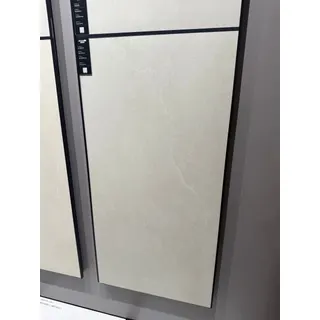
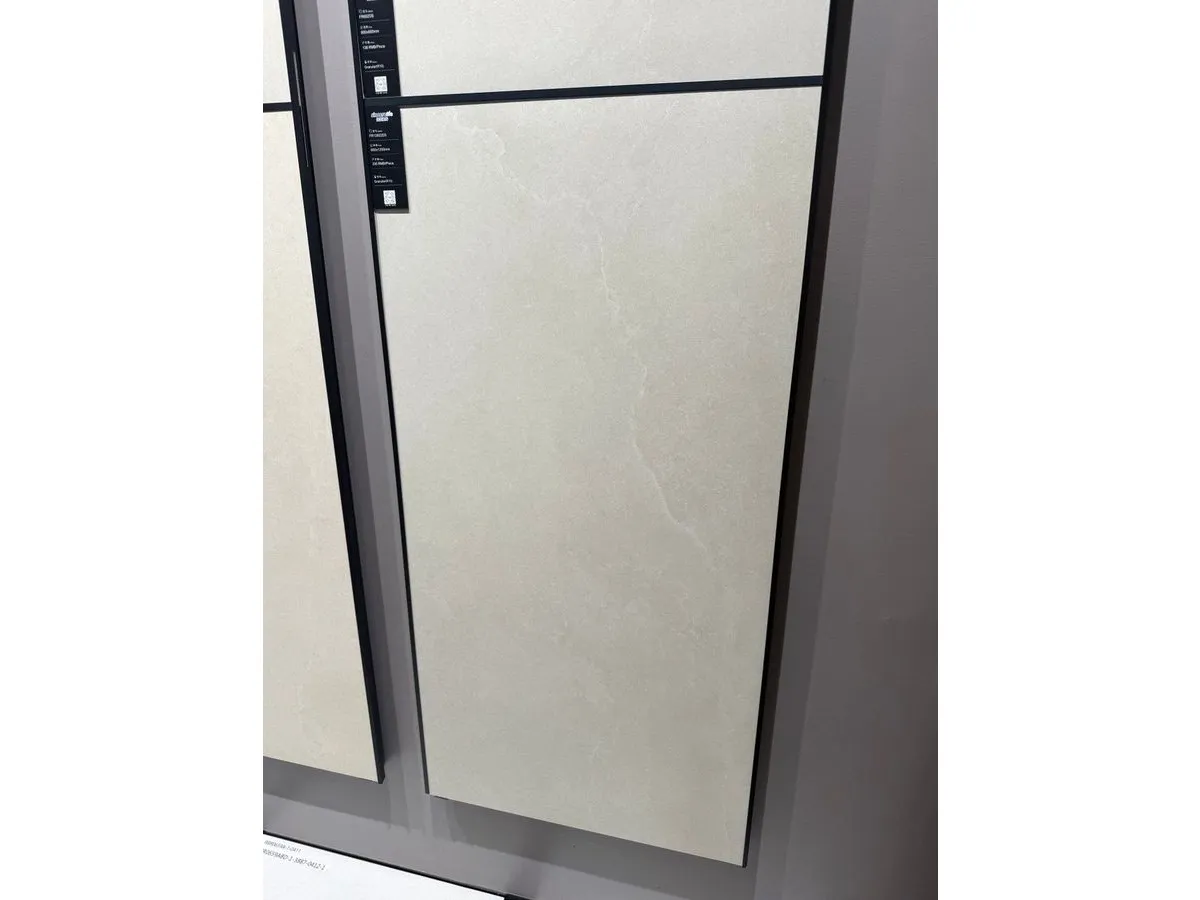
Beige Porcelain Tile 1200x600 mm, Matt Anti-Slip R10
1200 × 600 mmR10Order on WhatsAppTZS 49,680pertile
K11 Polymer Cement Waterproof Coating (Two-Component)
18 kg/barrelOrder on WhatsAppTZS 155,000perbucket




Two products called PVC doors
Two different products are sold as PVC doors. The first is a door built like a uPVC window: hollow profiles of unplasticised PVC are cut, welded at the corners and glazed, then hung with hinges and a lock. These are used for entrances, balconies and patios.
The second is a lightweight door leaf made of PVC panels, sold for bathrooms and toilets. When you ask for a price on PVC for a door, say which of the two you mean, because the materials, weight and hardware are different.
uPVC doors: what the profile standard checks
Profiles for uPVC doors and windows are covered in Europe by EN 12608. Its first part, EN 12608-1:2016, which replaced the 2003 edition, applies to non-coated profiles with light-coloured surfaces; foil-covered and coloured profiles are dealt with in other parts.
The standard sorts profiles in three ways: by climatic zone, by resistance to impact from a falling mass, and by the wall thickness of the outer walls. Its requirements include the material (UV-resistant virgin material is one category), dimensions and wall thickness, shrinkage when heated, behaviour after heating to 150°C, resistance to weathering and colour fastness, and the strength of welded corners. Modern uPVC doors sold with a profile maker’s name should come with a declaration against these classes.
Wall thickness classes of uPVC profiles
Wall thickness is the class you can check with a calliper on a cut profile. VEKA, a German profile manufacturer, summarises the three classes on its page on profile quality:
| Class | Visible outer walls | Rebate and connection areas |
|---|---|---|
| A | at least 2.8 mm | at least 2.5 mm |
| B | at least 2.5 mm | at least 2.0 mm |
| C | no requirement | no requirement |
VEKA states that its own profiles have 3.0 mm visible walls and 2.7 mm in the rebate, with a tolerance of 0.2 mm. A Class C profile is not necessarily thin, but nothing in the class guarantees that it is not.
PVC doors for bathroom and washroom
A PVC door for a bathroom is chosen for one reason: it does not swell when wet. That matters in a washroom where the bottom of a timber leaf sits in splashed water. The leaves differ more than their photos suggest, so ask how each one is built before comparing prices for washroom PVC doors:
- Is the leaf hollow with internal ribs, or filled with foam?
- What is the leaf thickness in millimetres?
- Is the frame PVC as well, and how is it fixed to the wall?
- Are the hinges and screws stainless steel or plated steel?
- Is a lock or bolt included, and does it work from the inside only?
One manufacturer’s listing shows what such a leaf can contain. Yingkang, a Chinese door maker, lists its PVC-faced bathroom leaves at 40 or 45 mm thick and 2,050 × 710 or 810 mm, built from a 0.16 mm PVC film over a 2 mm WPC skin, a timber skeleton, infill and a waterproof PVC board (Yingkang product M-12). Use those figures as a benchmark when a seller gives none. A PVC door for a washroom with a frame fixed into a wet wall also needs the gap round the frame sealed; our page on door sealant covers the joint sizes.
What to check when you buy
For a new uPVC door for an entrance or balcony, ask the supplier to put these in writing:
- The profile maker and system name.
- The wall thickness class under EN 12608: A, B or C.
- Whether the profile is white or light-coloured, foil-covered or coloured right through, since the standard’s parts differ.
- Whether the frame has steel reinforcement inside, and where.
- The glass type and thickness.
- The lock: a multipoint gear or a single lock, and the cylinder rating; our page on door locks explains cylinder sizes.
- How the corners are joined: welded, as the standard’s corner strength test assumes.
PVC, aluminium or timber
A modern PVC door, an aluminium door and a wooden door each have a standard or data that lets you compare them: EN 12608 classes for uPVC, finish thickness for aluminium, and leaf thickness and timber species for wood. Use those figures, not the brochure adjectives, when you compare quotes. Kitovu does not make or sell doors; it sells building materials from stock in Zanzibar.
Questions
What is a PVC door?
Either a door whose frame and leaf are made from extruded uPVC profiles, built like a uPVC window, or a lighter leaf of PVC panels sold for bathrooms and toilets. Ask the seller which of the two is being quoted.