













































































































P traps, bottle traps and S traps under sinks and basins
Published · Updated
A P trap is the bend under a sink or basin that holds water as a seal against sewer gas; a bottle trap does the same job in a compact body. England's Approved Document H sets minimum seals of 75 mm for basins and sinks and 50 mm for baths and showers.
In stock in Zanzibar
See all 11 products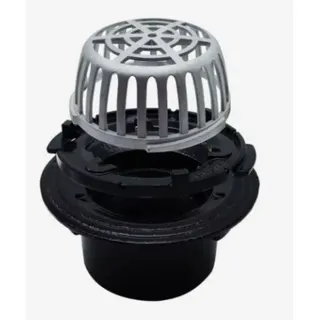
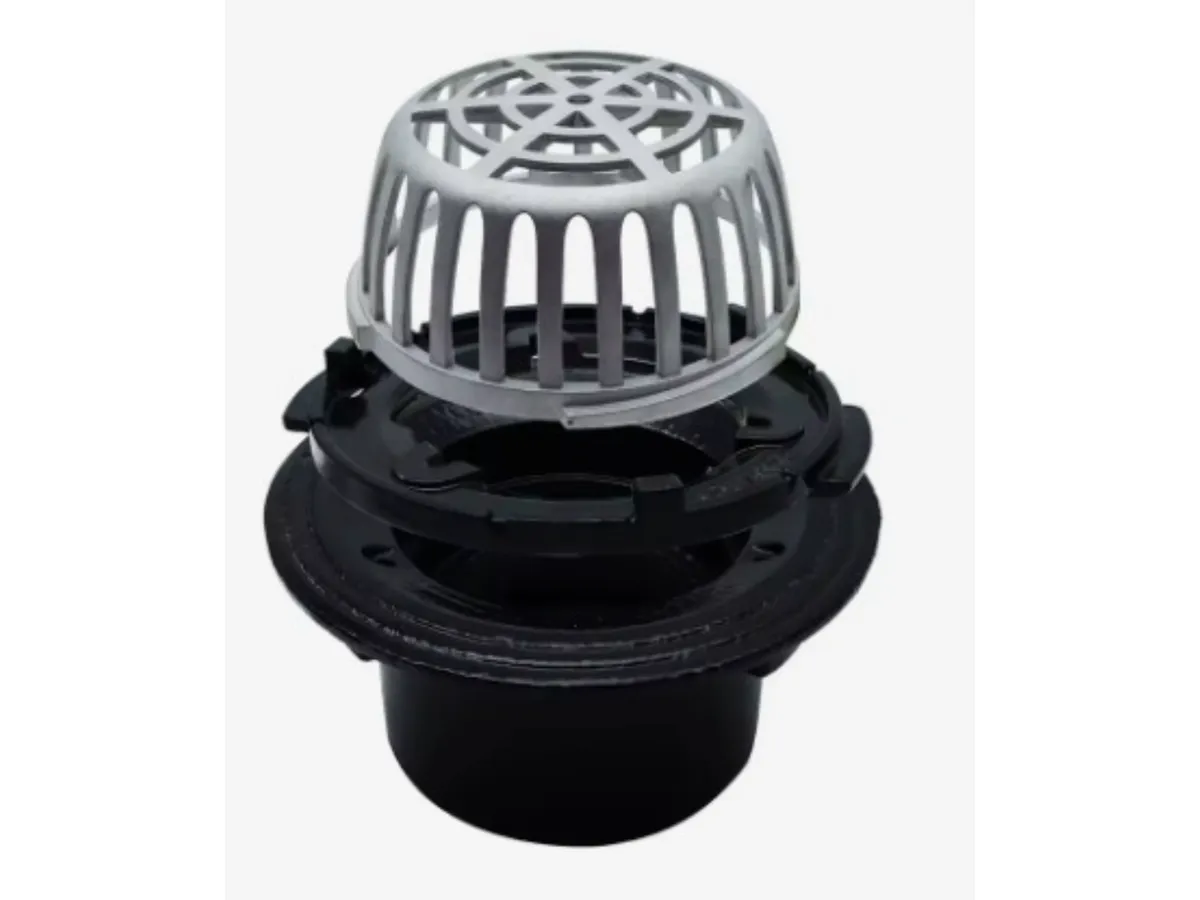
Flat Roof Drain with Dome Strainer for 110 mm Pipe
For 110 mm pipeRoof outlet that connects to a 110 mm drain pipe.
Order on WhatsAppTZS 159,900perpiece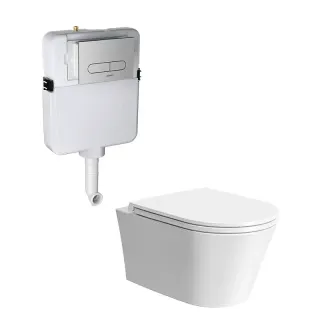
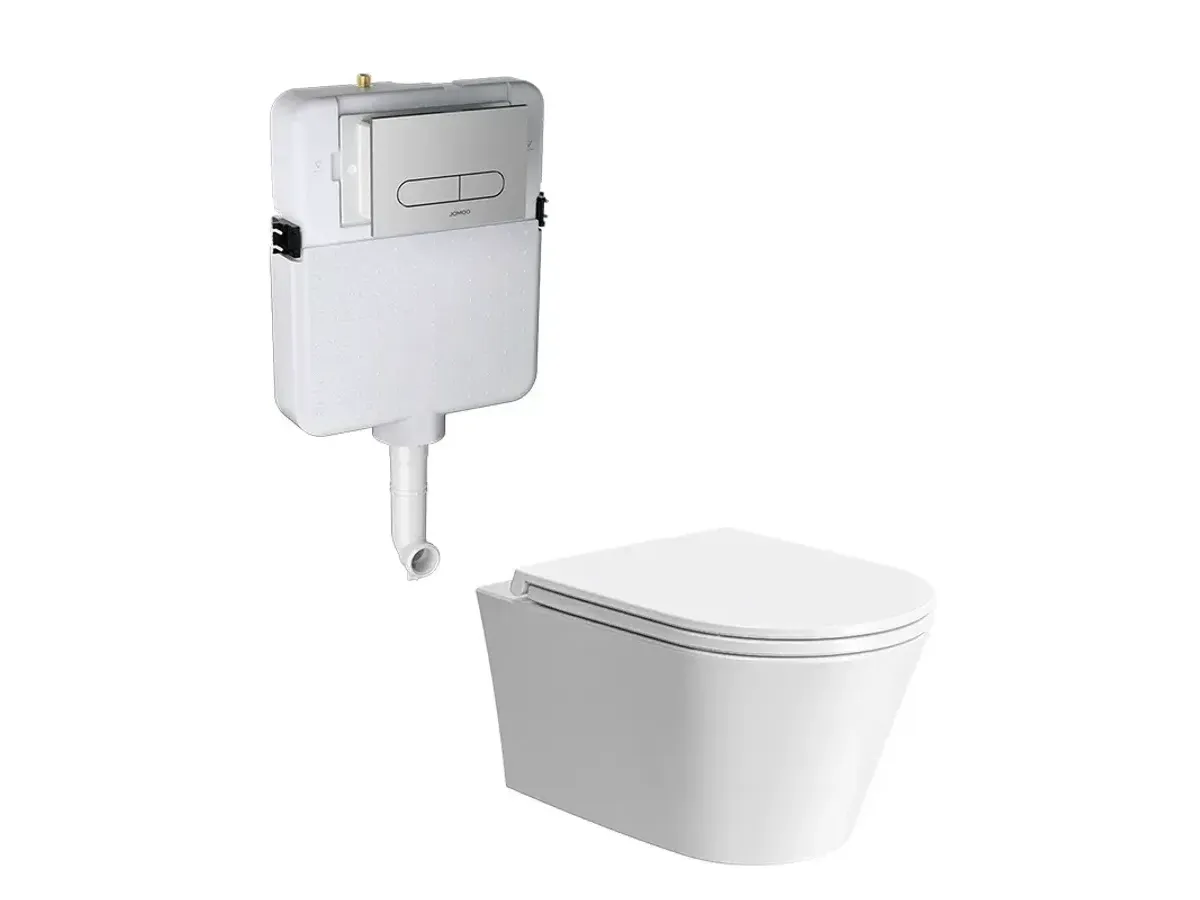
JOMOO Wall-Hung Toilet 02355-00-2, 565 x 375 x 350 mm
565 × 375 × 350 mmOrder on WhatsAppTZS 2,210,000perset


K11 Polymer Cement Waterproof Coating (Two-Component)
18 kg/barrelOrder on WhatsAppTZS 155,000perbucket



What a P trap does
Every drain from a sink, basin, bath or shower opens onto a sewer full of foul air. The trap closes it off with water: the bend below the outlet stays full after each use, and that water seal stops sewer gas from rising into the room. Kent Drainage adds that it also keeps insects out, and that hair, soap scum and food particles carried through the trap can build up into a blockage if it is never cleaned.
A P trap takes its name from its shape: the pipe drops from the outlet, turns up in a U, then leaves sideways into a wall. England’s Approved Document H, the government guidance on drainage, asks for a trap at every point of discharge and says traps should keep at least 25 mm of water under working and test conditions.
P trap, S trap or bottle trap
The three sink traps differ in where the outlet goes and how much room they take:
- P trap. Outlet horizontal, into a wall pipe. Kent Drainage notes that the horizontal outlet lowers the risk of the seal being sucked out by siphonage.
- S trap. Outlet turns down into a floor pipe. It needs more height, and Kent Drainage writes that many countries, the United States among them, have banned S traps.
- Bottle trap. A short cylinder under the basin that holds the water seal inside a removable bottle. Kent Drainage suggests it for small spaces and contemporary designs.
McAlpine’s trap catalogue shows the range a basin trap comes in: 1¼ inch bottle traps with 75 mm, 50 mm or 38 mm seals, tubular P and S traps with 75 mm seals, and 1½ inch traps with 75 mm seals for washing machines, in polypropylene or chrome-plated brass.
Trap sizes and seal depths
Approved Document H gives minimum trap diameters and seal depths for the appliances most used in homes:
| Appliance | Trap diameter | Seal depth |
|---|---|---|
| Washbasin, bidet | 32 mm | 75 mm |
| Bath, shower | 40 mm | 50 mm |
| Sink, washing machine, dishwasher | 40 mm | 75 mm |
| WC pan, outlet under 80 mm | 75 mm | 50 mm |
| WC pan, outlet over 80 mm | 100 mm | 50 mm |
The guidance allows a shallower seal in a few cases: 50 mm on basins with a grated waste and no plug, and down to 38 mm where a bath, shower, washing machine or dishwasher discharges straight into a gully. These are English rules, given here as a reference for sizing a sink drain trap, not as a Tanzanian requirement. The trap also has to be reachable: the document asks for traps to sit directly after the appliance and to be removable or have a cleaning eye. A floor outlet needs its own trap too, as the floor drain page explains.
When a trap loses its seal
A seal can be lost in two ways. The first is siphonage: water rushing down a long or steep waste pipe pulls the trap empty behind it. McAlpine offers two answers. Its anti-syphon trap lets air in through a non-return valve when suction builds up, so the seal stays and the trap does not gurgle; its resealing trap draws air through the inlet and bypass columns, and the water left behind falls back to re-form the seal.
The second is evaporation. Mr. Rooter, a US plumbing firm, warns that P traps under fixtures that are rarely used, such as a guest bathroom basin, can dry out and lose their seal, letting sewer smell into the room, and suggests a trap seal primer for such fixtures.
The P trap toilet
In a toilet the trap is part of the pan itself, which Approved Document H treats as part of the appliance; the term P trap toilet describes where the outlet goes. A P trap pan leaves horizontally into a wall drain, an S trap pan downwards into the floor, and the full comparison is on the toilets page. Approved Document H gives a WC pan a 75 mm trap with a 50 mm seal when its outlet is under 80 mm. Parryware’s guide counts wall-hung pans among the P trap types. Kitovu stocks one wall-hung pan in Zanzibar, the JOMOO Wall-Hung Toilet 02355-00-2; the type and size of its outlet are not yet confirmed.
What to check when you buy
- Size. 32 mm (1¼ inch) for basins, 40 mm (1½ inch) for sinks, baths, showers and appliances, matching the waste pipe.
- Seal depth. 75 mm for basins and sinks, 50 mm for baths and showers in the English table; McAlpine marks the seal on each bottle trap.
- Shape. P trap for a wall outlet, bottle trap where space under a basin is short.
- Siphonage. An anti-syphon or resealing trap on long waste runs.
- Access. A trap that unscrews or has a cleaning eye.
- Material. Polypropylene, or chrome-plated brass where the trap is on show.
Questions
How does a P trap work?
The bend keeps a small amount of water after each discharge. Kent Drainage, a UK drainage company, explains that this water seal stops sewer gases coming up through the drain into the room, and also blocks insects.
Where does a P trap need to be fitted?
On every appliance that drains into the waste system. Kent Drainage lists sinks, washbasins, baths and showers, washing machines, dishwashers, floor drains and utility sinks, and England's Approved Document H asks for a trap at every point of discharge.